
Community
A Charlie Brown Christmas at High Cotton Music Hall: how Hartwell makes its December music
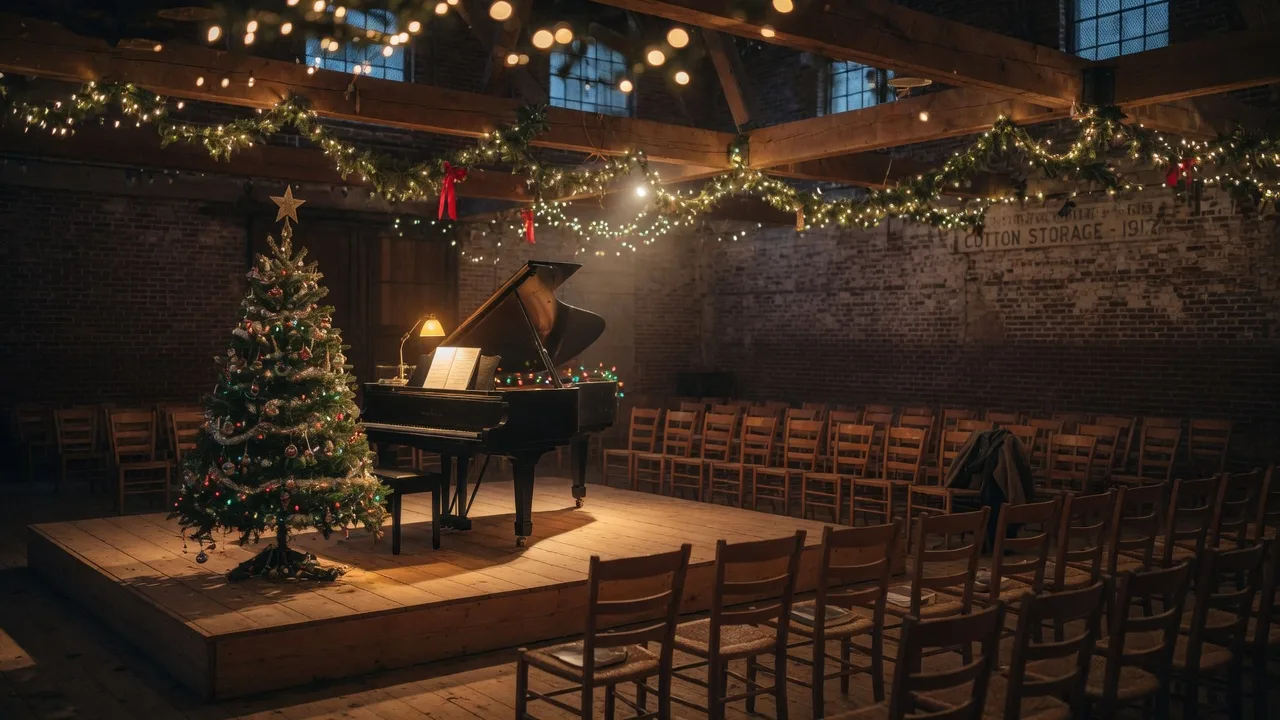
On Friday, December 11, 2026, at 7:30 in the evening, The Good Grief Trio will step onto the stage of High Cotton Music Hall on Depot Street and begin the first notes of Vince Guaraldi's "A Charlie Brown Christmas." The Peanuts Choir will join them. The restored cotton warehouse will glow with holiday light. And Hartwell will do what it has always done in December: gather on the same ground, in the same town, for the same reasons its people have gathered since long before the lake existed. We have spent our careers helping families find places where they belong, and we have learned that the towns worth coming home to are the ones that keep their own traditions. This is the story of one of them.
A holiday special in a listening room
High Cotton Music Hall is a former cotton warehouse, built about a century ago on the historic Depot Street blocks of downtown Hartwell and restored as a music room that opened in 2015. It is an intimate space, seating around two hundred people, and it bills itself as the town's premier live-music venue. On December 11, it hosts its annual holiday tradition: The Good Grief Trio, with pianist Greg Hankins, bassist Luca Lombardi, and drummer Seth Hendershot, joined by the Peanuts Choir, playing Vince Guaraldi's jazz score to "A Charlie Brown Christmas" from start to finish.
The music is a fitting choice for a small town. Guaraldi's score premiered with the television special in December 1965, and it did something unusual: it gave America a Christmas sound that was jazz, not carols, and it worked because it was warm, unpretentious, and slightly lopsided, like real families and real December evenings. In Hartwell, they play it live, in a room that smells of old wood and coffee, with the bass line walking through songs everyone knows. It is the kind of show that a lake town can hold in a room the size of a large porch, and the kind of night that makes December feel handmade again.
The first Christmases on this land
Christmas has been kept on this land since before the town had electricity, let alone a stage. When the farmhouse at what is now 257 Methodist Park Lane was built in 1873, a December evening in the valley meant lamplight, not stage lights. The family gathered in the parlor, where the hymns were sung from memory because there was no radio and no record player, only voices and whatever the church on the lane taught. The Methodists had organized their congregation in 1854, and by 1897 the brick sanctuary stood a short walk up the lane, its windows glowing on Christmas Eve the way windows still glow today.
The season was kept with what the land itself provided. The smokehouse and the cellar held the winter food. The pecans gathered in November sweetened the pies. Visitors arrived by wagon down the lane, and children listened for the sound of boots on the frosty porch. The river valley below the high ground turned gray and quiet, and the family sat close to the stove and told the same stories every year. Nobody called it quaint; it was simply the way December sounded before the modern world was invented, and the land held that sound for generation after generation.
When the valley became a lake, the season got louder
By the middle of the twentieth century, Christmas on this land had changed the way Christmas changed everywhere: the parlor piano made room for the radio, and the radio made room for records, and the family at 257 Methodist Park Lane watched the world arrive through wires and speakers. Then came the dam. The reservoir behind Hartwell Dam began filling in February 1961 and reached full pool on March 12, 1962, and the quiet river valley the family had known since the 1870s became Lake Hartwell. New neighbors came to the shoreline from Atlanta, from Charlotte, from places with big-city Christmas traditions, and suddenly the December calendar had more on it than the church service and the kinfolk dinner.
The family held the high ground through all of it. In December 1965, when "A Charlie Brown Christmas" premiered on television, they watched it like the rest of America, in the same house their great-grandparents had built, with the lake now visible through the winter-bare pecan trees. The music had come to them twice over: the lake brought the modern world to their door, and the television brought jazz into their parlor. What did not change was the gathering. The porch still held the boots, the table still held the dinner, and the church up the lane still held the carols. The tools of the season changed. The habit of it did not.
The season of music today
Walk Hartwell's December in 2026 and the season is practically scheduled for you. The courthouse square tree lighting lands on November 23. Holiday@The Park turns Railroad Street Park into a light display from November 26 through January 2. The High Cotton Blues Jam runs its final Saturdays through December 19. The Good Grief Trio plays its holiday program on December 11. And on December 13, the Hart County Christmas Parade steps off down Franklin Street, the way it has stepped off for generations. A lake town programs its own winter, and the result is a month of gatherings that no algorithm could assemble.
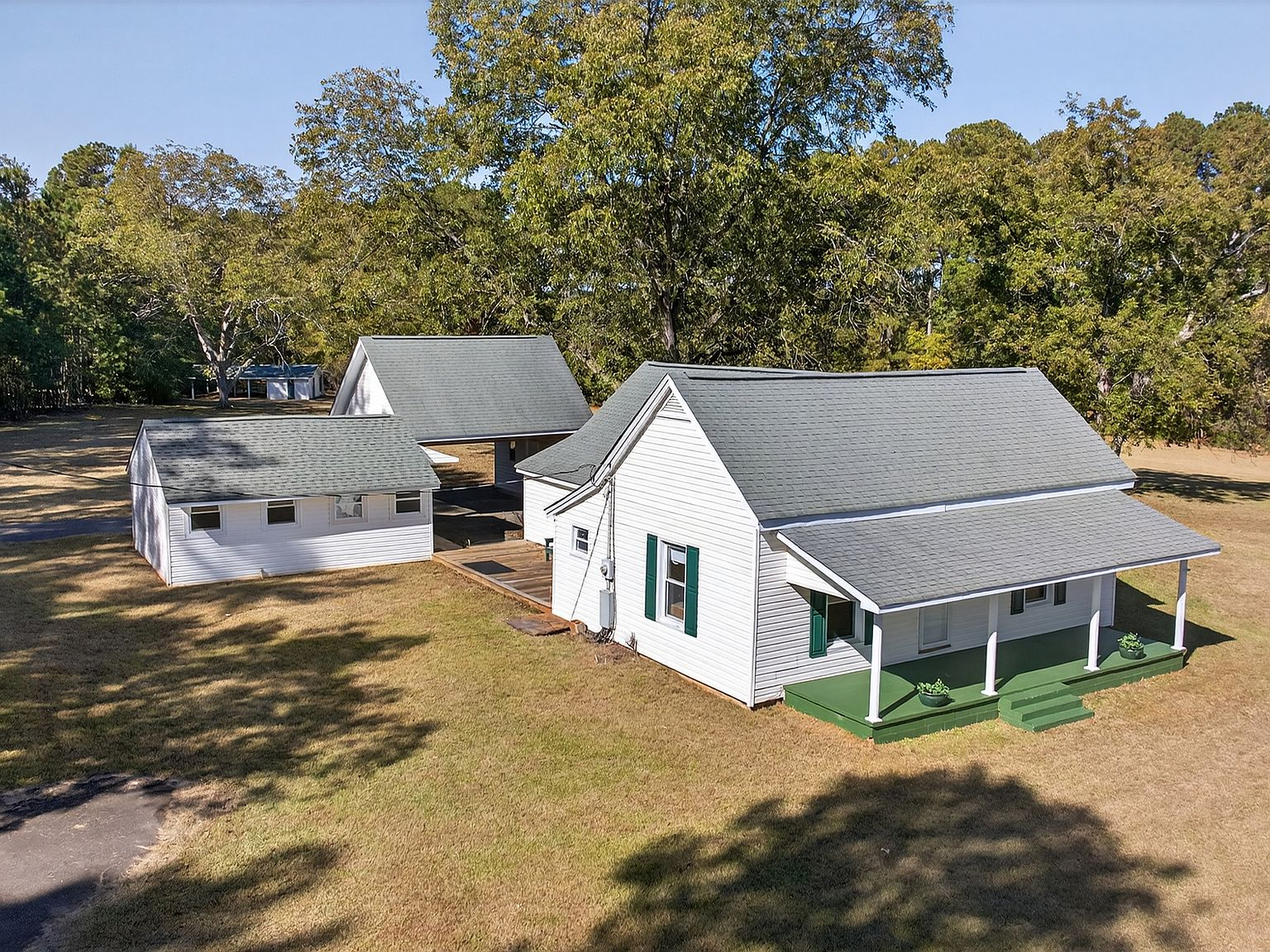
The estate at 257 Methodist Park Lane sits minutes from all of it, on 4.546 flat acres with a covered porch, an open-air deck, a spacious patio, and a lakeside pavilion with two full bathrooms. A family who lives here can walk out to the porch on a December afternoon, watch the sun drop over the water, and be downtown for a concert or a parade by evening. The distance between the old farmhouse and the music hall is short. The distance between the music the valley has heard, from lamplight hymns to live jazz in a restored cotton warehouse, is the whole story of American Christmas, told in one small town.
What the season asks of the land
A property held since 1873 has hosted every kind of December this town has known. It has stood through the quiet years before electricity, through the arrival of the lake, through the decades when the music came by wire, and now through the years when the music comes by stage. What has stayed constant is the gathering: the family on the porch, the neighbors down the lane, the town in its hall. The next family at 257 Methodist Park Lane will add their own December to the run. They will hang lights on the same columns that have held wreaths for a century and a half, host under the pavilion, drive the short road into town for the parade, and find themselves seats at High Cotton Music Hall.
This December 11, when the piano opens "O Tannenbaum" and the room goes quiet, the people in the seats will be doing what the people of this valley have always done. They will be keeping the season together. The music is new. The gathering is as old as the land. And the land, which has seen every version of Christmas a century and a half has to offer, is ready for the next family to hold the tradition in their own hands. Written by Amy Petrenko of The Petrenko Group.