
Fishing & Outdoors
Duck season on the Georgia waters: the November split, the youth and veteran days, and a tradition older than the dam
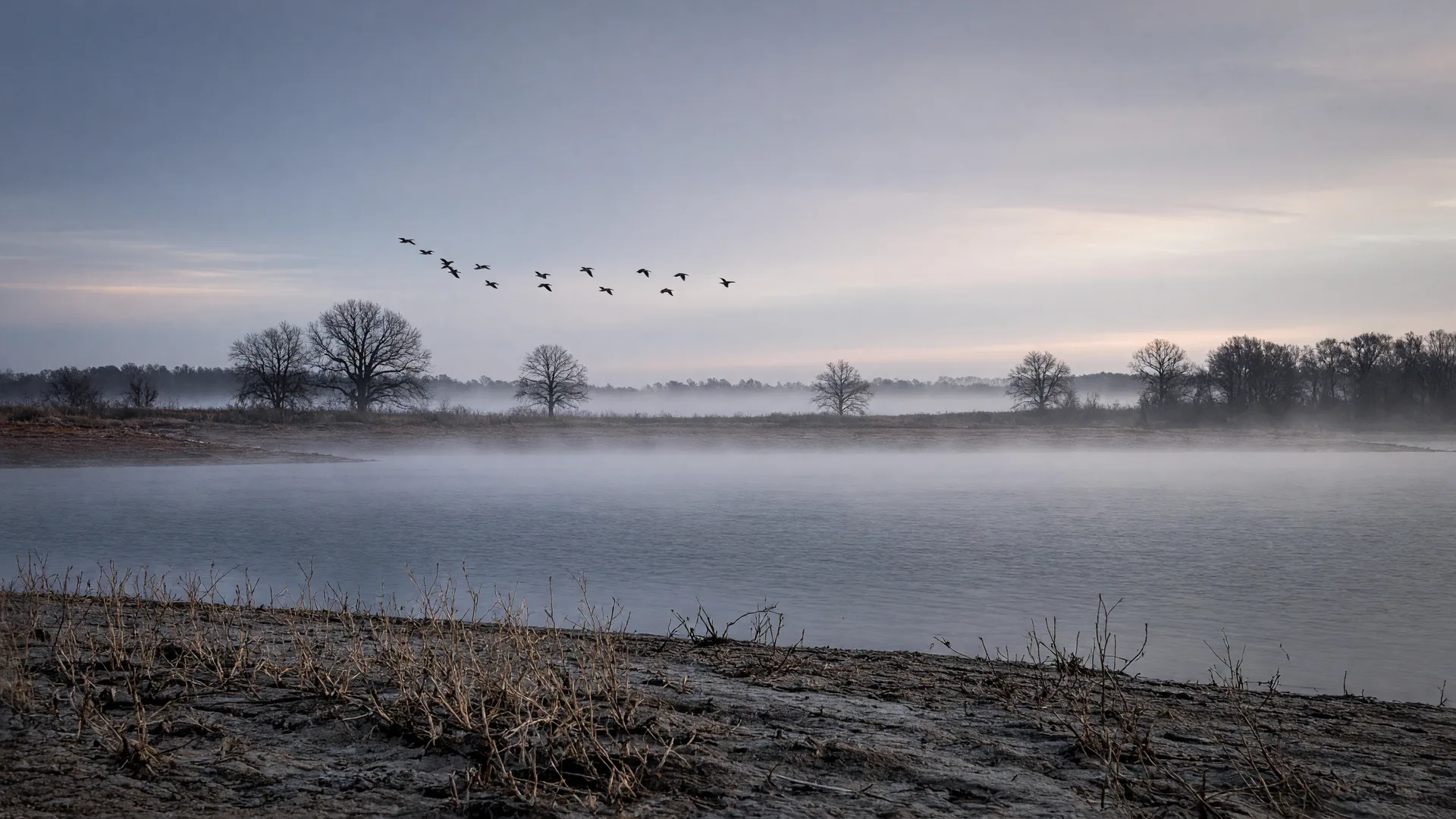
Georgia's 2026-27 duck season runs in two statewide segments, November 21 through 29 and December 12 through January 31, with a daily bag of six ducks and special youth, active-duty military, and veteran waterfowl days set for November 14-15. On the Georgia waters of Lake Hartwell, that opener is the same date the flyway has been keeping for a thousand years, and the men and women who step into the winter waterline are carrying on a tradition this valley practiced long before anyone had heard the name of a dam. On the high ground at 257 Methodist Park Lane, the season is a reminder that some rhythms outlast every change we build.
The 2026-27 calendar, straight from the state
The Georgia Department of Natural Resources sets the waterfowl calendar each year, and the 2026-27 dates are worth putting on the wall. The regular season opens Saturday, November 21, in time for the Thanksgiving split, runs through November 29, then resumes December 12 and runs to January 31, 2027. The daily bag is six ducks, subject to the usual species sub-limits, with the early teal-only season already in the past, September 12-20. The two dates that matter to families like the ones around this lake are November 14 and 15: the special youth, active-duty military, and veteran waterfowl days, when young hunters fifteen and under, and those who serve or have served, get the water two full weeks before the regular opener, with an accompanying adult who may not hunt unless independently eligible.
Those two days are a quiet kindness in the calendar. On a lake where the Corps of Engineers has opened ten areas for the 2026-27 hunting season, including the 410-acre Hartwell Dam Quarry Area in Hart County, the youth and veteran days hand the first cold mornings of the year to the people the sport most wants to keep. A seasoned hunter waters a young one's first retrieve on the same flats where his own father did, and a veteran who served a long way from any duck blind gets the water before the crowds, with the decoys set in the dark.
A low-water year for the winter hunt
This is a winter to scout new ground. Lake Hartwell is reading roughly eleven feet below its normal full pool, with the Corps holding the guide curve at 656 feet while the fix at the Clemson Lower Diversion Dam Saddle Dike is designed. The receded waterline has exposed flats and mud that have not seen boots in years, and flooded timber that once stood in two or three feet of water now stands in a foot or less. Waterfowl hunters on the Georgia side report that the birds have shifted with the shore. Where the water is thin and the cover is gone, the birds loaf on the open winter lake; where the new low flats hold shallow water and seed, the ducks find it.
The scouting is the story. Hunters who walked the waterline in early November, when the youth and veteran days still lay ahead, mapped the new points and coves that this winter's water line has created. On a reservoir as large as Hartwell, with 962 miles of shoreline, the low water does not remove the hunting so much as rearrange it. The same patience that a family practiced in these woods before the lake, reading the river and the seasons, is the same patience the good blinds demand now.
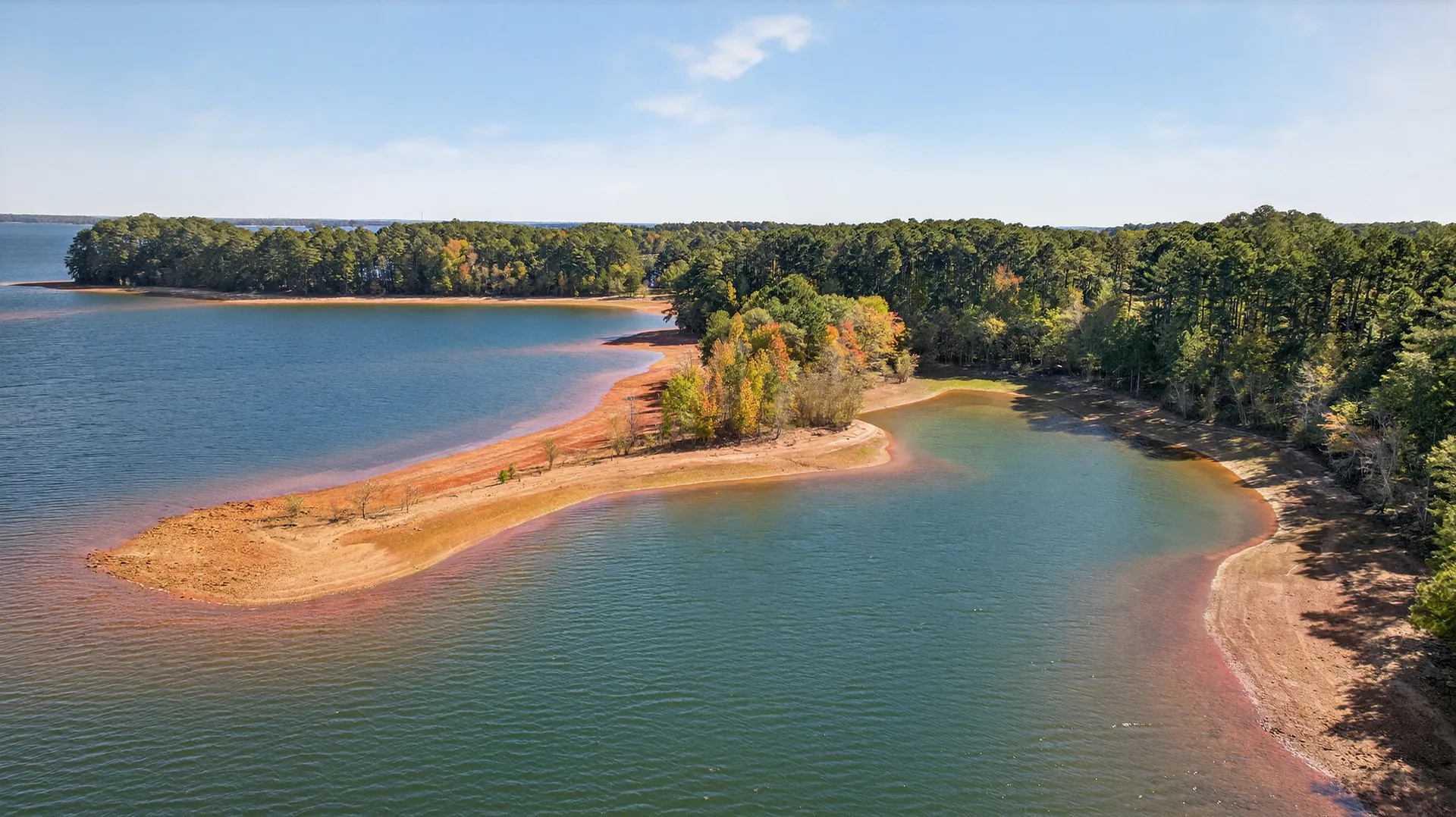
Before the lake, this valley was the hunting ground
The generational memory of this land begins with the hunt. The families who farmed the river bottoms before the Flood Control Act of May 1950 knew the waterfowl as neighbors, not tourists. The Savannah River and its tributaries braided through the flat valley below 257 Methodist Park Lane, and every winter the ducks and geese moved through the same timber, the same sloughs, the same wild rice and feed that the bottomland produced. Hunting was not recreation then, or not only recreation. It was winter protein, a practical art that filled the smokehouse when the garden was done and the hogs had been butchered.
When the water came in the early 1960s and the valley became a reservoir, the people who stayed on the high ground wondered what would happen to the flyway. The answer took a season to show. The ducks had always followed the drainage, and the drainage still carried the same birds on the same path. Within a few years of the fill, hunters were laying out decoys over what used to be their own fields, on water. The road and the church and the trees had moved on, but the flight path did not. It is a small lesson the property itself teaches: the deep patterns of water and weather and migration are older than any works of ours, and they reassert themselves over whatever we build.
What the season looks like from the porch
From the high ground at 257 Methodist Park Lane, duck season weather is the coldest, clearest weather of the year, and it has its own beauty. The wood smoke rises straight up in the still mornings. The first shots of the season roll across the water before full light, distant and polite, from the public areas along the shoreline. On the estate's own four and a half acres, the season is quieter: the waterfront is private, the Corps shoreline beside it stays natural, and the ducks use the cove below the lawn as a resting water they can trust. Watching them set in at dusk, wings cupped and voices carrying, is a November pleasure no photograph quite captures.
For buyers considering this property, the winter months are actually the best test of the place. The lake is at its lowest and the trees are bare, yet the land still reads clearly: flat lawn, open sight line to the water, mature pecan grove, and a porch that faces the winter sun. If a property holds its beauty in January, it will hold it in July. The same family discipline that kept this land through the flood and the flyway is the discipline that kept the house standing through 153 winters.