
Lake life
An hour from the lake: Amy Grant and Mac McAnally at Heritage Park, October 4
On Sunday afternoon, October 4, 2026, the CCNB Amphitheatre at Heritage Park in Simpsonville, South Carolina, about an hour's drive from the Hartwell area, hosts Fall Fest, an acoustic afternoon headlined by Amy Grant and Mac McAnally with Brandy Clark and Charlie Worsham on the bill. It is a two o'clock show on a lake weekend, and we wrote about it because the people who live on this water have been driving an hour or more to hear songs for longer than there has been a lake to drive from.
A Sunday drive in the best month to drive
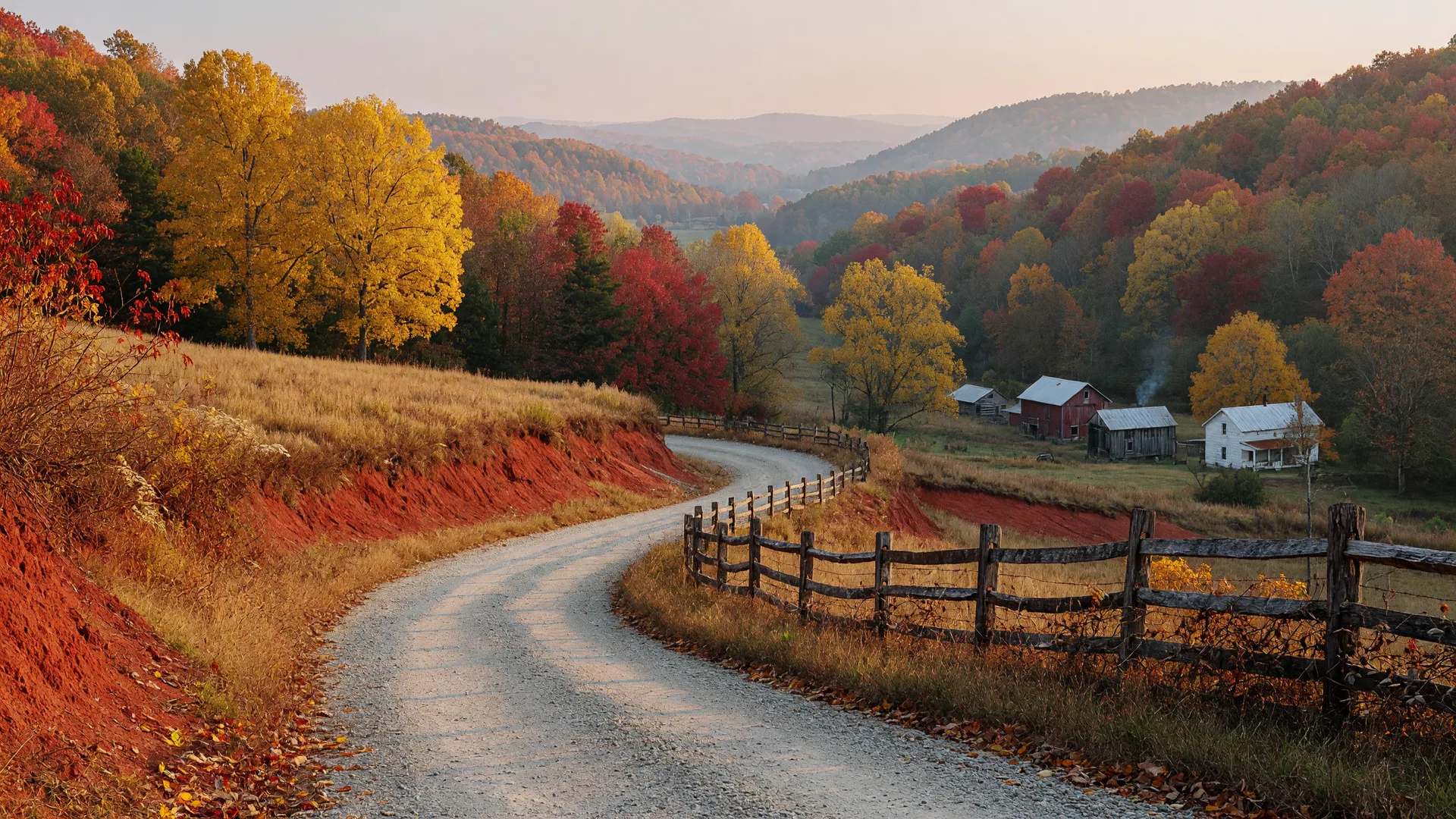
The amphitheater sits at 861 SE Main Street in Simpsonville, in the Greenville-to-Spartanburg corridor, an easy run up the interstate from the lake with a prettier back-road alternative for anyone who is not in a hurry. Early October is the ideal week for it. The humidity is gone, the red clay banks have dried to that particular rust color, and the first hardwoods on the ridges are already gold while the dogwoods hold their green. Whatever color has not arrived by October 4 will have arrived by the drive home.
For a lake household the day arranges itself beautifully: a slow morning on the water while the cove is still glassy, the shore lunch, then the drive north for the two o'clock curtain, and back to a calm cove by dusk. The property at 257 Methodist Park Lane puts you exactly that far from the region's bigger stages, and after generations of listening to music the same way, that is less an inconvenience than a rhythm. The drive is part of the evening.
Why Mac McAnally belongs in the story of this land
Mac McAnally is worth the drive on his own. A native of Red Bay, Alabama, raised in Belmont, Mississippi, he has been a professional musician since he was thirteen, writes songs that other people famously record, and holds the record as the Country Music Association's ten-time Musician of the Year. He has been a longtime member of Jimmy Buffett's Coral Reefer Band, was inducted into the Nashville Songwriters Hall of Fame in 2007, and his songs include "Two Dozen Roses" for Shenandoah, "Old Flame" for Alabama, "Back Where I Come From" and "Down the Road" for Kenny Chesney, and "It's My Job" for Buffett. He was a Grammy nominee for "Down the Road."
What that résumé misses is the thing that matters most around here. Mac McAnally writes about home. He writes about the road back, the small town, the family place, the porch, the people who stayed and the ones who left and came back. Songs like "Back Where I Come From" are built from the same material as the story of this estate: a piece of ground held across generations, a church up the lane, a porch that has heard every version of the family. It is the music this land has always kept, played louder and by a master, an hour away.
What an afternoon of songs does for a lake weekend
The lake town carries its own music calendar in the same spirit. Downtown Hartwell has High Cotton Music Hall, The Station on Railroad Street runs tribute nights through the fall, and the Lakeside Music Festival has raised real money for the county humane society under summer skies. The Amphitheatre at Heritage Park is simply the bigger room an hour up the road, the one you save for a touring act. A property like this one was built for exactly these weekends: room for the boat, room for the guests, room to come home late and sit on the porch with the lake still and the songs still going around in your head.
Generations on this land carried songs the same way, first without electricity, then with a radio on the porch. The church organized on this lane in 1854, the brick sanctuary rose in 1897, and the family at the end of the lane could hear the bells and, on Sunday mornings, the congregation's voices carrying across the fields. The mechanics have changed. The instinct has not. People who live on this water will still drive an hour on a fall afternoon for the sound of a good song, and they will still hum it all the way home.
The same instinct, a different microphone
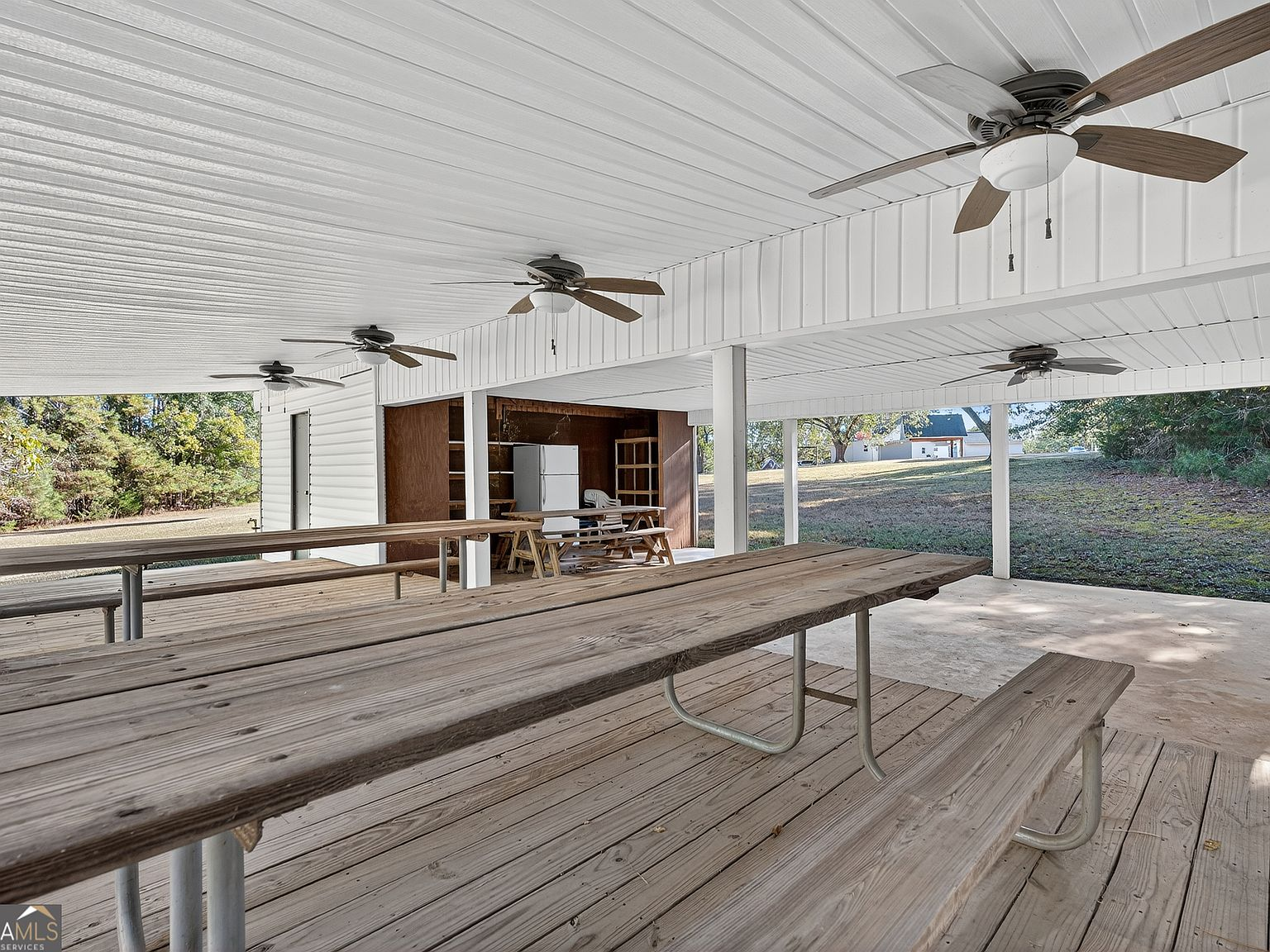
October 4 is a fine day to be anywhere on this lake: color coming down the ridges, water still in the seventies, the tournament boats and holiday crowds thinning into the quiet months. If you can make the drive, go hear the songs. And if you have never stood on this particular high ground, consider what an afternoon like that looks like from the other end: a flat four and a half acres, a covered porch that has kept the view since 1873, a lakeside pavilion with two full bathrooms ready for the next gathering, and the whole region's stages, festivals, and river towns an easy day trip in every direction.
This listing is the first chance in generations for a new family to hold the ground. The songs change, the streetlights spread, the stages get bigger. The habit of gathering on this high ground to hear them does not.