
Lake life
The fall palette: autumn on Lake Hartwell and why it's the lake's most underrated season
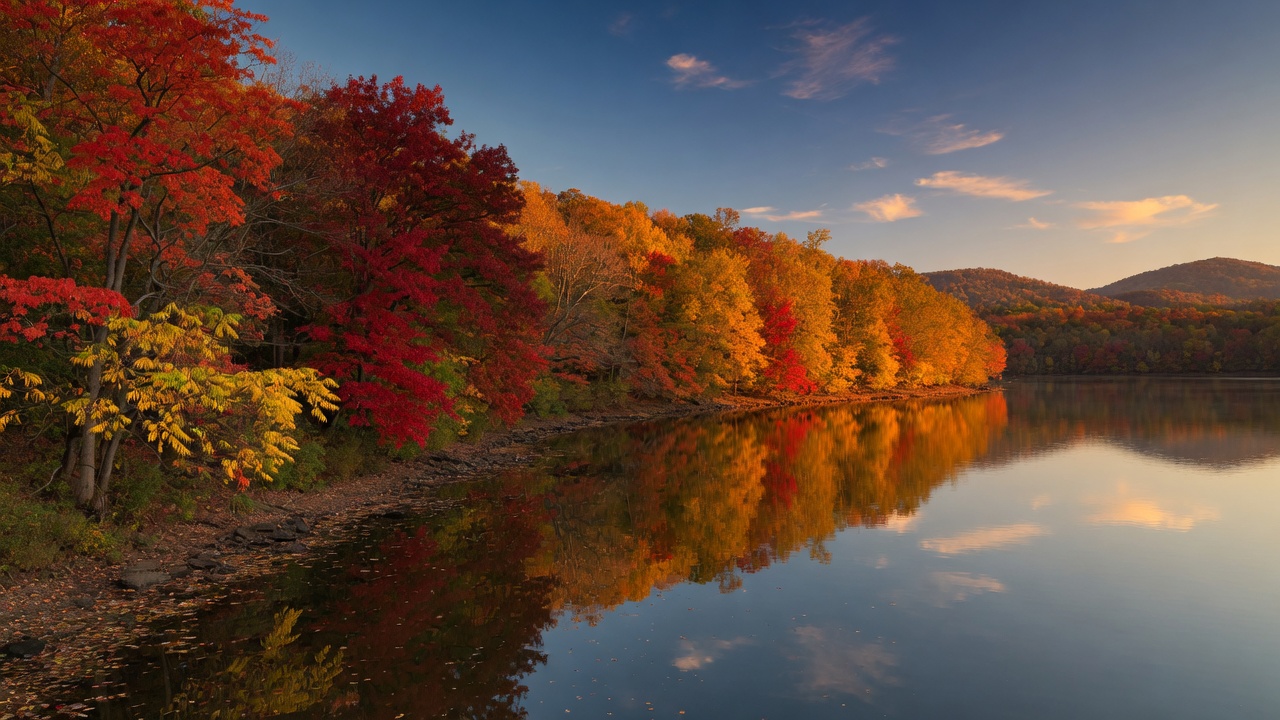
On an October morning at 257 Methodist Park Lane, the pecan trees along the lawn have begun their annual transformation. The leaves — which in summer form a dense green canopy — shift to gold and amber over the course of two to three weeks. By late October, the entire grove is lit with autumn color, and the lawn beneath the trees is scattered with fallen leaves and ripe pecans. It is, by any measure, the most beautiful the property looks all year — and the season that most Lake Hartwell buyers never plan for.
The Appalachian foothill advantage
Lake Hartwell sits in the foothills of the Appalachian Mountains — high enough in elevation to experience genuine seasonal change, but far enough south to avoid the harsh winters that limit lake life in more northern latitudes. The elevation, roughly 800 feet above sea level, creates a microclimate where fall foliage peaks in mid-to-late October, typically two to three weeks later than the higher Blue Ridge elevations to the north but two to three weeks earlier than the Georgia Piedmont to the south.
The hardwood forests along the shoreline — a mix of red maples, sweetgums, hickories, oaks, and tulip poplars — produce a color palette that shifts daily through October and into early November. The lake acts as a reflector, doubling the visual impact. On a calm morning, the shoreline becomes a mirror for the canopy, creating the kind of panoramic color that makes you stop whatever you're doing and stand on the dock for ten minutes.
The pecan trees at 257 Methodist Park Lane follow their own autumn calendar. Pecan leaves turn yellow later than most other hardwoods, often holding their green into mid-October before transitioning to a pale gold that contrasts with the deeper reds and oranges of the surrounding forest. The pecans themselves drop through September and October — a natural harvest that has been happening on this property for over 150 years.
The fall fishing
For serious anglers, fall on Lake Hartwell is the best-kept secret in southeastern reservoir fishing. As water temperatures drop from the mid-70s into the 60s through October, the bass population goes through a feeding frenzy that rivals the spring spawn for activity and excitement. Largemouth bass move from their deep summer haunts back toward shallower structure — creek channels, brush piles, and the riprap along Methodist Park — feeding aggressively to build reserves for the coming winter.
The spotted bass, which hold deeper than largemouth through most of the year, become particularly active in fall, congregating along the rocky main-lake points that define Lake Hartwell's underwater geography. Stripers — the lake's most powerful predator — follow schools of baitfish into the shallows, creating surface-feeding frenzies that are visible from shore.
Crappie fishing peaks in fall as the fish move from deep summer structure to the submerged brush piles and standing timber in 15 to 25 feet of water. For families who fish for food rather than sport, fall crappie are the prize — white-fleshed, mild-flavored, and abundant enough to fill a freezer.
The fishing pressure on Lake Hartwell drops significantly after Labor Day. The tournament season winds down, the weekend pontoon traffic disappears, and the lake returns to the kind of solitude that serious fishermen prize. For an owner at 257 Methodist Park Lane, October and November represent the best fishing of the year with the fewest people on the water — a combination that's hard to find anywhere else in the Southeast.
Harvest season on the estate
The pecan grove at 257 Methodist Park Lane enters its most productive season in September and October. Georgia has been the nation's top pecan-producing state for over seventy years, and the mature trees on this property produce reliably every fall — native or early cultivars planted by a family that understood that a pecan tree is a multigenerational investment.
Harvesting the pecans is straightforward: as the husks split and the nuts fall to the ground, they're gathered by hand — a task that, for a family, becomes a weekend tradition. Crack them on the porch, roast them in the oven, and you've got pecan pie made from trees that were planted before the lake existed. There's a satisfaction in eating food that your property produced — a connection between land and table that most homeowners never experience.
The shade from the pecan canopy in fall is different from summer shade. The leaves thin as they turn, allowing more filtered light through the canopy than the dense summer coverage. The result is a dappled golden light across the lawn that photographers describe as "forest light" — soft, warm, and changing by the hour as the sun moves across the sky. It's the kind of light that makes the property look like a painting in the late afternoon.
Fall events in the Hartwell community
The Hartwell community comes alive in fall with a calendar of events that reflect the area's agricultural roots and lake lifestyle. The Northeast Georgia Ag Expo in August celebrates the county's farming heritage with livestock shows, agricultural exhibits, and the kind of community gathering that defines small-town Georgia.
The Tugaloo Triathlon, scheduled for September 2026, draws athletes from across the Southeast to compete in a swim-bike-run course that takes advantage of Lake Hartwell's calm water and the surrounding Appalachian foothill roads. The event is a spectator-friendly reminder that the lake is a year-round athletic venue — not just for fishing, but for the kind of active lifestyle that draws families to the water.
Splash Away the Trash, held annually in September, brings together residents, boating clubs, and conservation groups for a lake-wide cleanup. Volunteer boats fan out across the water to collect debris, and the post-cleanup gathering reflects the genuine environmental stewardship that characterizes the Lake Hartwell community. It's the kind of event where you meet your neighbors, understand who else cares about the lake, and feel the community bonds that make a lake town work.
In late October, the Toccoa Harvest Festival — about 30 minutes north in Toccoa, Georgia — offers craft vendors, live music, and the kind of seasonal celebration that makes fall in the Appalachian foothills feel genuinely rooted in place. Toccoa itself is worth the drive: the Toccoa Falls, a 186-foot waterfall just north of town, is one of the tallest free-falling waterfalls in the Southeast and a reminder that the landscape around Lake Hartwell is more dramatic than the gentle lakeshore suggests.
The season that sells the property
Summer shows a lake property at its most sociable — full pavilion, full dock, full lawn. Winter shows it at its most honest — the fireplace, the thick walls, the quiet beauty of an empty lake. But fall shows a property at its most complete. The pecan trees are producing. The shoreline is turning color. The fishing is at its best. The community is active with harvest events and cleanups. The morning temperatures are cool enough for coffee on the porch without a coat but warm enough to stay outside for an hour. The light is golden all day.
We've found that families who visit 257 Methodist Park Lane in October have a different reaction than families who visit in summer. Summer visitors see a lake property — beautiful, active, full of potential. Fall visitors see a home — the kind of place where the seasons are visible, the landscape is productive, and the community is engaged. The difference matters because it's the difference between a weekend destination and a permanent residence.
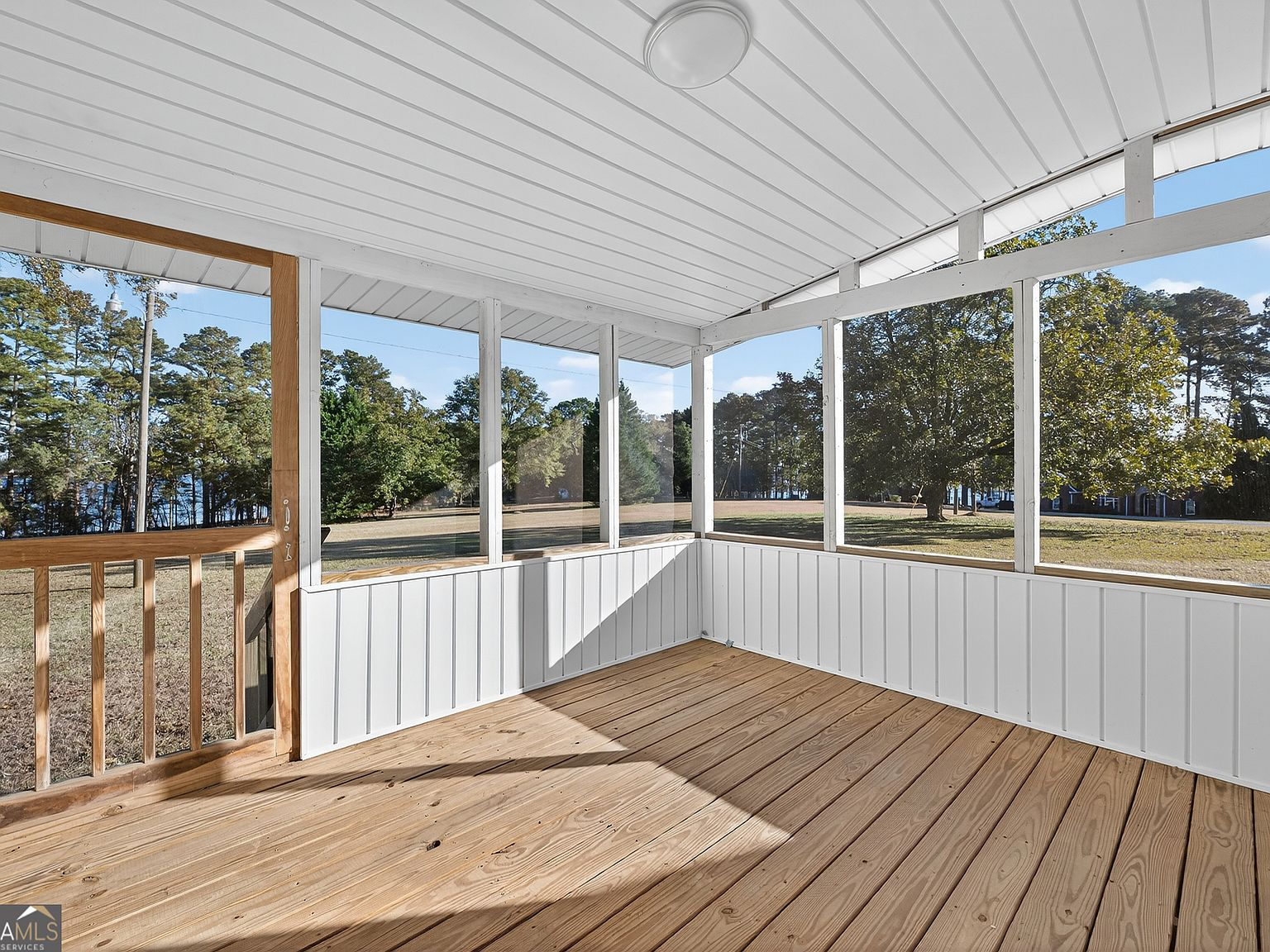
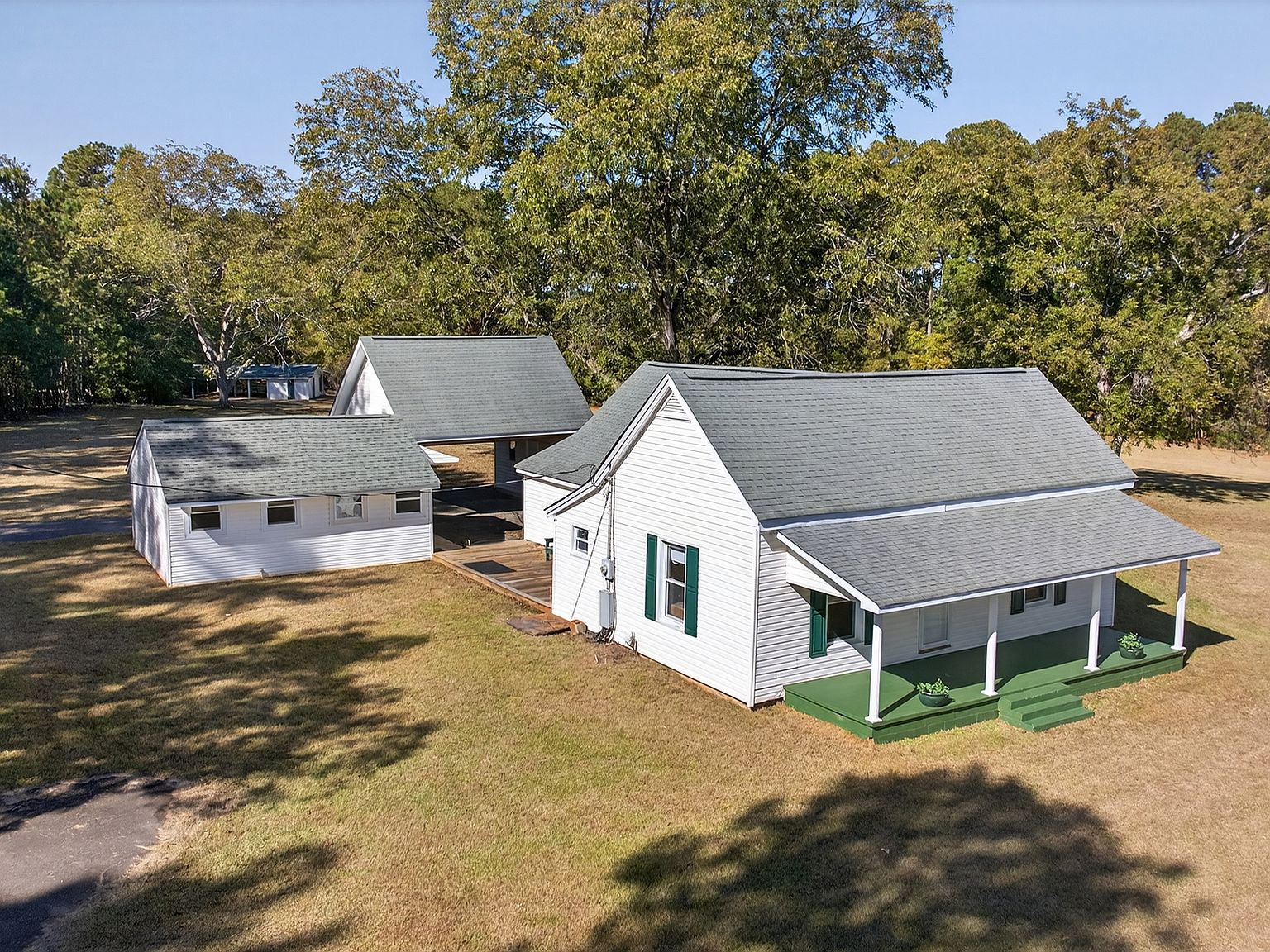
The property at 257 Methodist Park Lane has been through 153 autumn seasons. The pecan trees have dropped their harvest every fall since the 1880s. The porch has faced the same direction through every October since Reconstruction. The lawn has turned gold under the same trees that shaded picnics for six or seven generations. What fall reveals is what the property has always been — not a listing, but a home with a rhythm that syncs to the land.
The lake in November: the transition
By November, the fall palette has faded, the pecans are on the ground, and the lake begins its transition to winter mode. The water temperature drops into the mid-50s. The last of the fall foliage clings to the shoreline — the oaks, which turn later than everything else, provide the final color before the bare branches of winter take over.
The fishing shifts as well. The largemouth bass move deeper, holding along creek channels and bluff walls. The crappie congregate around submerged timber in 15 to 25 feet. The stripers, which have been chasing baitfish in the shallows all fall, follow their prey into deeper water. It's a different kind of fishing — slower, more technical, requiring electronics and patience — but for the angler who knows the lake, November produces some of the best catches of the year.
November is also the month when the property itself reveals its bones. Without the summer foliage or the fall color, the landscape is honest — the mature pecan trees, the flat lawn, the covered porch, the 1873 farmhouse. The simplicity of the property becomes apparent, and for a certain kind of buyer, that simplicity is the appeal. This isn't a property that needs landscaping or seasonal decoration to look good. It needs the land, the trees, the water, and the porch. Those are permanent. Everything else is optional.