
Community
The theatre Hartwell is rebuilding: renovation bids and the gathering places that outlive generations
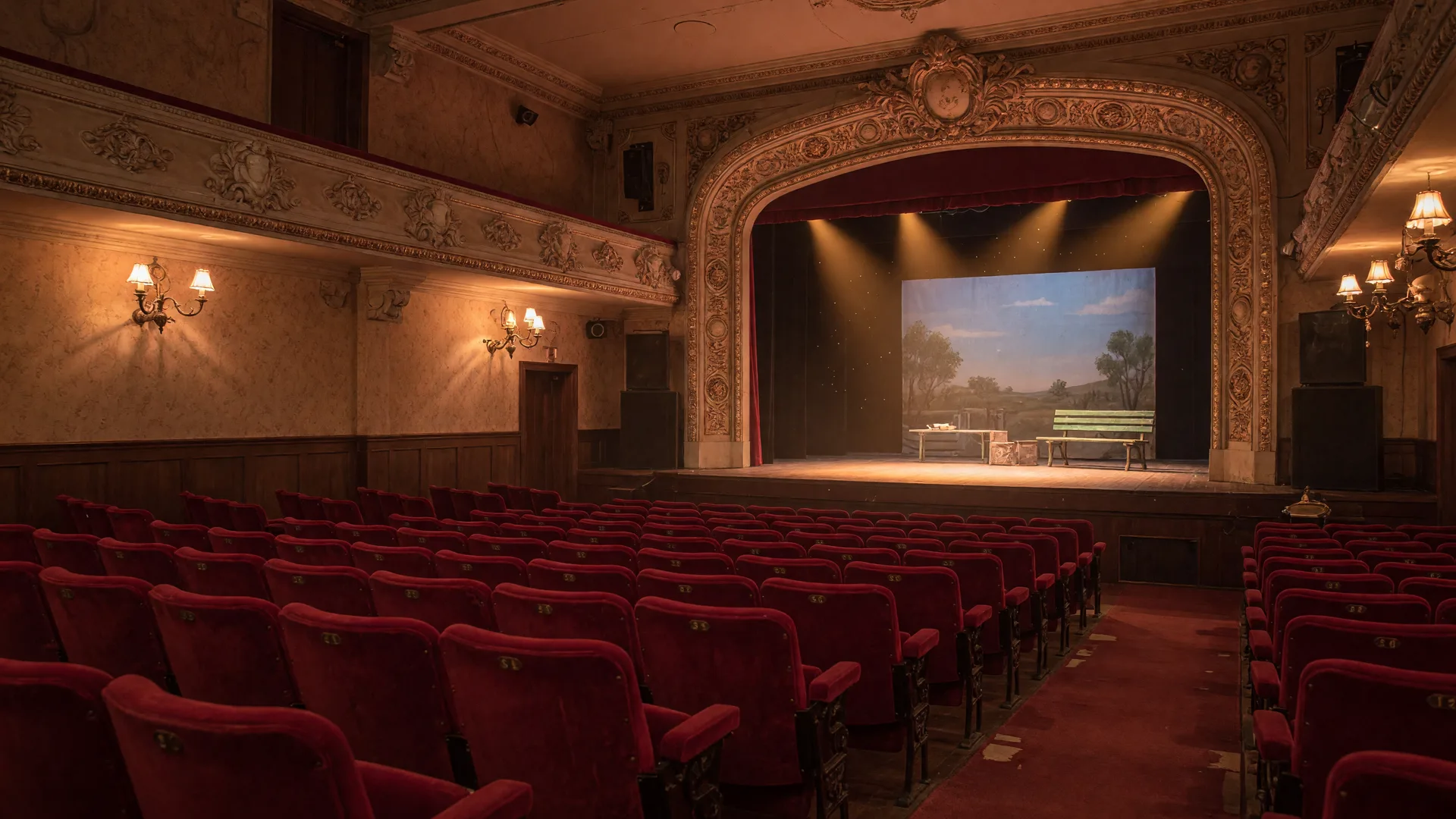
In the first week of October 2026, the Hartwell Downtown Development Authority issued an invitation to bid, Bid No. 2026-01, on renovations to the Hart County Community Theatre, the downtown stage that hosted Clue on September 18 and 19. It is a small civic announcement with an old idea behind it: a town that keeps its gathering places alive, one renovation at a time. The 1873 home at 257 Methodist Park Lane has been kept exactly that way for 153 years, and the two stories are closer than they look.
A stage the town keeps
The Hart County Community Theatre has been part of downtown Hartwell for decades, and Hartwell's habit of investing in it has never really stopped. Productions moved through the building through the years, volunteers built sets and learned lines and sold tickets, and in September the theatre brought Clue to the stage over two evenings. Renovations were already on the calendar. The DDA's invitation to bid on the work, published in early October, is the paperwork version of something the town has always done by instinct: when a room matters, you fix it, and then you use it again.
The theatre sits in a downtown that has been through the same cycle more than once. Hartwell's square, its Depot Street district, The Station on Railroad Street, the brick Methodist sanctuary that has stood on Methodist Park Lane since 1897, all of them are buildings that survived because generations decided they were worth keeping. A renovation bid is how that decision looks from the outside. It is specific, unglamorous, and full of line items, and it is the reason the small-town stage still exists at all.
The renovation habit
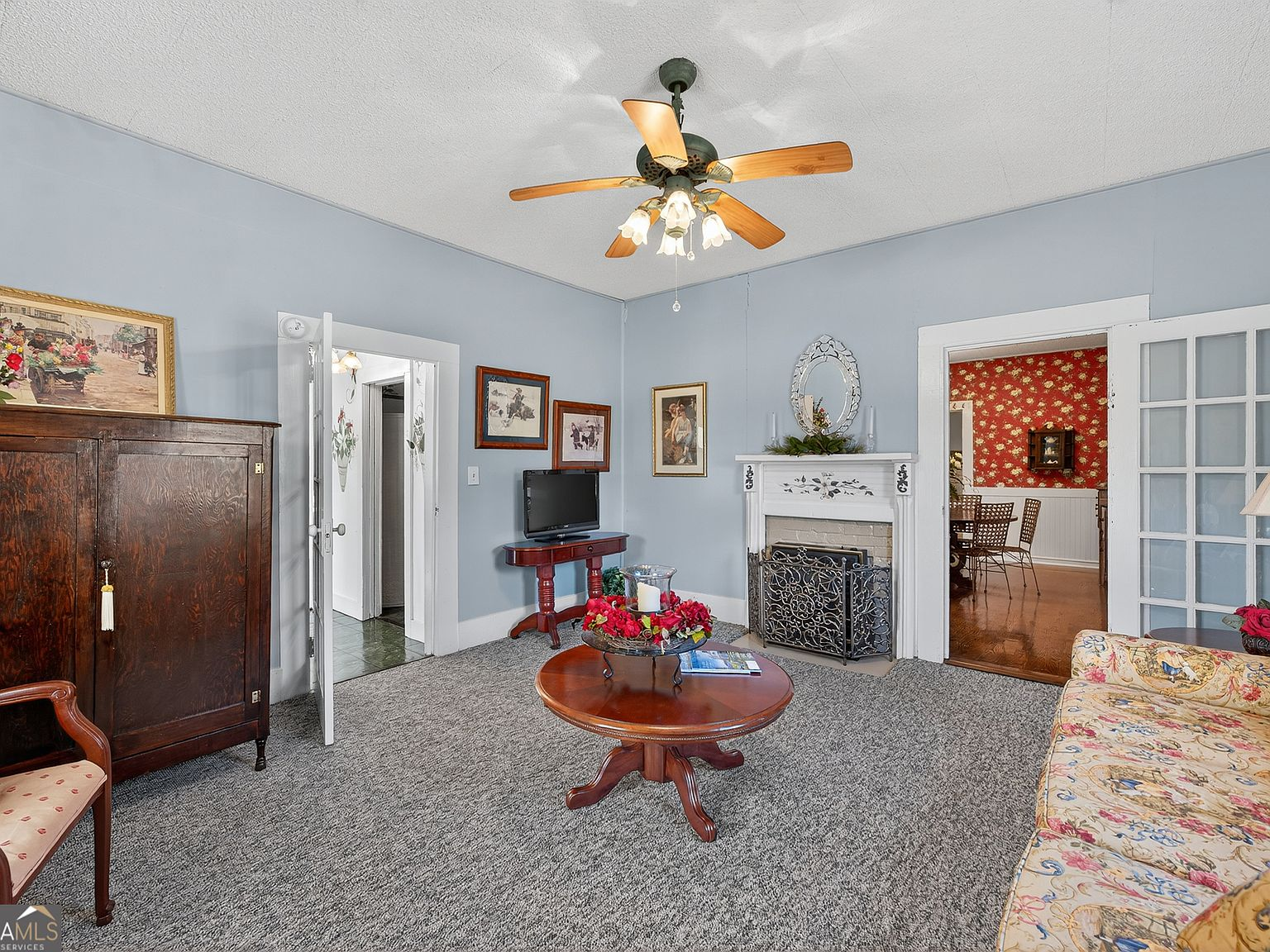
There is a way of tending old buildings that has nothing to do with museums and everything to do with families. You keep the bones, you fix what wears out, and you never let the roof wait. That is how the farmhouse at 257 Methodist Park Lane reached 153 years. It was expanded and updated by generation after generation, the fireplaces rebuilt and the porches repaired, the plumbing and wiring brought forward as each era required, while the original proportions and orientation to the breeze stayed. The house was never preserved and never abandoned. It was lived in, and living in it meant renovating it, steadily, forever.
Hartwell treats its public rooms the same way. The theatre gets a roof and a stage and a fresh coat when it needs them, the way the sanctuary on the lane has been kept since 1897, the way the downtown square has been repaved and relit and replanted through every generation. Renovation is the honest form of love for old places. It is not glamorous. It does not make the news. It is the reason the town still has a theatre to renovate, and the reason the estate still has a porch to sit on.
Rooms that gather people
What all of these places have in common is not their architecture. It is that they gather people. The theatre fills for opening nights, the sanctuary fills on Sundays, and the estate at 257 fills for family dinners, weddings under the lakeside pavilion, and long evenings on the covered porch. A building that gathers people gets maintained because it is needed. A building that is needed gets renovated when it wears out. That loop is how the best rooms in any town survive, and it is exactly how this one has.
For the first time in living memory, the estate is available for a new family to care for. We have walked the grounds and stood in rooms that have held generations of gatherings, and we know the difference between buying a house and accepting a stewardship. The theatre bid that crossed the DDA's desk this month is a small proof of what this town understands: you keep the room, the room keeps the gathering, and the gathering keeps the town. The next owners of 257 Methodist Park Lane will be joining a process that has been running on this land since 1873 and in this town since before the dam. The work is real. The room is worth it.