
Generations
Two Thanksgivings on the high ground: November 1960, the last of the river, and November 1961, the first with the water rising
Every place has a hinge, a moment after which it is a different place. For the valley below 257 Methodist Park Lane, that hinge came in February 1961, when the Corps of Engineers closed the gates at Hartwell Dam and the river that had run through the bottomlands for centuries began to slow, widen, and become a lake. That is why two Thanksgivings bookend the change: November 1960, the last one the family kept with a river valley below them, and November 1961, the first one with the water already rising. The same family, the same table, the same high ground, and two worlds.
November 1960: the last Thanksgiving of the river
Thanksgiving 1960 found the property much as it had been for generations. The pecan harvest had been brought in that fall and the nuts were being shelled and stored. The garden was finished for the year and the fields had been turned. The wood stove in the 1873 kitchen had done its work for nearly ninety years, and it worked again that week, and the table held the same things it had held for decades: the turkey from the farmyard, the sweet potatoes and field peas, the cornbread, the pies from the grove out back.
Below the high ground, the river ran where it had always run. The family could walk down through the bottomland to the water's edge, past the fields that would soon be gone, and they knew, because everyone in the valley knew by then, that the lake was coming. The dam had been under construction through the 1950s, and the years of talk had become years of bulldozers and concrete. So the 1960 table had a particular quality: it was a Thanksgiving of looking, of the family taking in the valley one more time, because the next year the same view would already be changing.
The winter that changed the calendar
In February 1961, the Corps closed the gates and the impoundment began. The river did not rise all at once. It thickened, then widened by inches and then by feet, spilling into the cleared bottomland the Corps had stripped, taking the low fields the family had known as the hay meadow and the cane patch. Over about thirteen months the reservoir filled to its pool, and through that first spring and summer the waterline crept up the land more steadily than anyone had expected.
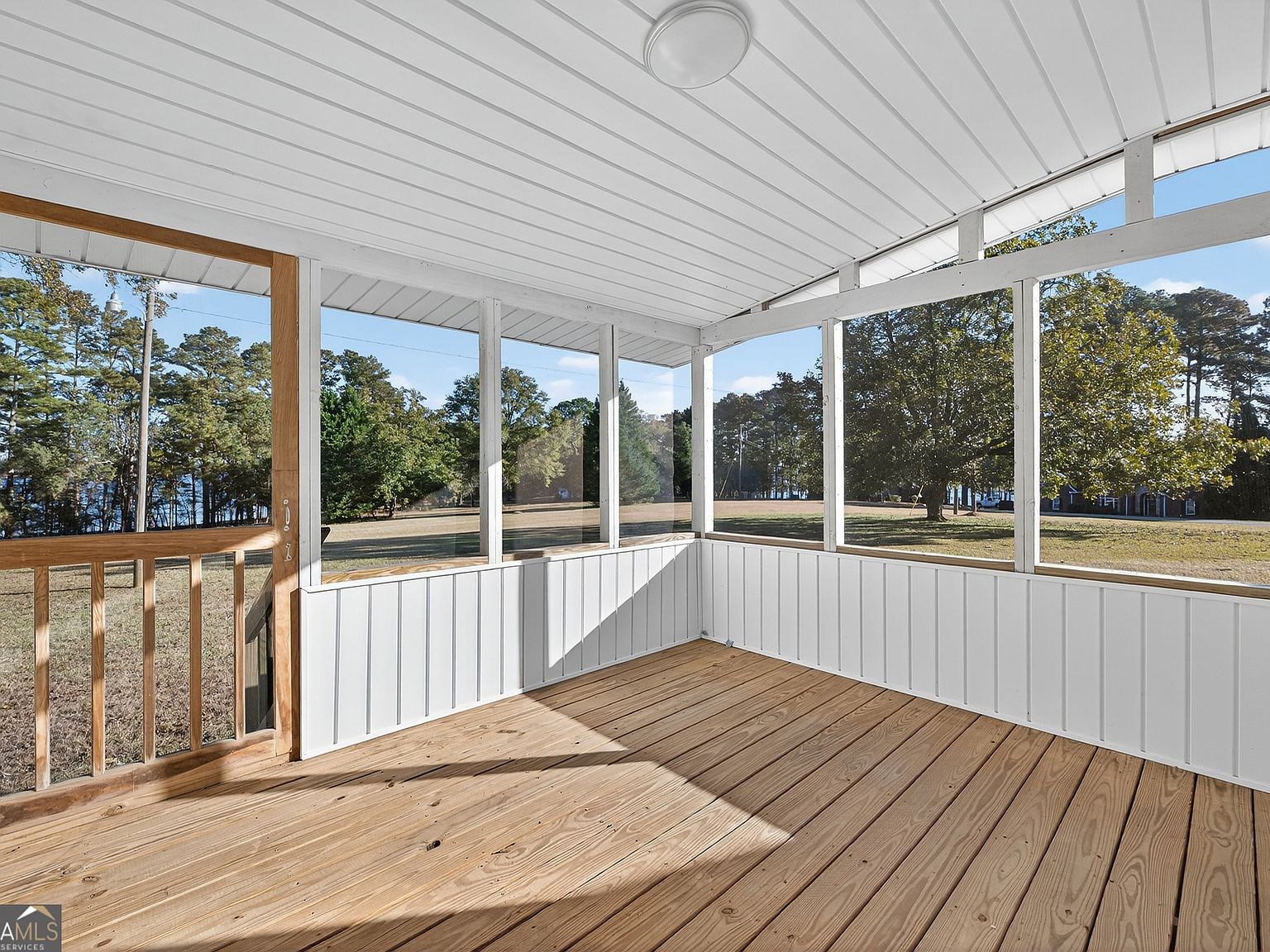
The family watched from the porch, which by midsummer had become a porch looking over water under construction. They had chosen to stay when neighbors were selling and moving off the land, and staying meant they would be the ones to see both worlds: the valley as it had been, and the lake as it was becoming. The decision had been made months earlier. What the winter of 1960 to 1961 gave them was the time to understand what the decision meant.
November 1961: the first Thanksgiving with the water rising
Thanksgiving 1961 was the first one the family kept with the water already there. The reservoir was still filling, not yet at full pool, but the valley was gone and the lake had arrived. The bottomland that had been the farm's low fields now lay under the new waterline, and the view from the porch had changed in a way no amount of talk had prepared anyone for. The family sat down to the same kind of table, the turkey and the sweet potatoes and the pies, but the meal had a new quality: it was the first Thanksgiving of the lake.
What is remarkable is how little else changed. The family was still on the high ground, the house was still standing, the pecan trees still held the yard, and the kitchen stove worked exactly as it had the year before. The land had lost its river and gained a lake, and the family that stayed discovered they had been given something the neighbors who left did not have: the memory of both worlds. They could point from the porch and say where the old channel had run, where the cane patch stood, where the swimming hole used to be. The water had taken the bottomland, but it could not take the knowledge of what had been there.
What the two tables share
Look at the two Thanksgivings side by side and the lesson of this land is plain. The food changed little, because the family grew and raised it the same way. The gathering stayed, because the family stayed. What changed was the setting, and the setting changed because the whole world around the high ground changed. A family that holds land across generations is really holding the answer to a question: when everything around you changes, do you change too, or do you stay and let the change become part of your story?
The family at Methodist Park Lane stayed, and that single decision is why 257 Methodist Park Lane exists as a lakefront property today. Had they sold in 1960 like so many others, the high ground would be one more subdivided shoreline. Instead, one family's choice to keep the land through the lake's arrival gave this property its rarest feature: continuity. The people who eat at the pavilion table now are the direct descendants of the people who ate at the farmhouse table in 1960, and they can tell you exactly where the old river used to run.
Thanksgiving 2026 on the high ground
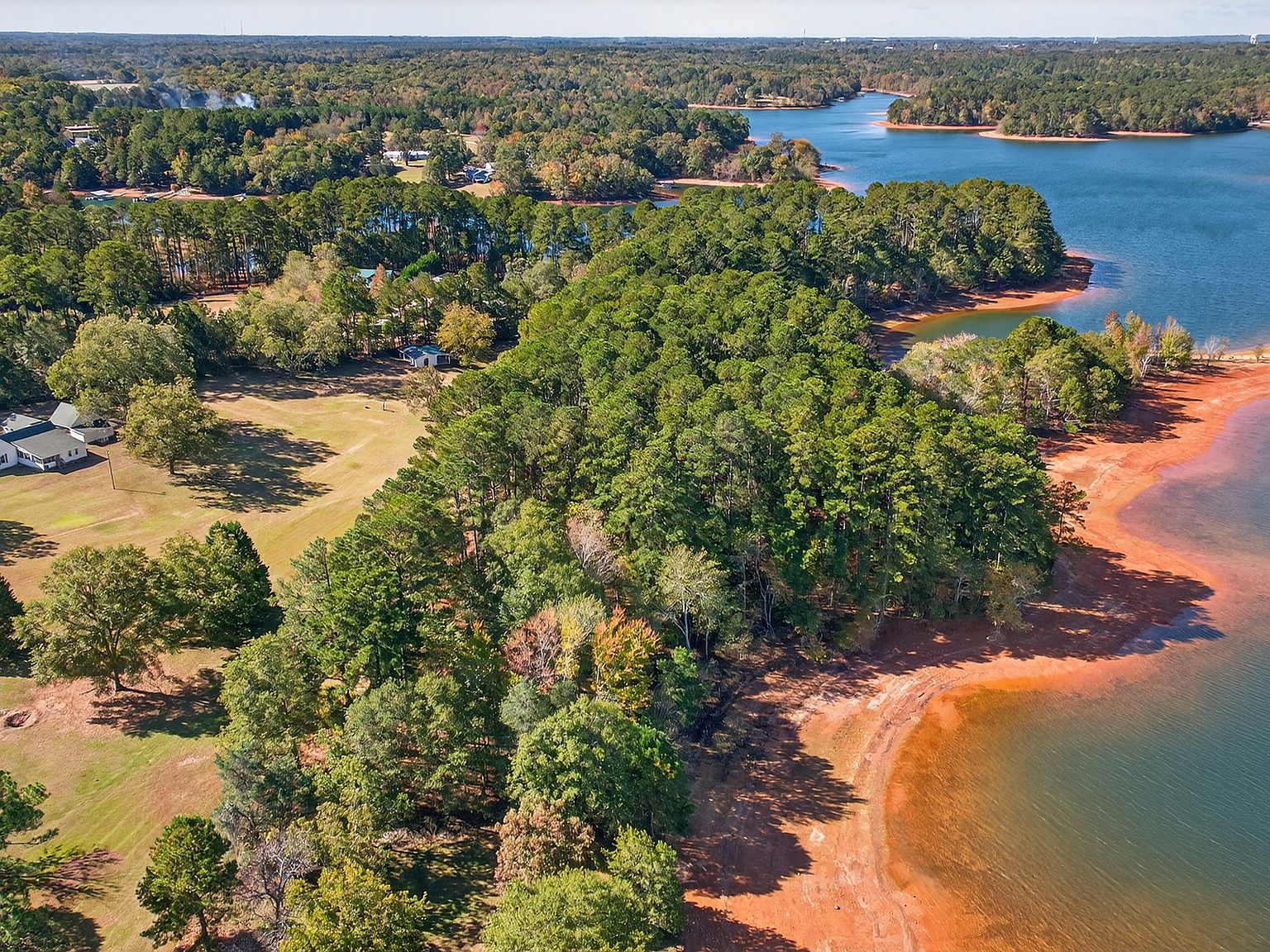
Thanksgiving 2026 falls on Thursday, November 26, and the week around it looks nothing like 1960 and everything like a lake town in its gathering season. Monday night, November 23, Hartwell lights its Christmas tree on the courthouse square, the same square this land has traded with since the 1870s. The lake reads about 647 feet, below the old full pool of 660 because of the Corps' saddle dike work, and the family on the high ground has watched low water before; the land itself never worries about the lake level.
At 257 Methodist Park Lane, the table has moved from the farmhouse kitchen to the lakeside pavilion, the covered structure with two full bathrooms that sits on the lawn looking over the water. That is where the 2026 gathering will happen, with the pecan trees still in the yard, the porch still facing the same view, and a family that can tell you the whole story from the 1960 table to this one. The setting kept changing. The land, and the habit of gathering on it, never did.