
Heritage
The winter the valley filled: thirteen months that turned a river valley into Lake Hartwell
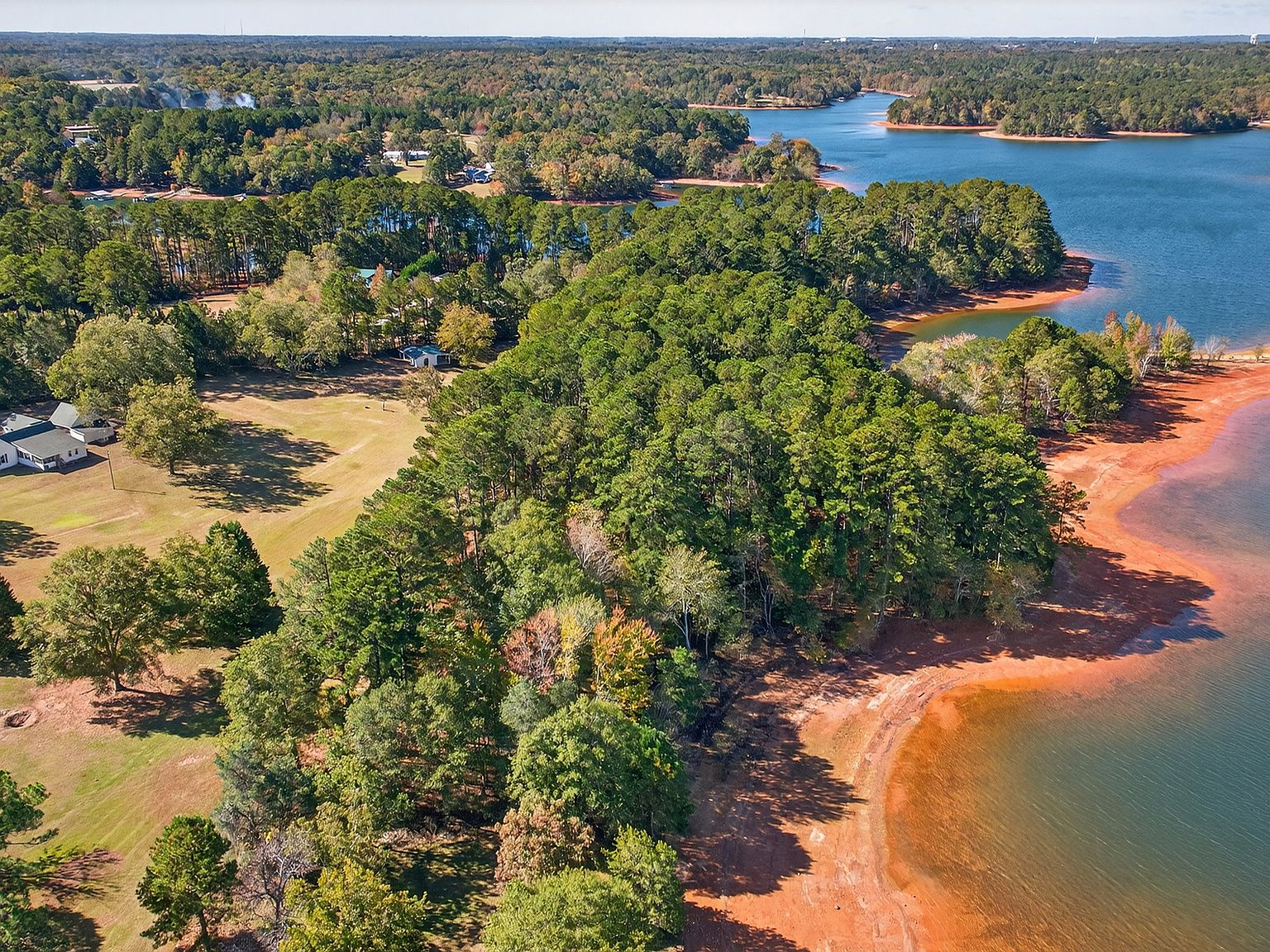
Most people picture Lake Hartwell as something that has always been here. It has not. The reservoir behind Hartwell Dam began to fill in February 1961 and reached full pool at 660 feet above sea level on March 12, 1962. For a little over a year, the people of the valley watched their world rise one slow foot at a time.
A project a decade in the making
The Flood Control Act of May 17, 1950 authorized Hartwell Dam as part of a comprehensive plan for the Savannah River Basin, joining a system of dams built for flood control, hydropower, and navigation. Work on the earth embankments began in 1955, and the dam itself was finished in 1959. By the time the first water was let into the reservoir basin in February 1961, the structure holding it back had been under construction for the better part of a decade.
What that meant for the families downstream was a long, drawn-out countdown. For years they had known the water was coming. Farms were bought or condemned in the inundation zone, homes were moved or abandoned, and the valley braced itself for what the engineers had promised.
The water began to rise
When the reservoir began filling, it did so gradually, over more than a year, until it reached full pool at 660 feet on March 12, 1962. The numbers that resulted are staggering even now. The finished lake covers nearly 56,000 acres and runs about 49 miles up the Tugaloo River and about 45 miles up the Seneca River, with roughly 962 miles of shoreline winding through the Georgia and South Carolina foothills.
Imagine watching that happen from your own porch. One winter the land beyond the pecan trees is still a river valley, the fields and fences and gravel roads you have known your whole life. The next spring, a cove has crept into the bottomland. By the following March, the water has reached full pool, and the valley you farmed is a lake.
The people the valley lost
The creation of Lake Hartwell displaced an entire landscape of rural life. Nearly two thousand families had to leave farms and homes in the reservoir footprint, and even family cemeteries were moved to higher ground. Most went quietly, selling and relocating as the government acquired the land. A few resisted. One documented story from 1956 tells of 78-year-old Eliza Brock and her daughter holding off government workers with a rifle on their 103-acre farm, refusing to leave a home they had spent a lifetime in before finally settling.
Those are the stories that get lost when we look at a lake today and see only recreation and beauty. Under the surface lies a generation's worth of memory, of farms, churches, roads, and families. The water did not erase that; it simply covers it, and the community has carried the remembering forward ever since.
The families who stayed
Not everyone had to leave. The Corps acquired the land it needed for the reservoir and its shoreline, but parcels on high enough ground to sit above the full-pool line survived. 257 Methodist Park Lane is one of them. Held by the same family since the 1800s, with a home that dates to 1873, the property was chosen well before anyone dreamed of a lake, on flat, elevated ground that happened to be exactly where you would want to be when the water rose.
That is the quiet miracle of this land. It was a working homestead for generations, then the valley below it became a lake, and the same ground that never flooded became waterfront. The family that stayed through the filling watched their river valley transform into one of the most desirable shorelines in the Southeast, without ever moving.
Full pool and the life it created
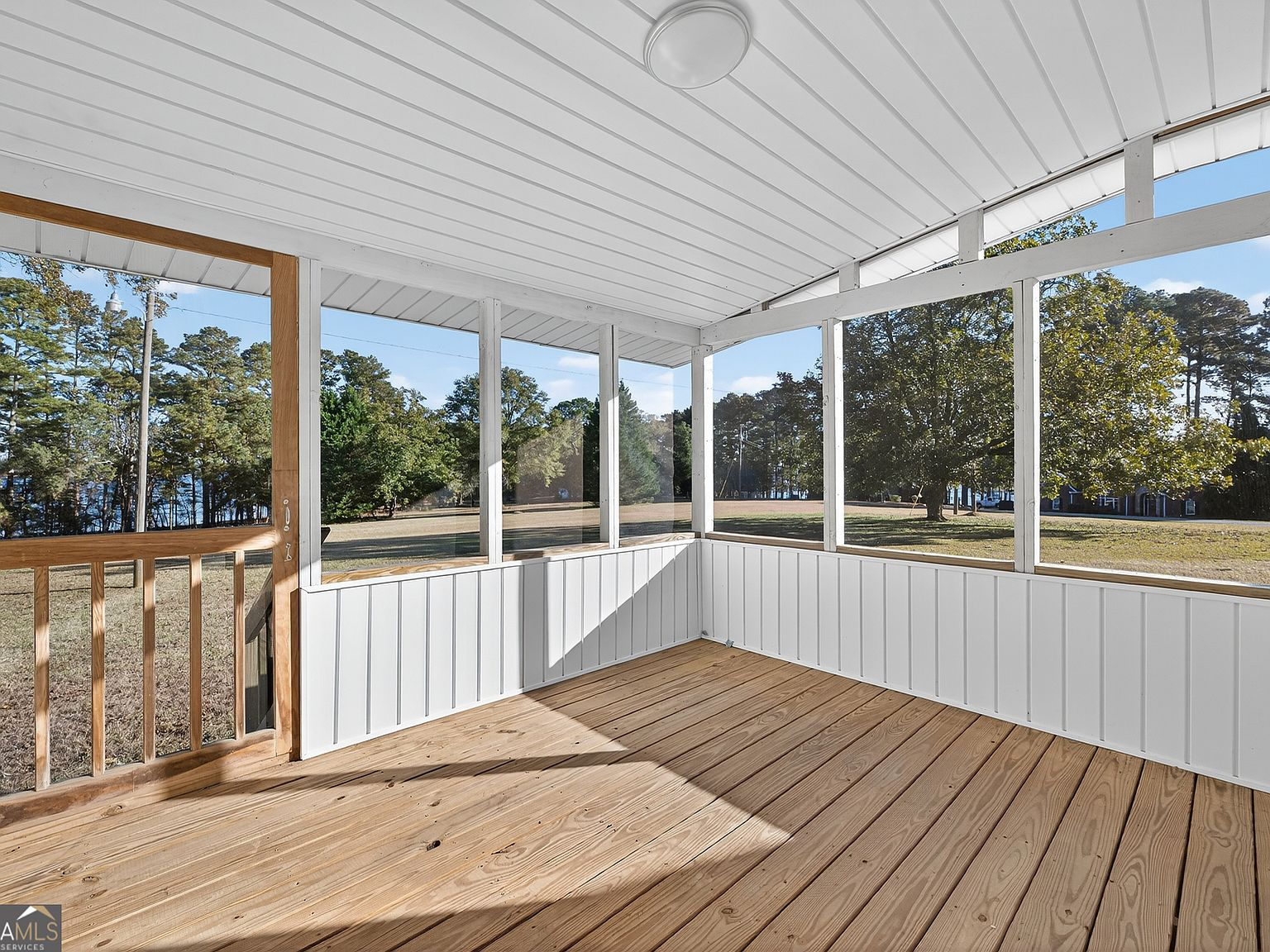
Today that land enjoys the full measure of what the winter of 1961 began. From the covered porch and the lakeside pavilion at 257 Methodist Park Lane, the water is right there, minutes from Elrod Ferry Landing and Methodist Park. Boating, fishing, and quiet afternoons on a cove are the everyday reality of a property whose roots reach back to a time before the lake existed at all.
To live here is to hold both halves of that story at once. The pecan trees are older than the lake. The foundation is older than the dam. And the water that fills the cove every year rose for the first time in a winter that has become, for a handful of families, the beginning of a new chapter on very old land.