
Heritage
Before the lake, after the lake: one land, six generations, and the seasons that connect them
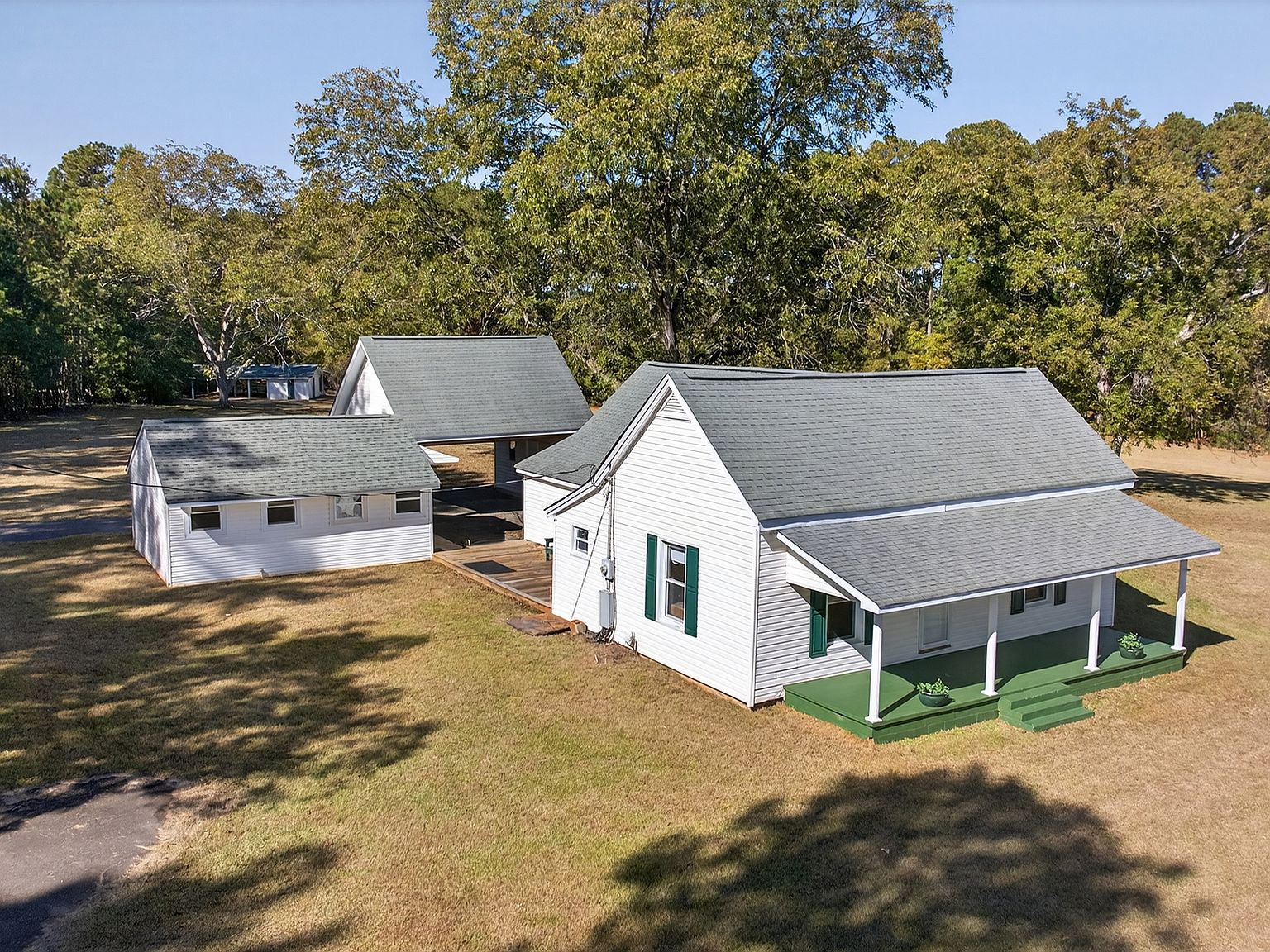
We have spent our careers helping families understand what it means to hold a property across the seasons of their lives, and we have moved enough times ourselves, sixteen relocations in all, to know how rare it is to hold one place at all. But 257 Methodist Park Lane holds something more: a single piece of land that has lived two completely different lives, and a family that kept it through the greatest transformation a Georgia valley has ever known. This is the story of one land, six generations, and the seasons that connect the farm before the lake to the estate after it.
The land before the lake
In 1873, when the home was built, there was no lake. There was the Savannah River below the rise, and there was flat, fertile ground above it. The family who chose this spot read the land carefully, the way the first generation on any good homestead must: they wanted ground that drained well, that sat high enough to be safe, that could grow what a family needed to live. They planted pecan trees that would not bear a full harvest for fifteen years, a choice that only makes sense if you intend to stay. They dug a well, worked a garden, and lived by the rhythm of planting and harvest on the river valley floor.
For more than eighty years, this was a working farm. Generations of children grew up on it, learned to read the sky and the seasons, and passed down the knowledge of the land the way the land itself passed it along. It was a life of self-sufficiency and seasonal work, tied to a river that provided food and transport but also, in flood years, reminded everyone who lived near it that water could be both gift and threat.
When the water came
Between 1955 and 1963, the U.S. Army Corps of Engineers dammed the Savannah River and created Lake Hartwell, one of the largest man-made lakes east of the Mississippi. Nearly 2,000 families in the reservoir area were displaced, roads and bridges and whole communities submerged, cemeteries relocated, and towns like Andersonville, South Carolina, buried beneath the water. The valley the family had farmed for generations disappeared under a rising reservoir that would eventually cover roughly 56,000 acres.
But one piece of land on a natural rise survived. The same choices the first generation made in 1873, the high ground, the stable soil, the careful sitting of the house, turned out to be the very reasons the property held when the water came. The family who had kept this land through every season now had to decide whether to leave like so many others, or to stay and watch their world transform. They stayed. And in staying, they carried the land, and its story, into a new era.
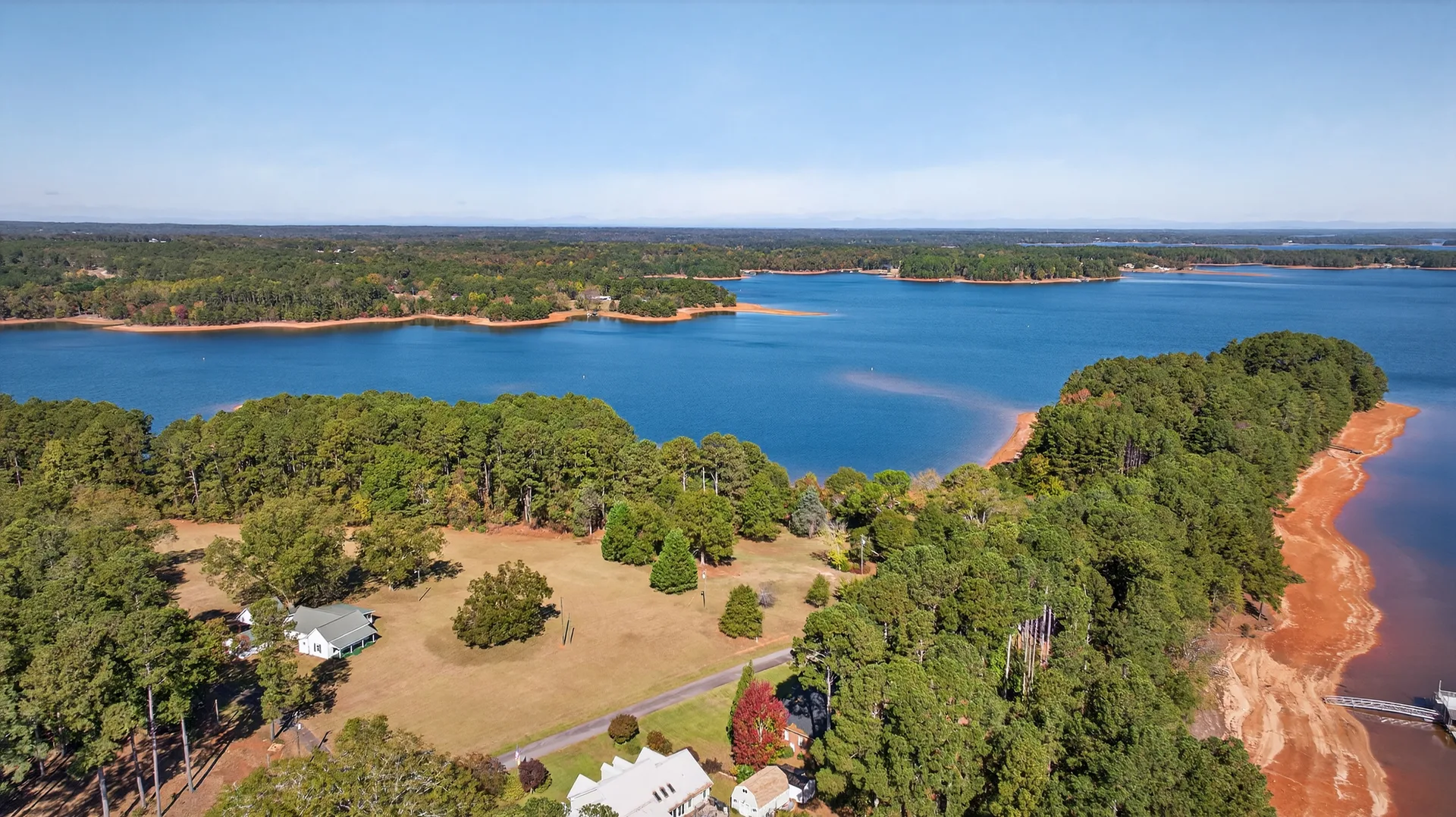
The land after the lake
Today, 257 Methodist Park Lane is a lakefront estate on 4.546 acres of flat, private land with coveted Georgia shoreline views. The pecan trees the first generation planted still stand and still produce. The 1873 home remains at the center, a 2-bedroom, 2.5-bath historic residence blending period character with the promise of transformation. And around it, the lifestyle has been reimagined for the lake: a lakeside pavilion with two full bathrooms, a covered porch, an open-air deck, and a spacious patio, all designed for the gatherings that have defined this land since the beginning.
The river that once carried floodwater and fish is now a 56,000-acre playground, minutes from Elrod Ferry Landing and Methodist Park. The farm that fed a family is now one of the last remaining large-acreage waterfront parcels on Lake Hartwell's Georgia Corps of Engineers shoreline. The same ground holds both memories, and both futures.
What continuity through change means
As a family that moved sixteen times, we know the value of a place that does not move. The land at 257 Methodist Park Lane is that rare thing: continuity made visible. It has been held since the 1800s, farmed before the dam, kept through the flood, and reimagined as an estate. The next owner steps into a story that has been running for a century and a half, with the freedom to write the next chapter, whether that means preserving the historic home as a private retreat or envisioning a legacy estate.
That is the gift of a property like this. You are not buying a house or a view, though you get both. You are becoming the latest in a line of stewards of one of the most storied parcels on Lake Hartwell, with the chance to carry it forward the way six generations before you did: carefully, proudly, and ready for whatever change comes next.