
Generations
Generations on this land
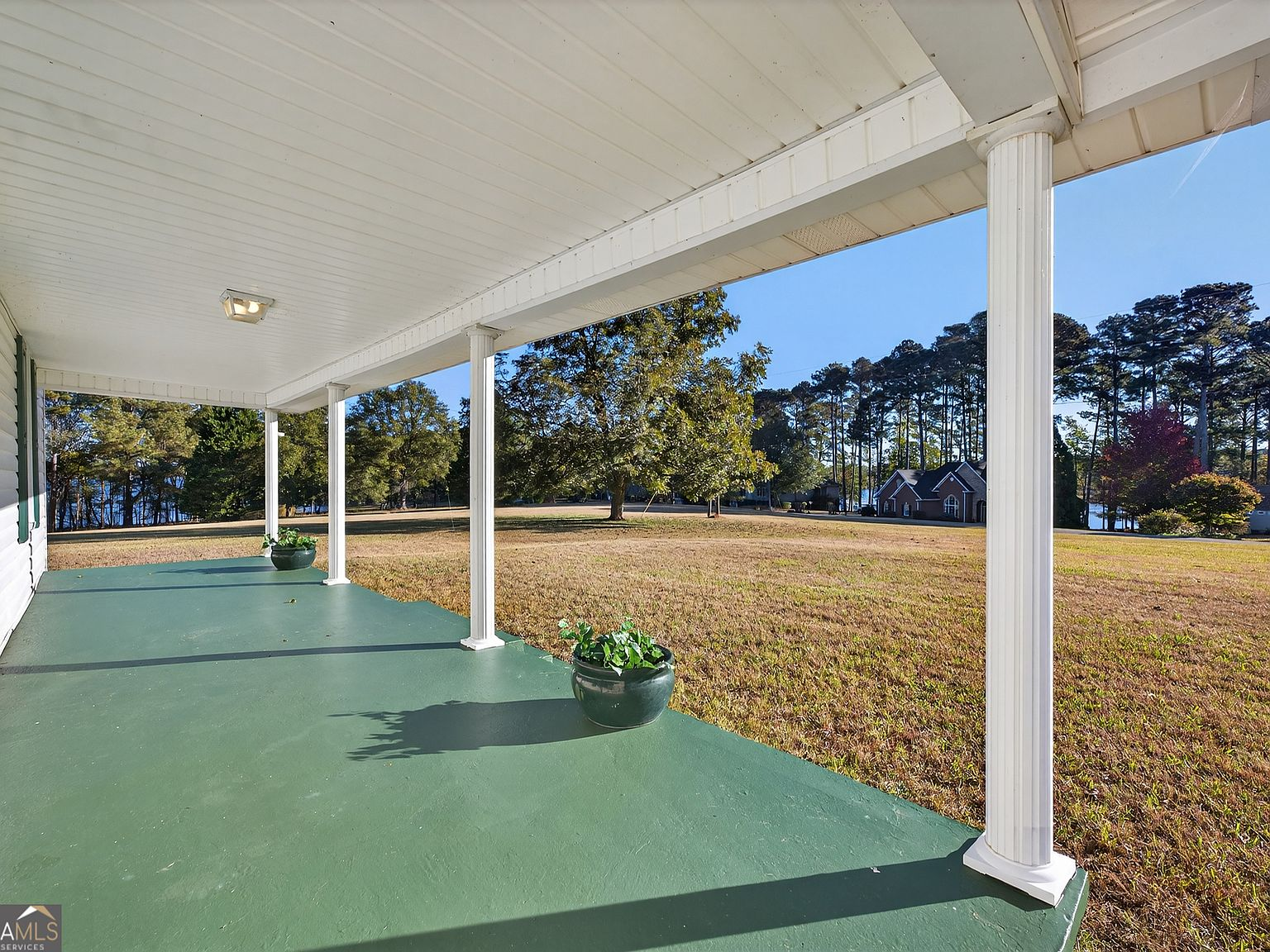
Most real estate transactions are about square footage, price per acre, and school districts. This one is about something harder to measure: what happens when a family holds a piece of land for over a century, and what it means to be the next person to take ownership.
The weight of a long-held property
In America, the average home changes hands every eight to twelve years. Most properties cycle through owners like rental cars — used, maintained to a standard, and passed along when the next need arises. A property that stays in one family for over 150 years is a different kind of thing entirely. It's not a transaction. It's a trust.
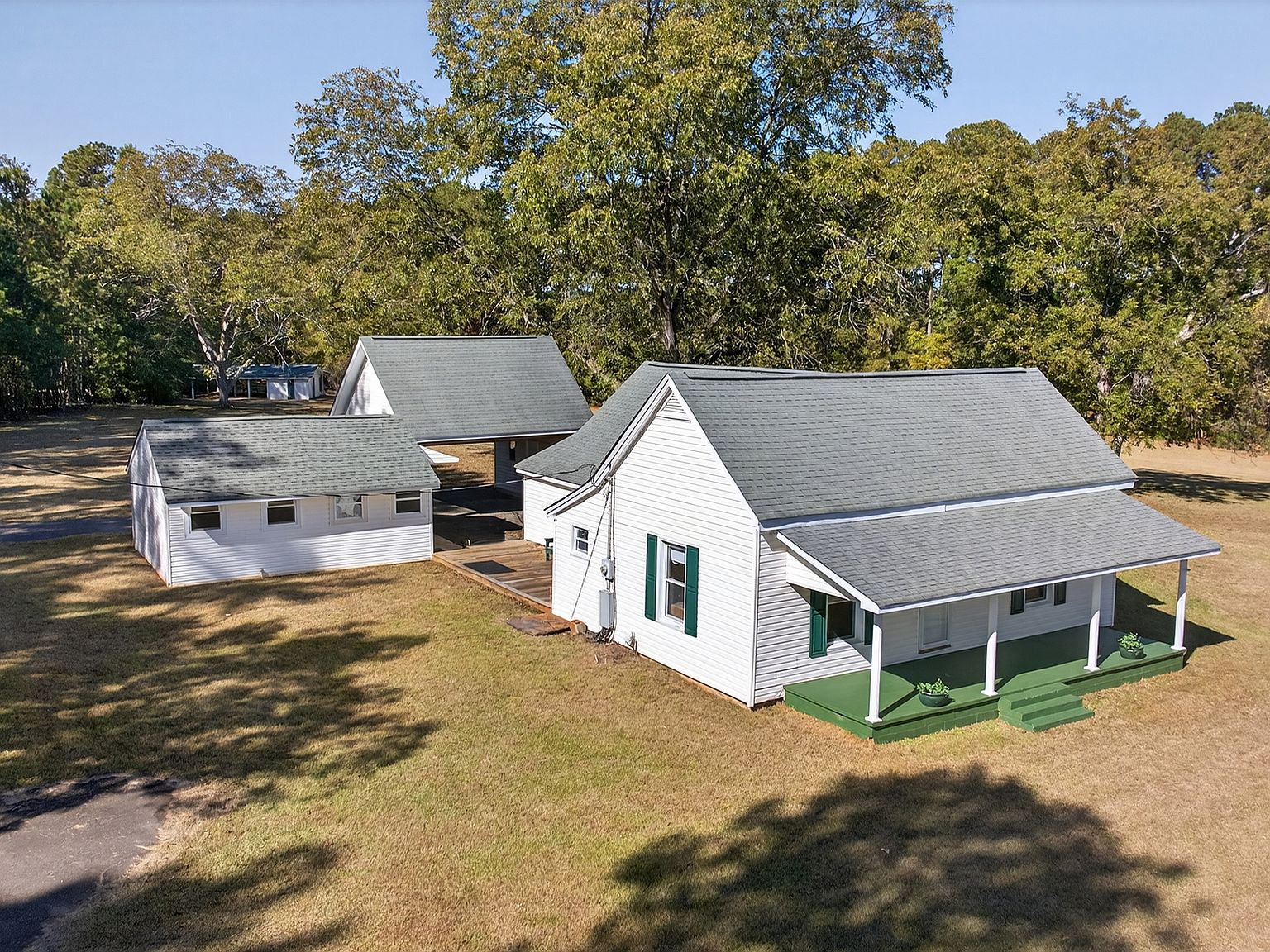
257 Methodist Park Lane has been held by the same family since the 1800s. The home was built in 1873, during Reconstruction, when families in the Georgia foothills were rebuilding after the Civil War with whatever materials were local and available. The pecan trees that shade the lawn weren't planted for aesthetics — they were planted for food, for shade, for the kind of long-term thinking that characterizes families who build on land they intend to keep.
That kind of continuity changes the way a property develops. There's no developer's profit motive driving additions. No speculator's timeline demanding fast renovations. Instead, there's the slower rhythm of a family responding to the land itself: a porch added when the children needed more room, a pavilion built when the lake arrived and outdoor entertaining became the way weekends were spent, a bathroom updated when the 19th-century plumbing finally made its case.
What families pass down
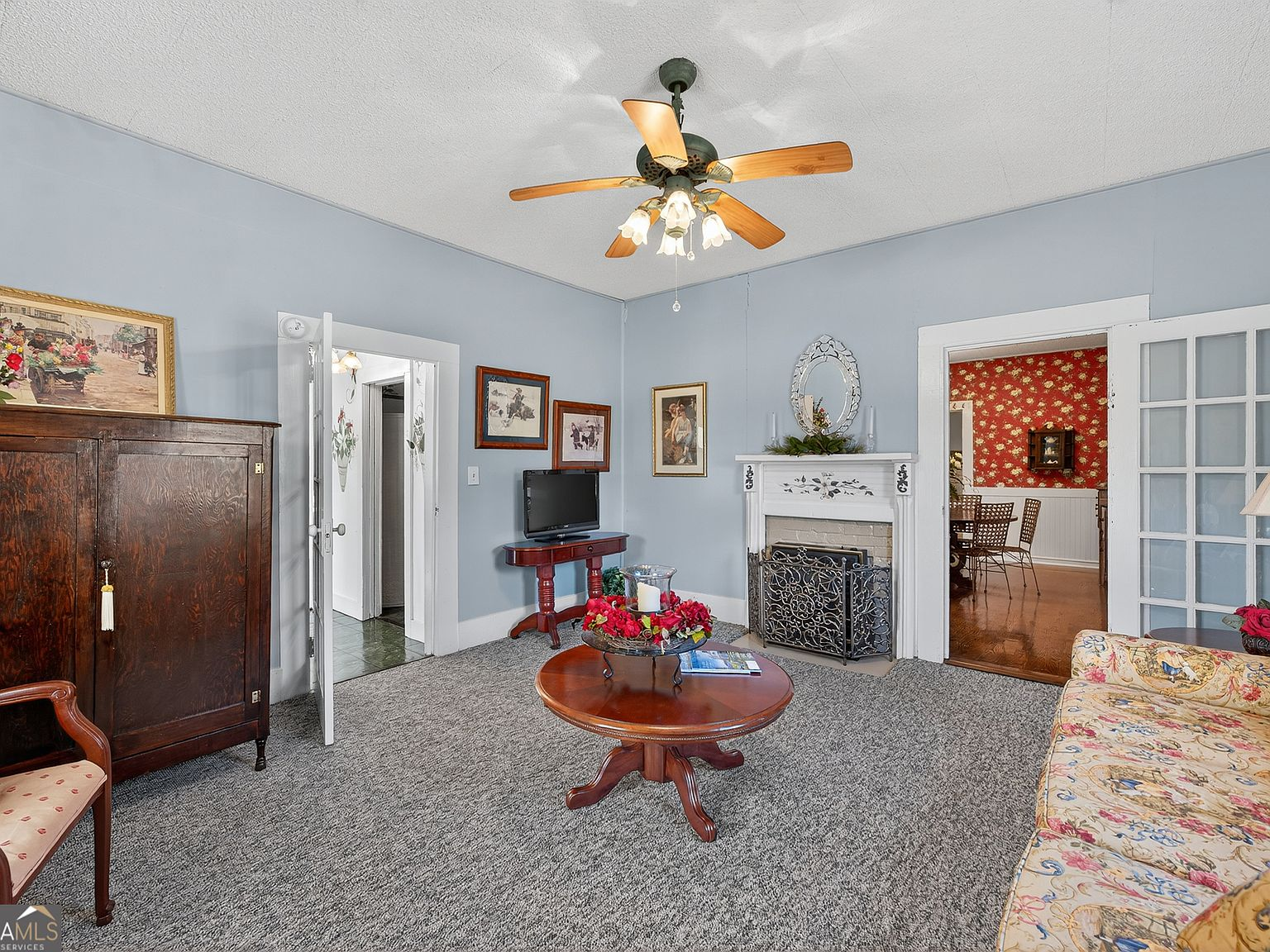
When a family holds a property for this long, what gets transmitted isn't just the deed. It's the knowledge of the land — which way the wind comes off the lake in November, where the pecans drop thickest, which bathroom pipe freezes first, how the fireplace draws on cold nights. That institutional memory is the real asset, and it's the thing that makes a long-held property feel more like a home than a listing.
The Petrenko Group has represented luxury properties across Lake Norman, Charlotte, and Lake Wylie for years. We understand the market for high-end waterfront. But 257 Methodist Park Lane isn't a market transaction. It's an invitation to step into a story that's been unfolding since the 1870s — and to decide what the next chapter looks like.
That decision carries weight. The home is a 2-bedroom, 2.5-bath residence — modest by today's luxury standards, but perfectly proportioned for a property where the real living happens outdoors. The covered porch, the screened back porch, the lakeside pavilion, the 4.546 acres of flat private land — these are the rooms that matter. The house is the anchor; the land is the life.
The privilege of being next
There's a particular kind of buyer who understands what a long-held property asks of them. It's not just a financial investment, though the scarcity of large-acreage parcels on Lake Hartwell's Georgia shoreline makes that case on its own. It's a custodial role. You become the person who keeps the pecan trees alive, who maintains the porch boards, who makes sure the pavilion is ready for the next generation of weekend gatherings.
In our experience advising families through major relocations — and we understand that complexity personally, having completed 16 moves during our own military careers — we know that the decision to acquire a legacy property is never purely rational. It's about what the place represents: stability, continuity, the idea that something can endure through change.
What you're really buying
You're not buying a house. You're buying 4.546 acres of flat, private lakefront land — one of the last remaining large parcels on Lake Hartwell's Georgia Corps of Engineers shoreline. You're buying a 153-year-old home with sound bones, historic character, and a setting that no builder can replicate. You're buying a lakeside pavilion with two full bathrooms, designed for the kind of entertaining that makes weekends matter.
And you're buying a story. The pecan trees, the covered porch, the view across the lawn to the lake — these are the physical expressions of a family that chose to stay, to maintain, and to pass along something worth keeping. The question for the next owner isn't whether the property is worth it. The question is whether you're ready to become part of a story that started in 1873.