
Heritage
Before the dam: the land that became Lake Hartwell
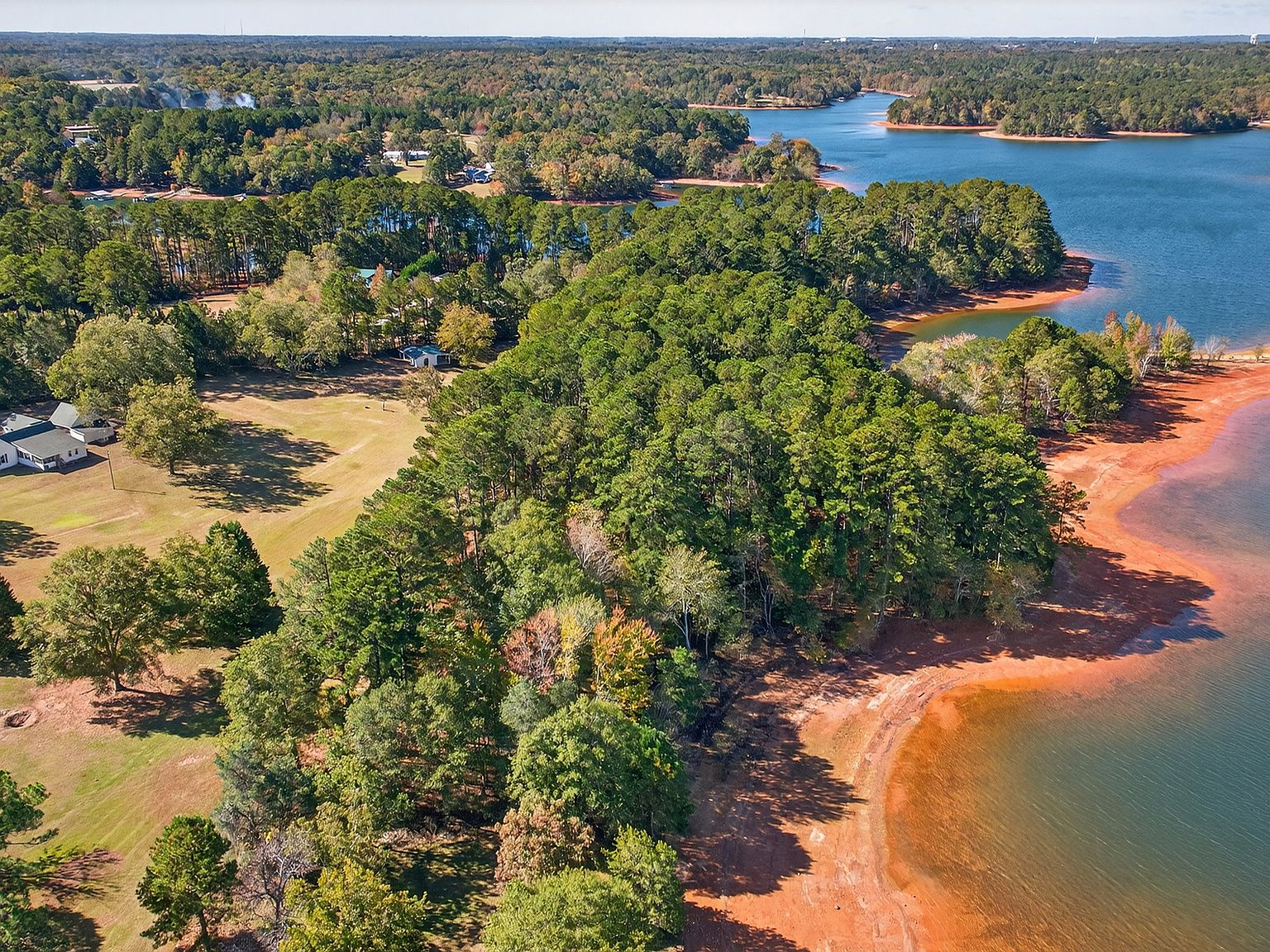
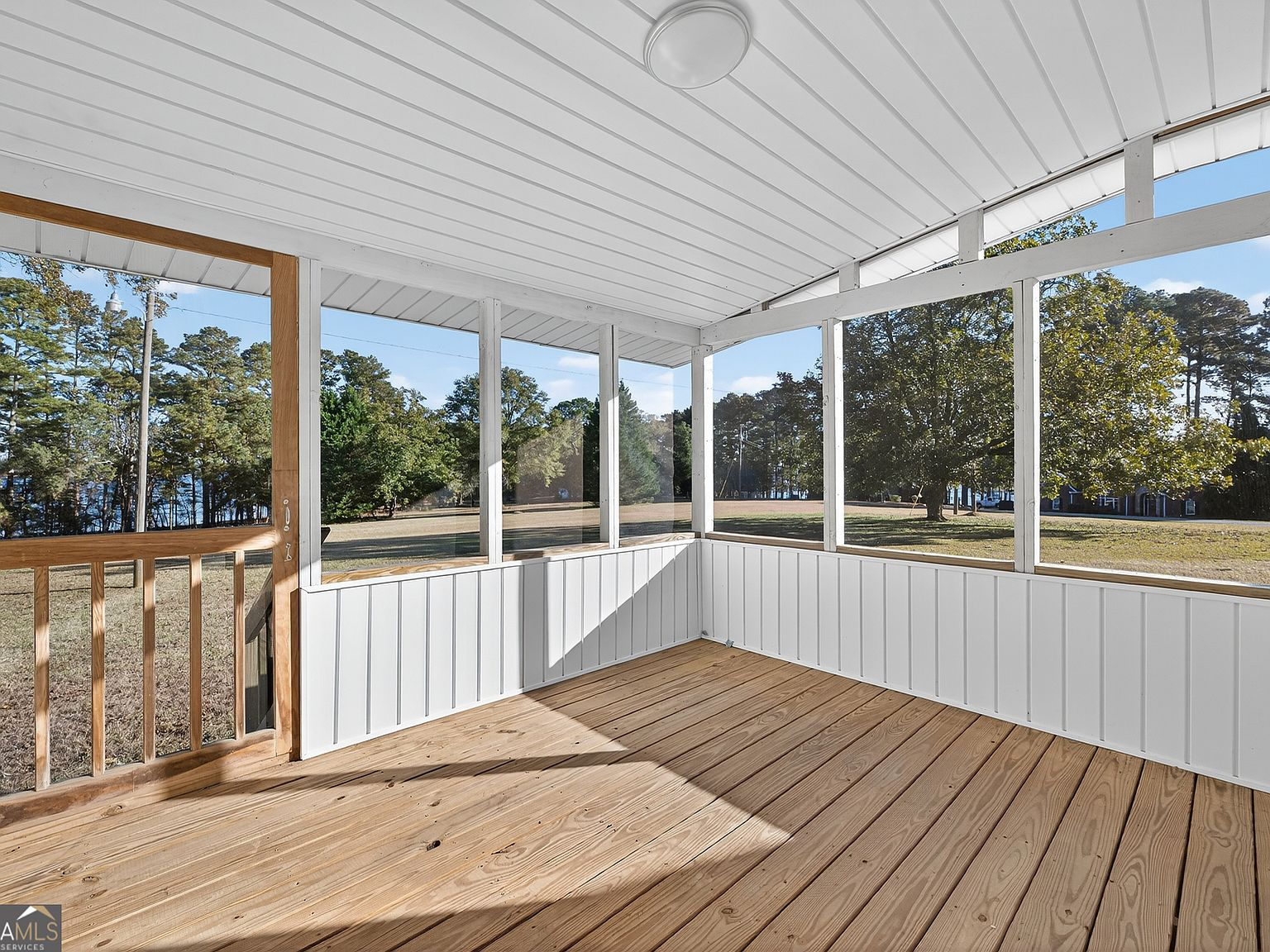
Stand on the covered porch at 257 Methodist Park Lane and look out across the lawn toward the water. What you see is beautiful — 56,000 acres of Lake Hartwell shimmering through the tree line. But what you're really looking at is a story that started long before the water came.
The valley before the water
Before the U.S. Army Corps of Engineers began construction in 1955, the land now covered by Lake Hartwell was a patchwork of farms, homesteads, and small communities threaded along the Savannah, Seneca, and Tugaloo Rivers. Families had lived in these river valleys for generations — growing crops on rich bottomland, raising livestock, and building the kind of deep community ties that only form when neighbors share the same roads, the same churches, and the same water source.
The Flood Control Act of 1950 authorized the dam project, promising flood protection for Augusta, Georgia, hydropower generation, and improved navigation. What it delivered was one of the largest man-made reservoirs in the Southeast — and what it took was an entire landscape of rural life.
Families were displaced. Homes, barns, bridges, and even family cemeteries were submerged. Some farmers lost their prime bottomland — the most productive soil in the valley. Others relocated to higher ground, watching as the water rose year by year between 1955 and 1963, covering the world they'd known.
What survived
Not every property on the lake was lost. The Corps acquired the land needed for the reservoir and its immediate surroundings, but parcels on higher ground — properties with enough elevation to sit above the full-pool line — survived. 257 Methodist Park Lane is one of them. Set on 4.546 acres of flat, private land, the property sits above the flood zone, close enough to the water to claim the lifestyle but high enough to have avoided the wrecking ball of federal infrastructure.
The home itself dates to 1873 — nearly a century before the dam was even authorized. It was built by a family who chose this spot for reasons that had nothing to do with a lake that didn't exist yet: the flat ground, the mature pecan trees, the gentle slope toward the river valley, the access to water and fertile soil. The same qualities that made it a good homestead in 1873 made it a surviving estate when the water came.
The family held the property. Through the displacement, through the rising water, through the transformation of their river valley into a reservoir, they stayed. This is one of the last remaining large-acreage parcels on Lake Hartwell's Georgia Corps of Engineers shoreline — not because of luck, but because someone chose to keep it.
What the water changed
The creation of Lake Hartwell in the early 1960s didn't just flood a valley — it rewired the identity of Hartwell, Georgia. The town, founded in 1854 and named after Revolutionary War heroine Nancy Hart, had been a quiet county seat built on agriculture and community. The lake turned it into a destination.
Boating, fishing, watersports, and weekend tourism became the economic engine. Marinas replaced general stores. Pontoon boats replaced mules. The rhythm of the town shifted from planting seasons to swimming seasons, from harvest festivals to Fourth of July fireworks over the water.
But beneath that transformation, the old Hartwell persisted. The multi-generational families, the church communities, the downtown grid that still looks like it did in 1900 — it's all still there. The lake added a layer, but it didn't erase what was underneath.
The land remembers
There's something different about a property that was here before the lake. A new construction home on Lake Hartwell is a home on a lake. 257 Methodist Park Lane is a home on the land that chose to become lakefront — a subtle but meaningful distinction. The pecan trees were planted for shade and food, not curb appeal. The flat lawn wasn't graded for a backyard; it was leveled for a working homestead. The porch was built to catch cross-breezes before anyone thought of air conditioning.
When you walk this property, you're walking on ground that has been continuously occupied since before the Civil War. The home has been expanded, updated, and maintained across six or seven generations. The lakeside pavilion is a modern addition, built to enjoy the water that arrived in the 1960s. But the bones — the foundation, the proportions, the orientation to the land and the breeze — those belong to the 1870s.
That layering of history is what makes this property rare. It's not a museum piece. It's a living home that has absorbed 153 years of change — from river valley to reservoir, from working farm to lakefront estate — and emerged with its character intact.
What it means today
Today, 257 Methodist Park Lane sits on one of the last remaining large-acreage waterfront parcels on Lake Hartwell's Georgia shoreline. The Corps of Engineers manages the shoreline, keeping it natural and undeveloped — wooded banks, clean water, the kind of cove where you can tie up a boat and not see another soul for an hour. Elrod Ferry Landing and Methodist Park are minutes away, providing easy access to the water.
The home is ready for its next chapter. The 1873 bones are sound, the setting is irreplaceable, and the opportunity is to carry this story forward — to be the generation that takes a property with 150 years of history and gives it 150 more.
We spend a lot of time at The Petrenko Group helping clients find the right property. This one is different. This one asks you to become part of a story that started long before you arrived. And for the right buyer, that's not a burden — it's the whole point.