
Generations
Coming home to the high ground: what returning to 257 Methodist Park Lane has meant in every generation
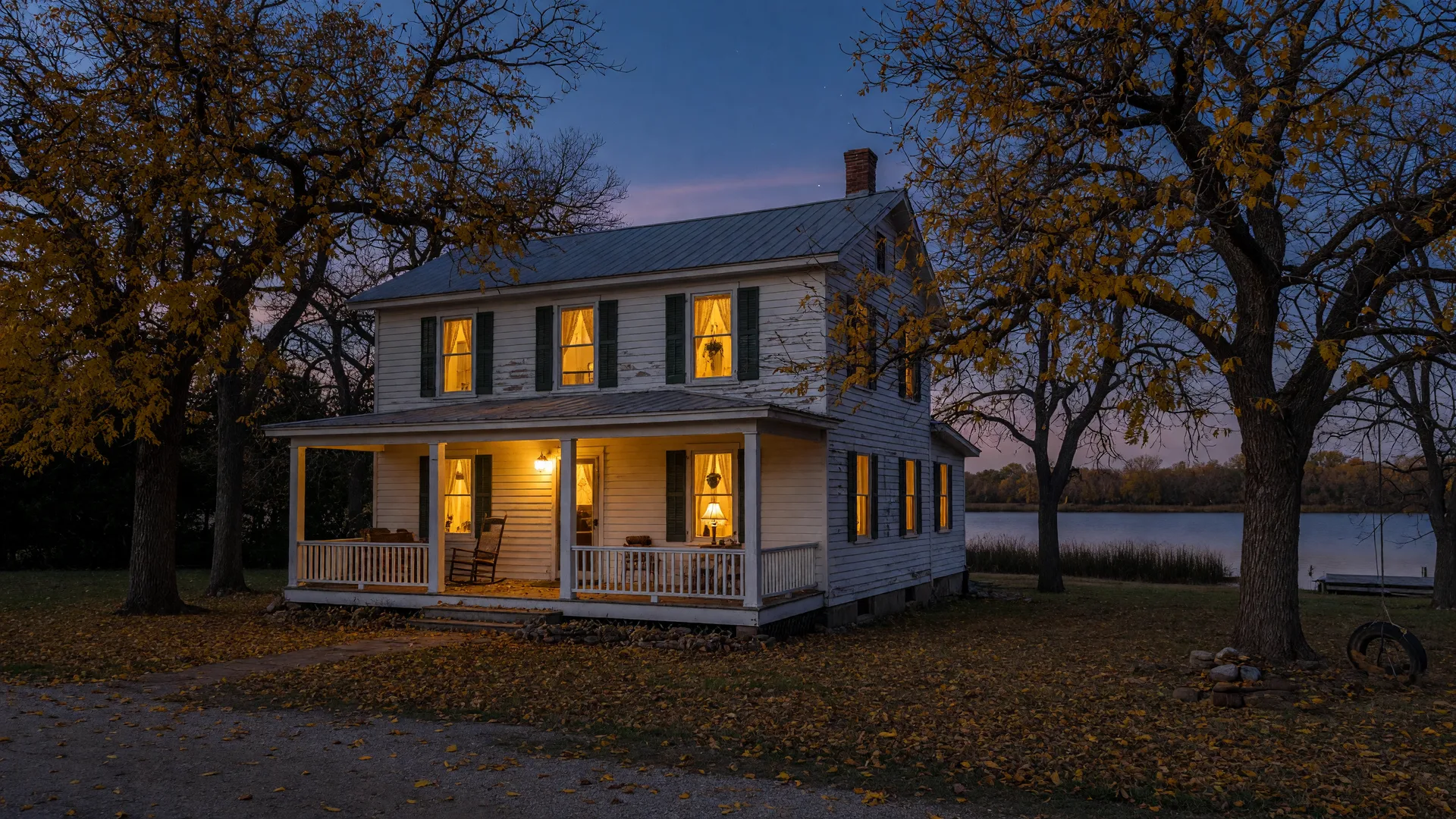
Coming home is the oldest habit on this land. For 153 years, the family at 257 Methodist Park Lane has returned to the same high ground: to the farmhouse built in 1873, to the porch that faces the same direction it always has, and to the flat acres that sat above the river before the dam and above the lake after it. This fall, as Hartwell fills its calendar with the season's gatherings, the estate is available for the first time in generations, and the next family to come home to it has not arrived yet.
The first homecomings: the 1870s and the river below
The first family to build on this land came home to a new farmhouse in 1873, on high, flat ground above the Savannah River. Their coming home meant returning from the fields at dusk, washing at the well, and sitting on the porch while the river ran below them in the valley. The land they chose was not the richest in the bottomland; it was the ground that would never flood, the ground that would stay dry no matter what the river did.
That first porch was where the habit began. A porch is a place designed for returning, for the sound of someone walking up the lane, for the long evenings when the day's work was done. The family that built it could not have imagined what the valley would become, but they built the one thing that would carry through every change: a home on high ground, with a place to sit and watch the world arrive.
The generations who came back by wagon and by car
Over the decades that followed, coming home changed with the times. Children grew up on this land and left for town, for school, for work, and they came back by wagon, then by early automobile, down the lane that still carried the name of the Methodist church that had stood near it since 1854. The pecan trees the first generation planted grew into the mature grove that still shades the yard, and the harvest each fall was a reason to gather, a reason to come home.
The church bells carried across the fields on Sunday mornings. Family reunions filled the yard. Every generation learned the same lesson the first one had: this land was worth coming back to, and the porch was where you knew you had arrived.

The homecoming that changed everything: the 1960s
The homecoming that changed everything came in the 1960s. When the family returned to find the valley filling with the new reservoir, the river they had known all their lives was becoming Lake Hartwell. The water rose through 1961 and reached full pool in March 1962, and it stopped at the foot of their high ground, exactly where the first generation had planned for it to stop.
That generation came home to a different land and the same home. The porch still faced the same direction, but now what it looked out on was water instead of river bottom. The flat acres that had been chosen to stay dry were suddenly waterfront, and the family that had never meant to live on a lake found itself with one of the last large-acreage parcels on the Georgia shoreline. Coming home had always meant the same place; now it meant a place no one else had.
Coming home today: the fall of 2026
Coming home on Lake Hartwell in 2026 looks like this: the High Cotton Blues Jam gathering the town every Saturday through December 19, the tree lighting on the square on November 23, the Hart County Christmas Parade rolling through downtown on December 13. It looks like the estate's covered porch, its lakeside pavilion with two full bathrooms, and four and a half flat acres ready for a gathering of any size. The season between summer and Christmas is when families come home to the lake, and this land has been the destination for that instinct for 153 years.
For the first time in living memory, the next family to come home to 257 Methodist Park Lane has not been born into it. The estate is available, held by one family since 1873 and now ready for the next generation to make its own. The porch light is on, the pecan trees are heavy, and the water is at the foot of the high ground. Whoever comes home to it next will be joining a habit that has been kept on this land for a century and a half, and starting the newest chapter of the oldest story in the valley.