
Heritage
Letters to the water: what 153 years of family life might have written
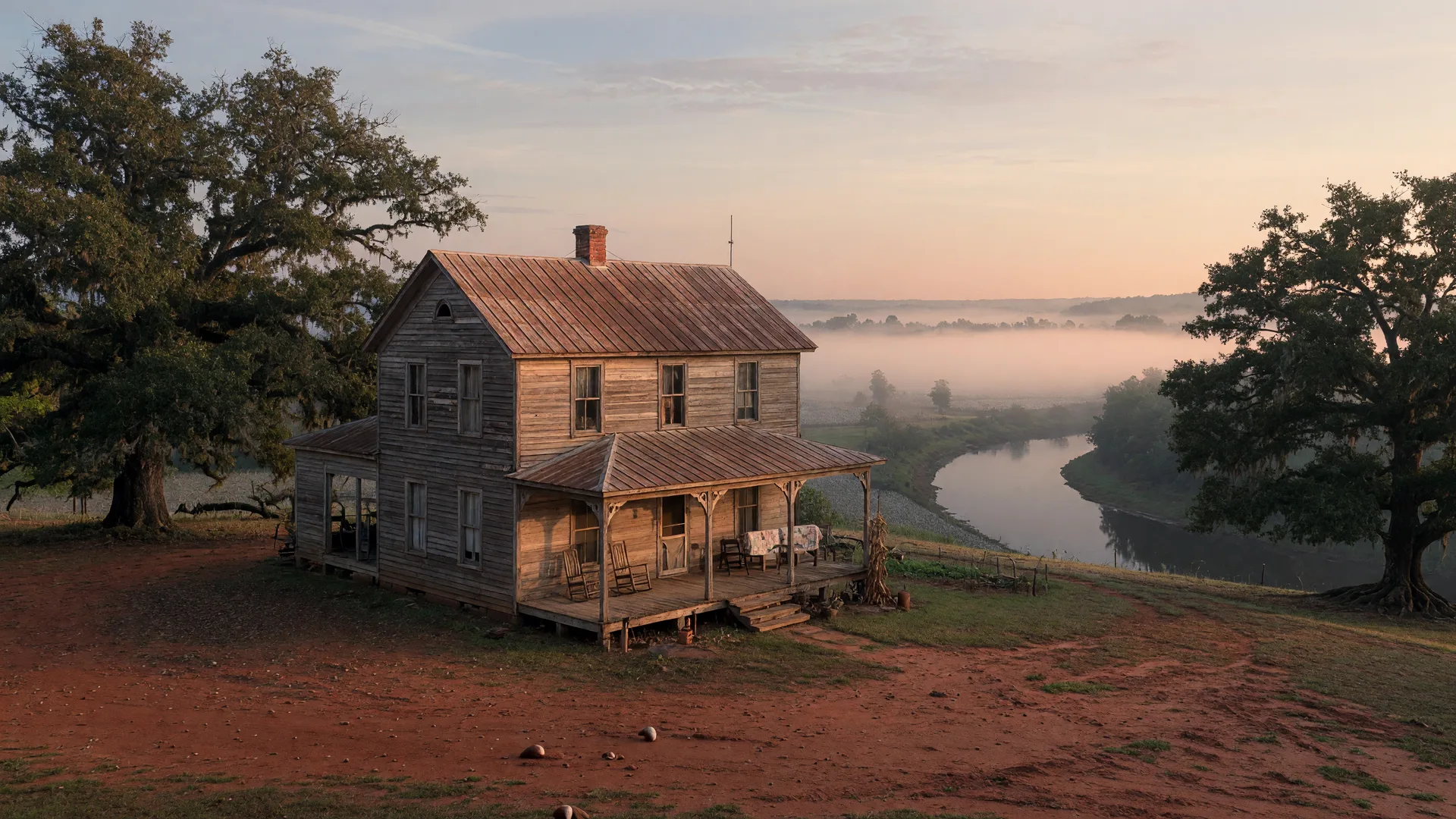
We have spent our careers helping families hold on to the places that matter, and no property has asked us to think harder about what "holding on" means than 257 Methodist Park Lane. This land has been lived on since 1873, first as a working homestead above the Savannah River, then as a lakefront estate when the dam filled the valley in the early 1960s. No letters survive from those generations, so we wrote the ones we imagine they might have written, to the water that has shaped every one of them.
From the first generation, 1873
"To the water: we chose this high ground on purpose. The bottomland floods, but this rise stays dry, and from this porch we can watch the river bend without fearing it. We have dug a well, set pecan saplings in the yard, and raised walls that face the valley. Some day our children's children will sit on this same porch and wonder at the trees we planted. We hope they still know how to read the sky the way the river taught us."
That is the beginning of the story: a family that understood water well enough to place itself above it. The choice of elevation, made on the day the farmhouse was framed, is the single decision that carried this land through everything that followed.
From the generation that watched the valley fill, 1961
"To the water: you have come to us in a way our grandparents could never have imagined. They told us to hold the high ground, and we held it. Now the river valley we grew up in is slowly becoming a lake, rising week by week toward our shore. Neighbors are moving their homes and their dead to higher land, and we have watched it with a heavy heart. But our feet stay planted, because the land told us to stay. We do not know what you will look like when you finish rising, but we mean to be here to find out."
The winter the valley filled, between February 1961 and March 1962, the water climbed toward full pool at 660 feet and the family at 257 Methodist Park Lane held on. Nearly two thousand families moved off the bottomland; this one stayed. That act of staying is what turned a farm into the rarest kind of estate, a piece of lakefront held by the same family across the transformation itself.
From the generation that learned to love the lake
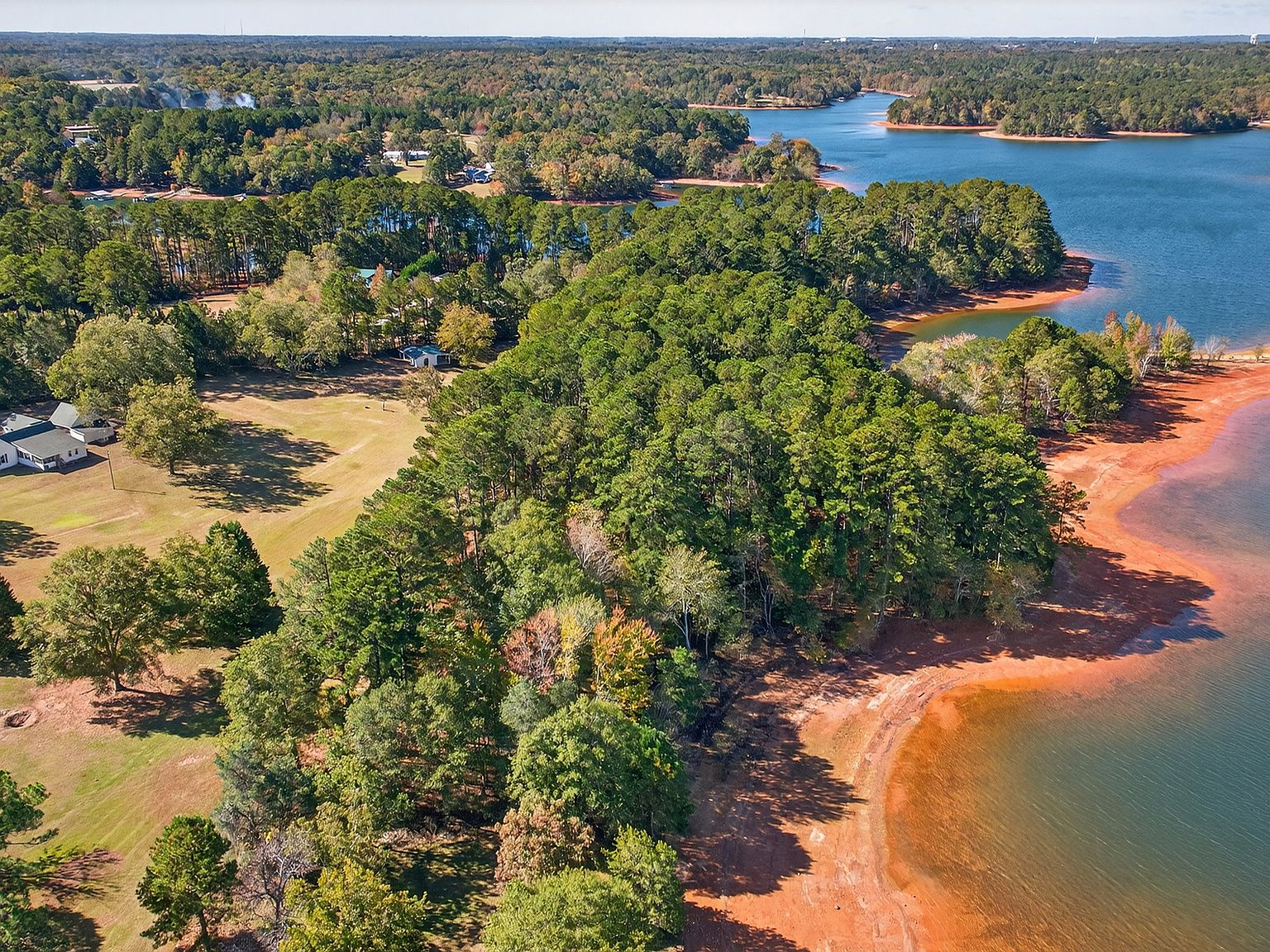
"To the water: you stopped being a river we managed and became a lake we lived on. We swim off the shore, tie up at the dock, and hold Sunday suppers under the pavilion while the boats drift past. The pecan trees our great-grandparents planted shade the whole lawn, and we have raised a new generation who will never know the valley the way we did, but who love this place as much as anyone ever has. We are glad the family held the high ground, because we get the best of both: the memory of the land, and the joy of the lake."
That is where the story stands today. The 1873 farmhouse, the mature pecan grove, the covered porch facing the water, and the lakeside pavilion with its two full bathrooms all sit on the same flat, high, private acres. It is a property built to be loved in two different worlds at once, and it has been loved that way for a century and a half.
To the family that will write the next letter
For the first time in living memory, 257 Methodist Park Lane is available to a new family. Whoever comes next will sit on that same porch and look out over the water, the latest in a long line of people who chose to live on this high ground. They will inherit the pecan trees, the history, and a way of life that reaches back to a time before the dam.
We wrote these letters because we believe a property like this is not really a house at all. It is an ongoing conversation with the water, one generation passing the words to the next. The only question is who will be kind enough, and brave enough, to write the next page.