
Generations
One November, four generations: the same month on the same 4.546 acres, from 1873 to 2026
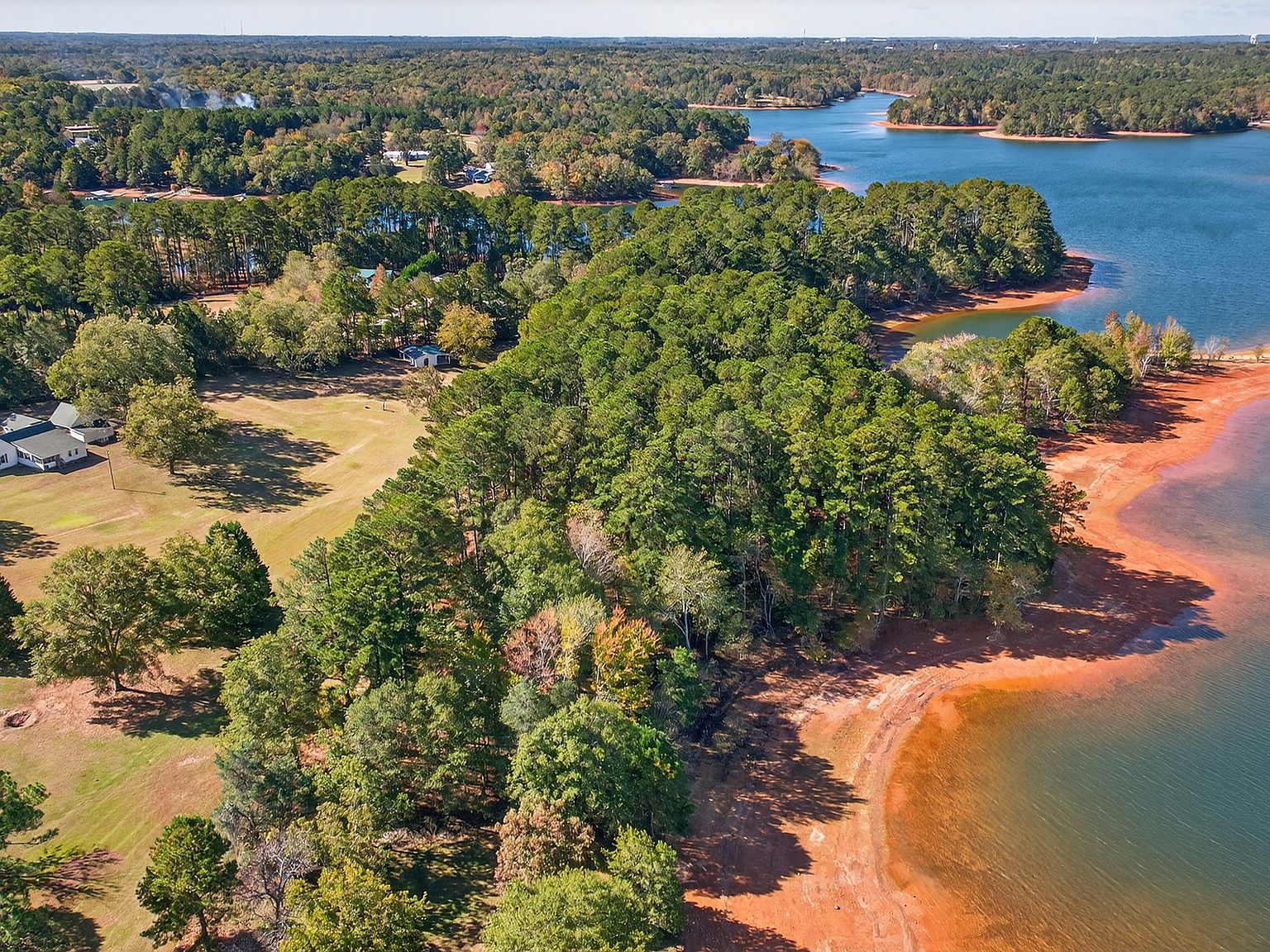
Pick one month and follow it across a century and a half. November on the land at 257 Methodist Park Lane has been a harvest month, a farm month, a month of watching a lake arrive, and a month of gathering beside it. The ground is the same 4.546 flat acres. The month does the same work every year: it closes the growing season and opens the gathering one. What changes is everything around the edges, and the edges have changed more in the last seventy years than in the eighty before them.
November 1873: the first autumn in the farmhouse
The house was new, or nearly so, in the fall of 1873, and the first November on this land was a month of firsts: the first harvest out of ground the family had chosen for its flatness and its workable soil, the first winter wood stacked against the porch, the first Thanksgiving kept in rooms that still smelled of fresh lumber and lime wash. The pecan trees along the edge of the yard were young then, planted or left standing for the same reason everything on a working place was kept: shade in summer, nuts in fall, and nothing wasted.
Below the high ground, the river valley ran down toward the Savannah, and the road out to the county seat was dirt. November was the month the farm settled in: corn shelled and stored, the last cotton picked and ginned, the hogs fattened and the butchering done before the hard freezes. The family at the farmhouse did not know they were the first of many. They knew they had good ground, a sound house, and a winter to get ready for, which was the whole of the work and most of the comfort of November in 1873.
November 1926: the working farm at its peak
Half a century on, the farm was the center of its own small world. Hart County in 1926 was a farm county, with thousands of working places threaded along the river valleys, and this high ground was one of the good ones: flat enough to work, high enough to stay dry, close enough to the river to be green through the summer. The pecan trees were full grown by then, and the November harvest of the grove was real income, nuts gathered, dried, and sold or bartered in town.
A November day in 1926 moved to the same rhythm as 1873: cane to grind, syrup to boil, a hog or two to butcher before Thanksgiving, wood to haul, and the long quiet of the fields after the last harvest. The house had been added to and repaired, the porch was the room the family actually lived in through the warm parts of the year, and the dirt road out front carried the wagon to the crossroads. No one on the high ground in 1926 had any reason to imagine a lake. The valley below was a farm, a river, and a way of life as settled as the seasons.
November 1962: the first November with a lake
Between those settled Novembers and the next one, the valley changed more than it had in all the years before. Congress authorized Hartwell Dam in May 1950, the Corps began construction in 1955, the gates closed in February 1961, and the reservoir reached its full pool in March 1962, with the powerhouse sending its first commercial power in April of the same year. By November 1962, the water had been at the edge of the high ground for eight months, and the family that had farmed this land since 1873 was living through the first autumn of their lives with a lake below the lawn.
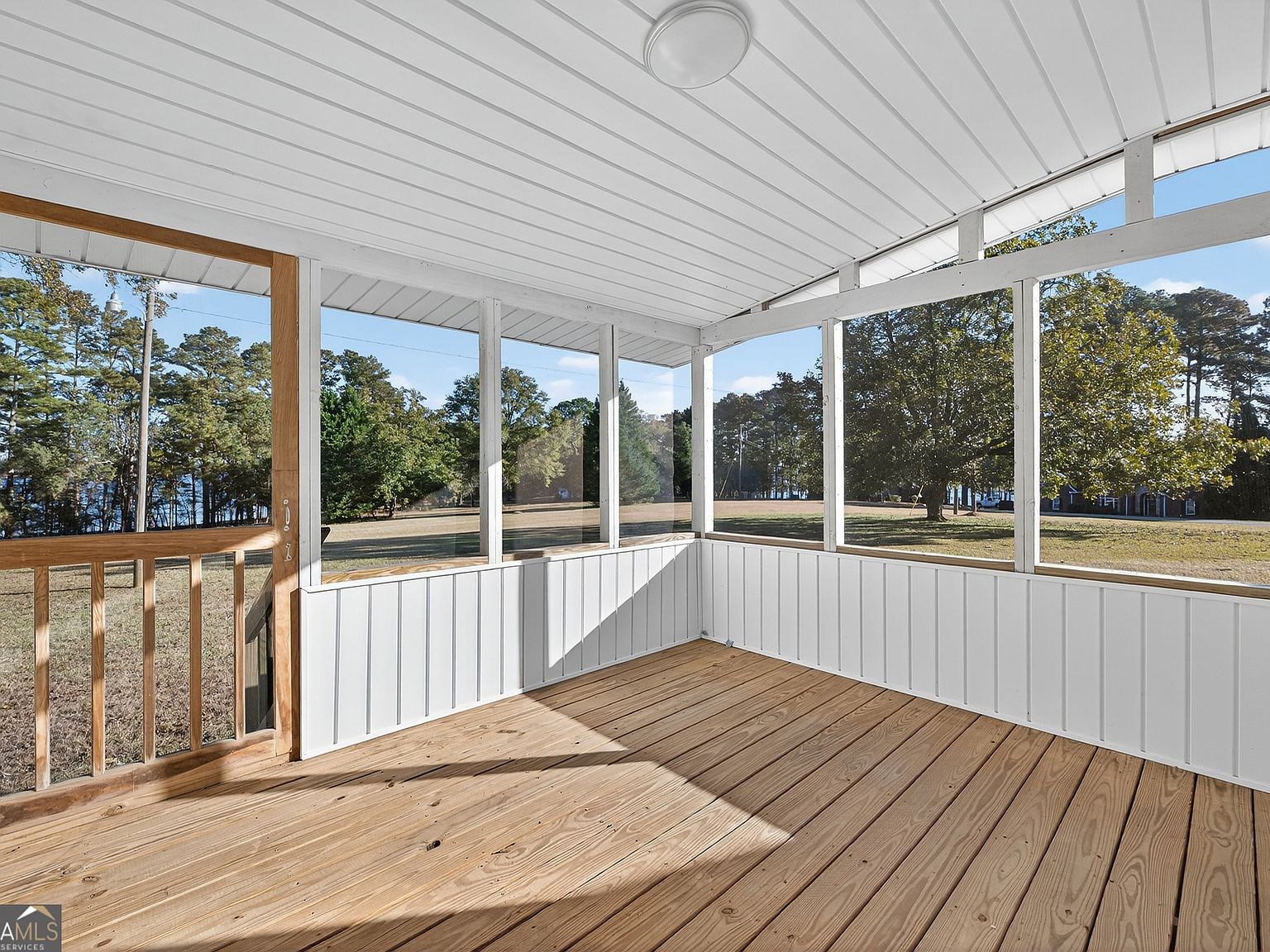
November 1962 was disorienting and ordinary at once. The pecan harvest came in as it always had. Wood was cut and stacked. The farmhouse kept its porch and its fires. But the view from the high ground had changed forever: where the bottomland farms had been, there was open water, and where the river had run, boats moved on the weekends. The family did not have to decide whether to stay; they had already decided, through every year of the wait. They kept the flat acres above the new waterline, and the first lake November taught them what the next sixty Novembers would be: a farm month that had become a lake month, with all the old work still underneath it.
November 2026: the gathering season on the high ground
The November that is happening now, on the same ground, is the quiet season of a lake estate. The pecans are in, gathered from under the same trees the first family planted or kept. The lake is low by design, reading in the mid-640s as the Corps holds the winter pool while it plans the saddle dike fix, and the shoreline below the lawn shows the red-clay bench the old valley left behind. The pavilion beside the water has hosted the year's last gatherings, and the porch is still the best room in the house on a clear 50-degree afternoon.
Around the high ground, the town keeps the same calendar the month has always kept: the tree lighting on the square on November 23, the first cut trees of the season, the light display at Railroad Street Park from Thanksgiving through January 2, and Shop Small Saturday after the holiday. The family that holds this land is now the one offering it forward, for the first time in generations. The November work of 2026 is the work of handing the month itself to the next steward: the porch, the pecan trees, the pavilion, the 153 years of Novembers underneath it all.
What the four Novembers share
Strip away the harvest, the farm, the lake, and the lights, and the four Novembers are the same month: the month this land closes its year and turns toward home. In 1873 the work was putting food by. In 1926 it was the same work at a bigger scale. In 1962 it was learning to live with water where the fields had been. In 2026 it is a gathering season on the high ground, kept by a family that has never once had to leave. That is the quiet inheritance of a property like this one: not just the land, but the proof that a family can live through the greatest transformation a valley has ever known and keep the same month, the same trees, and the same high ground through all of it.