
Community
Save Lake Hartwell: the petition, the September 23 meeting, and the two years ahead
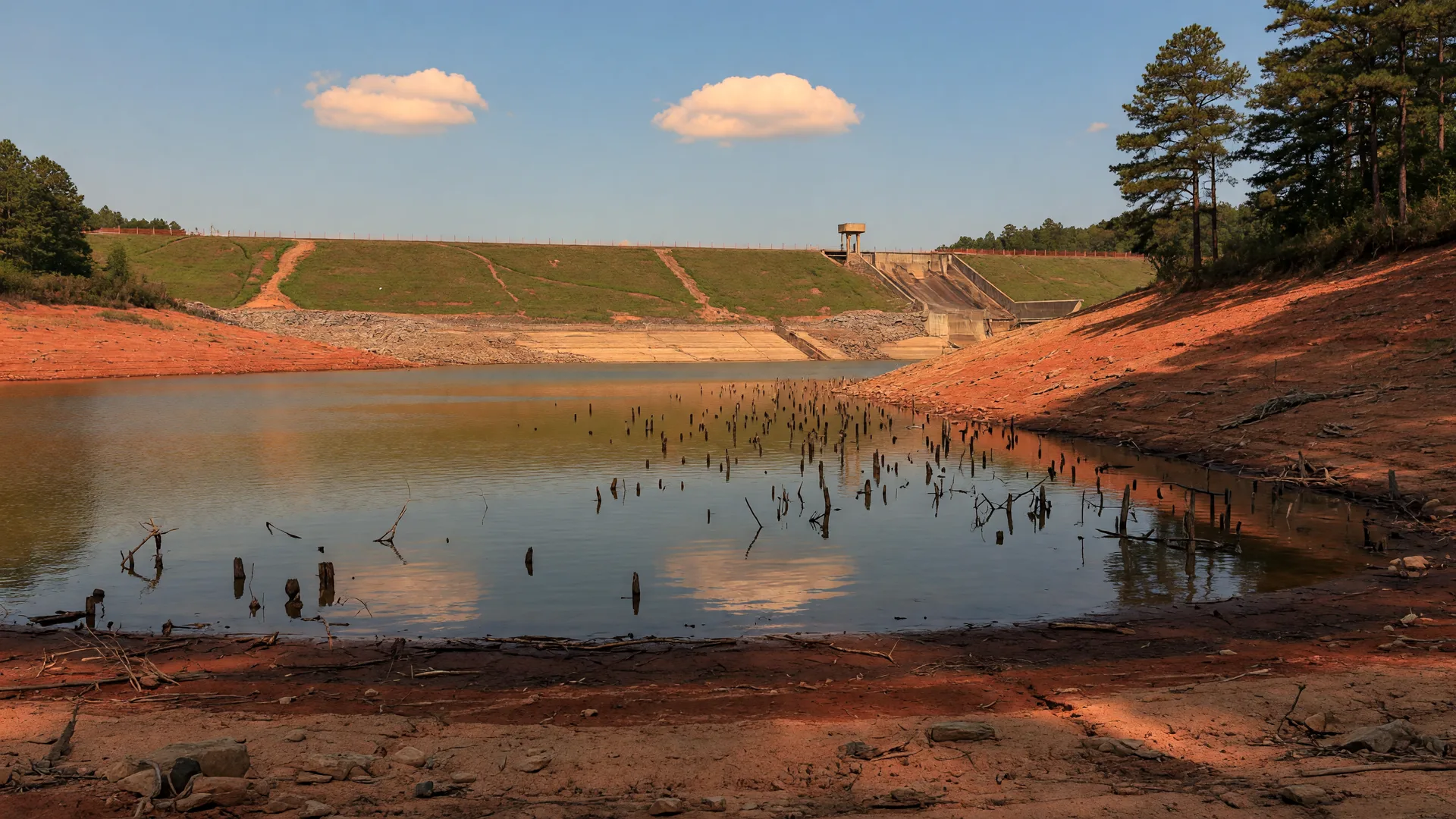
On the last Wednesday of September, Hartwell did what it has always done with its water: gathered to talk about it. The Corps of Engineers held its first public meeting on the Lake Hartwell lake-level restriction on September 23, 2026, three weeks after announcing that the lake will be held to a normal operating ceiling of 656 feet MSL year-round while engineers design a fix for seepage at the Clemson Lower Diversion Dam Saddle Dike. Between the announcement and the meeting, a volunteer petition called Save Lake Hartwell began circulating. A lake town, again, found its voice.
What changed on August 26
The restriction comes out of an engineering problem, not a policy choice. The Corps of Engineers, Savannah District, identified a seepage deterioration path at the Clemson Lower Diversion Dam Saddle Dike, part of the Hartwell project upstream near Clemson, that poses flood risks. Data from Hurricane Helene showed the issue worsening, and the Corps decided the safest course is to hold the reservoir four feet below its 660-foot full pool, year-round, until a long-term engineering solution can be designed and built. The Corps has said a Dam Safety Modification Study could take up to two years, with design, funding, and construction to follow beyond that.
The announcement landed on August 26 and produced an immediate ripple across the lake community. The Lake Hartwell Association's coverage of the announcement laid out the timeline plainly, and Clemson University confirmed the seepage has had no impact on its operations. The Corps also set up a dedicated Hartwell Lake Level Restrictions page to hold the notices, meeting materials, and updates in one place, which is worth bookmarking for anyone who wants the authoritative record rather than speculation.
The numbers, read from the porch
September made the restriction visible. The reservoir has been running well below even the new target: readings through mid-to-late September came in near 649.7 feet, roughly ten feet under full pool and more than six feet under the 656-foot operating ceiling. Drought is doing some of that work, with the basin under Level 2 drought conditions, and the restriction is doing the rest. The two pressures together have exposed wide shelves of red-clay bank, moved the usable waterline farther from the docks, and given every launch on the lake a new set of shallows to read.
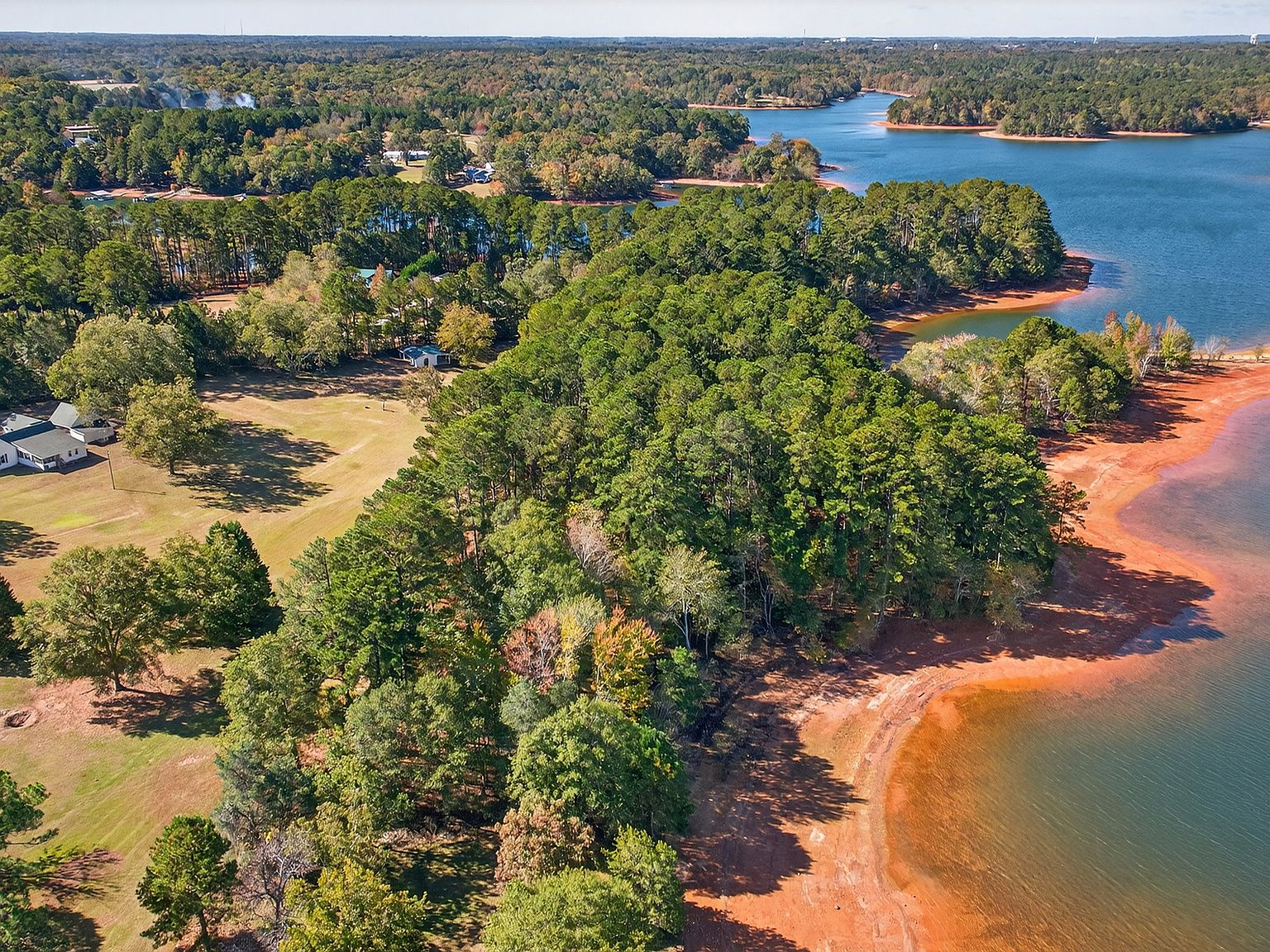
From the flat high ground at 257 Methodist Park Lane, the numbers read the way they always have. This property was chosen in 1873 precisely because it sat above the river and above the flood line, on flat, private land that would never be reached by the rising reservoir. Six generations later, the same elevation argument applies to the restriction: docks across the lake may sit higher and drier than their owners would like during the two-year study window, but the estate's broad flat acres and its shoreline position were never dependent on a full pool to function. The low-water season is a season, not a verdict.
The petition and the months between meetings
Within about two weeks of the announcement, a Change.org petition calling to save Lake Hartwell began collecting signatures, and coverage in area outlets reflected the worry spreading through marinas, neighborhoods, and civic groups. Between the September 23 public meeting and whatever comes next, the petition has become the community's clearest shared message: that the years of restricted pool levels should move faster, that the engineering answer should be funded and built, and that the impact of a multi-year low pool on a lake that draws millions of visitors deserves a public conversation, not just a notice.
The September 23 meeting was the first chapter of that conversation. Virtual and open to the public, it gave residents a direct line to the Corps on the timeline, the data, and the options. It will not be the last chapter. The Corps has teed up a long process, and the lake community's part of the bargain, the part that has always worked in Hartwell, is to stay organized, stay informed, and keep the water in front of the decision-makers until the fix is real.
A two-year horizon, on land built for it
A two-year study window sounds long, and in the life of a reservoir it is not. This lake took from 1955 to 1962 to build, from 1961 to 1962 to fill, and generations to become the center of the community it is today. The families who held this ground through the dam's construction, through the filling, and through every drought since were not strangers to waiting. What they knew, and what held, was that high, flat, well-drained ground carries its own value regardless of the pool level. That is the asset at 257 Methodist Park Lane today, and it is the reason a property like this holds its meaning through the engineering seasons that come and go.
The lake will be back at 660, or at whatever the engineers determine is safe, in time. Between now and then, the community gathers, the petition circulates, the meetings happen, and life on the water adapts. On this land it will adapt the way it always has: from the porch, from the pavilion, from the flat lawn that has hosted six generations of gatherings, watching the water, patient as the lake itself.