
Lake life
Reading the lake: what September 2026's water levels mean for life at 257 Methodist Park Lane
Locals along Lake Hartwell check the gauge the way other people check the weather. It is one number, updated daily, and from it you can read the entire season: whether the docks at the Corps parks will reach the water, whether the coves hold their boats, whether the tournament anglers can run the creeks, and whether the summer will end high and slow or low and fast. In September 2026 that number has been telling a story worth reading for anyone who thinks about buying, or living on, the Georgia shore.
What the September numbers actually say
Full pool on Lake Hartwell is 660 feet above sea level. On September 5, 2026, the daily level reading at the dam showed about 650.65 feet, roughly 9.4 feet below full. Through 2026 the lake has been running near that range, about eight feet below its normal operating guide curve, as northeast Georgia has spent the year under elevated drought conditions that the Corps has described as a level two dry spell. In practical terms, the lake is low, not alarmingly low, and the shape of that low water has been entirely legible from the air and the shore since midsummer.
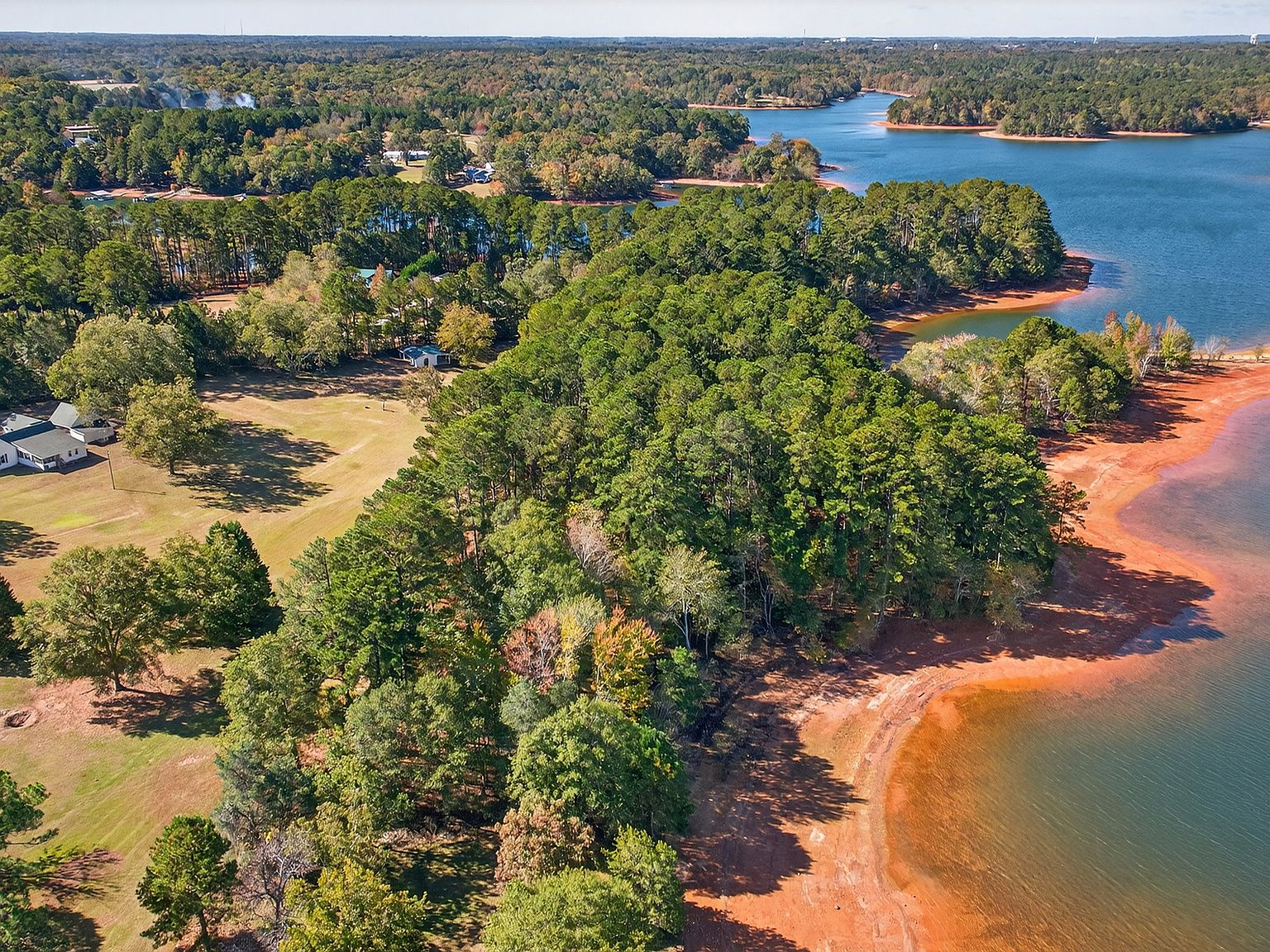
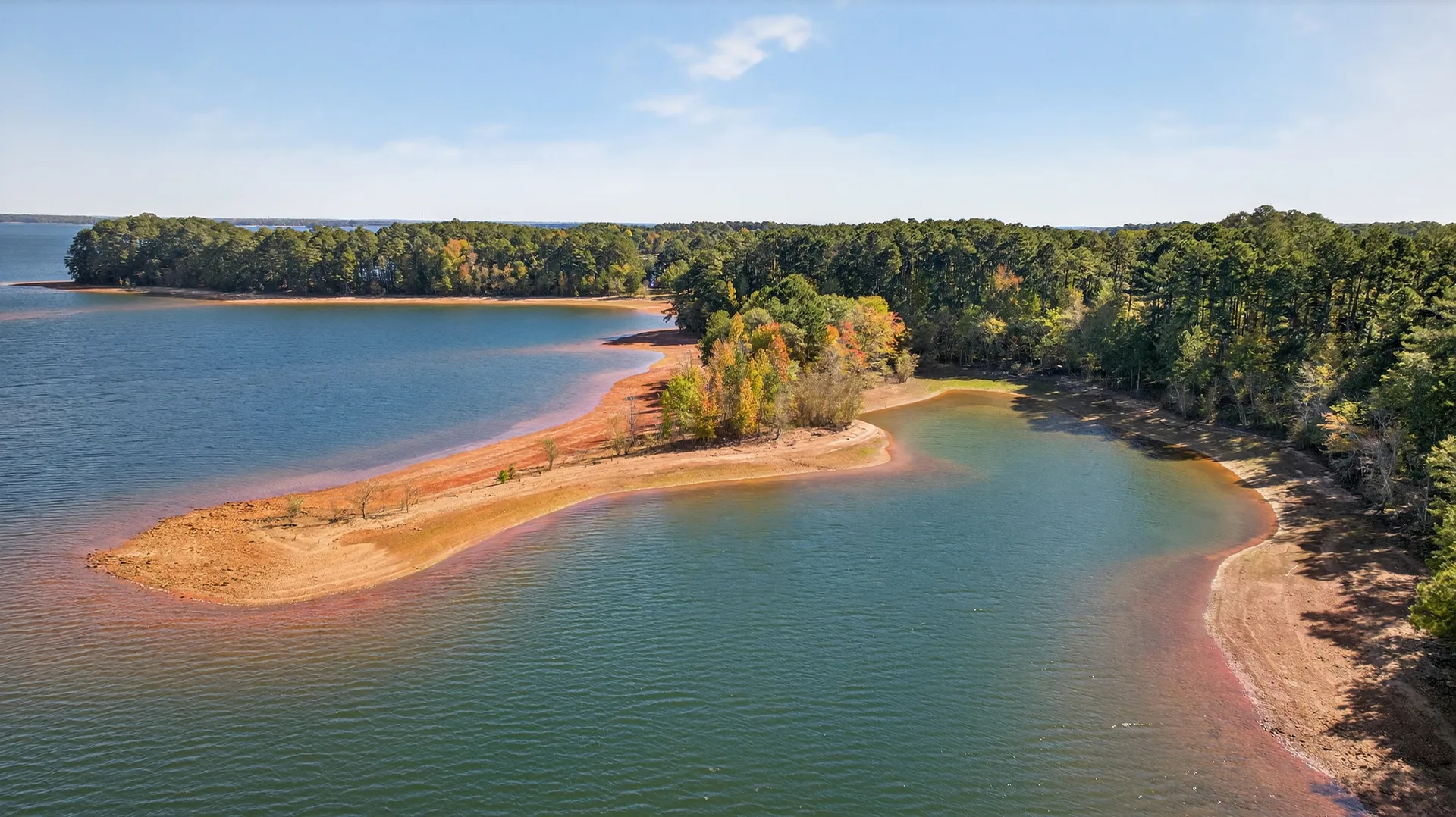
Low water on Hartwell does what low water always does: it exposes. Boat ramps at Corps recreation areas now drop down long concrete aprons to a waterline well back from where it reached in 2024's wetter spell. Red clay banks that usually sit under water have baked in the sun. Points and stumps that anglers normally fish over the tops of them are now visible decision points on the surface. Coves like the ones near Methodist Park and Elrod Ferry still hold water, still launch a family boat at a private shoreline, and still look, from the water, like the protected, gently sloping shoreline this property has always offered. But the low pool is a real and present part of the season, and it deserves straight talk instead of vague reassurance.
Why the reservoir is capped at 656 feet
On August 26, 2026, the U.S. Army Corps of Engineers Savannah District announced it would keep lake-level restrictions in place at Hartwell Lake until a long-term engineering solution can be designed and built. The reason sits upstream, not on this shoreline: a seepage-deterioration path in the earthen Clemson Lower Diversion Dam Saddle Dike, a concern the Corps has tracked for years. The Corps said plainly that there is no immediate danger to the public, and that the fix is being designed deliberately because a dam project of this kind cannot be rushed.
What does that mean in feet? The Corps has capped Hartwell's normal operating level at 656 feet MSL until the repair is complete. Because the lake is already below that line, the cap changes nothing about today's water level. What it does is set a ceiling: it limits how far the lake can climb during heavy rain or hurricane season. In a year like this one, that ceiling has barely mattered.
What low water looks like from high ground
Here is where the story at 257 Methodist Park Lane becomes personal. This is a 4.546-acre flat, elevated Georgia shoreline parcel, set on the high shelf of the old river valley rather than down in a fill area or a flood plain. When the lake is at 650 or climbs back toward 660, this property's shoreline simply moves a few feet one way or the other. The flat lawn, the deck, the covered porch, and the lakeside pavilion with its two full bathrooms all sit well above the Corps' pool as managed today. Low water does not reach them, rain will not raise the water into them, and the view across the cove improves marginally when the pool drops, because the brush line pulls back and the open water reads wider.
This is the difference between buying a lake view and buying lake ground. On a Corps-managed reservoir, the waterline is a government adjuster driven by rain, drought, and dam engineering. The land with elevation is the part of the waterfront that pays you back in calm. The family that has held Methodist Park since the 1800s picked this shelf deliberately, high and flat and dry, and every lake generation since has appreciated that judgment most during exactly the seasons other waterfront owners spend nervous.
The fall that follows a low season
Level-two or low, the fall calendar on the Georgia shore is already full. The pecan trees on this property will carry their heavy harvest into October, as they always do. Downtown Hartwell has its German-style festival, HartOberFest, scheduled for October 24 with more than ninety vendors, live music, and a beer garden down Depot Street. The Corps' bait and boat ramps still function around the lake, some at lower angles, most usable, and the marinas have adjusted. And by November the tournament season arrives at 257's cove, with the B.A.S.S. Nation championship staged on these waters the way it has been scheduled since midsummer.
The honest read for a buyer: the lake at the margin of 650 will fill and draw with the rain gauge, the upstream saddle-dike fix is a construction project measured in years, not weeks, and the cheerful thing is that none of it touches the irreplaceable asset, which is the flat, high, private land itself. You cannot buy a pool reading. You can buy the land that does not care what the pool reads. That is what "one of the last large-acreage shoreline parcels" means in a Corps-managed lake: the waterline moves with the seasons, and the land holds. There are no better places to anchor a family than that.