
Heritage
The saddle dike, low water, and the ground that never worries about the lake level
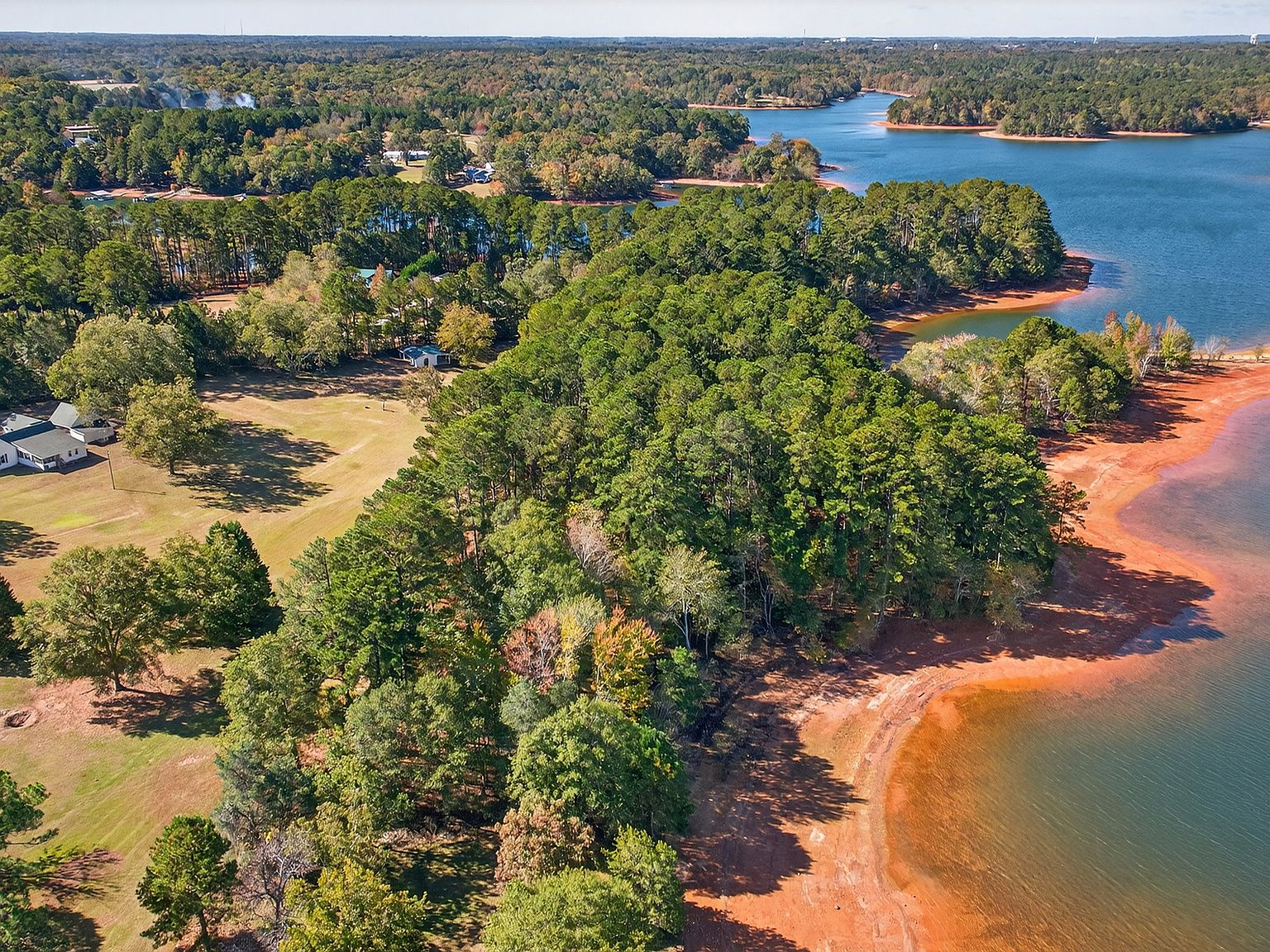
On August 26, 2026, the U.S. Army Corps of Engineers' Savannah District announced that lake-level restrictions on Lake Hartwell will stay in place while a long-term engineering fix is designed and built to resolve recurring seepage and flood-risk issues at the Clemson Lower Diversion Dam Saddle Dike. For most of the lake community, it is a headline about another summer with the water held below its typical level. For anyone who knows this land's history, it is one more chapter in a lesson the family at 257 Methodist Park Lane learned 153 years ago: choose the high ground, and the water can rise and fall without ever reaching you.
What the announcement means
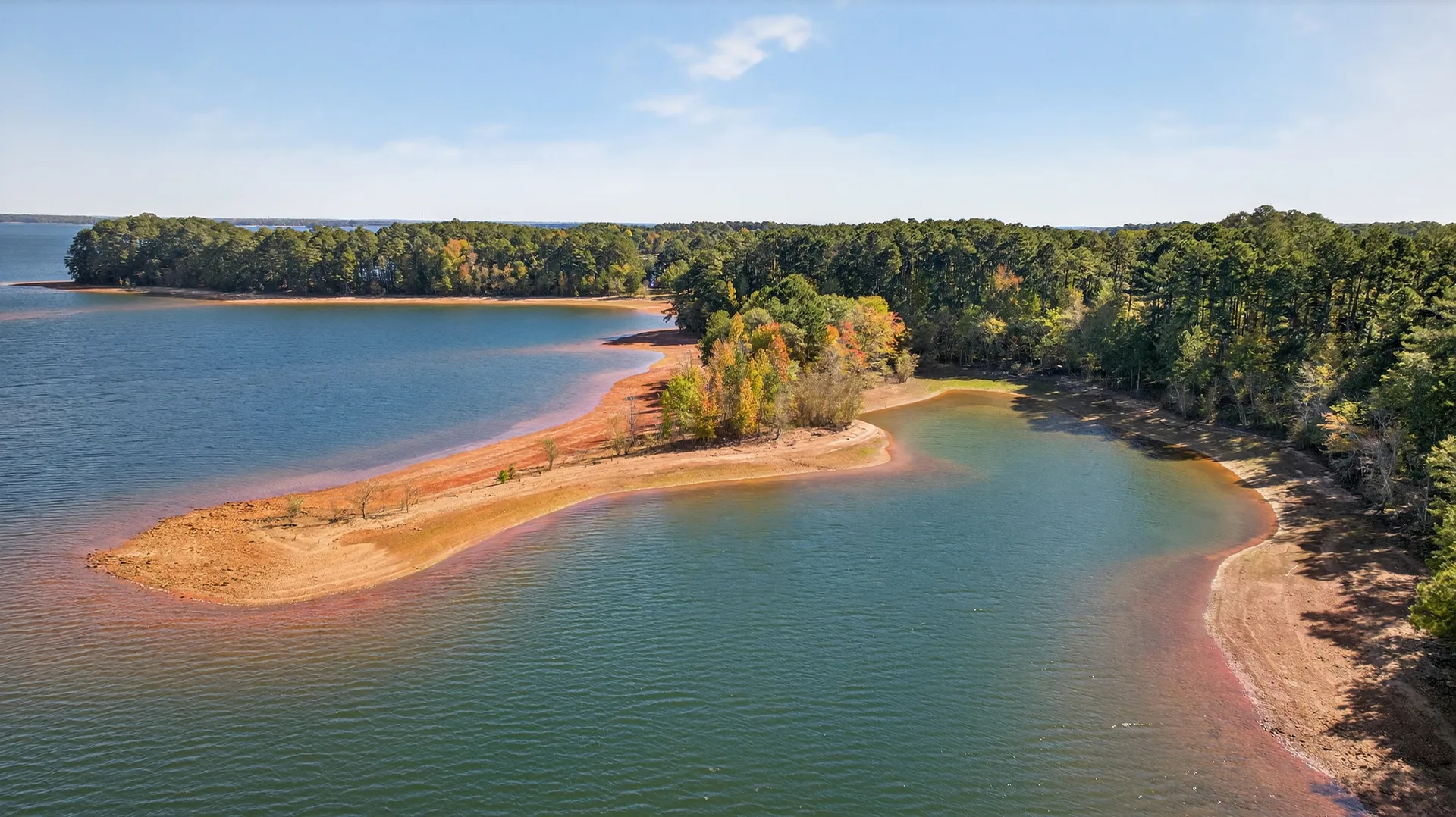
Full pool on Lake Hartwell is 660 feet above sea level, the line the Corps targets so the reservoir can serve recreation, flood control, hydropower, water supply, and downstream management as designed. By early August 2026 the lake was running roughly eight feet below that mark, around 652 feet, a level driven by both the ongoing Upstate drought and the active restrictions around the saddle dike.
The saddle dike sits at the Clemson Lower Diversion Dam, part of the upstream chain of structures the Corps operates along the Savannah River system. Recurring seepage and flood-risk concerns at that dike have led the agency to keep the lakes held lower than their normal operating range while engineers work on the permanent fix. The August 26 notice makes clear the restriction is not a one-summer event: it will last until the long-term remedy is in place. Year-round lake residents have learned to read pool levels the way a farmer reads the sky, and this announcement tells them the low water is not a passing drought signature but an operating reality for the foreseeable future.
The practical consequences ripple outward. Boaters map their routes around newly shallow coves. Marinas adjust scheduling and draft limits. Low-elevation docks that normally float in deep water now sit closer to mud, and properties built around a single comfortable water level are the ones that feel the pressure most.
The judgment that predates the lake
None of this would surprise the people who built the home at 257 Methodist Park Lane in 1873. They chose this ground almost a century before the Corps authorized the Hartwell project through the Flood Control Act of 1950. There was no lake then, only the Savannah River valley, but they read the land the same way anyone does before building: they looked for flat, usable soil that stood above the flood line, near water for a homestead but high enough that the river's worst moods could not reach their foundation.
That foresight carried the property through the defining test of its long life. Between 1955 and 1963, the rising reservoir submerged nearly 2,000 families' properties, entire river towns, and the bottomland that had been the most productive farmland in the valley. The family at Methodist Park Lane was among the few on higher ground who held on. The water came to within reach of the land, but it never took it. The same elevation that protected the homestead in the 1960s is the same elevation that keeps it far above the pool debate in 2026.
Today the property sits on 4.546 acres of flat, private land, one of the last remaining large-acreage parcels on Lake Hartwell's Georgia Corps of Engineers shoreline. The flat lawns, the covered porch, the screened porch, and the lakeside pavilion were all placed with the same instinct: build for the land, treat the water as a guest that comes and goes.
Why the level almost never reaches this estate
A lakefront property is only as resilient as the ground it sits on. At 257 Methodist Park Lane, the shore is managed by the Corps and remains natural, wooded, and undeveloped, which protects the bank from erosion in both high and low water. The usable heart of the estate, the flat expanse of lawn between the house and the waterline, sits well above full pool, so an eight foot drawdown is a curiosity rather than a crisis.
The dock and water access are unaffected. The pavilion, built for lakeside entertaining, does not depend on the lake being at 660 feet. The pecan trees have been rooted here since long before the dam existed and could not care less what the daily pool report says. The property functions at any level because it was sized and sited for the land, not for a single flattering waterline.
That is the quiet advantage of a historic estate. Newer construction too often treats the lake as a fixed amenity to be maximized, placing houses, docks, and terraces exactly at the water's edge. When the water does what water always does, those properties feel the sting. A property like this one, the product of generations who understood the river and its seasons, is designed to let the water behave naturally without ever threatening the life above it.
The lasting lesson of the saddle dike
The saddle dike story is worth remembering for a simple reason: it is a reminder that Lake Hartwell is an engineered body of water, and its level is an operating decision, not a natural constant. Droughts come and go, downstream demands shift, and structures upstream get repaired or rebuilt on their own timelines. Anyone who owns lakefront needs to be comfortable with that reality.
What separates this estate from most is not the water at all. It is the ground beneath it. The family who built here in 1873 could not have imagined a 56,000-acre reservoir in their river valley, let alone a saddle dike miles upstream holding the water low in 2026. But they gave their descendants the one gift that has mattered in every era since: land high enough and sturdy enough that the water could do almost anything and the home would still stand.
We have spent our careers helping families find the right property on Lake Norman, Charlotte, and Lake Wylie, and now on Lake Hartwell. Over and over, the clients who sleep best at night are the ones whose homes sit on the right ground. This property is the purest example of that principle we have listed, because it was tested by the single most dramatic event in Lake Hartwell's history and it passed.