
Generations
The kitchen that has fed this land since 1873: from the farmhouse stove to the lakeside pavilion at 257 Methodist Park Lane
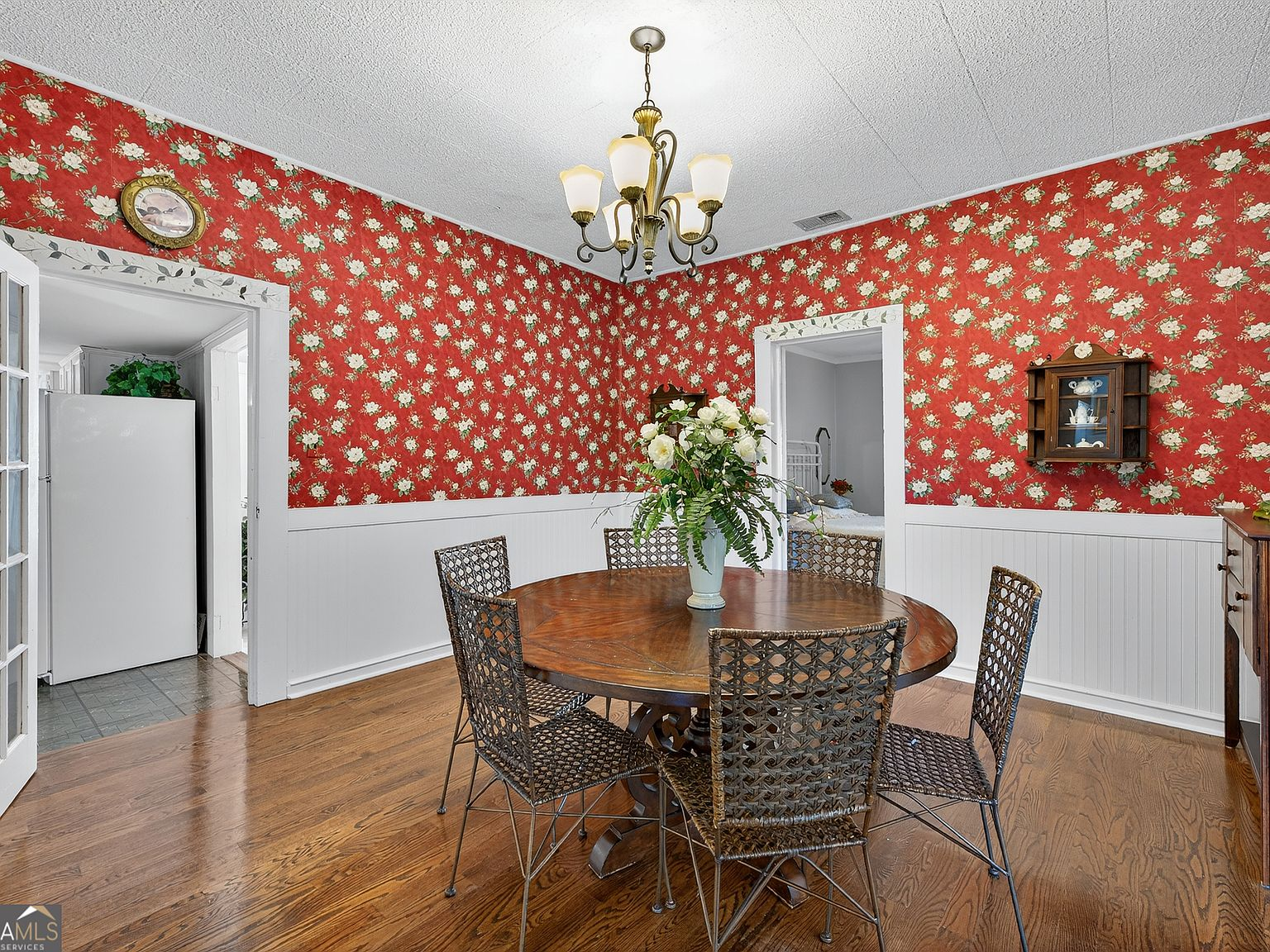
Every property has a room that holds its story, and at 257 Methodist Park Lane that room is the kitchen. Not the modern idea of a kitchen, but the older one: the room where the family cooked, ate, worked, and made the decisions that kept this land in one family for a century and a half. The stove changed, the table moved from the farmhouse to the pavilion, the water in the view rose from a river to a lake, and through all of it the cooking heart of this property never left the 4.546 acres. This is the story of that kitchen, and it is the best way we know to explain what it has meant to hold this land across generations.
The stove the first family cooked on
The 1873 farmhouse was built in the years when a kitchen was the most worked room in any house in Hart County. The first family cooked on a wood stove that also heated the room and the water, tended from first light until the dishes were done, and the food came from ground the family could see from the window: the garden behind the house, the pecan trees along the edge of the yard, the corn and sweet potatoes in the fields beyond, the milk and eggs from the barn. Nothing on the table had traveled far, because nothing needed to.
The kitchen did more than feed the family. It was where the harvest was preserved, the place the canning jars lined the shelves through the late summer, where the cured meat hung, where the flour barrel and the lard can and the salt box stood within reach of the stove. It was the warmest room in winter and the busiest room in every season, and it set the pattern every generation after would follow: this land feeds its people, and the room that does the feeding is the heart of the house.
The valley at the end of the garden
Before the lake, the land below the high ground was a working river valley, and the kitchen drew on all of it. The garden fed the family through the growing season and the canning shelf through the winter. The pecan grove, mature even in the early decades, brought in the fall harvest that was both food and income. The river itself added to the table: catfish and bream from the same holes the family had fished for generations, and the river bottoms that flooded each spring gave the fields their fertility.
A Thanksgiving table in those years was a display of what the land had given: the big bird from the farmyard, the sweet potatoes and field peas from the garden, the cornbread from the meal ground in the county, the pecan pies made from the grove out back, the preserves opened from the summer's canning. The family did not shop for most of it. They grew it, raised it, harvested it, and cooked it on the same stove in the same kitchen, and the table was the yearly proof that the land was doing its job.
When the river became a lake, the kitchen stayed
In February 1961 the Corps of Engineers closed the gates at Hartwell Dam, and over about thirteen months the river valley below the high ground filled with water. The lake took the bottomlands, the hay meadow, the cane patch, and the old river channel, and it came right up to the edge of the property. But it did not take the house, and it did not take the kitchen. The family that chose to stay kept cooking on the same stove, in the same room, and the view from the window simply changed from fields to water.
That is the quiet miracle of the transformation: the land lost its farm bottomland and gained a shoreline, and the kitchen adapted. The garden shrank toward the house, the fishing moved from the river holes to the new coves, and the table gained a whole new source of food and gathering. The family that remembered the valley could stand at the kitchen window and say where the old fields had been, and the family growing up after could not imagine the view without water. Both generations ate at the same table, and the kitchen proved to be the one room the lake could not touch.
The table moved to the water
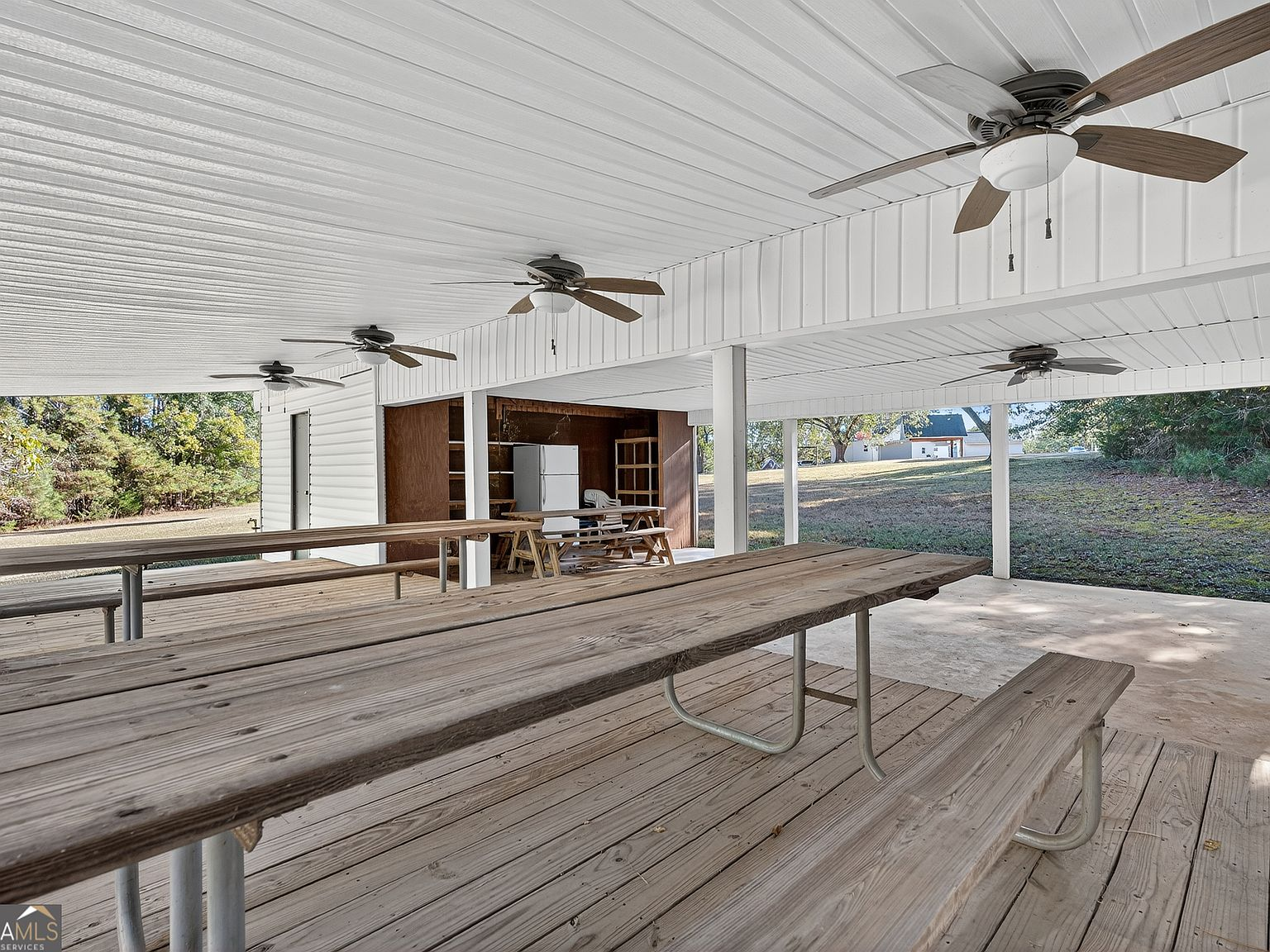
The most recent generation did what every generation had done before: it moved the cooking heart of the property to meet the way life had changed. The kitchen in the farmhouse still stands, still ready to feed the family, but the gathering now happens at the lakeside pavilion, the big covered structure with two full bathrooms that sits at the edge of the lawn looking over the water. That is where the weekend meals happen, where the family celebrations land, and where the generations sit down together with the lake as the backdrop.
The pavilion kitchen is not the wood-stove kitchen of 1873, but it serves the same purpose: it feeds the people who live on this land and the people they invite to share it. The covered porch and the open-air deck extend the room toward the water, and the two sizable exterior storage areas hold the equipment of an outdoor lake life. What the family eats has changed, and how it is cooked has changed, but the arrangement is the same as it has always been: a roof, a table, and the land providing both the setting and a good part of the meal.
What six generations of the same table teach
Stand at the pavilion today, in the season when the pecan trees are dropping their harvest and the lake is at its low-water 647 feet, and you can feel the whole span of the story in one place. Behind you is the 1873 farmhouse with its original kitchen. In front of you is the water that replaced the valley. Under the pavilion roof is the table where the family gathers now. The land never left the family, and the kitchen never left the land.
For a buyer looking at a property like this, the kitchen is more than a room count in a listing. It is the evidence that this land has always been lived on, fed from, and gathered around, and that the pattern can continue. The house, the pavilion, the porches, and the acres were kept in working order for a century and a half so that the table could keep being set. That is the inheritance on offer at 257 Methodist Park Lane, and it is the one thing on the property that has never been for sale until now.