
Heritage
A family, a well, and a garden: what self-sufficiency looked like on this land before the lake
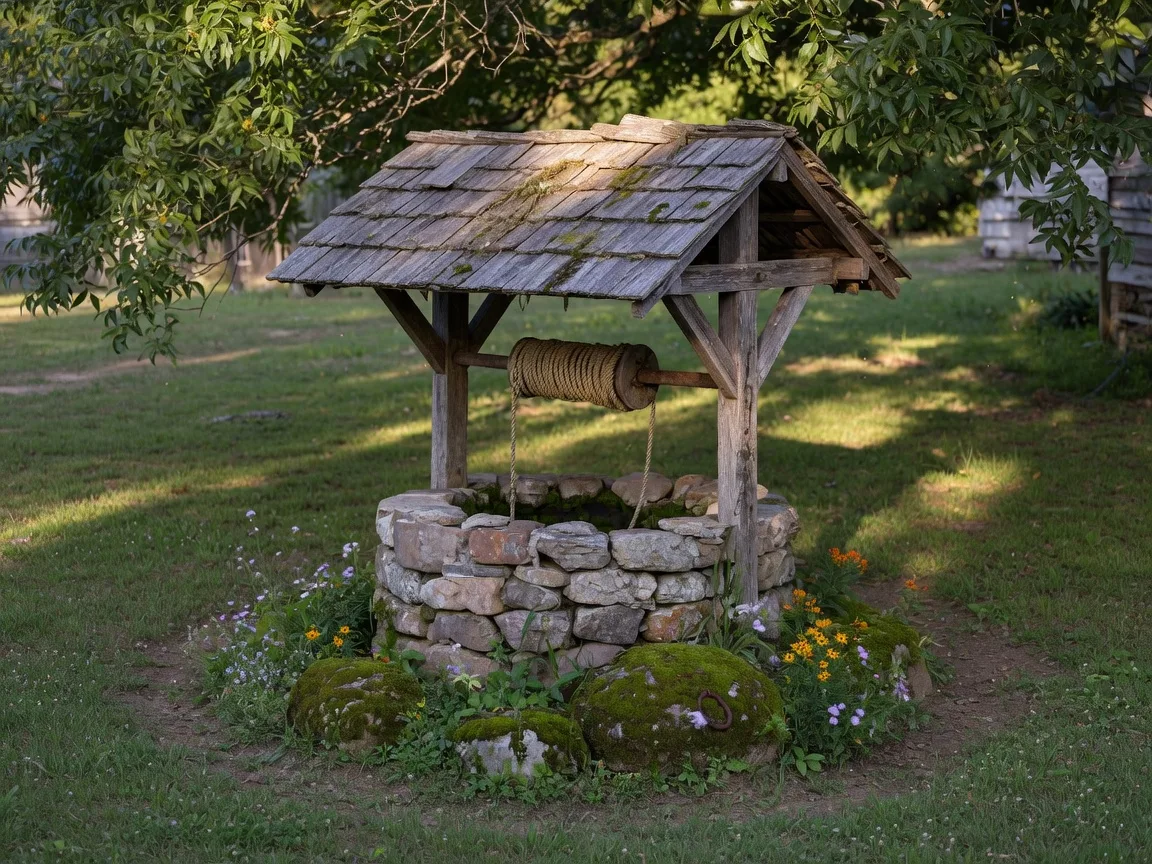
The first thing the family did when they chose this land in the 1870s was dig a well. Before the foundation, before the walls, before the porch that would face the river for eighty years — they found water. And water, on a rural homestead in the Georgia Piedmont, was the difference between survival and failure.
The well that started everything
Hand-dug wells in 1870s Georgia were not luxury features. They were the entire household water system. The family at Methodist Park Lane dug theirs to a depth that tapped the water table beneath the red clay — likely forty to sixty feet, depending on the season and the rock. Every bucket that came up represented the labor of someone who understood that water was not an amenity but a necessity, and that the quality of the water determined the quality of life.
The well served every purpose. Drinking, cooking, washing dishes, bathing, watering the kitchen garden, laundering clothes, and providing for the livestock all drew from the same source. In dry summers, the well was the difference between a harvest that carried the family through winter and a season of scarcity. The placement of the well, like the placement of the house itself, was a decision made with the deep knowledge of the land that only comes from watching a place through all four seasons.
Modern visitors to 257 Methodist Park Lane turn the tap and get clean, pressurized water from Hart County's municipal system. But somewhere on the property, beneath the grass and the pecan tree roots, the original well is still there — capped, quiet, holding the memory of every hand that worked the rope.
What the garden provided
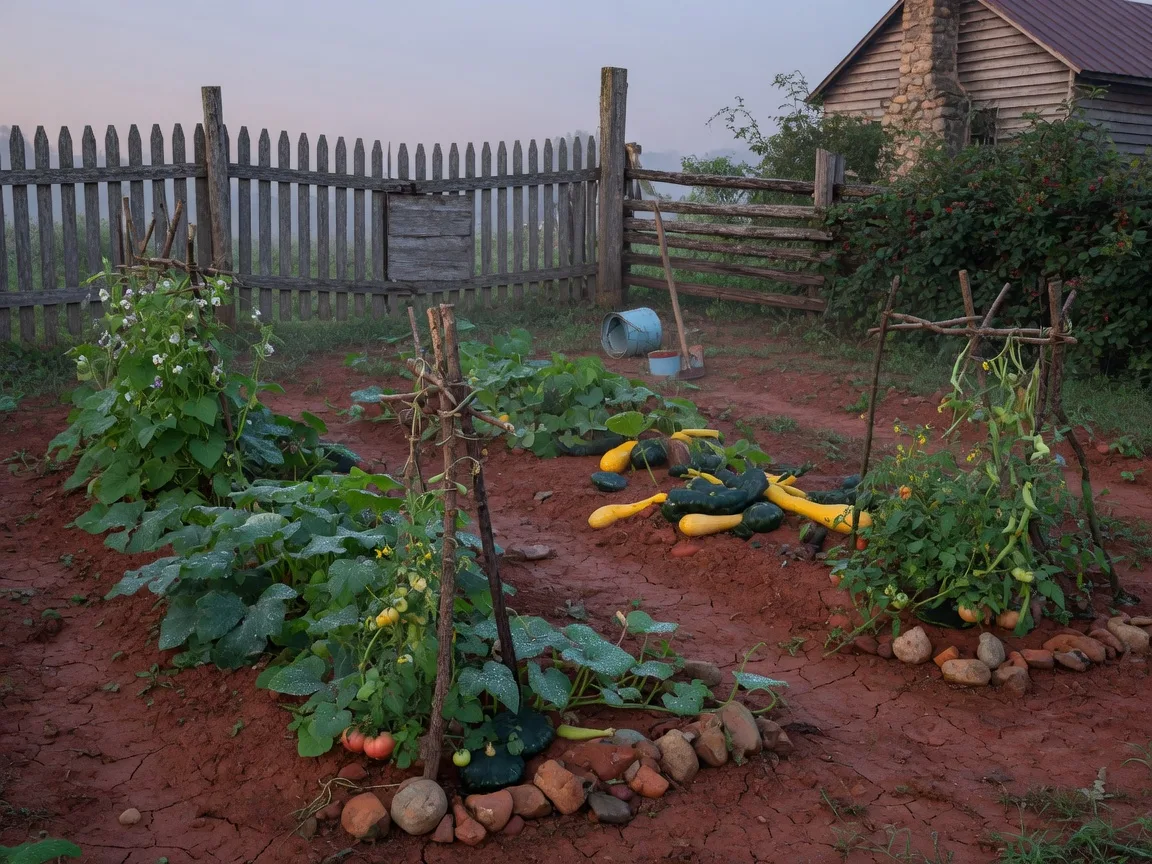
The 4.546 acres at 257 Methodist Park Lane are described today as "flat, private land" with lake views and a mature pecan grove. In the 1870s, those four and a half acres were described differently: as the land that fed the family. The flat ground that makes the property so rare today — the easy walk to the dock, the level lawn for gatherings, the space between the house and the water — was originally farmland, selected precisely because it was tillable.
The kitchen garden sat close to the house, typically a quarter-acre or more, planted in the deep red clay that defines the Georgia Piedmont. Tomatoes, beans, squash, corn, okra, collards, sweet potatoes, and peas — the staples of the Southern diet that kept families healthy through the growing season. The garden was the domain of the women of the household, planted and tended alongside the work of raising children, preserving food, and maintaining the home. Canning and drying in late summer and early fall turned the garden's bounty into winter provisions, the glass jars lining pantry shelves like a currency of survival.
Beyond the garden, the flat ground supported feed crops for the livestock. Corn for the mules and chickens. Hay for the cattle. The pecan trees, planted decades before they would produce their first significant harvest, represented a long-term investment in the family's nutrition — nut meat that could be stored through the winter, a source of protein and fat when other sources ran thin.
The rhythm of self-sufficiency
Living on this land in the decades before the lake meant measuring the year in tasks rather than months. Spring was the rush to prepare the soil, plant the garden, and repair the fences before the summer heat arrived. Summer was the season of relentless work — weeding, watering, harvesting what ripened, canning what would not keep, and managing the livestock through the hottest months. Fall was the payoff: the pecan harvest, the final garden yields, the slaughter of animals that could not be fed through the winter, the stocking of the root cellar and the smokehouse.
Winter was slower, but never still. Firewood needed splitting. Tools needed sharpening. The well needed maintenance. The house needed the repairs that had been deferred during the growing season. And always, the family was measuring their supplies against the weeks remaining until spring planting could begin again. There was no margin for waste. The land provided exactly enough, but only to those who worked it.
This was the reality of rural Georgia life for the first eight decades of the property's existence. The family who lived here did not distinguish between "lifestyle" and "survival." The two were the same thing. The pecan trees, the flat ground, the well, the garden, the proximity to Hartwell for the goods they could not produce themselves — these were not features of a property. They were the conditions of a life.
What the land still knows
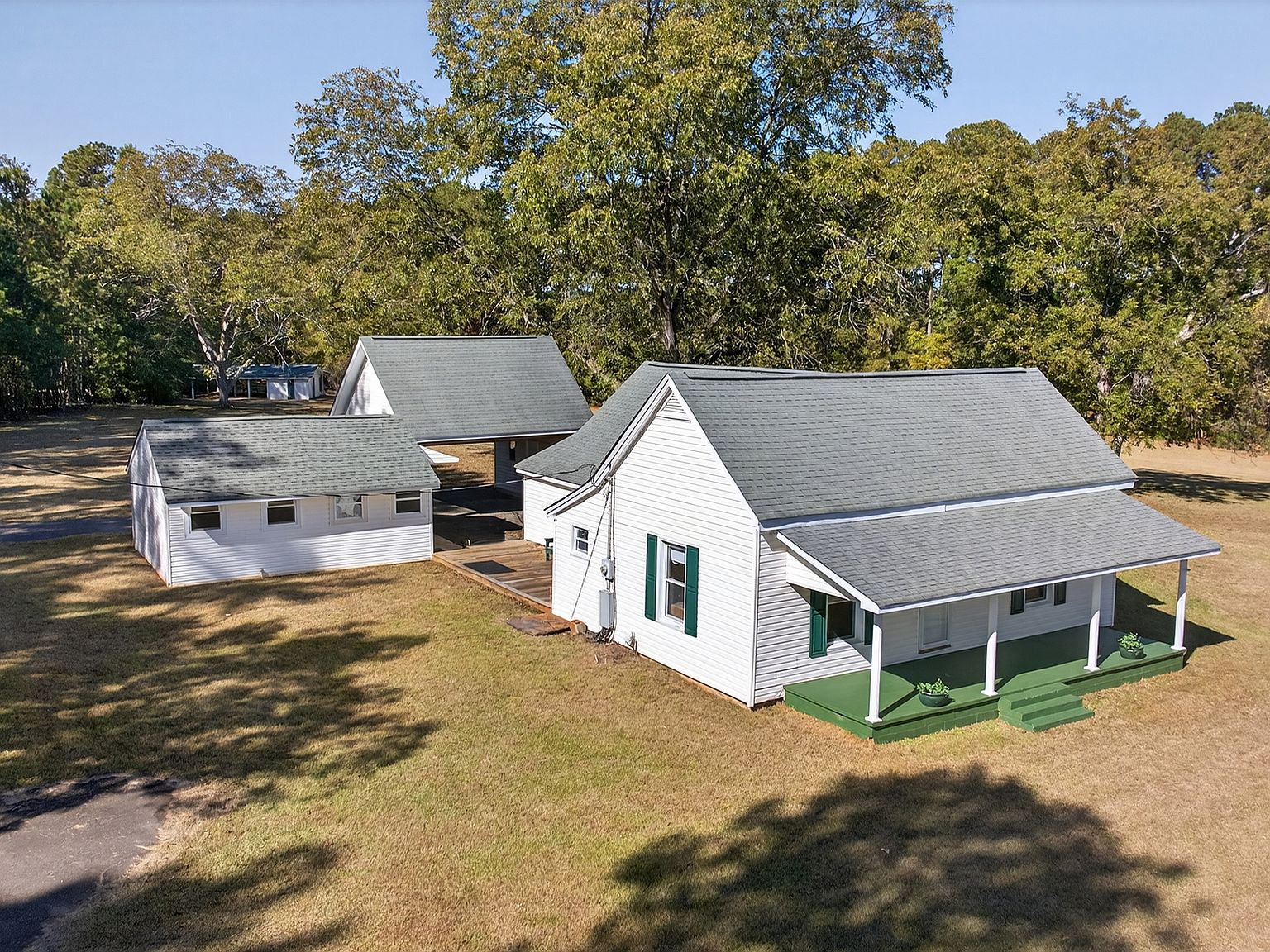
The family that lived on this land before the lake did not leave behind journals or ledgers. They left behind something more durable: the physical evidence of their stewardship. The pecan trees, still producing after 150 years. The flat ground, still level and usable. The elevation, still seventy feet above the waterline. The generosity of the lot line, still offering the rare gift of space on a protected shoreline.
When you walk the property at 257 Methodist Park Lane today, you are walking ground that was chosen with care in the 1870s and maintained with intention for every year since. The well is capped. The garden has given way to lawn. The livestock pens are gone. But the land itself remembers what it provided: the water, the food, the stability that allowed a family to survive and eventually to thrive.
The question for the next owner is not whether this land can provide again. It already does — in lake views, in waterfront access, in the rare combination of space and privacy that defines a legacy estate. The question is whether you will understand what the land has always offered: a foundation for life, built by people who believed that a piece of ground, well chosen and well cared for, would outlast every generation who held it.