
Heritage
A decade of low water: what the Corps' long timeline means for the lake and the high ground
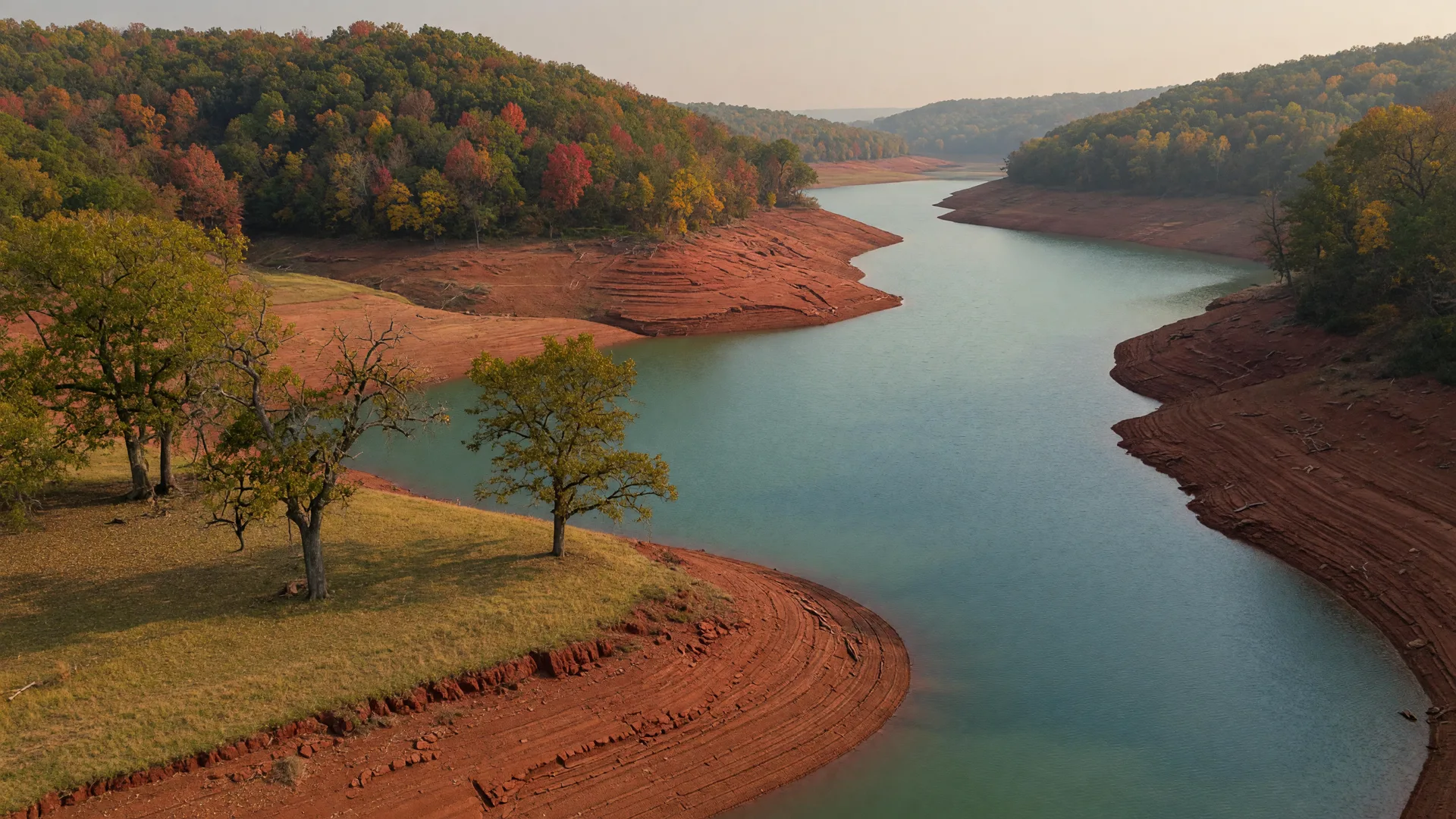
In late August, the U.S. Army Corps of Engineers announced that Lake Hartwell would live under water-level restrictions until a long-term engineering solution is designed and built for the seepage at the Clemson Lower Diversion Dam Saddle Dike, the earthen structure that protects Clemson University from flooding. The Corps has been careful with the timeline, but the reporting around the announcement has been plain: the permanent fix could take up to ten years. That is the number the lake community is now learning to live with, and it changes the way everyone around the water plans. From the high ground at 257 Methodist Park Lane, the family has been planning in decades since 1873, which is exactly why the estate reads the news the way it does.
The rulebook for the next several years
The operating reality is straightforward. The Corps has moved the year-round guide curve down four feet, setting the new full-pool target at 656 feet instead of the historic 660, and during heavy rainfall periods it will hold the lake below a maximum elevation of 662. As of early October, the reservoir has been reading near 649 feet, about eleven below the old full pool and nearly seven below the new target, in the middle of a Level 2 drought on top of the engineered drawdown. The lake is being managed this way because engineers detected water seeping through and under the saddle dike during routine inspections, and while the Corps has said there is no immediate danger to the public, the structure needs a permanent fix before the lake can return to its old operating range.
For the people who live on the water, the practical effects are already visible. Designated swim beaches generally become unusable below 657 feet, some shallow docks sit higher above the surface, and some boat ramps are harder to use, though many public access points, including Elrod Ferry Landing and Methodist Park near the estate, have stayed in service. The fishing has remained strong off the deeper structure, the fish population is expected to hold steady, and the lake is still very much a lake. What has changed is the expectation. A decade of low water means the shoreline you see this fall is closer to the shoreline you will see for years, and the community is adjusting its plans accordingly.
What a decade teaches a lake community
A decade is a long time in the life of a lake, but it is the scale of time this community has always operated on. The reservoir itself took years to fill after the dam was built between 1955 and 1962. The towns beneath the water were emptied and moved over years, not weeks. The families who stayed, including the family at 257 Methodist Park Lane, watched the transformation unfold slowly enough to plan around it, and what they learned was that the land above the waterline was the part that mattered. The lake level has always been a variable. The elevation of the land has always been the constant.
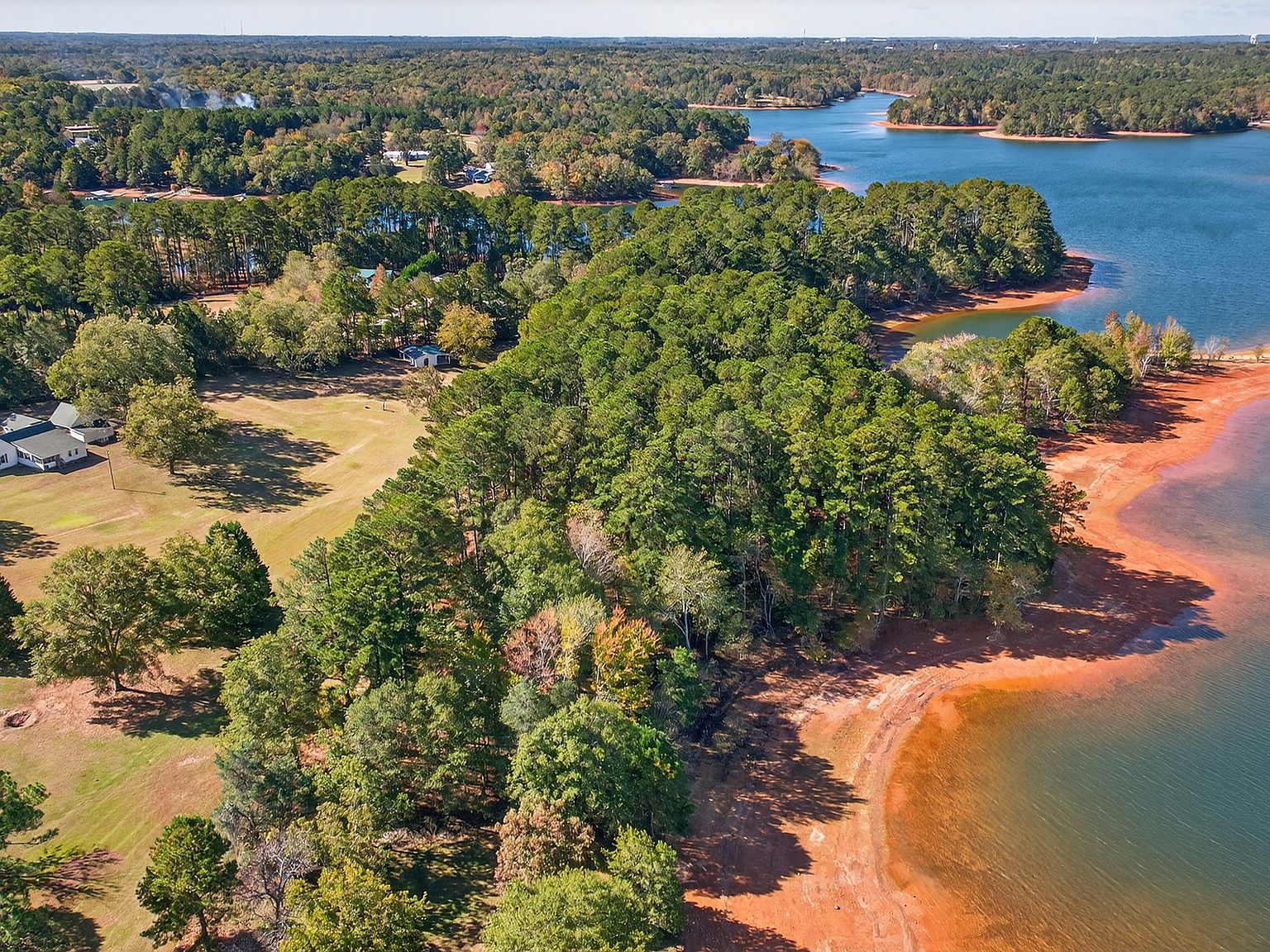
That is the quiet arithmetic of a decade of low water. Marinas will adapt, ramps will be adjusted, and the guide curve will eventually return when the saddle dike is fixed. But a property on high ground does not adapt to anything, because it never needed to. The house at 257 Methodist Park Lane sits on 4.546 flat acres above the waterline, chosen in 1873 for exactly the reason that still matters in 2026: dry, elevated, private ground that no lake level can touch. The lawn, the pecan trees, the covered porch, and the lakeside pavilion have never been threatened by the pool, and they will not be threatened by a decade of it either.
The view that does not depend on the level
For buyers considering Lake Hartwell during the low-water years, the distinction between a lake view and a lake-level view is the whole story. A property that only works at full pool will spend the next several years working less. A property that was built above the waterline, with access that stays useful whether the lake is at 660, at 656, or reading near 649, works every year, in every condition. The estate at 257 Methodist Park Lane is one of the last remaining large-acreage parcels on Lake Hartwell's Georgia Corps of Engineers shoreline, with public launch access minutes away at Elrod Ferry Landing and Methodist Park, and its value has never depended on where the gauge reads.
The family that held this land through the filling of the lake, the droughts, the floods, and every season in between understood something the current news cycle keeps rediscovering: water is managed, but land is chosen. They chose well in 1873, and every generation since has been able to say the same thing about the choice. The saddle dike will be repaired, the guide curve will return, and the lake will rise again, on a timeline measured in years. The high ground will simply be there, as it always has been, watching the water do what water does.
Patience is a feature of the land
There is a reason the phrase once-in-a-generation is used for 257 Methodist Park Lane, and it is not only the lake. It is the land itself, held by one family since the 1800s, never sold, never divided, kept intact through every change the valley has known. A decade of low water is, in the long life of this property, a footnote, the way the drought years of the 1930s and the filling years of the 1960s are footnotes now. The estate is available for the first time in generations, and the next family will inherit something the lake cannot take away: ground that was chosen well, above the water, on the last large-acreage stretch of a Georgia shoreline that is nearly gone.
The lake will spend the next several years lower than it used to be. The view from the porch at 257 Methodist Park Lane will not. That is the whole argument for high ground, and it is the reason the family that built this house in 1873 would recognize the property instantly today. The water changes. The land endures. The estate is ready for the family that understands the difference.