
Community
After the storm: what Elrod Ferry's closure reveals about life on Lake Hartwell
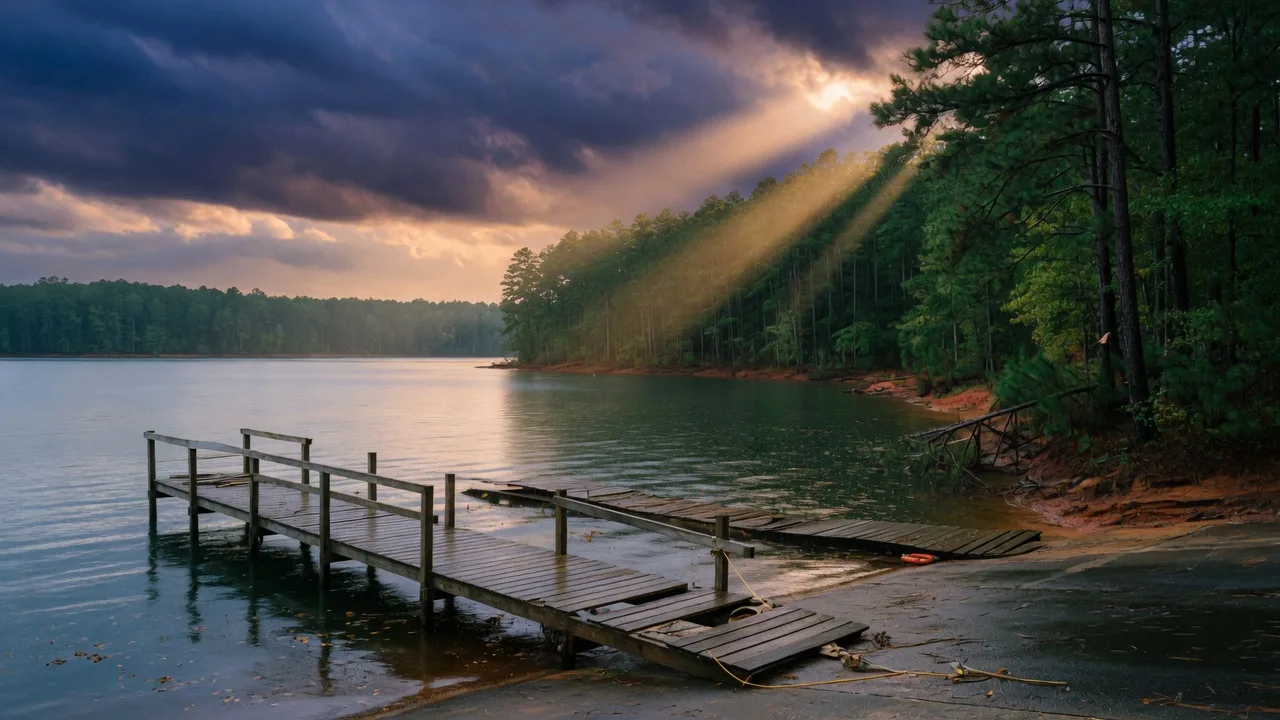
On June 18, 2026, the U.S. Army Corps of Engineers announced the temporary closure of Elrod Ferry Recreation Area due to storm damage. The announcement was brief and practical — the boat ramp, parking area, and day-use facilities would be unavailable until repairs could be completed. For the thousands of anglers, boaters, and lake visitors who depend on Elrod Ferry as their primary access point to Lake Hartwell, the closure was an immediate disruption. For the community living on the surrounding shoreline, it was a reminder of something more fundamental: the difference between owning a property that relies on public infrastructure and owning one that doesn't.
The access point that defines a neighborhood
Elrod Ferry Landing is one of the most important public access points on Lake Hartwell's Georgia shoreline. The two-lane concrete boat ramp launches everything from kayaks to 26-foot pontoon boats. The parking area accommodates vehicles with trailers. The courtesy dock provides a staging area for loading and unloading. On a typical summer weekend, the ramp sees steady traffic from sunrise through mid-morning — families launching their pontoons, bass fishermen backing their boats into the water, visitors arriving for a day on the lake.
The landing is named for the Elrod family, who operated a ferry crossing on the Savannah River at this exact location, generations before the lake existed. When the Corps of Engineers created Lake Hartwell between 1955 and 1963, the ferry was submerged, but the name survived. Today, the landing serves as the primary gateway to the water for the homes and neighborhoods along this stretch of the Georgia shoreline. Its closure, even temporarily, is felt by everyone who uses the lake.
The June 2026 storm that caused the damage arrived suddenly, as summer storms on Lake Hartwell often do. High winds and heavy rain swept across the lake, downing trees, damaging shoreline structures, and leaving the Elrod Ferry facility in need of repair. The Corps' decision to close the area was a safety measure, but the timing — during the peak of summer, when the lake is busiest — amplified the inconvenience.
What the closure reveals
The Elrod Ferry closure is a small event in the grand scheme of Lake Hartwell's history. It will be repaired. The ramp will reopen. The boats will return. But the disruption — even a temporary one — reveals something about the lake community that is worth understanding.
Most of the shoreline on Lake Hartwell's Georgia side is managed by the Corps of Engineers and is not privately owned. The homes that exist on the Georgia shoreline sit on land that was above the full-pool line when the lake was created, and most of those properties are smaller parcels with limited private water access. The public boat ramps — Elrod Ferry, Hart State Park, and a handful of others — are the primary way that most property owners and visitors reach the water. When one of those ramps closes, the remaining access points absorb the traffic. The lines get longer. The wait times increase. The convenience that makes lake living so attractive is suddenly less convenient.
That is not a critique of the Corps or the community. It is simply the reality of a lake where most of the shoreline is public land. The system works well when everything is functioning. But it is vulnerable to the kind of disruption that a single storm can create.
The private-shoreline advantage
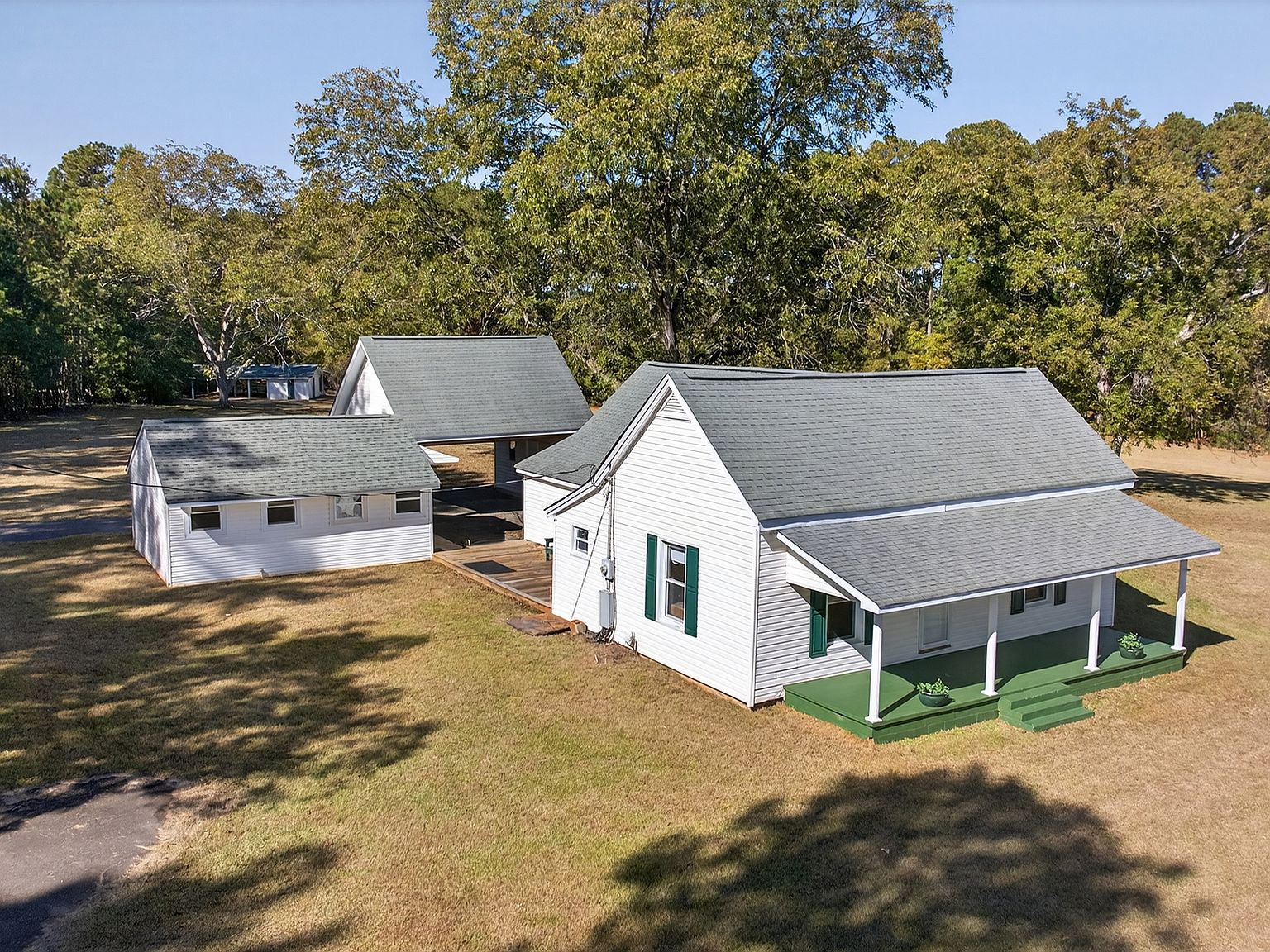
This is where 257 Methodist Park Lane occupies a different category. The property sits on 4.546 acres of flat, private land with direct shoreline access to Lake Hartwell. The dock, the shoreline, and the water access are not dependent on a public boat ramp. When Elrod Ferry closes for repairs, the property's owners do not wait in line. They walk to the water from their own land.
That independence is not a luxury feature. It is a structural advantage that comes from the property's origin as a working homestead. The family that built the farmhouse in 1873 chose the land for its self-sufficiency — the flat ground for farming, the elevation for flood protection, the river access for water and transportation. They did not need a public boat ramp to reach the water. They owned the bank. More than a century and a half later, that same independence applies to the lake.
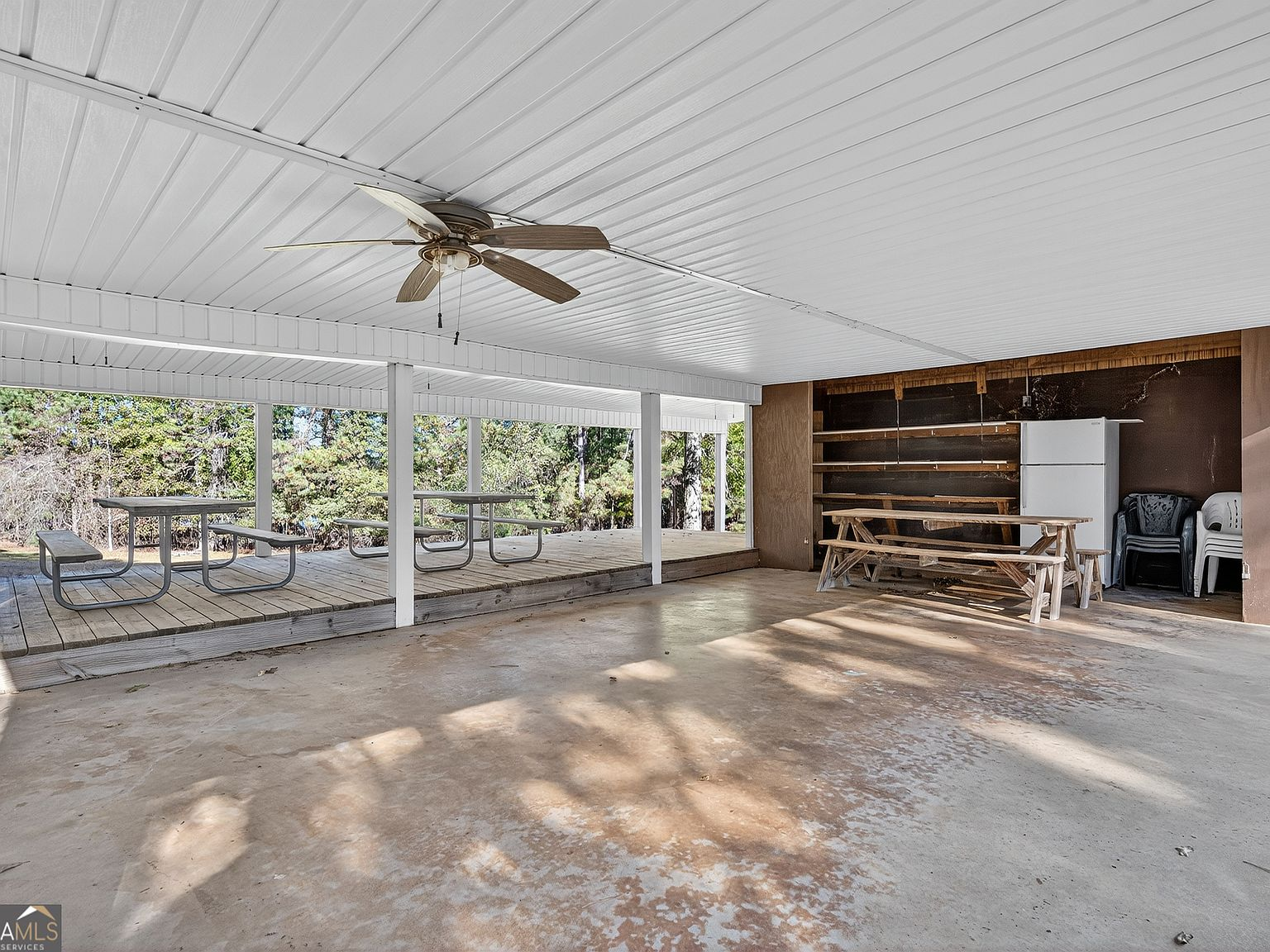
The lakeside pavilion, the covered porch, the screened back porch, the expanse of flat lawn — these are not just amenities. They are the infrastructure of a property that functions as a complete world. The boat ramp closure at Elrod Ferry is an inconvenience for the broader lake community. At 257 Methodist Park Lane, it is a non-event.
Storms, resilience, and the long view
The summer of 2026 has been a season of reminders on Lake Hartwell. The drought dropped the water seven feet below full pool, exposing the history beneath the surface. The storm damaged Elrod Ferry, disrupting the access that thousands of lake visitors rely on. And the community has adapted to both — boaters launching from alternative ramps, families adjusting their weekend routines, the Corps working to repair and reopen the facilities as quickly as safety allows.
That resilience is one of the lake's defining qualities. The community that Lake Hartwell has built over 60 years is not fragile. It absorbs disruptions, adjusts, and continues. But the difference between a property that absorbs those disruptions comfortably and one that struggles with them is often a matter of a few feet of elevation and a few acres of private land.
257 Methodist Park Lane was built on the right ground. That is not a comment about the quality of the construction — though the 1873 farmhouse is remarkably well-built. It is a comment about the land itself. The flat, elevated terrace that the first generation chose for their homestead is the same ground that keeps the property above the drought line, the same ground that provides private shoreline access, the same ground that has held steady through 153 years of Georgia weather. The storms come and go. The lake rises and falls. The public ramps close and reopen. But the land at 257 Methodist Park Lane remains what it has always been: a self-sufficient piece of ground, chosen with care, held with intention, and ready for the next generation.