
Heritage
What the Ag Expo reveals about this land: from hand-planted rows to the Northeast Georgia Ag Expo
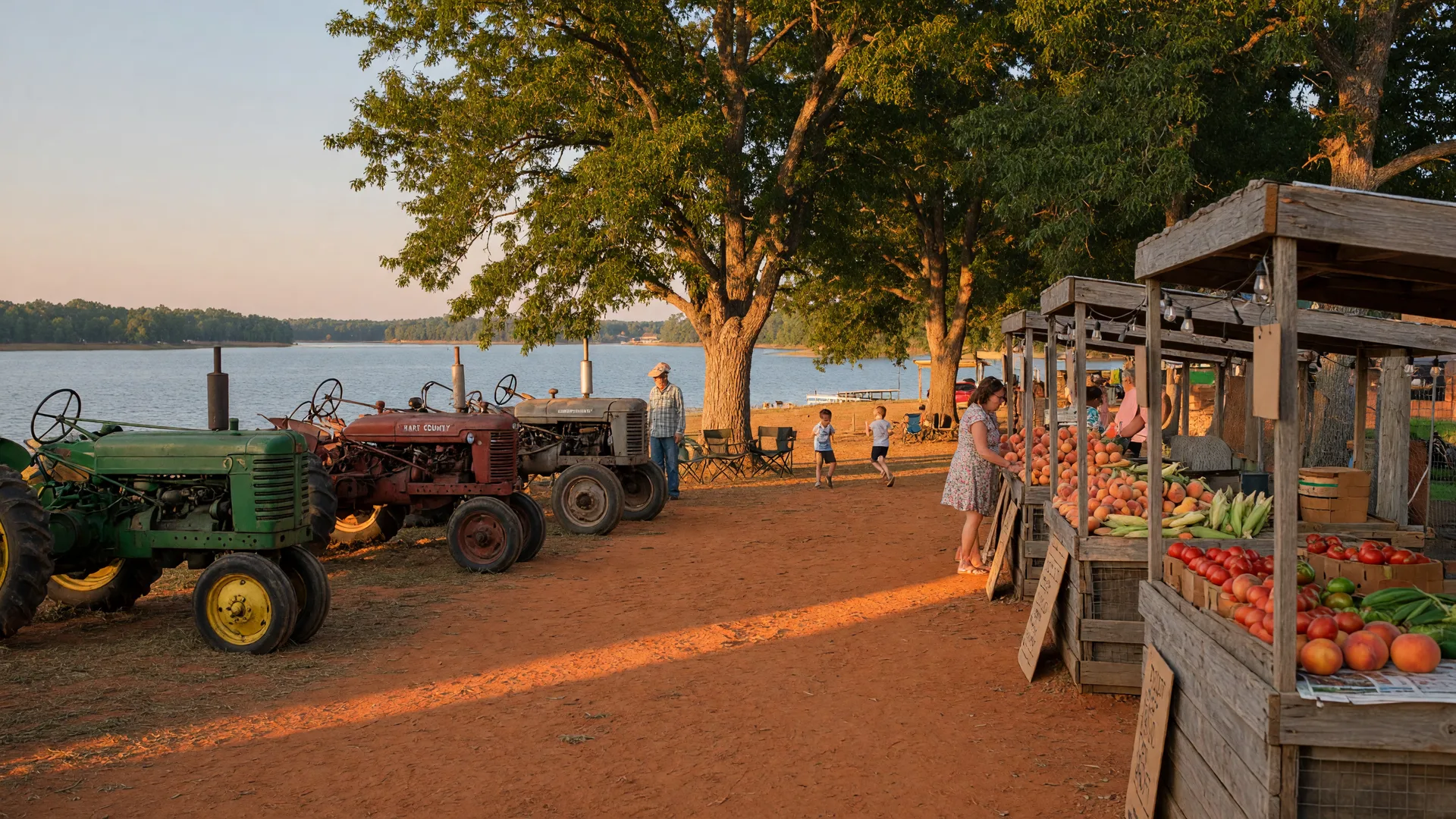
This Saturday, August 15, the Hart County Agriscience Center on Bowman Highway will fill with antique tractors, produce exhibits, 4-H demonstrations, and the sounds of a community celebrating its agricultural roots. The Northeast Georgia Ag Expo is free, open to the public, and runs from 9 a.m. to 1 p.m. For anyone who lives on Lake Hartwell, it is worth the drive. For anyone who stands on the porch at 257 Methodist Park Lane and wonders what this land looked like before the water came, it is something closer to essential.
What the Ag Expo celebrates
The Northeast Georgia Ag Expo is not a large event by city standards. It fills a modest venue with indoor and outdoor exhibits, an antique tractor show, a speaker panel, kids' activities, and local food. It draws the families who still farm these hills, the weekend gardeners who keep a few raised beds, and the lake residents who want their children to understand where food actually comes from. It is the kind of community event that would not make a regional tourism brochure, but that defines the character of a place more accurately than any marketing campaign ever could.
The expo matters because it keeps alive a connection that the lake lifestyle can easily obscure. Lake Hartwell's 56,000 acres of water are so dominant, so central to the identity of the region, that it is easy to forget the land beneath them was not always a reservoir. It was farmland. Productive, worked, generational farmland. The same red clay that now forms the lakebed once supported cotton fields, corn rows, and pecan orchards that fed families and built communities.
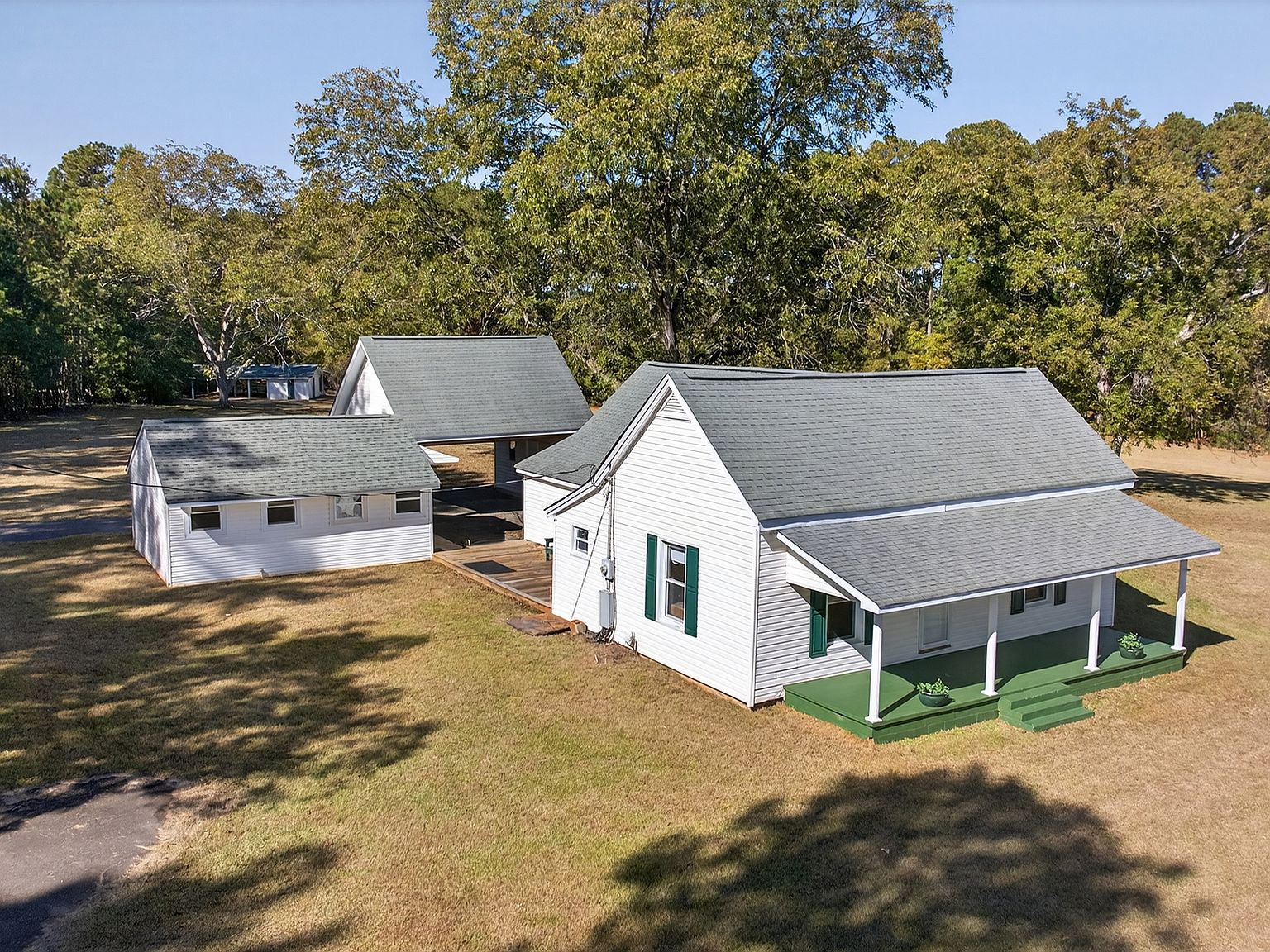
The flat, well-drained ground at 257 Methodist Park Lane is a surviving piece of that agricultural landscape. Before the lake was conceived, before the Corps of Engineers began surveying the river valley, before anyone imagined a 56,000-acre reservoir in the Georgia foothills, this land was a working farm. The house was built in 1873. The pecan trees were planted in the 1870s. The ground was plowed, planted, and harvested by the same family that held it when the water came.
The farm that preceded the lake
Imagine the scene in August of 1885. The corn was tall in the fields, the pecan trees were heavy with still-green nuts that would not be ready until October, and the kitchen garden was producing tomatoes, okra, squash, and beans faster than the family could eat them. The woman of the house was likely canning — rows of mason jars filling the pantry shelves with the preserved summer that would carry the family through winter. The men were cutting hay or repairing fence lines. The children were chasing chickens, gathering eggs, and learning the rhythms of a life that depended entirely on the land's productivity.
This was not a romanticized version of rural life. It was hard work, governed by weather and season and the relentless calendar of planting, cultivating, and harvesting. But it was also the foundation of a community that understood the land as a source of sustenance, not just scenery. The family at Methodist Park Lane grew cotton for cash, corn for meal and feed, and a diverse kitchen garden for the table. They raised hogs for meat and lard, kept a milk cow, and maintained a flock of chickens for eggs. The pecan trees — now the property's most recognizable landscape feature — were planted as a long-term investment in food security. A pecan tree takes ten to fifteen years to produce a meaningful harvest. The family who planted them was thinking not just of themselves, but of the children and grandchildren who would one day gather pecans in November.
That kind of generational farming is increasingly rare in America. The average farm in Georgia today covers more acres than the family could have imagined, and the average farmer is older than the average American worker. But the Northeast Georgia Ag Expo exists precisely to keep that heritage alive — to give a new generation the chance to touch an antique tractor, taste a locally grown tomato, and understand that the red clay beneath the lake still holds the memory of the farms that were here first.
What the land still produces
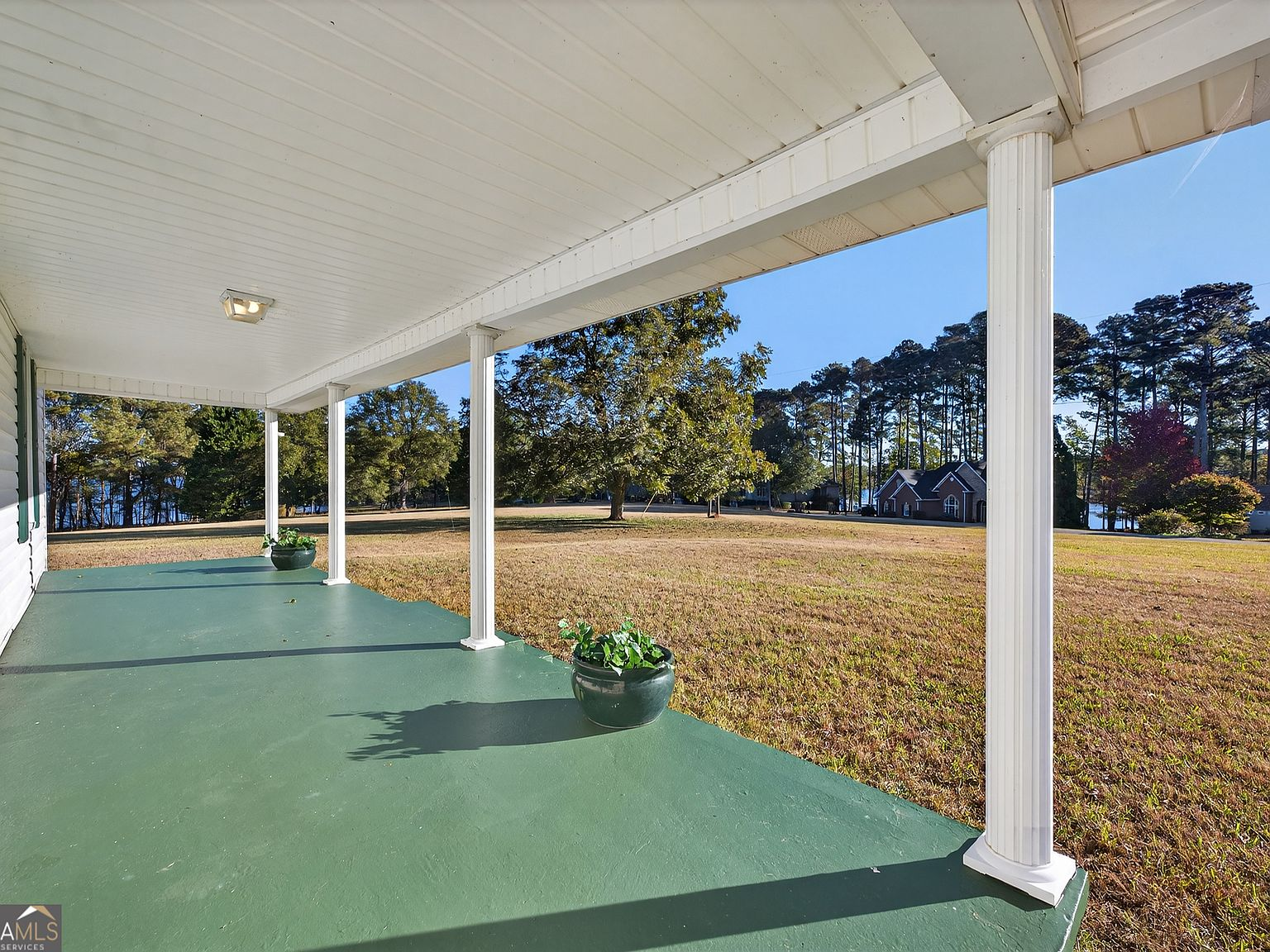
One of the remarkable things about 257 Methodist Park Lane is that the land still produces. The pecan trees — planted in the 1870s and now well over a century and a half old — still drop their harvest every fall. The flat lawn, once a field of corn or cotton, now provides the kind of open, usable space that is the defining luxury of this property. The red clay soil, fed by decades of leaf fall from the pecan canopy, still holds nutrients. The property is no longer a working farm, but it has never stopped acting like one in the fundamental sense: it gives back what is put into it.
That continuity — from hand-planted rows in the 1870s to the Northeast Georgia Ag Expo in 2026 — is what makes this land different from a standard lakefront lot. A typical waterfront property on Lake Hartwell was likely cleared after the lake was created, its soil scraped and graded for a house pad and a septic field. The ground at 257 Methodist Park Lane has been worked, tended, and understood for over 150 years. Every shovelful of soil has been turned before. Every inch of the 4.546 acres has been walked by someone who knew what it could grow.
Why the Ag Expo matters for the property's story
We write about 257 Methodist Park Lane often because the property demands to be understood in context. It is not a house that happens to have a view of the lake. It is a 153-year-old homestead that survived the creation of a 56,000-acre reservoir through a combination of elevation, foresight, and the refusal of the family who held it to walk away. The agricultural roots of the property are not a footnote to the lake lifestyle — they are the reason the land is as fertile, as flat, and as well-drained as it is today.
The Northeast Georgia Ag Expo is a reminder that Hartwell, Georgia, has not forgotten where it came from. The community that shows up at the Agriscience Center on a Saturday morning in August is the same community that launched the town's revitalization, that supports the Hartwell Farmers Market through November, and that chooses controlled growth over sprawl because it values the character of the land as much as the value of the water. The lake makes Hartwell a destination. The agricultural heritage makes it a home.
If you are in the area this Saturday, we encourage you to visit the Northeast Georgia Ag Expo. Walk through the exhibits. Watch the antique tractor show. Talk to the 4-H kids who have been raising animals and growing vegetables all summer. And then, if you have the time, drive the ten minutes to Methodist Park Lane and stand on the lawn. Look at the pecan trees. Feel the flat ground under your feet. You will understand, in a way that no brochure could explain, what it means for a piece of land to hold 150 years of agricultural memory and still be producing.