
Community
A fall morning at Big Hart Farms: Little Sprouts, agritourism, and the working land at Lake Hartwell's edge
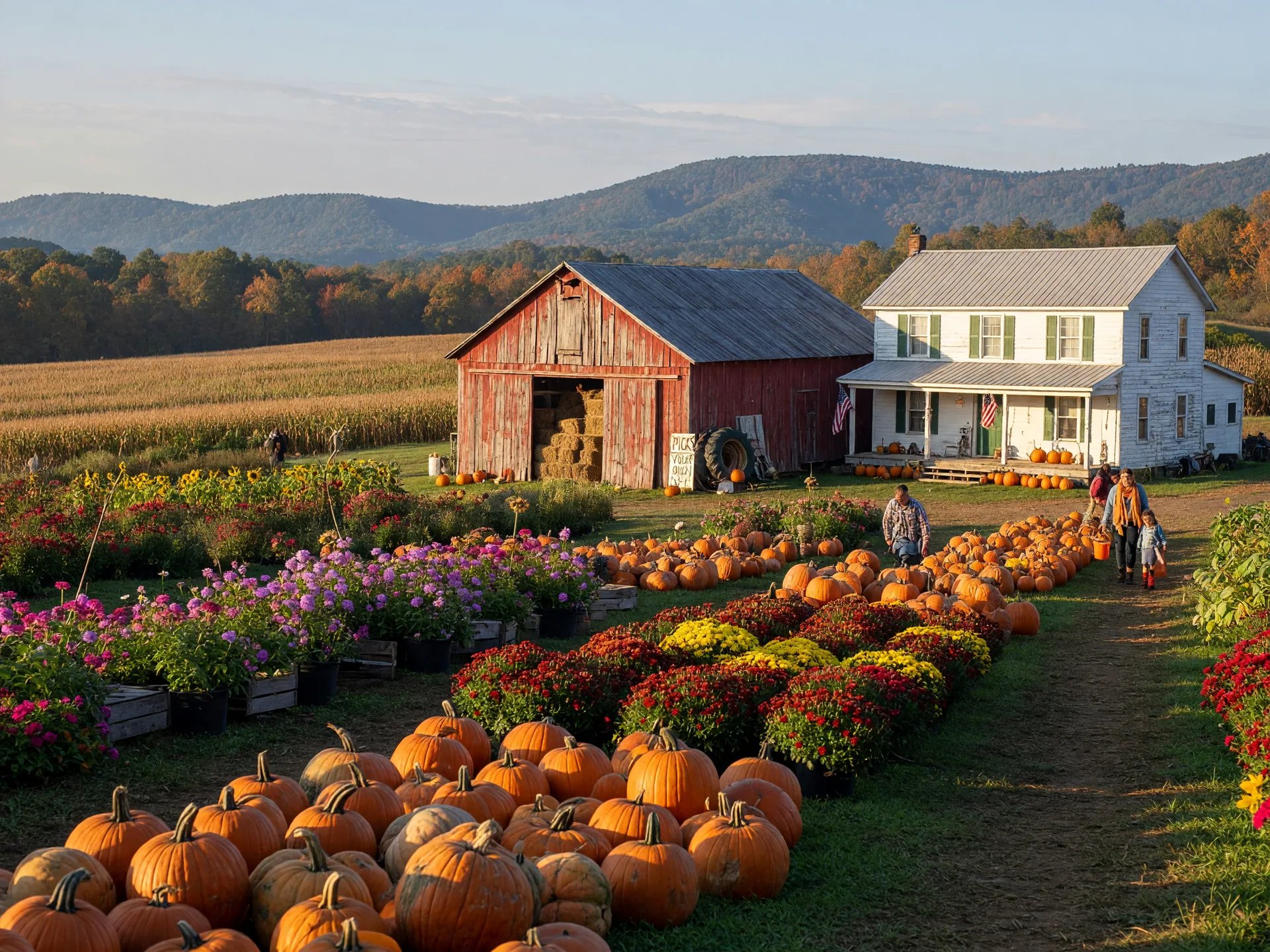
On Sunday, October 11, 2026, Big Hart Farms near Hartwell opens its fields for Little Sprouts, a hands-on children's tour of a working flower farm where kids can pick blooms, explore the rows, and meet the people who grow them. It is a small, gentle event, but it sits at the center of something meaningful: the quiet revival of the working land around Lake Hartwell, and the connection between that land and the estates, like 257 Methodist Park Lane, that grew out of it.
The agritourism season on the Georgia shoreline
Fall is the richest season for agritourism around Hartwell. Farms open their gates for pumpkin patches, flower picking, farm tours, and harvest markets. Big Hart Farms hosts its Little Sprouts tour in October, welcoming families into the fields so children can see where flowers and food actually come from. The Saturday farmers market on the square has been running from April through November, connecting growers directly with the Lake Hartwell community. Together, they are part of a movement that has quietly become one of the reasons people want to live here: the chance to stay close to the land that made this corner of Georgia what it is.
For families considering a move to the lake, the agritourism scene matters in a way that is easy to underestimate. It means children grow up visiting real farms, learning to recognize a pecan tree and a row of zinnias, and understanding that the land around the lake still works. It means weekend traditions that do not require a plane ticket. And it means a community where the value of land is still tied to what it can grow, not just what it can hold.
The working land that built this estate
The land at 257 Methodist Park Lane was a working farm for its first eight decades, before Lake Hartwell ever existed. The family who built the home in 1873 planted pecan trees that still stand and still produce every November, dug a well that sustained the household, and worked the flat, fertile ground above the Savannah River through planting, harvest, and every season in between. The self-sufficiency of that era, the seasonal rhythm of the work, is part of what made the property valuable and what kept the family on it through the great transformation of the 1950s and 1960s.
When the Corps of Engineers dammed the Savannah River, most of the valley's farmland disappeared beneath the reservoir. But the elevated ground of this property survived, and its working heritage did too. The pecan grove remains, a living link to the farming generations. The flat lawn that once grew crops now frames a lake view. In a very real sense, the estate carries both lives: the working land that came before the lake and the lakefront lifestyle that came after.
Why the land around the lake still matters
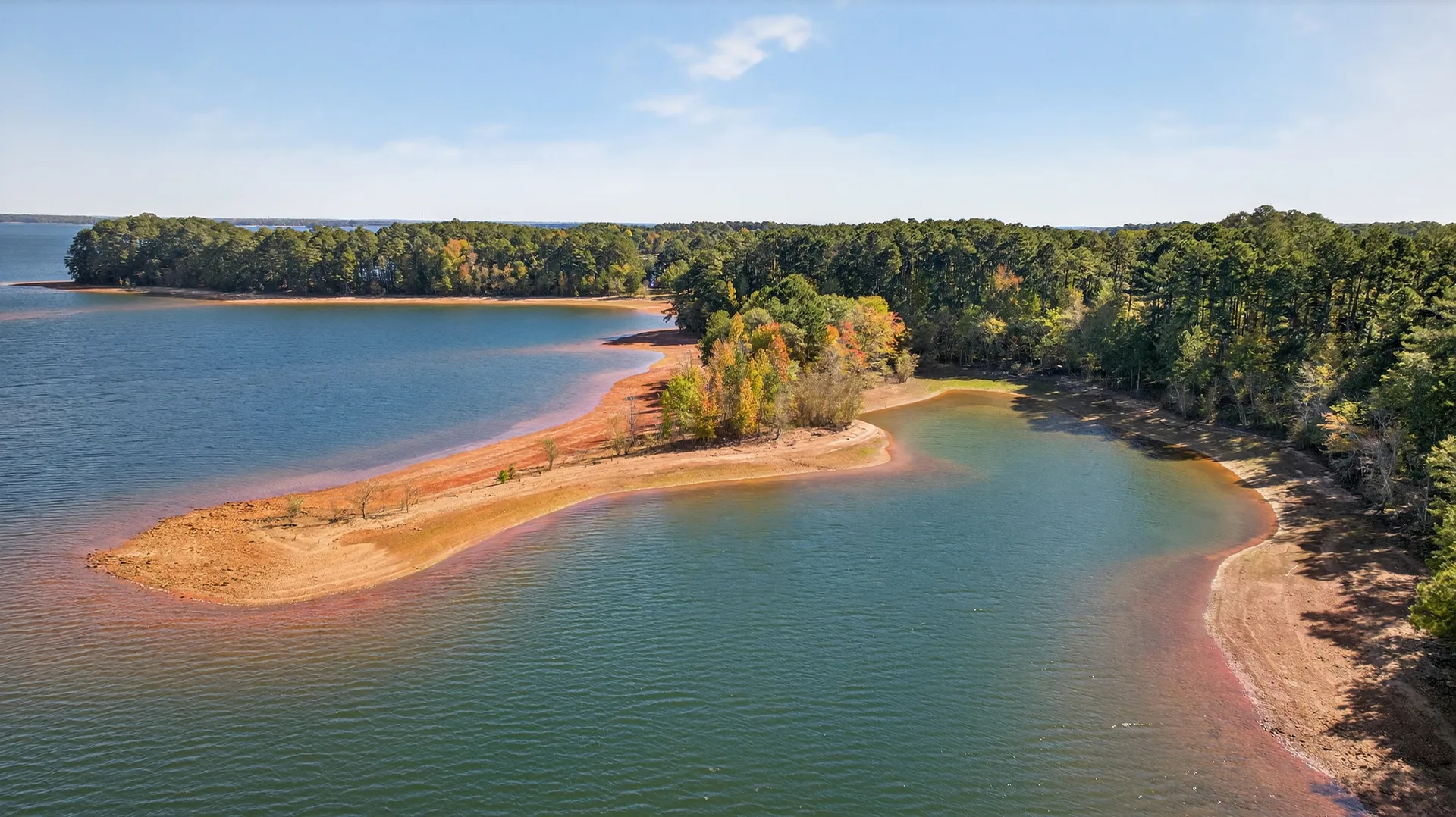
There is a reason the agritourism revival feels at home on Lake Hartwell: the lake itself is a product of land and water meeting. The farms along its edge, the pecan groves on its hillsides, and the estates built on its shoreline all draw from the same soil that has supported life here for generations. A property like 257 Methodist Park Lane is not just a waterfront view. It is 4.546 acres of private, flat, historic land, the kind of acreage that has become rare on the Georgia shoreline and that connects its owner to both the farming heritage and the lake lifestyle.
When we show this property, we talk about the future as much as the history: the chance to preserve the pecan trees and the 1873 home, to host the next generation of gatherings under the pavilion, and to raise a family within minutes of the farmers market, the flower farms, and the community that still knows how to work the land and celebrate it. That is the life Lake Hartwell offers, and it is why the estate at 257 Methodist Park Lane feels both historic and entirely alive.