
Community
Saturday mornings in Hartwell: The farmers market and the community that gathers there
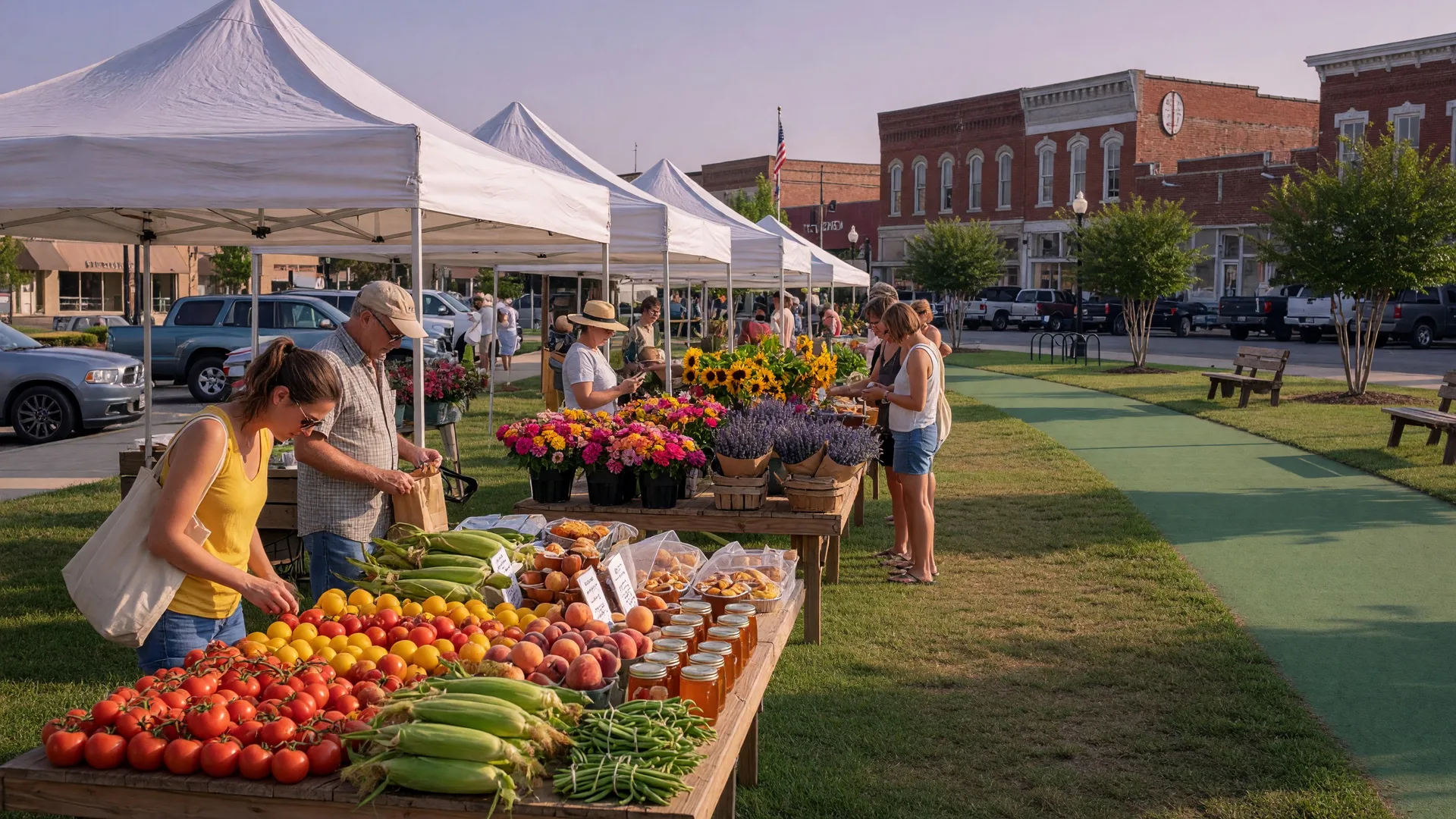
Saturday morning at 257 Methodist Park Lane starts with coffee on the porch, the lake still and silver under the early light. By 7:30, the decision has to be made: stay on the water or head into town. On most summer Saturdays, the answer is both — but town first, because the farmers market waits for no one, and the best produce goes fast.
The market that connects the land to the lake
Every Saturday from the third weekend in April through the Saturday before Thanksgiving, the Hartwell Farmers Market sets up in the downtown area near the Ace Hardware parking lot greenway, at the intersection of GA 51 and US 29. The hours are 7:00 AM until noon — or until the vendors sell out, which happens earlier as the season peaks. It's a small-town market in the best sense: local growers selling what they picked the day before, bakers who were up before dawn, and the kind of community gathering that makes you wonder why you ever shopped for produce anywhere else.
The market is organized by the Hartwell community — not a corporate operation, but a genuine collection of growers and makers from Hart County and the surrounding region. The offerings change with the season: spring brings strawberries, tender greens, and live plants; summer arrives with tomatoes, sweet corn, peaches, and okra; fall ushers in pumpkins, apples, pecans, and the last of the warm-weather harvest before the market closes for the winter.
Beyond produce, the market is a destination for farm-fresh eggs, local honey, jams and jellies made from Georgia fruit, cut flowers, fresh-baked breads, pies, cookies, and handcrafted items. The vendors know their customers by name, and the customers know which farmer grows the best tomatoes and which baker's sourdough sells out first.
What the market tells us about this land
There is a direct line between the pecan trees that shade the lawn at 257 Methodist Park Lane and the produce tables at the Hartwell Farmers Market. The same soil that grows the pecans — Georgia red clay, enriched by generations of organic matter from the river valley — grows the tomatoes, the corn, the peaches that fill the market stalls. The land that the 1873 farmhouse was built on was a working farm before it was a lakefront estate. The family who built it grew food on this ground, tended livestock, and brought their harvest to the same community that now gathers at the market.
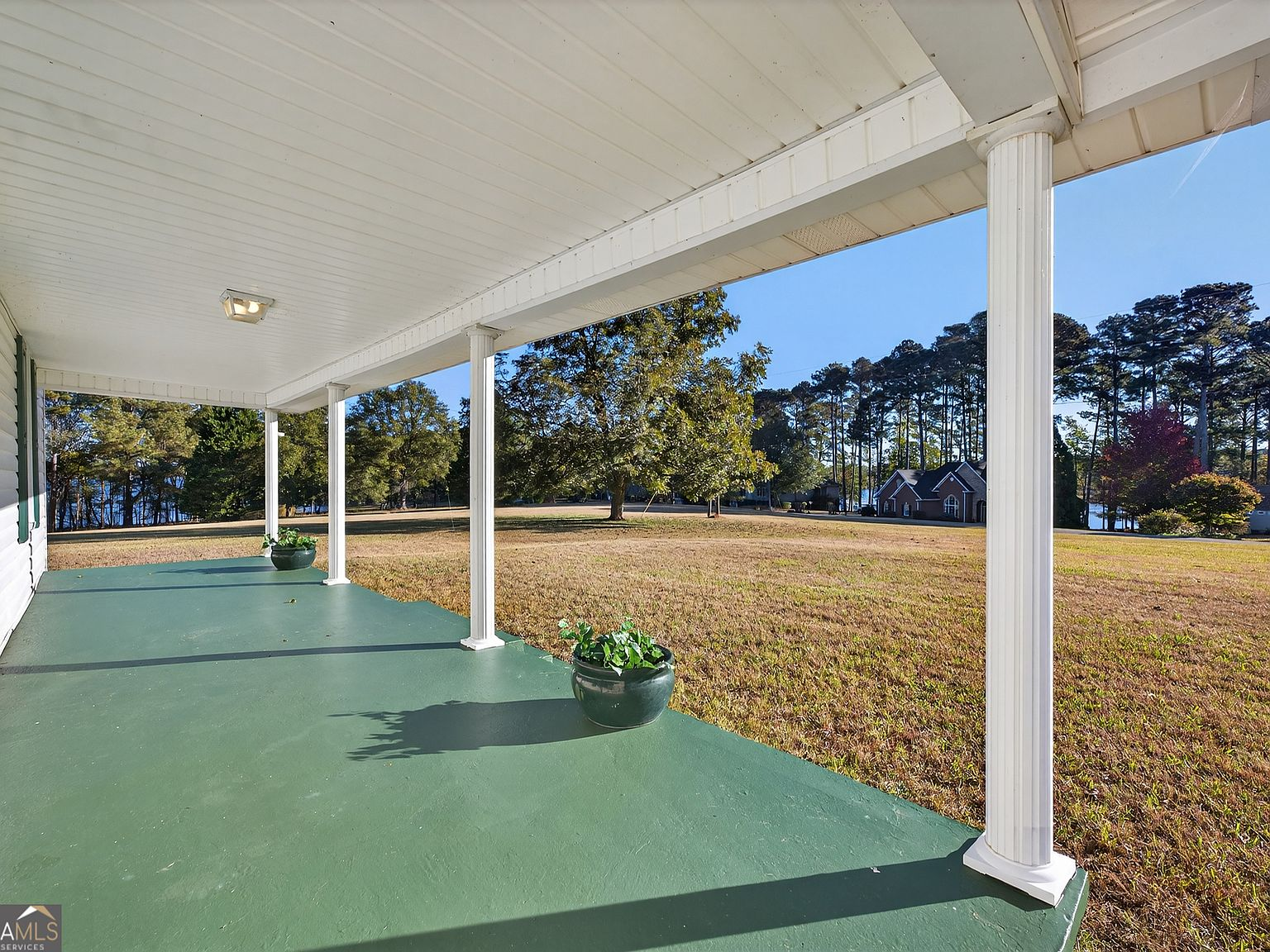
That agricultural heritage is still visible in the property itself. The pecan grove — mature trees that produce 50 to 100 pounds of nuts each in a good year — was planted not for decoration but for sustenance. The flat, open lawn that now hosts lakeside gatherings was once a field. The covered porch, which today faces the lake, originally faced the river valley and the farmland that sustained the family through the seasons.
When we bring prospective buyers to the property, we often suggest they take a Saturday morning to visit the farmers market first. It's a way to understand the community before you understand the house — to taste the local produce, meet the people who grow it, and feel the rhythm of a town that has maintained its connection to the land even as the lake transformed the landscape.
Building a Saturday rhythm
For anyone living at 257 Methodist Park Lane, a Saturday morning routine writes itself naturally. The market is a ten-minute drive from the property — down Methodist Park Lane, past the Corps of Engineers shoreline, and into the heart of downtown Hartwell. You arrive early enough to find parking, grab a coffee from one of the local vendors, and work your way through the stalls before the heat settles in.
The market bags fill with the week's provisions: heirloom tomatoes for lunch, sweet corn for the grill, a jar of local honey for the pantry, fresh flowers for the kitchen table. By 9:30, the heavy shopping is done, and the rest of the morning belongs to the lake. The produce goes into the cooler, the boat goes into the water, and the property's lakeside pavilion becomes the afternoon's gathering spot — the perfect place to enjoy what the market provided, with the lake as the centerpiece.
For families considering relocation to Lake Hartwell, the farmers market is one of the best indicators of what the community is actually like. It's not a tourist attraction. It's a weekly gathering of people who live here, grow food here, and choose to spend their Saturday mornings in each other's company. The pace is unhurried. The conversations are genuine. And the produce — grown in the same Georgia soil that has nourished families in this valley for generations — tastes like the land itself.
What the market says about the community
In our experience helping families relocate across the Southeast — and we understand the complexity of that transition personally, having completed sixteen moves of our own — we've learned that the quality of a community is visible in its Saturday morning. A town with a strong farmers market is a town where people invest in place. Where growers choose to sell locally rather than to distributors. Where neighbors recognize each other's faces and ask about each other's families.
Hartwell is that kind of town. The farmers market, the downtown businesses, the lake community — these are not separate circles but overlapping ones. The person selling you tomatoes at the market might be the same person you see at the boat ramp on Sunday afternoon. The family buying honey might be the family whose pontoon is tied up at the pavilion dock for the Fourth of July raft-up.
That's the community that 257 Methodist Park Lane offers access to. Not just a property on the water, but a place in a network of people who have chosen to build their lives around the lake, the land, and each other. The farmers market is the best introduction to that network — and the best reminder that the agricultural roots of this land are still alive, still producing, and still worth celebrating.