
Heritage
Under the pecan canopy: Georgia’s agricultural roots and the grove at 257 Methodist Park Lane
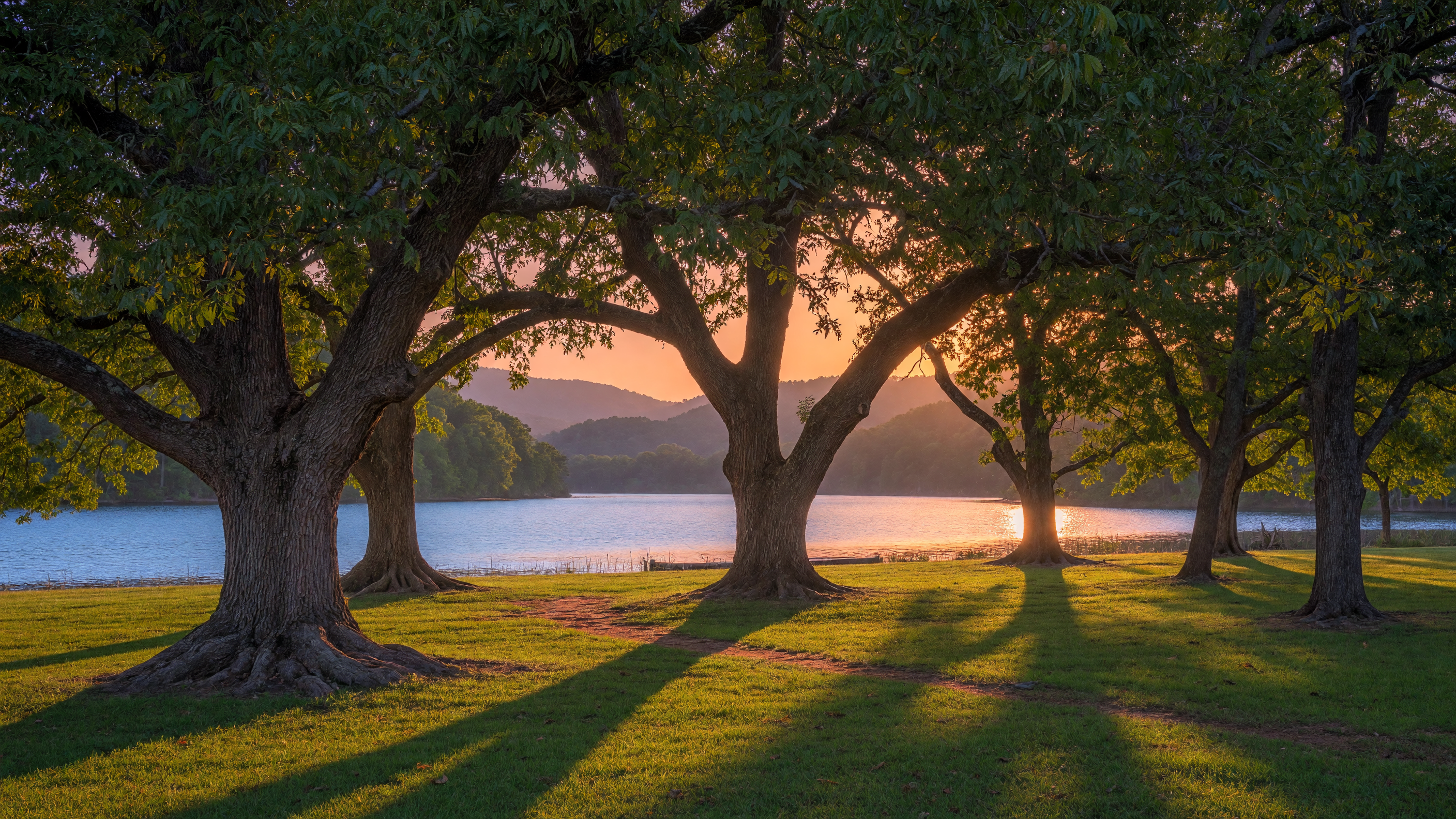
Walk across the lawn at 257 Methodist Park Lane on a September afternoon and you'll hear it before you see it — the soft patter of pecans dropping through the canopy onto the grass below. The grove has been producing for well over a century, long before Lake Hartwell existed, back when this property was a working homestead and the pecans were as much a staple as they were a gift.
Georgia and the pecan: a state built on resilience
Georgia is the largest pecan-producing state in the country, accounting for roughly one-third of total U.S. production — a distinction the state has held since the 1950s. But the pecan's rise to the top wasn't inevitable. It was born from necessity.
In the early 1900s, Georgia's economy was dominated by cotton. When the boll weevil swept through the state in the 1910s and 1920s, devastating crop after crop, farmers were forced to diversify. The pecan tree — native to the river valleys of the Southeast, well-adapted to Georgia's climate, and producing a nut with genuine commercial value — became the replacement crop of choice. By the mid-century, Georgia's pecan groves covered thousands of acres, and the state had redefined its agricultural identity around a tree that takes fifteen years to reach full production but can produce for over a hundred.
That timeline — patience, long-term thinking, investment in something that outlasts the planter — is what makes the pecan tree different from almost every other crop. A pecan grove is a multigenerational commitment. You plant it for your children, and your children's children harvest it.
The Hartwell area: cotton, boll weevils, and reinvention
Hartwell, Georgia, was founded in 1854 and named for Nancy Hart, a Revolutionary War heroine whose granite statue still stands on the courthouse square. The town served as Hart County's agricultural hub — cotton was king, and the river valleys produced reliably until the boll weevil arrived in the 1920s and changed everything.
Like much of the rural South, Hartwell's farmers adapted. Some turned to pecans. Others diversified into livestock, timber, and truck farming. The local economy, which had been built on a single commodity, slowly rebuilt itself around variety. By the time the Corps of Engineers began planning the Hartwell Dam in the 1950s, the area had already survived one existential economic threat and emerged with a more resilient identity.
The families who lived on the land around what would become Lake Hartwell were accustomed to long cycles. They understood that planting a tree was an act of faith, that productive land required maintenance across decades, and that resilience meant adapting to change without abandoning the ground beneath your feet.
A grove planted before the lake existed
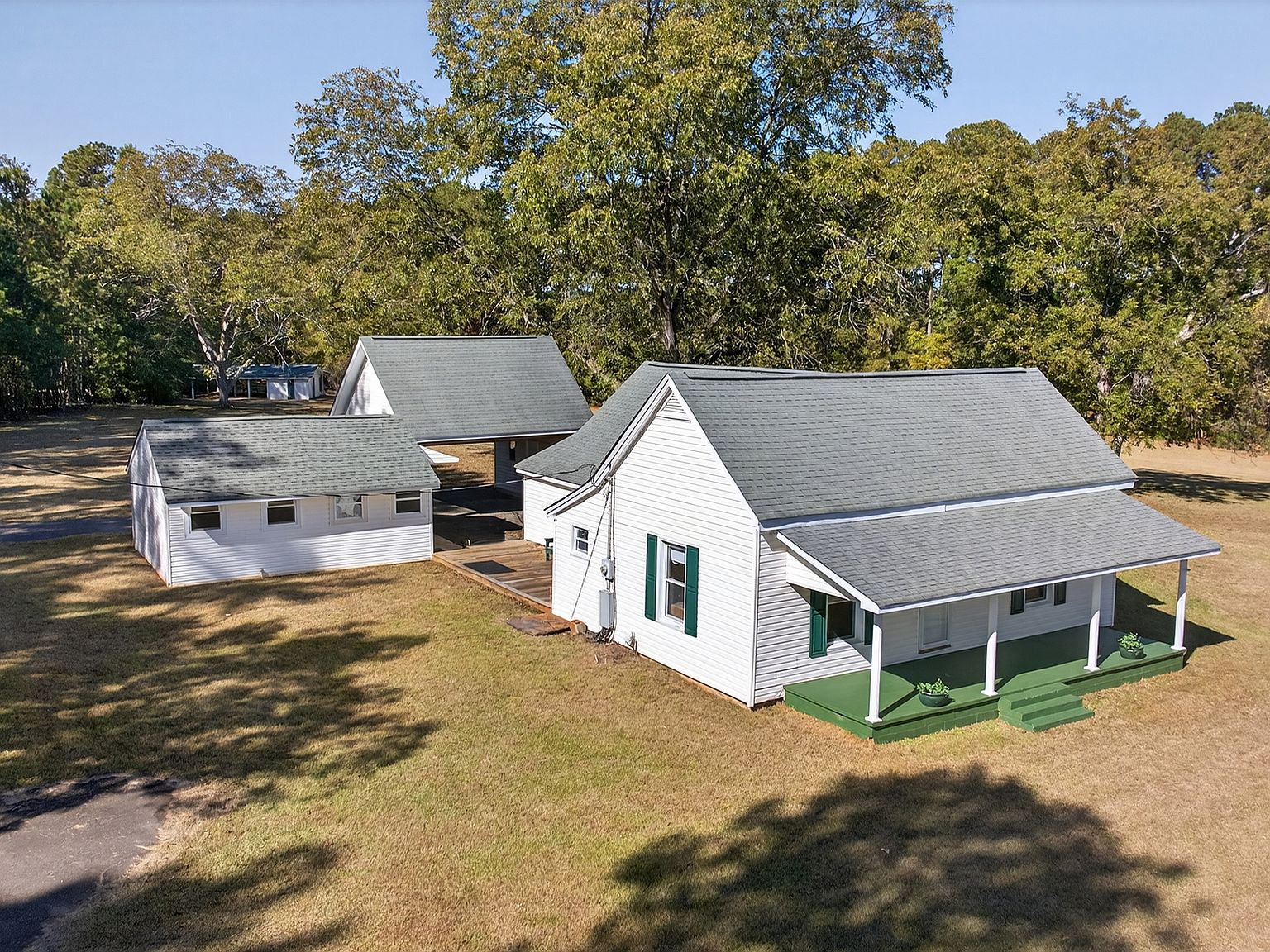
The pecan trees at 257 Methodist Park Lane predate the lake by generations. They were planted by a family that chose this property for the same reasons it was built in 1873 — the flat ground, the fertile soil, the gentle slope toward the river valley. Pecans weren't decorative. They were food, income, and shade in a part of Georgia where summers were long and air conditioning was a century away.
Mature pecan trees require 75 to 100 feet of spacing, deep well-drained soil, and decades of patience. The trees on this property have had all three. They've grown to heights of 60 to 80 feet, their canopies spreading wide enough to shade the entire lawn. Their root systems run deep into the Georgia clay, anchoring them through storms, droughts, and the occasional ice event. They've survived the construction of the Hartwell Dam, the rising of the lake, and every weather event the Appalachian foothills have thrown at them for over a century.
Walking beneath them, you're walking under living things that were planted when Rutherford B. Hayes was president. They were here before the telephone, before the automobile, before the lake. They've provided shade for picnics, cover for birds, and — every autumn — more pecans than any single family could eat.
What the pecans tell you about the family
Planting a pecan tree is one of the most optimistic things a person can do. You won't eat from it for fifteen years. You won't see it reach full production for thirty. You're investing in a future you may not be around to enjoy. Families who plant pecan groves are families who think in decades — who measure their time on the land not in listing cycles but in harvest seasons.
The family that built 257 Methodist Park Lane in 1873 and planted these trees understood something about permanence that's rare in real estate. They didn't build a house; they built an estate. The pecan grove was the centerpiece — not a landscape feature, but a working orchard that provided food, shade, and a reason to gather every November when the nuts began to fall.
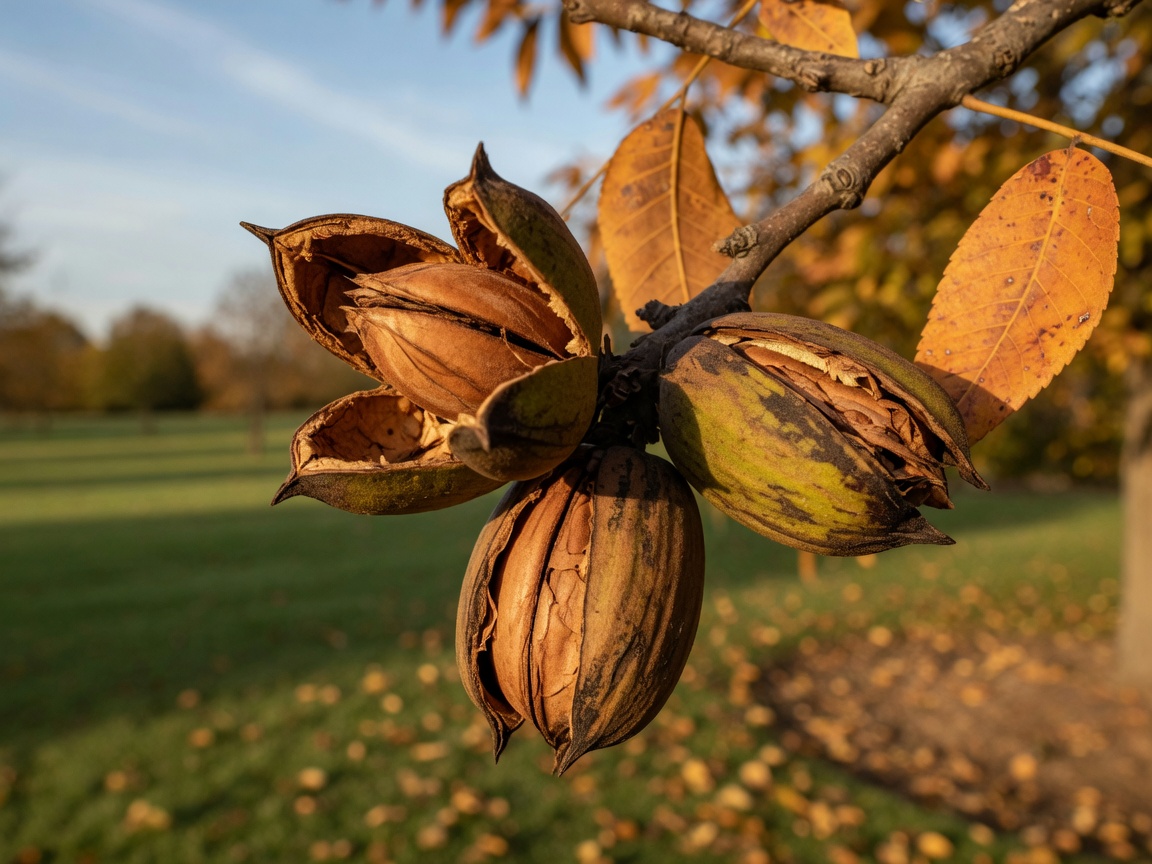
Today, the grove is both a historical artifact and a living amenity. The shade it provides in summer reduces the temperature across the lawn by ten to fifteen degrees. The canopy attracts songbirds, hawks, and the occasional owl. In autumn, the ground beneath the trees is carpeted with fallen pecans — a harvest that, if you wanted to, you could still gather, crack, and eat. The trees don't know the dam was built. They don't know the river became a lake. They just keep producing, year after year, the way they were planted to do.
Georgia's pecan heritage meets lakefront living
There's a particular pleasure in owning a property where the landscape has a purpose beyond aesthetics. The pecan grove at 257 Methodist Park Lane isn't just beautiful — it's productive. Georgia's harvest season runs from late September through December, and the grove on this property follows the same calendar. The varieties planted here are likely native or early cultivars, the kind that were established before the modern papershell varieties became commercially dominant.
For a buyer who values the connection between land and food — who wants a property where the landscape produces something real — the pecan grove is an irreplaceable asset. You can't buy mature pecan trees and transplant them. You can't accelerate their growth. You can only inherit them, maintain them, and pass them along. The grove at 257 Methodist Park Lane has been doing this for over 150 years. It's waiting for the next steward.
November is the month to visit. The leaves will have fallen, the pecans will be on the ground, and the property will show you exactly what it is — a working estate that has been feeding a family since before the lake existed. Grab a bag. Start picking. The trees have been waiting for you.