
Conservation
Conservation and community: how Lake Hartwell's future depends on the people who love it
In 2025, a land trust permanently conserved more than 2,100 acres in the Lake Hartwell watershed. In the same year, harmful algal blooms prompted recreational water watches across multiple arms of the lake. In September, hundreds of volunteers launched boats to collect debris from the water's surface. These aren't separate stories. They're the same story — a community fighting for the future of a lake that defines its identity.
2,100 acres that will never be developed
In 2025, Upstate Forever — a regional conservation organization operating across South Carolina and into the Georgia borderlands — permanently conserved more than 2,100 acres of land. The conservation included key parcels within the Lake Hartwell watershed, protecting land that filters water, stabilizes soil, and prevents the nutrient runoff that drives algal blooms.
This isn't abstract environmental policy. It's the difference between a lake that stays clean and one that doesn't. Every acre of undeveloped land in the watershed acts as a natural filter — tree roots absorbing nutrients, leaf litter stabilizing banks, native vegetation preventing the kind of erosion that turns clear water murky. When that land is developed — when lawns replace forests, when impervious surfaces replace soil, when fertilizer replaces natural nutrient cycles — the lake pays the price.
The 2,100-acre conservation represents a long-term investment in Lake Hartwell's water quality. Permanently conserved land cannot be converted to residential or commercial development, cannot be cleared for agriculture, and cannot be paved for parking lots. It stays wooded, stays natural, and stays functional as part of the lake's watershed for as long as the conservation easement holds — which, in the case of permanent land trusts, is forever.
For waterfront property owners, this kind of upstream conservation is the most meaningful protection available. You can maintain your own shoreline, manage your own runoff, and control your own impact. But the water that reaches your dock passes through thousands of acres of land before it gets there. When that upstream land is protected, the water quality at your property benefits directly.
The algal bloom challenge
Lake Hartwell's water quality challenge isn't theoretical. In April 2025, the South Carolina Department of Environmental Services (SCDES) issued a recreational water watch after harmful algal blooms (HABs) — colonies of cyanobacteria — appeared in several arms of the lake. The blooms persisted through June 2025. In May 2026, the pattern repeated: SCDES issued another HAB recreational watch for the Coneross Creek, Eighteenmile Creek, and Tugaloo River arms, with low cyanotoxin levels detected.
The blooms are driven by warm water temperatures, nutrient runoff, and the shallow, slow-moving coves where cyanobacteria thrive. They're not unique to Lake Hartwell — similar events have affected reservoirs across the Southeast — but their recurrence has prompted a community-wide response that goes beyond monitoring and into action.
The Lake Hartwell Association (LHA) has been at the center of that response. The organization conducts independent water quality studies, coordinates with state agencies on bloom monitoring, and educates property owners about shoreline management practices that reduce nutrient loading. Their work has shifted the conversation from reactive — responding to blooms after they appear — to proactive — preventing the conditions that create them.
Splash Away the Trash: when the community shows up
Every September, the Lake Hartwell community mobilizes for Splash Away the Trash — an annual cleanup event that brings together residents, boating clubs, conservation groups, and volunteers for a day of on-water debris collection. Volunteer boats fan out across the lake, collecting everything from floating trash to submerged hazards that the Corps of Engineers can't address alone.
The event is organized by the Lake Hartwell Association and supported by local businesses, marinas, and community organizations. In fall 2025, the cleanup drew volunteers from across the Georgia and South Carolina shores, reflecting the kind of genuine environmental stewardship that characterizes the lake community. People who live on the water tend to care about the water — and Splash Away the Trash is the most visible expression of that care.
Beyond the immediate impact — cleaner water, safer navigation, a lake that looks better after the event than before — Splash Away the Trash serves a social function. It brings the lake community together around a shared purpose. The post-cleanup gathering, typically held at a local marina or restaurant, is one of the most genuine social events on the Lake Hartwell calendar. No RSVP required. No registration fee. Just show up with a boat and a willingness to haul trash.
The fall 2025 Splash Away the Trash recap from the LHA documented the scope of the effort and the community's response — a reminder that lake conservation isn't something that happens in a statehouse or a laboratory. It happens on the water, with volunteers, one boatload at a time.
The partnership that keeps the science grounded
Lake Hartwell's conservation isn't just community-driven — it's science-supported. Clemson University's Lake Hartwell Partners for Clean Water program connects academic research with practical conservation, providing water quality testing, watershed planning, and stormwater management guidance to communities across the lake. The program supports the SC Adopt-a-Stream initiative, training volunteers to collect water quality data that feeds into state monitoring systems.
This partnership between community organizations and academic institutions is what distinguishes Lake Hartwell's conservation approach from purely reactive management. The data collected by volunteer monitors, the studies conducted by Clemson researchers, and the policy recommendations developed by the LHA create an evidence base that guides both individual property decisions and regional planning.
For waterfront property owners, the practical takeaway is straightforward: the organizations that protect Lake Hartwell are active, organized, and effective. The water quality monitoring network is in place. The conservation land trusts are acquiring and protecting critical watershed parcels. The community cleanup infrastructure exists and grows each year. The science is being conducted, and the results are being applied.
What natural shoreline means for property value
There's a direct connection between conservation efforts and property values on Lake Hartwell. A lake with clean water holds its value. A lake with recurring algal blooms and health advisories doesn't. The $57.4 million in tourism revenue that Lake Hartwell generates annually for Hart County depends on the water being clean enough to swim, fish, and live beside.
The conservation work happening now — Upstate Forever's land acquisitions, the LHA's water quality advocacy, Clemson's research partnerships, the Splash Away the Trash cleanups — is the infrastructure that protects that value. It's invisible infrastructure. You won't see it in a listing description or a property brochure. But it's the reason the water at your dock stays clear, the reason the fish keep biting, and the reason the lake community attracts the kind of people who care enough to invest in it.
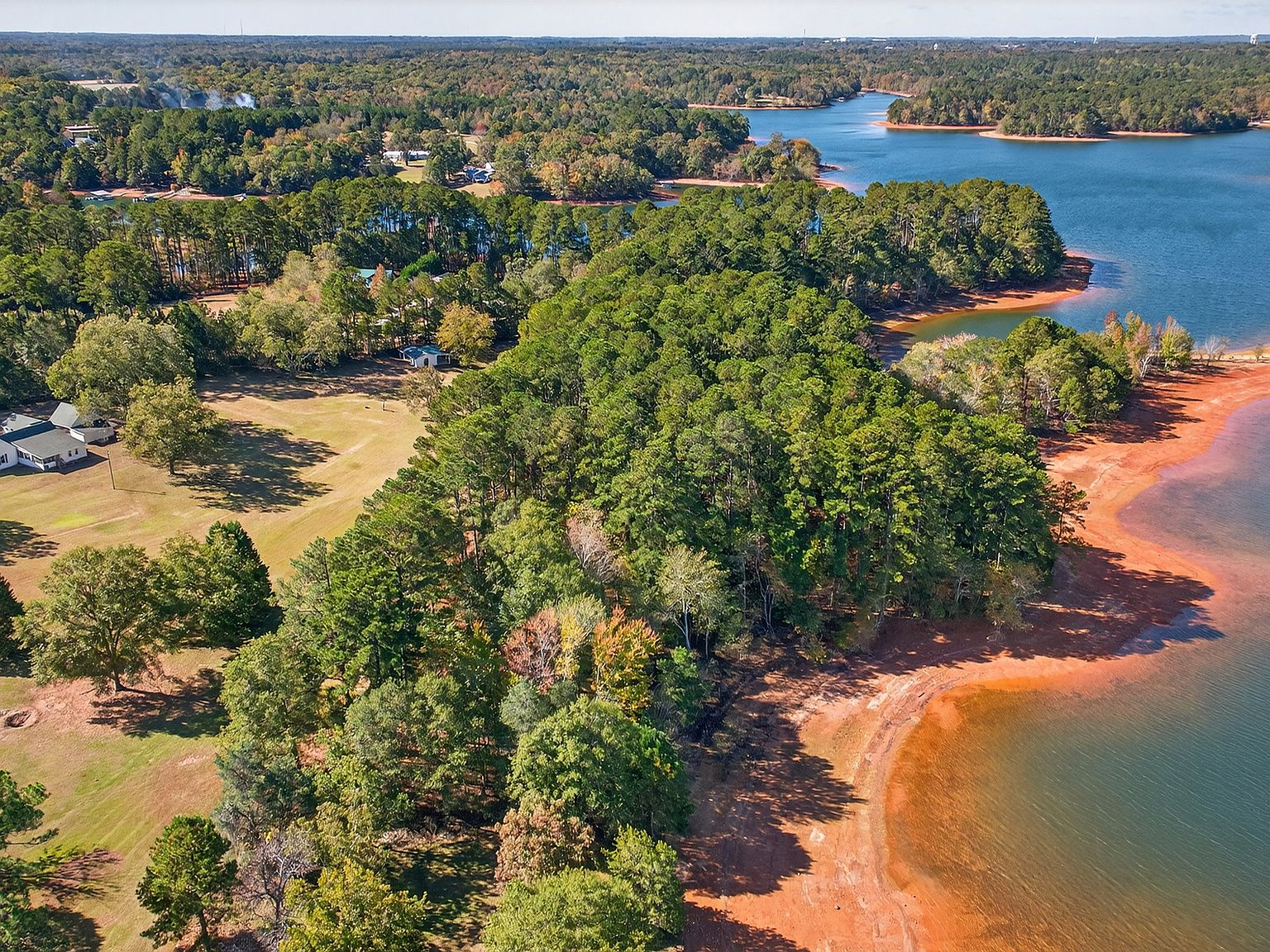
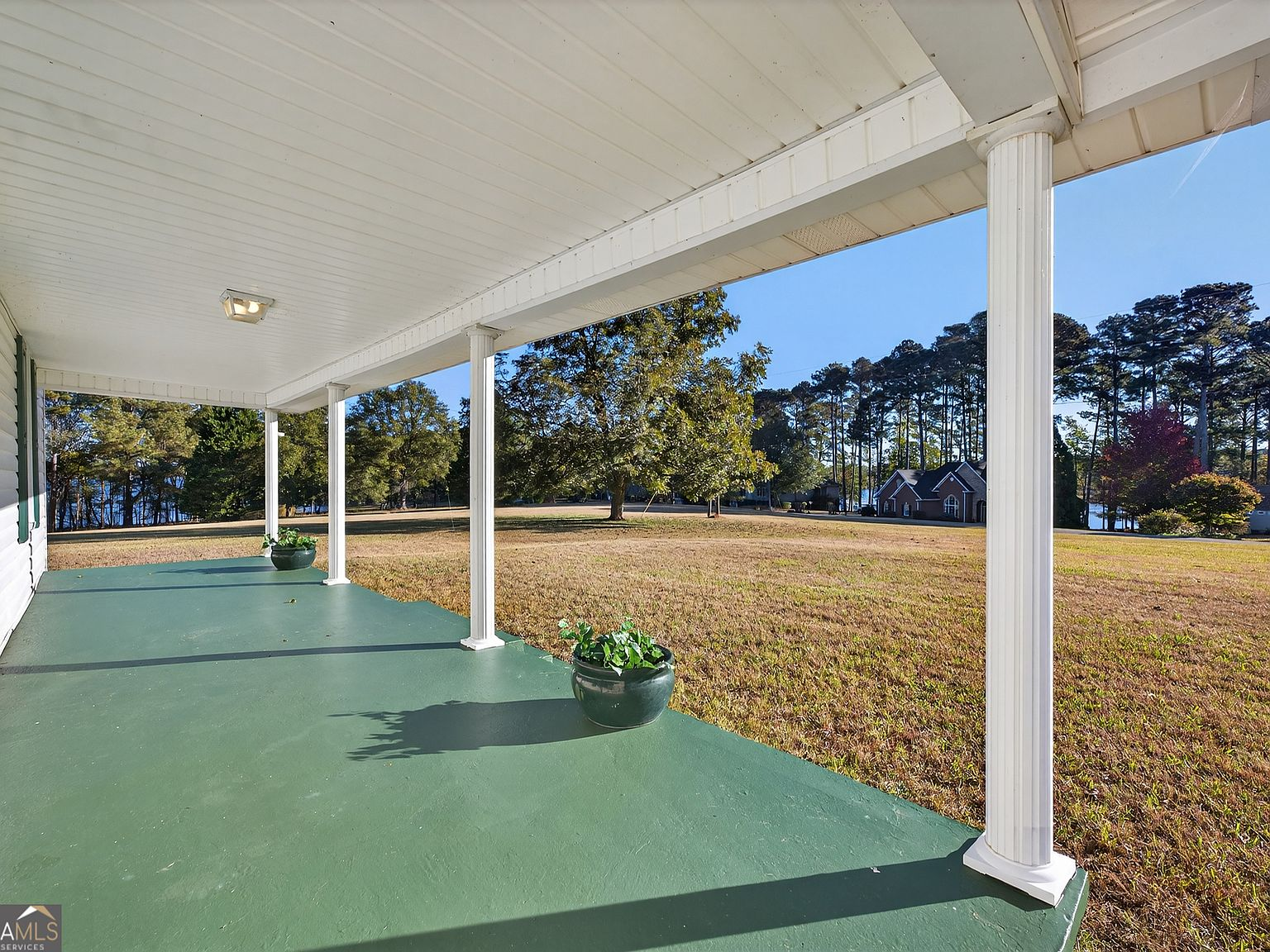
At 257 Methodist Park Lane, the conservation narrative connects directly to the property's physical characteristics. The 4.546 acres of flat, private land sit on the Georgia Corps of Engineers shoreline — natural, undeveloped, and wooded. The bank is stable, the buffer is intact, and the water quality benefits from the same kind of natural filtration that Upstate Forever is working to preserve across the watershed. The property isn't just on the lake — it's part of the system that keeps the lake healthy.
The next decade
Lake Hartwell faces a future shaped by two competing forces: growth and stewardship. The community is growing — new construction in Hartwell, a new lakeside resort on the shore, an increasing number of families choosing the lake as a primary residence. Growth brings economic energy, cultural depth, and the kind of year-round activity that sustains a community. It also brings development pressure on the watershed, increased nutrient loading, and the potential for the algal bloom events to become more frequent.
The conservation community is responding. Upstate Forever's land acquisitions represent the most significant watershed protection effort in the lake's recent history. The LHA's advocacy has elevated water quality from a technical issue to a community priority. Clemson's research partnerships provide the data needed to make informed decisions. And events like Splash Away the Trash mobilize the kind of grassroots engagement that no government program can replicate.
For the next owner of 257 Methodist Park Lane, this conservation context is part of what you're buying. You're buying a property on one of the cleanest stretches of Lake Hartwell's Georgia shoreline — natural, undeveloped, and protected by the Corps of Engineers management philosophy that has kept the Georgia bank in its natural state for over sixty years. You're buying into a community that actively maintains its water quality through organized conservation, academic partnerships, and volunteer engagement.
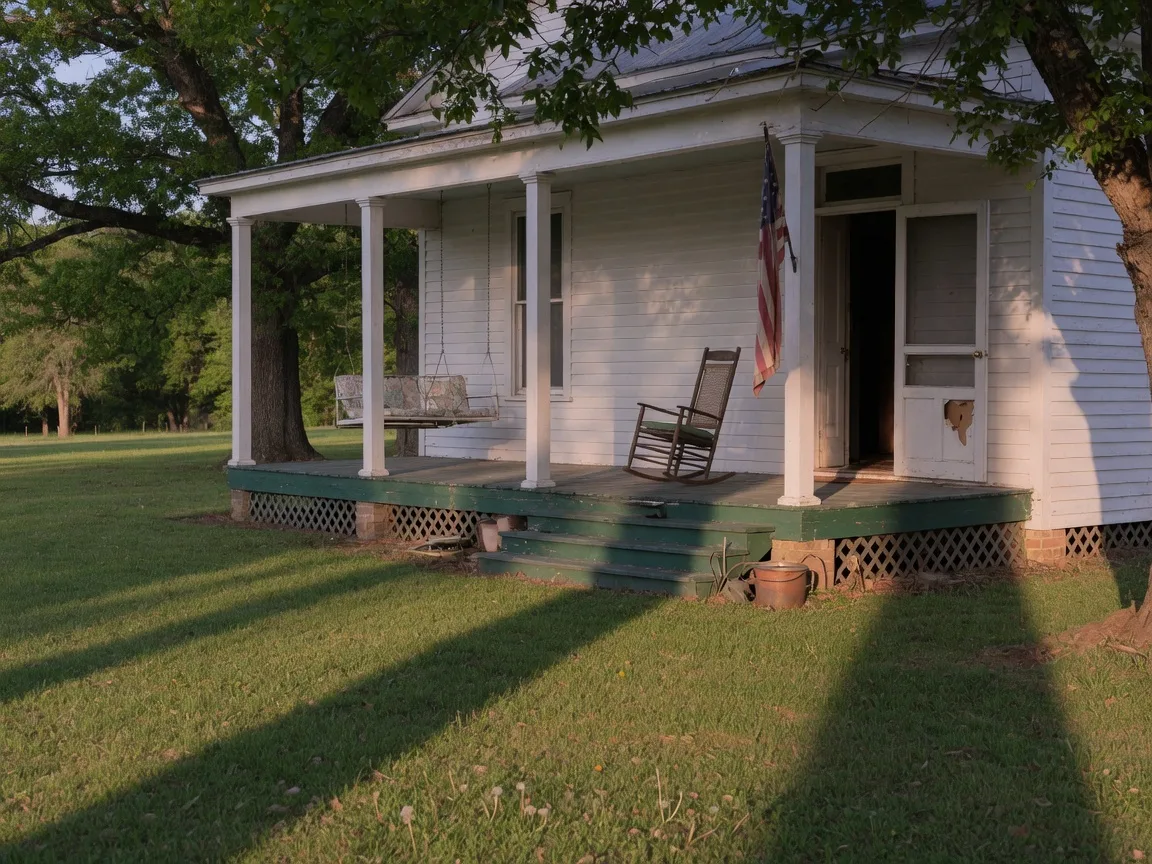
The families who have held this property since the 1800s understood something about stewardship that the conservation community is now articulating in institutional terms: the land and the water are one system. What happens on the shore determines what happens in the lake. The pecan trees, the flat lawn, the wooded buffer between the property and the water — these features have been protecting Lake Hartwell's water quality for decades, long before anyone was measuring cyanobacteria levels.
That stewardship continues. The lake is in good hands — the hands of a community that shows up, that volunteers, that advocates, and that understands the value of what it has. For the next owner of this property, the invitation is to join that effort. The water is worth it. The community is already doing the work. And 257 Methodist Park Lane, with its natural shoreline, its wooded buffer, and its position on one of the lake's most protected stretches, is already part of the solution.