
Community
The Dam Run: crossing one of the largest earthen dams in the Southeast
You're standing at the base of a wall of earth that is 194 feet high, 3.5 miles long, and holds back 56,000 acres of water. The Hartwell Dam is one of the largest earthen dams ever built by the U.S. Army Corps of Engineers — a structure so massive that when the annual Lake Hartwell Dam Run routes participants across its crest, it takes most runners the better part of an hour just to cover the distance. The race is a community tradition, a fitness event, and — whether the organizers intend it or not — a reminder of the infrastructure that made Lake Hartwell, and everything on its shores, possible.
The dam that made the lake
The Hartwell Dam was authorized by the Flood Control Act of 1950 and built between 1955 and 1962 on the Savannah River at the Georgia-South Carolina border. The project was part of a broader Corps strategy to control flooding in the Savannah River basin, generate hydroelectric power, and improve water supply and navigation across the region. The dam impounds the Savannah, Seneca, and Tugaloo Rivers, creating a reservoir that stretches across 56,000 surface acres with nearly 960 miles of shoreline — making it one of the largest man-made lakes in the Southeast.
The construction displaced nearly 2,000 families. Homes, farms, churches, and communities were submerged as the water rose year by year. Entire towns — Andersonville, Portersville, and dozens of unnamed homesteads — disappeared beneath the surface. The landscape that existed before the dam — a patchwork of river-bottom farms, pecan groves, and family homesteads — was replaced by a body of water that would reshape the economic and social identity of Hart County.
The dam itself is the physical barrier that makes the lake possible. Without it, there is no Lake Hartwell, no bass fishing economy, no 9-million-visitor tourism engine, no pontoon lifestyle. The dam is the infrastructure. Everything else — the marinas, the communities, the festivals, the property at 257 Methodist Park Lane — exists because this wall of earth holds the water in place.
What the Dam Run looks like
The Lake Hartwell Dam Run is an annual 5K and 10K race organized by the Hart County Running Club and the Hartwell Lions Club. The course routes participants across the crest of the Hartwell Dam — a wide, paved access road that offers unobstructed views of the lake on one side and the Savannah River valley below on the other. It is, by almost any measure, one of the most unusual race courses in the Southeast.
The 10K course covers the full length of the dam's crest and returns, giving runners roughly 3.5 miles on the structure itself. The elevation profile is gentle — the dam was engineered for stability, not drama — but the exposure to wind off the lake and the psychological weight of running atop a structure that holds back billions of gallons of water makes it more memorable than the numbers suggest. The 5K offers a shorter out-and-back for those who want the experience without the full distance.
The post-race gathering has become a community tradition in its own right. Families gather at the finish line. The Lions Club serves food. Local businesses sponsor water stations and finisher medals. It's the kind of event where the fastest runner and the slowest walker end up in the same conversation afterward — united by the shared experience of having crossed the wall that made the lake.
The engineering behind the water
The Hartwell Dam is a zoned earthfill dam — constructed from compacted layers of clay, sand, and rock, designed to be impermeable and structurally stable across centuries of service. The dam's crest sits at approximately 675 feet above mean sea level, with the normal full-pool water level at 660 feet — meaning the dam provides 15 feet of freeboard above the designed maximum water level. The structure was built to manage floods, generate power, and maintain water supply for downstream communities all along the Savannah River basin.
The Corps manages the lake's water level through a seasonal "rule curve" — a schedule that dictates target elevations throughout the year. Summer full pool (660 feet) typically runs from mid-April through mid-October. In fall and winter, the Corps draws the pool down to approximately 656 feet — a four-foot reduction that creates flood-storage capacity for spring rains. During drought years, the drawdown can be significantly deeper. In the 2025–2026 drought, the lake fell more than seven feet below full pool, triggering Drought Trigger Level 2 and prompting the Corps to restrict water releases to conserve storage.
For waterfront property owners, understanding this system matters. Lake Hartwell is not a static body of water — it's a managed reservoir whose level fluctuates based on rainfall, drought, downstream demands, and the Corps' multi-purpose mandate. A property that works only at full pool is a property that will have problems during drawdown. A property that works at any water level — one built on high ground, above the flood line, on the kind of land that doesn't depend on a specific elevation — is a property designed for the reality of a managed lake.
What running the dam teaches you about the land
If you run the Dam Run — or even drive across the dam on the access road — you gain a perspective on Lake Hartwell that you don't get from the water. You see the scale. The reservoir stretches to the horizon in both directions. The shoreline is wooded and undeveloped for long stretches, managed by the Corps to maintain water quality and ecological health. The dam itself is an engineering monument — a wall so large that its presence is almost invisible until you stand on it and realize what it's holding back.
That perspective matters for anyone considering property on the lake. Lake Hartwell isn't a natural lake that was discovered and developed. It's an engineered landscape — a river valley that was dammed, flooded, and managed into existence. The water level is controlled. The shoreline is regulated. The ecological health depends on the Corps' management decisions and the community's stewardship. Understanding that infrastructure is part of understanding the place.
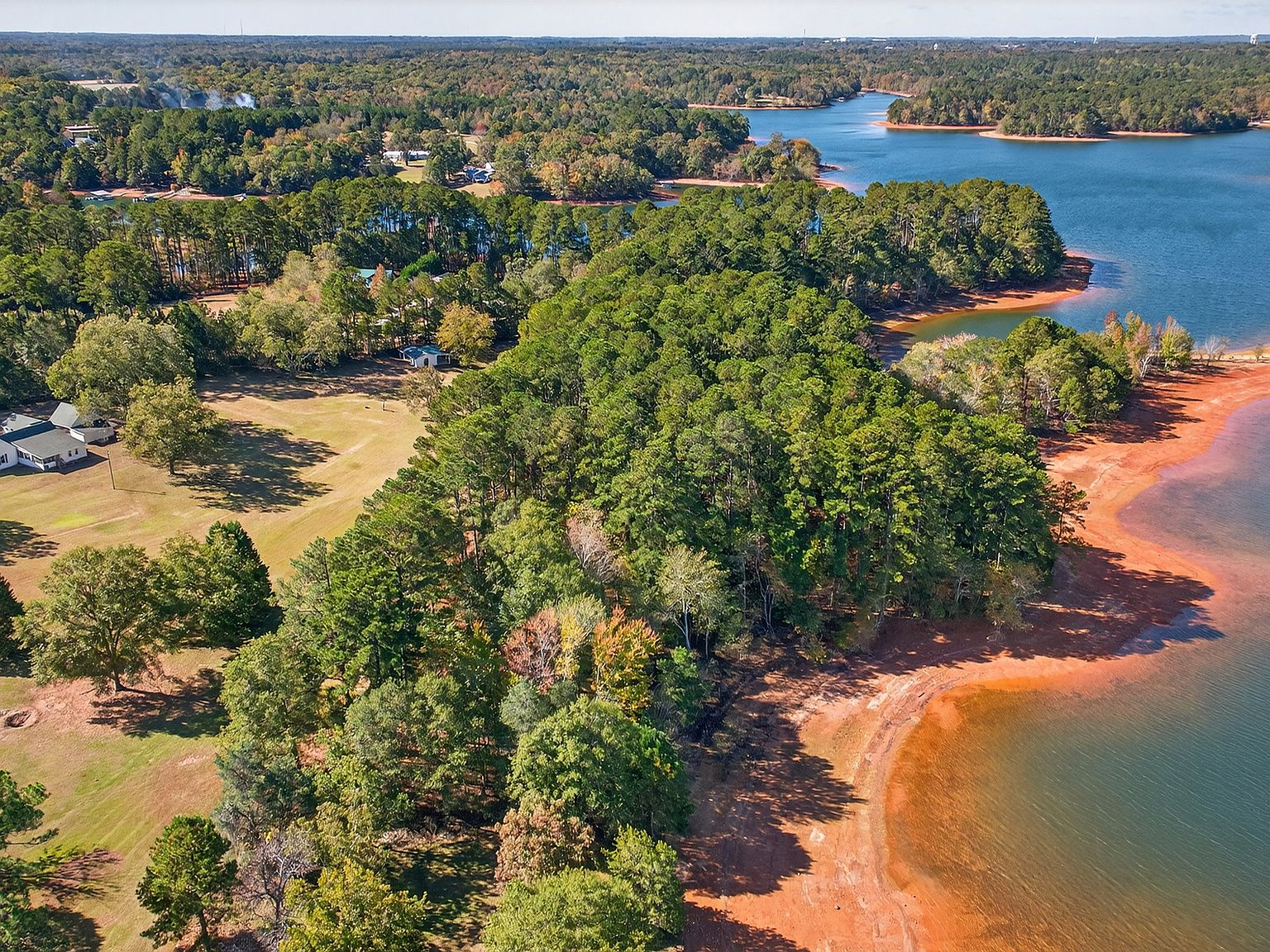
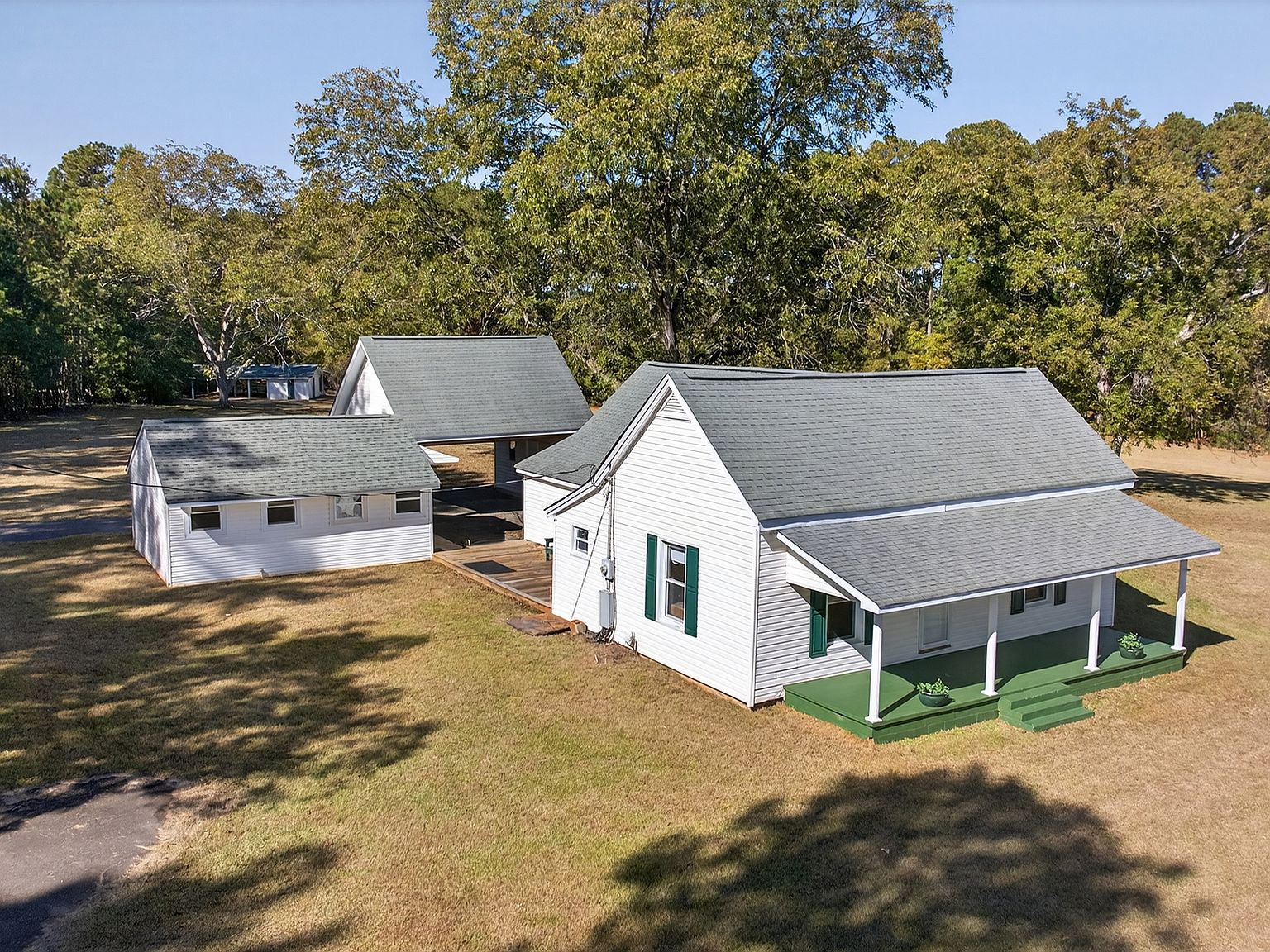
257 Methodist Park Lane exists in this context. The property predates the dam by 82 years — the 1873 farmhouse was already a century-old homestead when the Corps began construction in 1955. The family held the land through the displacement, through the rising water, and through the transformation of their river valley into a reservoir. The property survived because it sits on high ground, above the full-pool line, on land that was never at risk from the water. The dam made the lake. The land made the property possible.
The dam run as community ritual
Beyond the physical challenge and the engineering context, the Dam Run serves a community function that's worth noting. The race brings together runners from across the region — not just Hartwell residents, but participants from Anderson, Greenville, Athens, and Atlanta who make the drive specifically for the chance to run across the dam. The event generates the kind of casual social mixing that builds community: conversations at the water stations, shared encouragement on the climb, post-race meals at the pavilion.
For families considering relocation to Lake Hartwell, these community events are leading indicators. A town that organizes a 5K across its own infrastructure isn't just providing entertainment — it's demonstrating civic capacity, volunteer commitment, and the kind of social cohesion that makes a small town function. The Hart County Running Club and the Hartwell Lions Club aren't faceless organizations. They're neighbors, business owners, and lake residents who invest their time in making the community work.
The Dam Run sits within a calendar of community events that runs year-round — the Lakeside Music Festival in spring, the Pre-4th Fireworks in summer, the Splash Away the Trash cleanup in fall, the Christmas Parade in winter. Each event reflects a different facet of the community's character. The Dam Run reflects its resilience — the willingness to show up, run the distance, and cross the structure that made the lake possible.
What the dam means for property
The Hartwell Dam is the reason Lake Hartwell exists, and Lake Hartwell is the reason waterfront property on its shore has value. The dam created the water. The water created the community. The community created the demand. And that demand — 9 million visitors annually, a $57.4 million tourism economy, a national reputation as a premier bass fishery — is what sustains property values on the lake.
But the dam also creates the constraints. The Corps manages the water level, the shoreline, and the ecological health of the reservoir. Properties along the Corps-managed Georgia shoreline — like 257 Methodist Park Lane — benefit from that management: natural, undeveloped wooded banks, clean water, and the kind of protected coves that maintain both ecological health and privacy. The tradeoff is regulatory: the Corps sets the rules, and the water level is what it is.
The properties that thrive in this environment are the ones built above the flood line, on high ground, with enough elevation to function at any water level. 257 Methodist Park Lane is one of the last remaining large-acreage parcels on Lake Hartwell's Georgia Corps of Engineers shoreline — 4.546 acres of flat, private land that has been continuously occupied since 1873. The dam didn't create this property. But the dam made it lakefront. And the family that held the land understood, perhaps before anyone else, that the best position on a managed lake is the one that doesn't depend on the water level at all.
When you run the dam, you see that truth from above: the lake, the shoreline, the properties scattered along the banks. Some sit low, dependent on full pool, vulnerable to drawdown. Others sit high, above the line, indifferent to the fluctuations. 257 Methodist Park Lane is in the second category — and that's the reason it has survived for over 150 years, through every drought, every drawdown, and every transformation the water has brought.