
Generations
Generations of gathering: from farm suppers to summer festivals on the same Lake Hartwell land
In the 1880s, when the farmhouse at Methodist Park Lane was barely a decade old, the family would roll a long wooden table out from the kitchen onto the lawn under the pecan trees. Neighbors arrived on foot or by wagon, sometimes traveling miles of dirt road. The meal was simple by modern standards: fried chicken from the yard, cornbread from the summer harvest, preserves put up the previous fall. But the gathering itself mattered more than the menu. It was how a community held itself together in the river valley, long before the lake made the neighborhood denser and more connected.
The first gatherings on this ground
The land at 257 Methodist Park Lane has been a gathering place since the beginning. The flat, open lawn, rare in the rolling Piedmont, made it a natural destination for community events. There were Sunday dinners after church at the nearby Methodist meeting house (which gave the lane its name). There were harvest suppers when the pecans came down and the corn was in. There were Fourth of July celebrations before the lake existed, when families simply gathered on the rise above the Savannah River and watched the fireflies compete with the stars.
Those early gatherings had a practical dimension that is easy to overlook today. In the rural South of the 19th and early 20th centuries, community was survival. Families shared tools, labor, and knowledge. When a barn needed raising, the neighbors showed up. When someone fell ill, meals arrived at the door. The property at Methodist Park Lane, with its generous grounds and central location, became a natural hub for the kind of mutual dependence that defined rural life in the Georgia foothills.
When the lake arrived and the gatherings grew
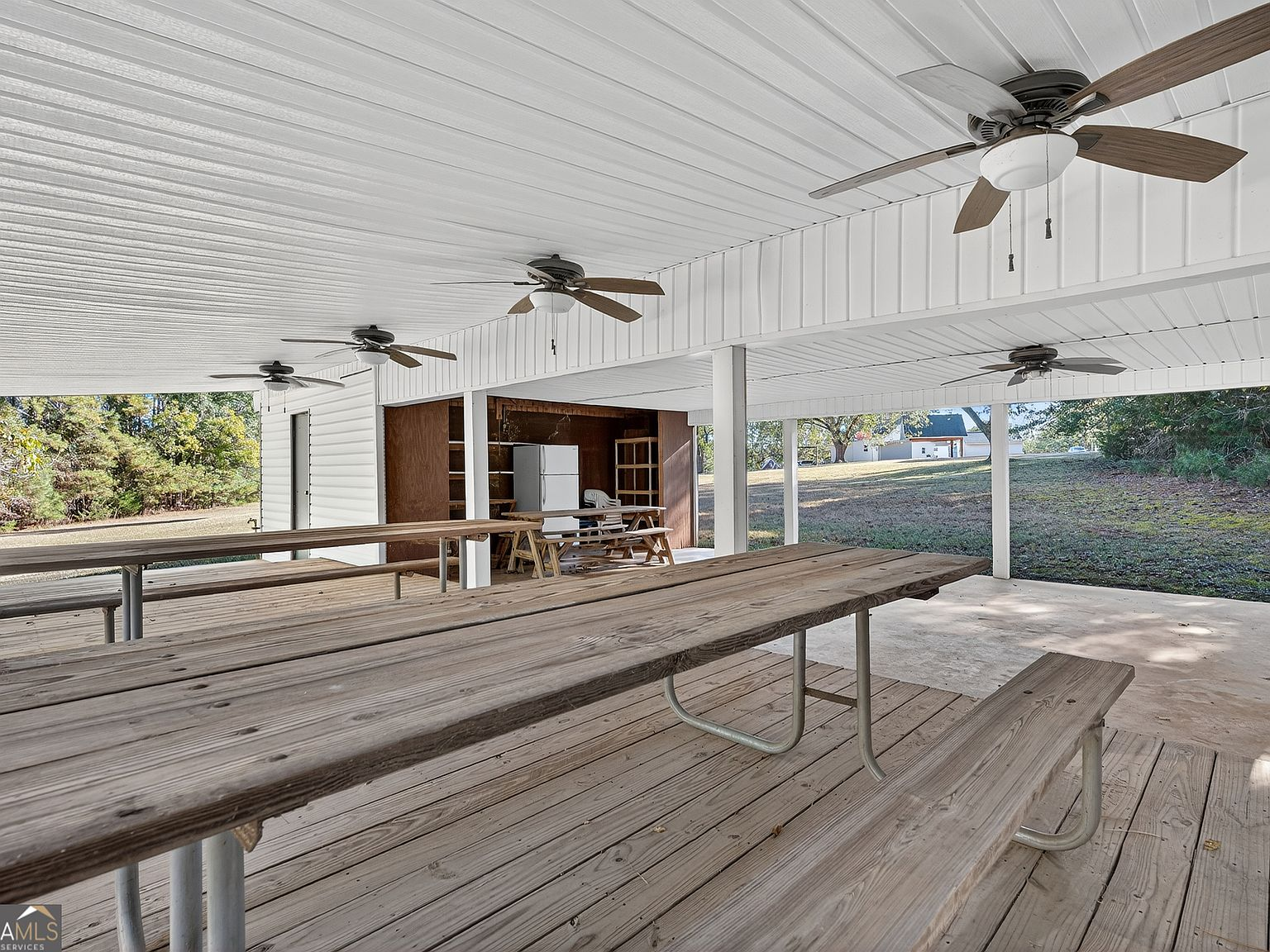
The creation of Lake Hartwell changed the gatherings on this land profoundly. Where the river had been a barrier, the lake became a connector. Boats brought relatives from across the water. Weekends became events rather than obligations. The family adapted the property to its new identity as a lakefront estate, adding a covered porch, a screened back porch, and eventually the lakeside pavilion with two full bathrooms, ceiling fans, and space for dozens of people to gather in any weather.
The lake also brought new neighbors who were not from the area. Families from Atlanta, Greenville, Charlotte, and beyond discovered Lake Hartwell and built weekend homes along the shoreline. The character of the community shifted from strictly agricultural to a mix of farming families, retirees, remote workers, and vacation homeowners. The gatherings at 257 Methodist Park Lane reflected that change. The same pecan trees shaded tables where a retired couple from Buckhead talked fishing with a fifth-generation Hart County farmer.
In the summer of 2026, the gathering tradition on Lake Hartwell is richer than ever. The Hartwell Lakeside Music Festival on Memorial Day weekend draws crowds to a floating stage on the lake, benefiting T.O.R.C.H. of Hartwell. The Cars & Guitars Festival fills downtown Hartwell with classic cars and live music. The Pre-4th Fireworks Extravaganza at Long Point lights up the sky over the water with one of the largest fireworks displays in the Southeast, visible from the pavilion at 257 Methodist Park Lane.
The Saturday morning ritual
For the family who owned 257 Methodist Park Lane across the generations, Saturdays had their own rhythm. In the 1890s, Saturday meant preparing for Sunday, stocking the woodpile, and checking the livestock. By the 1960s, Saturday meant a trip into Hartwell for groceries and supplies, with the kids riding in the bed of the pickup. Today, Saturday on this stretch of Lake Hartwell means a 10-minute drive into downtown Hartwell for the farmers market, where local growers sell produce alongside bakers selling fresh bread and preserves that taste like the ones put up on this very property a century ago.
The Hartwell Farmers Market runs from April through November on Carolina Street. It is the direct descendant of the barter economy that sustained families like the one at 257 Methodist Park Lane. A place where what you grow and what you make connects you to the people around you. The market is also a social hub: neighbors catch up over coffee from Common Ground, children run between the vendor tents, and the conversation inevitably turns to the lake, the fishing, and the next community event.
What the next generation will gather for
The gatherings at 257 Methodist Park Lane have evolved continuously across 150 years. From harvest suppers to lakeside barbecues, from Sunday school picnics to holiday fireworks watching from the dock, the property has adapted to the needs of each generation without losing its essential character. The land itself, the flat lawn, the mature pecan trees, the elevation above the water, has always been the constant.
What will the next generation gather for on this land? The answer depends on who takes ownership. The lakeside pavilion could host a wedding reception with the water as the backdrop. The lawn could accommodate a tent for a family reunion or a community fundraiser. The proximity to Methodist Park and Elrod Ferry Landing makes the property ideal for the kind of weekend entertaining that draws people from across the region. The infrastructure is in place; what remains is the decision of who will use it and what traditions they will establish.
In our experience helping families find their place on the water, across Lake Norman, Charlotte, Lake Wylie, and now Lake Hartwell, we have learned that the best lakefront properties are the ones that make gathering feel effortless. The covered porch that catches the afternoon breeze. The screened back porch where you can eat dinner without the bugs. The pavilion that shelters a crowd through an afternoon thunderstorm. 257 Methodist Park Lane has all of these, not because a developer designed them but because a family added them over time in response to how they actually lived.