
Heritage
Generations on this land: living at 257 Methodist Park Lane before the lake was ever built
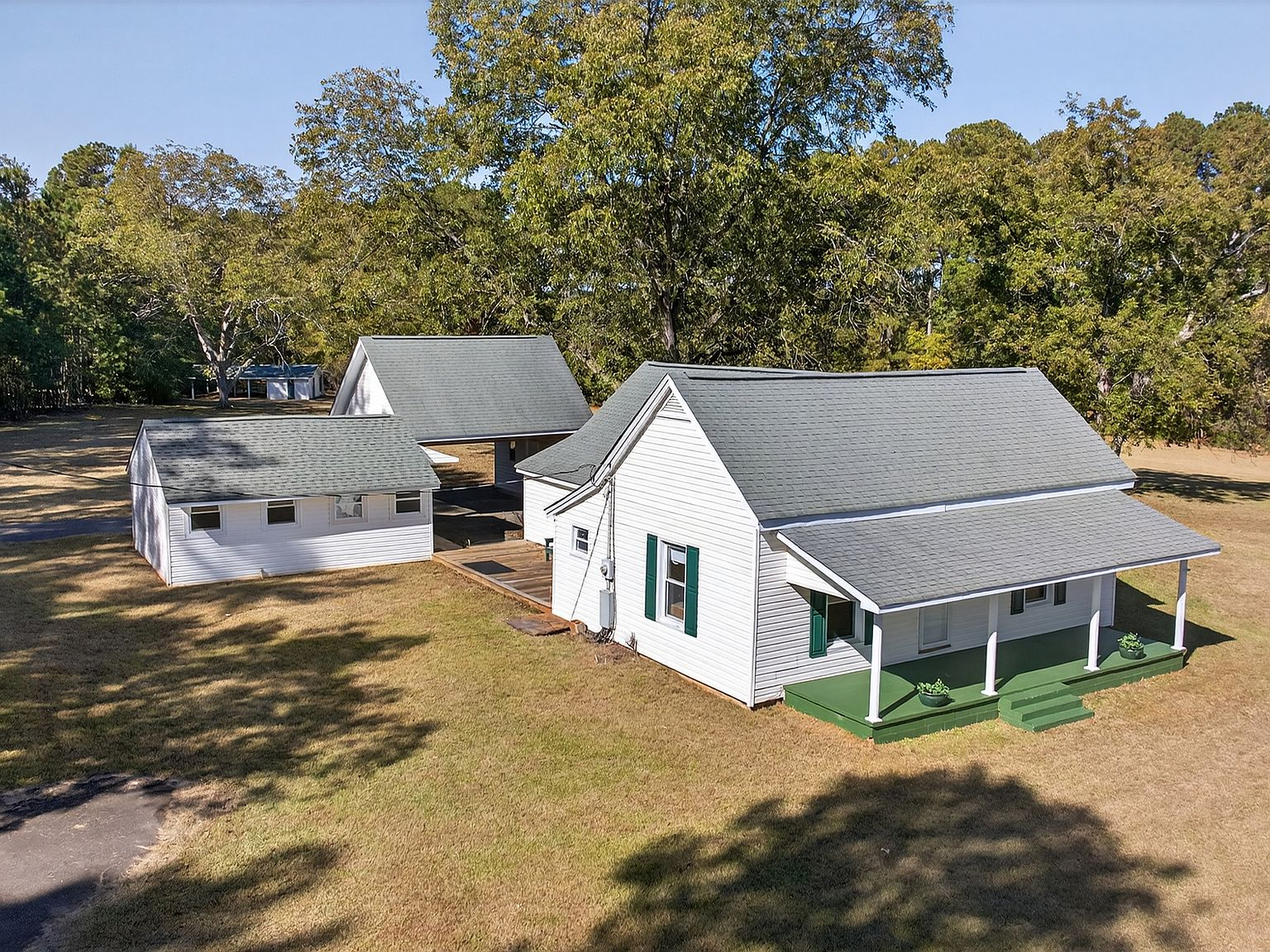
It is easy to look at 257 Methodist Park Lane today and read only the lake: 4.546 flat acres, a historic farmhouse, a lakeside pavilion, and the water lapping at the high ground. But for most of this property's life there was no lake at all. The same land was a working family place in a river valley for nearly ninety years before the Corps of Engineers even started the dam, and the family that chose this ground in the 1800s kept it through every change. This is what generations on this land looked like before the water arrived.
The valley the first family chose
The farmhouse dates to 1873, and the family that built it picked the ground the same way every farming family in the Hart County hills picked theirs: flat enough to work, high enough to stay dry, and close enough to water and road to be practical. In the decades after the Civil War, this part of the Savannah River valley was farm country, threaded with small communities, family farms, churches, and the isolated homesteads that dotted the bottomlands. The high ground at what is now Methodist Park Lane sat above that valley, with the river and its tributaries running below it.
The flat acres were the point. In a region of steep red-clay hills, a level, workable parcel of several acres was an asset a family planned around for generations. The house went up on the high ground, outbuildings followed, and the land around it was cleared for crops, pasture, and the shade trees that would become the mature pecan grove still standing today. This was a working place first and a home second, in the order that every farm in the valley understood: the land supported the house, not the other way around.
Ninety years of farming before the lake
Between 1873 and the 1960s, this property lived through the classic arc of a Georgia farm. Corn and cotton worked the flat acres through the late 1800s. The pecan trees grew from young shade to a working grove, harvested each fall as income and food. Livestock, a garden, and a smokehouse made the place largely self-sufficient, the way valley farms were expected to be. Generations were born in the farmhouse, raised on the same lawn, and buried in family plots that followed the county's cemeteries.
The rhythm of those decades is the rhythm of the land itself: plant in spring, tend through summer, harvest in fall, keep house through winter. Roads into Hartwell were dirt for much of that time, and trips to town were deliberate. The river below the property was a constant, a working waterway and a boundary at once, but nobody who farmed this high ground in 1900 or 1920 or 1940 had any reason to imagine the valley would one day be underwater. That idea came later, from Washington, and it took decades to move from proposal to poured concrete.
The long wait for the dam
The first serious federal recommendations to dam the Savannah River date to the 1890s, but the project that became Hartwell Dam was authorized on May 17, 1950, and construction began in 1955. The dam itself was built between 1955 and 1959, the reservoir began to fill in February 1961, and the lake reached its full pool on March 12, 1962, with the first generator online later that spring. For the family at 257 Methodist Park Lane, the wait spanned more than a decade of knowing: the valley below the high ground was going to flood, and the high ground itself would become shoreline.
When the water rose, it covered the bottomland farms, the old river channels, and the small communities that had dotted the valley, displacing families and in some cases moving whole cemeteries to higher ground. What it did not cover was this property. The flat acres sat above the new waterline, and the family that had held them since the 1800s kept right on holding them. They watched their valley become a lake, their farmland become a shoreline, and their high ground become something the region had never seen before: a lakefront estate.
What the generations handed forward
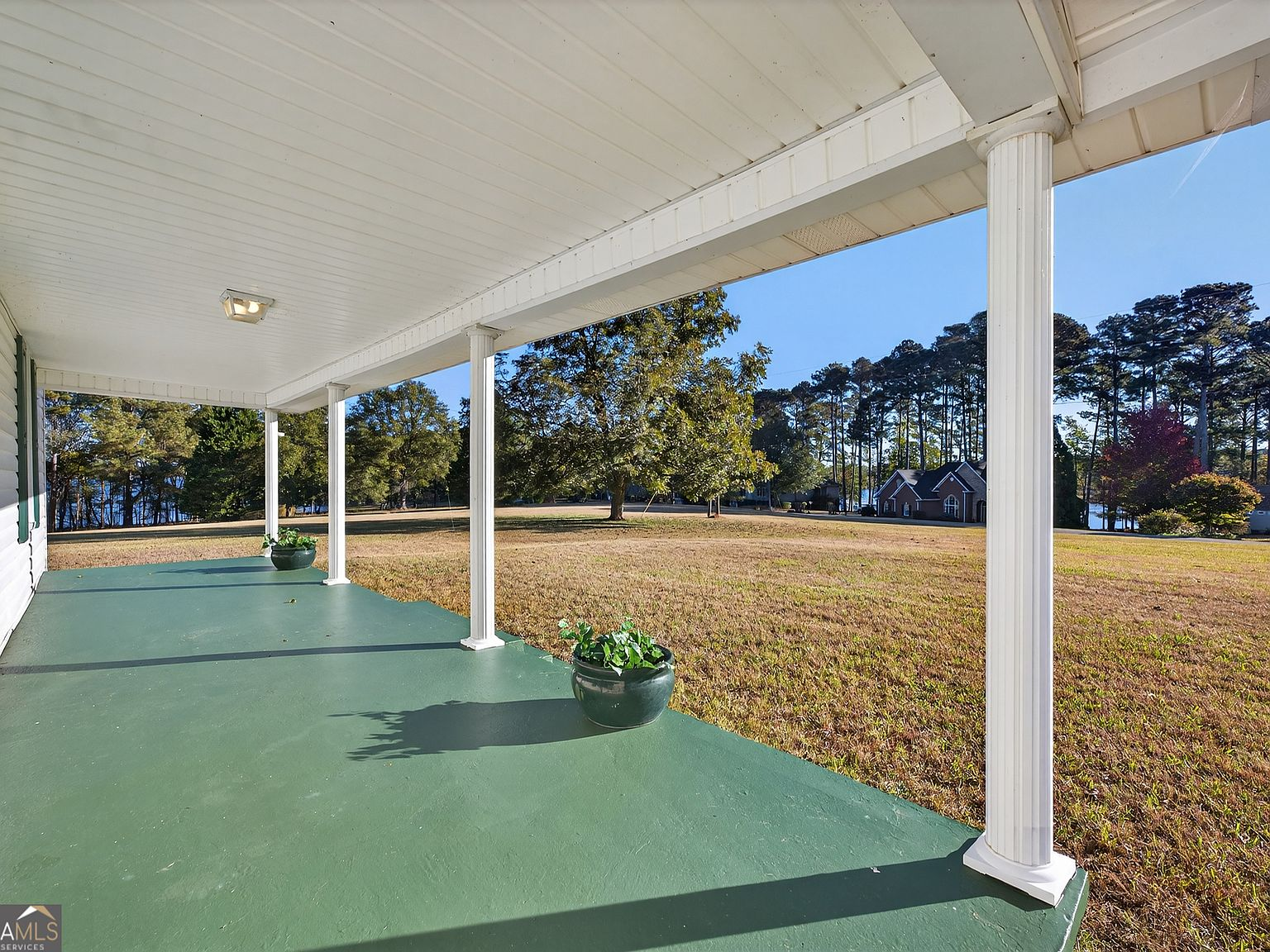
The remarkable part is not that the family survived the change. It is that they changed with it and stayed. The flat acres that once grew corn and cotton are now lawn, the pavilion and covered porch built for lakeside entertaining, the pecan grove still harvested each fall. The same 4.546 acres that carried a farm through the 1800s and early 1900s now carries a different kind of life, one built around the water those generations never could have predicted.
For the first time in generations, the family is offering the property forward. That is a rare thing in itself: most large lakefront parcels were assembled after the lake was created, but this one existed as a single family's land for nearly a century before the water arrived, and it has never left that family's hands until now. Whoever takes the stewardship next inherits both sides of the story, the working valley and the lake that replaced it, on one flat, private, irreplaceable piece of ground.