
Community
Hartwell’s Main Street: the small-town downtown that refused to disappear
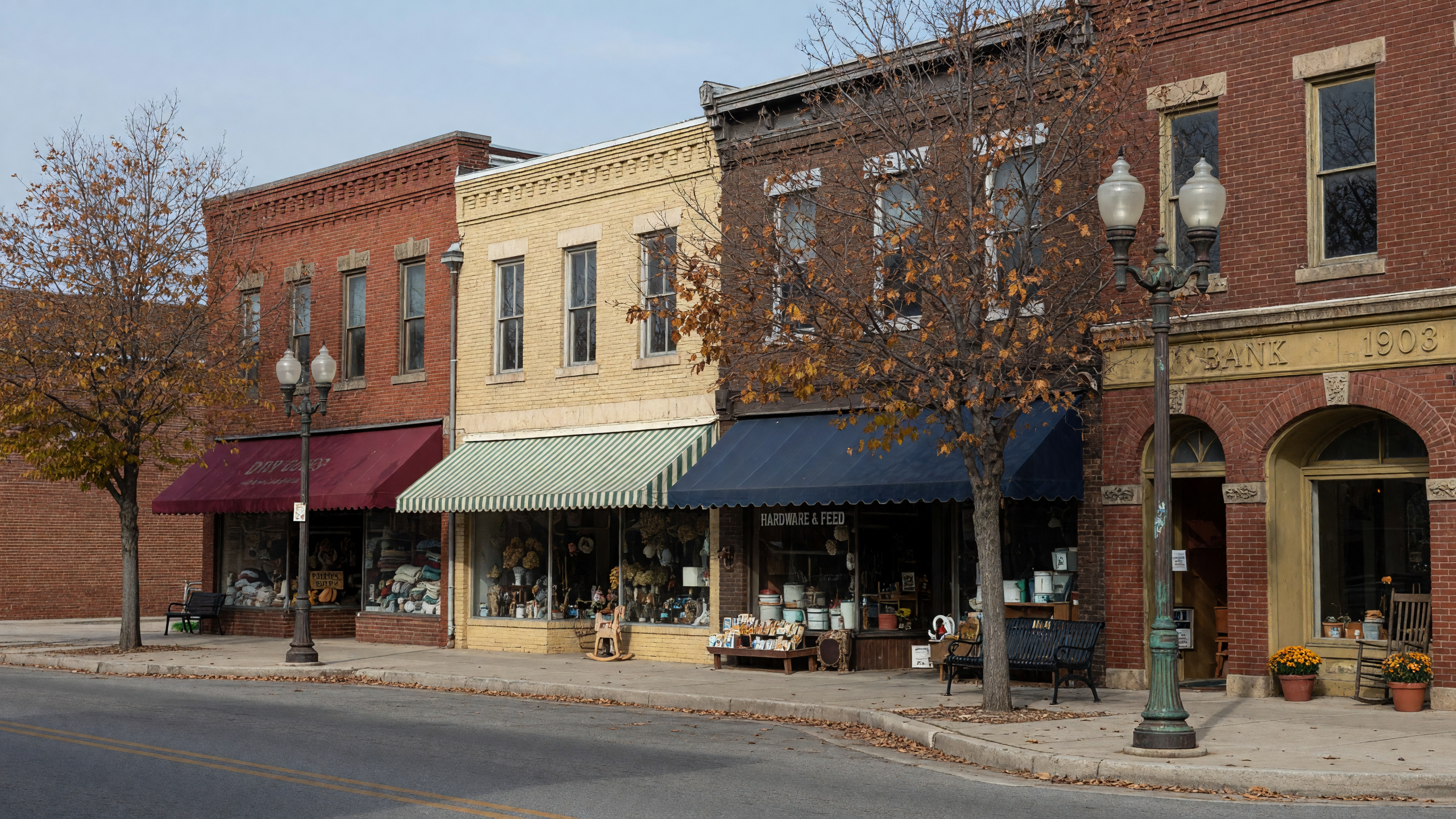
The lake brings people to Hartwell. The town keeps them. Ten minutes from 257 Methodist Park Lane, downtown Hartwell sits on a grid that hasn't changed since 1900 — twelve blocks of brick storefronts, locally owned businesses, and a courthouse square where a granite statue of Nancy Hart has watched over the county seat since the early twentieth century. It's the kind of downtown that most American towns lost to strip malls and interstate exits. Hartwell kept theirs.
A town named for a hero, built on stubbornness
Hartwell was established as the Hart County seat in 1854 and named for Nancy Hart, a Revolutionary War heroine who, according to local legend, captured seven British soldiers by disguising herself as a crazy woman and luring them into her cabin. The story is probably embellished. The granite statue on the courthouse square doesn't care. It stands there with the quiet authority of a town that knows its own story and sees no reason to change it.
The town's economy was built on agriculture — predominantly cotton — until the boll weevil arrived in the 1920s and devastated the crop. Rather than collapse, Hartwell adapted. The town diversified into textiles, then into the tourism economy that the lake created in the 1960s. Through every transition, the downtown grid persisted. The buildings were updated, the businesses changed hands, but the physical fabric of the town — the brick, the sidewalks, the two-story commercial blocks — survived.
The Cherokee, who originally inhabited this region, called the area Ah-Yeh-Li A-Lo-Hee — "Center of the World." Whether or not Hartwell qualifies as the center of anything, it sits at a crossroads: U.S. Route 29 and Georgia Route 51 intersect here, connecting Athens (45 minutes west), Greenville, SC (an hour northeast), and Atlanta (90 minutes south via I-85). The position made it a county seat. The lake made it a destination. The downtown made it a home.
Georgia Exceptional Main Street
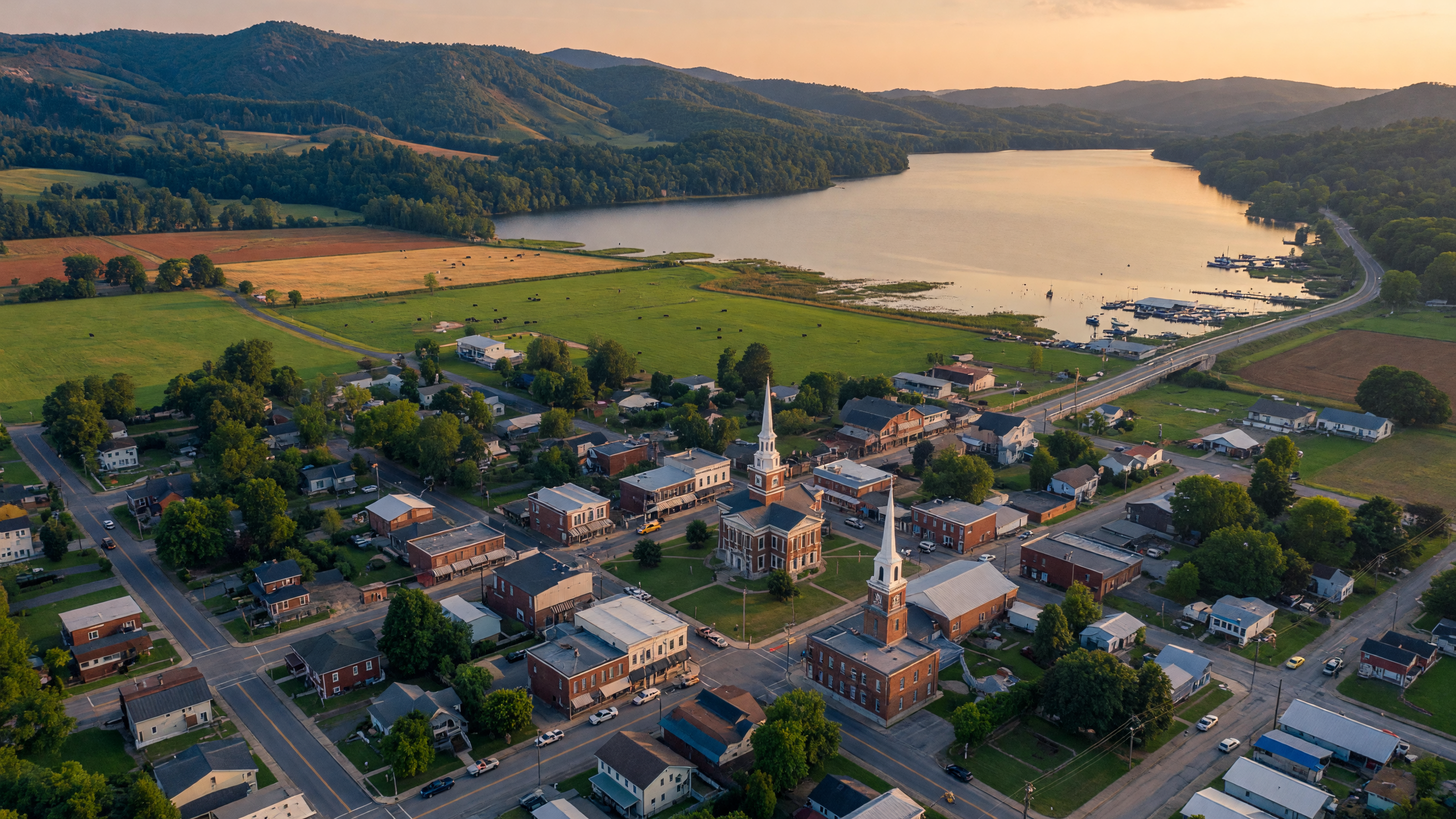
In 2024, Hartwell was designated a Georgia Exceptional Main Street (GEMS) — one of only a handful of communities in the state to receive the honor. The Hartwell Main Street program, operated by the city's Downtown Development Authority, manages the twelve-block historic business district with a focus on economic development, foot traffic, and architectural preservation.
The buildings in the district date from 1879 to 1925 — commercial brick structures that represent the peak era of small-town Southern architecture. Two-story blocks with arched windows, cast-iron storefronts, and pressed-tin ceilings. The kind of buildings that were designed to last and have proven it. Hartwell was also designated a Preserve America Community by the Advisory Council on Historic Preservation — a federal recognition of the town's commitment to preserving its cultural and natural heritage.
What this means in practical terms is that downtown Hartwell has the kind of commercial streetscape that real estate developers spend millions trying to recreate from scratch. Except here, it's original. The brick is real. The proportions are authentic. The scale — two stories, not six — preserves the relationship between pedestrian and building that makes a downtown feel human rather than corporate.
The shops, restaurants, and gathering spots
Downtown Hartwell's business district isn't a tourist attraction — it's a working downtown that serves a year-round community. The shops and restaurants here have survived because locals use them, not because visitors photograph them. That distinction matters. A downtown that depends on tourism is fragile. A downtown that depends on residents is durable.
The Hartwell Art Center
Located at 338 East Howell Street, the Hartwell Art Center is a nonprofit cultural hub that hosts exhibitions, workshops, youth camps, and gallery space. It's the kind of institution that signals a community with depth — not just businesses, but cultural infrastructure. For a family considering relocation, the presence of an active arts center in a town of this size is a genuine differentiator.
Common Ground
The morning anchor on Carolina Street — coffee, quiet tables, and the pace where you can read the paper without someone asking for the table. It's the kind of coffee shop that exists in every college town and almost no lake towns, which tells you something about Hartwell's character.
Southern Hart Brewing Company
On East Howell Street, this craft brewery has become the unofficial gathering spot for the post-lake crowd. The taproom is relaxed, the parking lot fills early on Friday evenings, and the menu goes beyond bar food. It's where the community unwinds.
Market 5
A refined lunch option in the downtown district — the kind of place that gives a small town dining credibility without pretension. The menu changes with the seasons, and the service is the kind of personal attention that only a town this size can sustain.
Lake Hartwell Family Fun Center & Restaurant
At 25 Depot Street, this family-oriented venue combines dining with entertainment — a one-stop option for weekends when the kids need more than a quiet table. It's also the kind of business that anchors a downtown's family appeal.
Hart County Historical Museum
The museum preserves the county's history from Cherokee habitation through the lake era — a curated companion to the living history that the downtown itself represents. For families interested in heritage and education, it's a resource that most lake communities don't offer.
The events that build community
Hartwell's event calendar reflects a community that invests in itself year-round, not just during peak summer months. The Hart County Chamber of Commerce organizes events throughout the year:
The Cars & Guitars Festival in May brings classic car shows and live music to downtown Hartwell. The Lakeside Music Festival at the Hartwell Lakeside KOA offers a two-day camping and music experience on the water. The Pre-4th Fireworks Extravaganza draws the community — and boats from across the lake — for fireworks before the actual holiday. The Lake Hartwell Dam Run 5K/10K, now in its fifth decade, brings runners from across the region to cross one of the largest earthen dams in the Southeast.
In fall, the Northeast Georgia Ag Expo celebrates the county's agricultural roots. The Splash Away the Trash lake cleanup in September brings together residents and conservation groups. The annual Hartwell Christmas Parade in December closes out the year with a community tradition that predates the lake by decades.
These events aren't corporate-sponsored activations. They're local traditions organized by the Hart County Chamber, the Main Street program, and community groups who live here and invest in making the area worth living in.
The proximity advantage
Hartwell's position at the intersection of U.S. 29 and GA-51 gives it access to a regional network of cities that expand its amenity base considerably. Athens, 45 minutes west, is home to the University of Georgia — a major research university with a vibrant downtown, cultural institutions including the Georgia Museum of Art and the State Botanical Garden of Georgia, and a brewery scene that rivals cities ten times its size. Greenville, South Carolina, about an hour northeast, has a revitalized downtown with a world-class performing arts center, chef-driven restaurants, and GSP International Airport — the closest commercial airport to Hartwell.
Atlanta is roughly 90 minutes south via I-85, providing access to Hartsfield-Jackson International Airport and the cultural, medical, and commercial infrastructure of a major metropolitan area. For a family choosing between a remote rural property and a lakefront estate with genuine community infrastructure, the proximity to these cities matters.
What downtown reveals about the lifestyle
The quality of a lakefront property isn't measured only by its acreage, its view, or its square footage. It's also measured by the community that surrounds it — the restaurants you'll eat at, the events you'll attend, the schools your children will attend, and the commercial infrastructure that makes daily life possible without a ninety-minute drive.
Hartwell's downtown is that infrastructure. It's not a resort village designed to separate tourists from their money. It's a county seat that has maintained its character through 170 years of economic transitions — from cotton to textiles to tourism, from boll weevils to bass boats. The brick buildings on Main Street have seen all of it, and they're still standing.
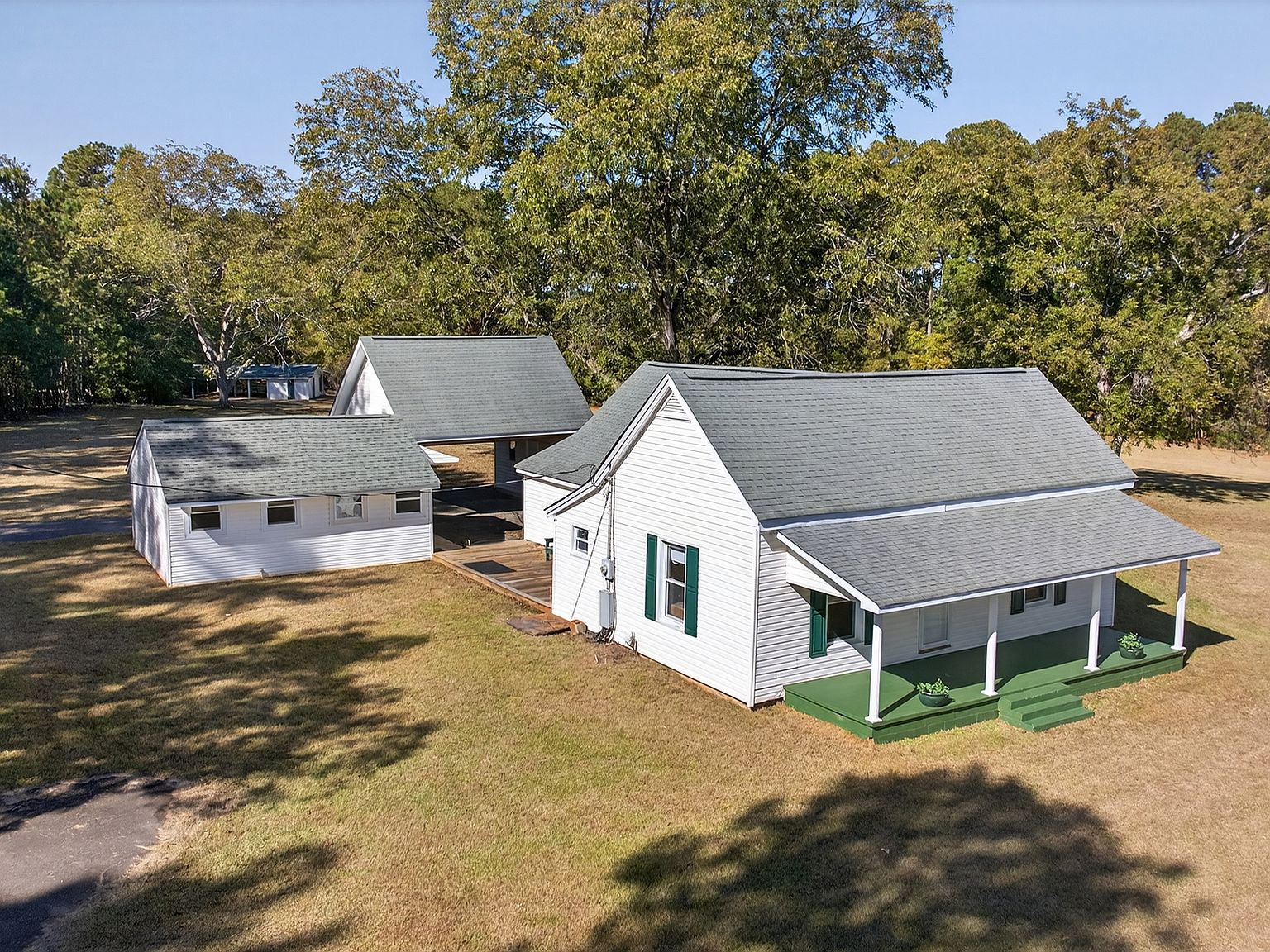
For a buyer considering 257 Methodist Park Lane, the downtown is the final piece of the proposition. The property offers 4.5 acres of private waterfront, a 153-year-old farmhouse, a pecan grove, and a lakeside pavilion. The town offers community. Together, they create a lifestyle that neither can provide alone — private estate living with genuine small-town connection. That combination is rare. Finding it on a lake this large, in a town this well-preserved, at this price point, is rarer still.