
Community
Hartwell 2026: A downtown revival and the lake town that chose controlled growth
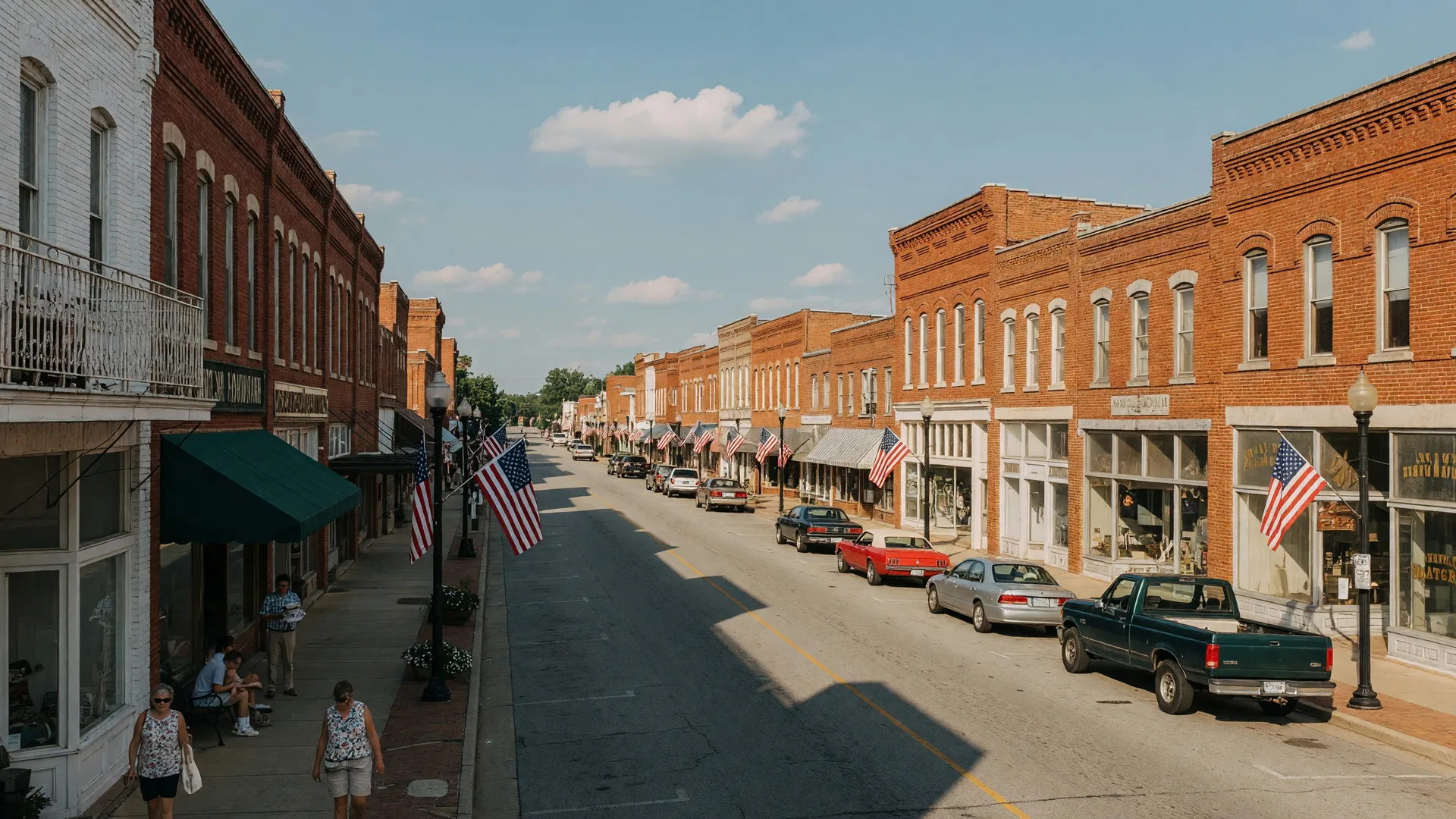
Every small town in America faces the same question eventually: grow or stagnate. But Hartwell, Georgia is asking a different question entirely — one that sounds more like "how do we grow without losing what we are?" The answer, unfolding in 2026, offers a case study in controlled, intentional development that has real implications for anyone considering property on Lake Hartwell.
What growth looks like in Hart County
The numbers tell a story of measured momentum. Hart County's proposed general fund budget is expected to surpass $8 million for 2026 — a sign of a community investing in itself without overextending. A transportation special purpose local option sales tax, or TSPLOST, is advancing through the county's approval process, aimed at funding road improvements and infrastructure that support growth without sacrificing the rural character that defines Hart County.
Manufacturing is expanding. Ritz Instrument Transformers, a Hartwell-based manufacturer, is doubling its facility and adding 50 new jobs — a significant boost for a county of roughly 26,000 residents. These are not speculative developments. They are established companies choosing to invest deeper into a community that has proven its workforce, its infrastructure, and its quality of life.
The recreation system is growing too. Hart County's parks have expanded from a single 26-acre park to five parks totaling over 200 acres. That kind of investment in public space tells you something about the community's priorities: they want families to have places to gather, to play, to connect — and they are willing to fund it.
Preservation as an economic strategy
Hartwell's approach to growth is rooted in a decades-long commitment to historic preservation. The city is a designated Preserve America Community, and its participation in the Georgia Main Street Program has been the framework for downtown revitalization that works — not by razing old buildings and replacing them with new ones, but by finding modern uses for historic structures.
The Art Center of Hartwell, housed in the former post office building on East Howell Street, exemplifies this approach. In 2026, the center is hosting "Voices and Votes: Democracy in America", a traveling exhibition from the Smithsonian Institution, running from June 30 through August 5. This is a small town — population roughly 4,500 — hosting a Smithsonian exhibition. That does not happen by accident. It happens because the community invested in a cultural infrastructure that could support it, and because organizations like the Hartwell Service League and local volunteers made it possible.
The economic impact of this approach is measurable. Tourism in Hart County generates an estimated $57.4 million annually, much of it tied to Lake Hartwell. The lake draws over 9 million visitors per year. But the town of Hartwell captures a meaningful share of that spending by offering something most lake destinations cannot: an authentic, walkable downtown with historic character, local businesses, and community events that feel genuine rather than manufactured for tourists.
The balancing act: controlled growth on the lake
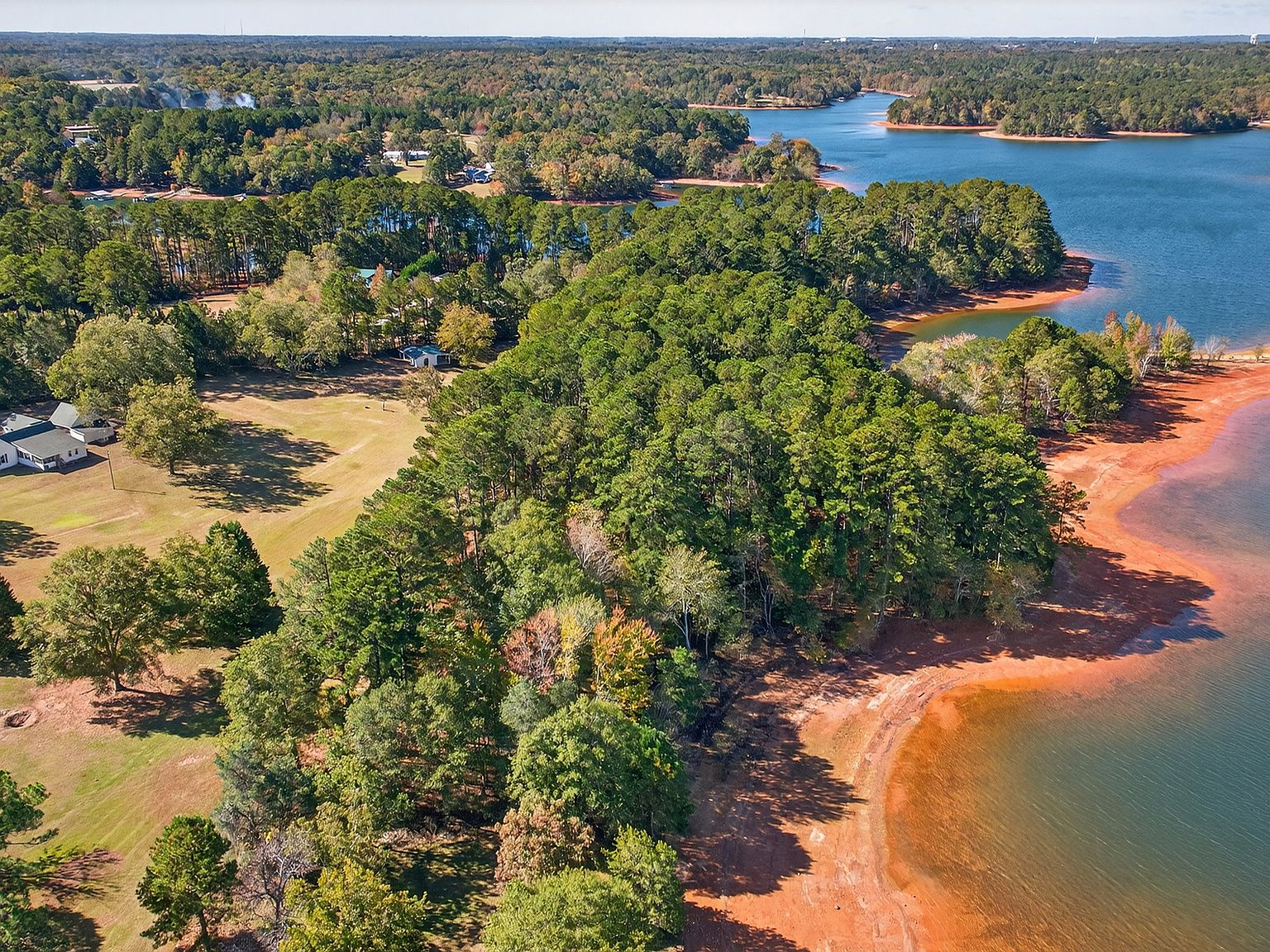
For property owners on Lake Hartwell, the question of growth is not abstract. The lake itself is managed by the U.S. Army Corps of Engineers, which limits development along the shoreline and keeps the water's edge natural and wooded. That regulatory framework is one of the great advantages of Lake Hartwell — it prevents the kind of overdevelopment that has diminished the experience of other southeastern lakes.
But land on the Georgia side of the lake, especially parcels like 257 Methodist Park Lane that sit above the Corps' flood line on private acreage, benefits from both the natural shoreline and the growing demand for waterfront property. The scarcity of large-acreage parcels on the Georgia shoreline — one of the last remaining — means that growth in the area supports property values without requiring the kind of dense development that would change the character of the lake.
The city's 2025 Comprehensive Plan outlines a vision for "controlled growth" that has been the subject of community discussions. Residents have been vocal about wanting development that respects the town's scale, its history, and its natural setting. The result is a development environment that prioritizes quality over quantity — fewer projects, but better ones, with more community input and higher standards.
What this means for families considering the area
For a family moving to Lake Hartwell from a larger metro area, the pace of life here takes adjustment. The grocery store is local, not a chain. The main street still has a five-and-dime. The high school football game on Friday night is a community event, not an afterthought. These are not shortcomings — they are the qualities that make Hartwell different from the suburban corridors that surround most American cities.
Having completed sixteen relocations of our own, we understand what it means to evaluate a community from the outside. Hartwell offers something that is increasingly rare: a town that has retained its identity through decades of economic change, that invests in its public spaces and cultural institutions, and that approaches growth with the discipline of a community that knows what it has and is determined not to lose it.
The schools reflect that commitment. Hart County Charter System schools have been recognized for academic achievement — Hartwell Elementary and Hart County Middle School were named Math Leader Schools in May 2025. The charter system structure allows for local control and community input, reinforcing the same values that drive the town's approach to development.
The intersection of history and growth
What makes 257 Methodist Park Lane particularly relevant to this story is its location at the intersection of everything Hartwell is trying to protect. The property is on the Georgia shoreline, minutes from downtown, on flat private land that predates the lake by nearly a century. It represents the kind of legacy estate that becomes more valuable — not just financially, but culturally — as the community around it grows.
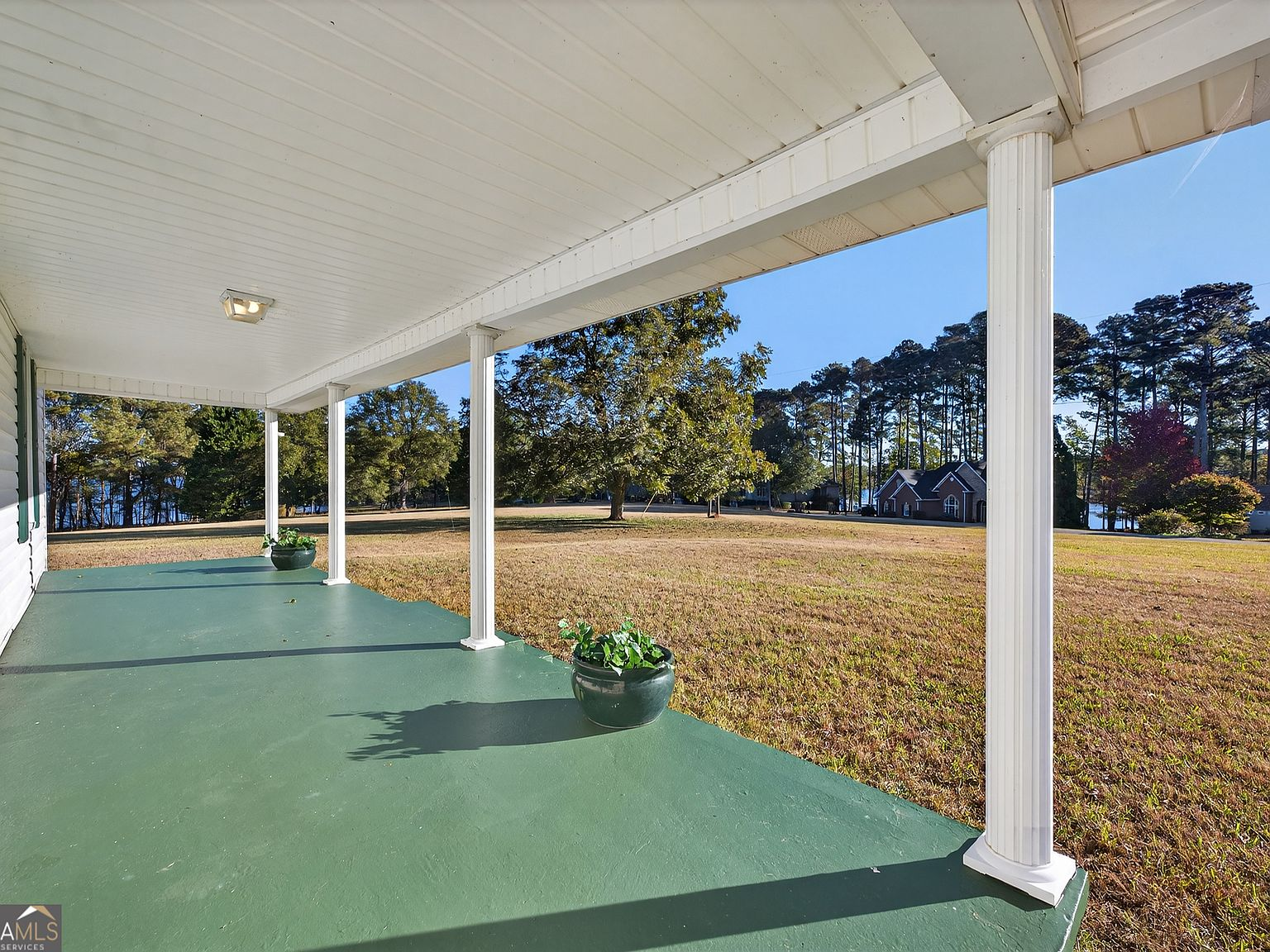
The pecan trees that have shaded this land since the 1800s will still be here when the next generation of Hartwell families moves in. The covered porch that faced the river before the lake existed will still catch the breeze. The pavilion that was built for summer gatherings will still host them. The property does not need Hartwell to stay small to be valuable — it needs Hartwell to stay authentic. And from everything we have seen in 2026, that is exactly what the town intends to do.
Choosing the right moment
There is a case to be made that the best time to acquire a legacy property on Lake Hartwell is before the next wave of growth arrives, not after. Hartwell is not a secret — 9 million visitors a year make sure of that. But large-acreage waterfront parcels on the Georgia shoreline are rare, and they become rarer with every transaction.
257 Methodist Park Lane represents something that cannot be replicated: 4.546 acres of flat, private lakefront land with a 153-year-old home, a lakeside pavilion, mature pecan trees, and the kind of privacy that comes from being set back from the road on a property that was never subdivided. As Hartwell grows — deliberately, carefully, on its own terms — that kind of estate becomes not just a home, but an institution.
The town is growing. The lake is thriving. The property is waiting. The question is whether the next owner will be part of the next chapter, or whether they will watch it from the outside.