Community
From Pre-4th Arts and Crafts to the Appalachian Folk Festival: Hartwell's year-round calendar of community
The first thing people ask when they visit Lake Hartwell for the first time is usually about the water. The second thing is about the town. What is there to do beyond the lake? The answer, it turns out, is a surprising amount. Hartwell, Georgia, population just over 4,500, punches well above its weight when it comes to community events. From the Pre-4th Arts and Crafts Festival to the Appalachian Folk Festival to the Christmas Parade, this small county seat has built a calendar that rivals towns three times its size.
The Pre-4th Arts and Crafts Festival: a summer anchor
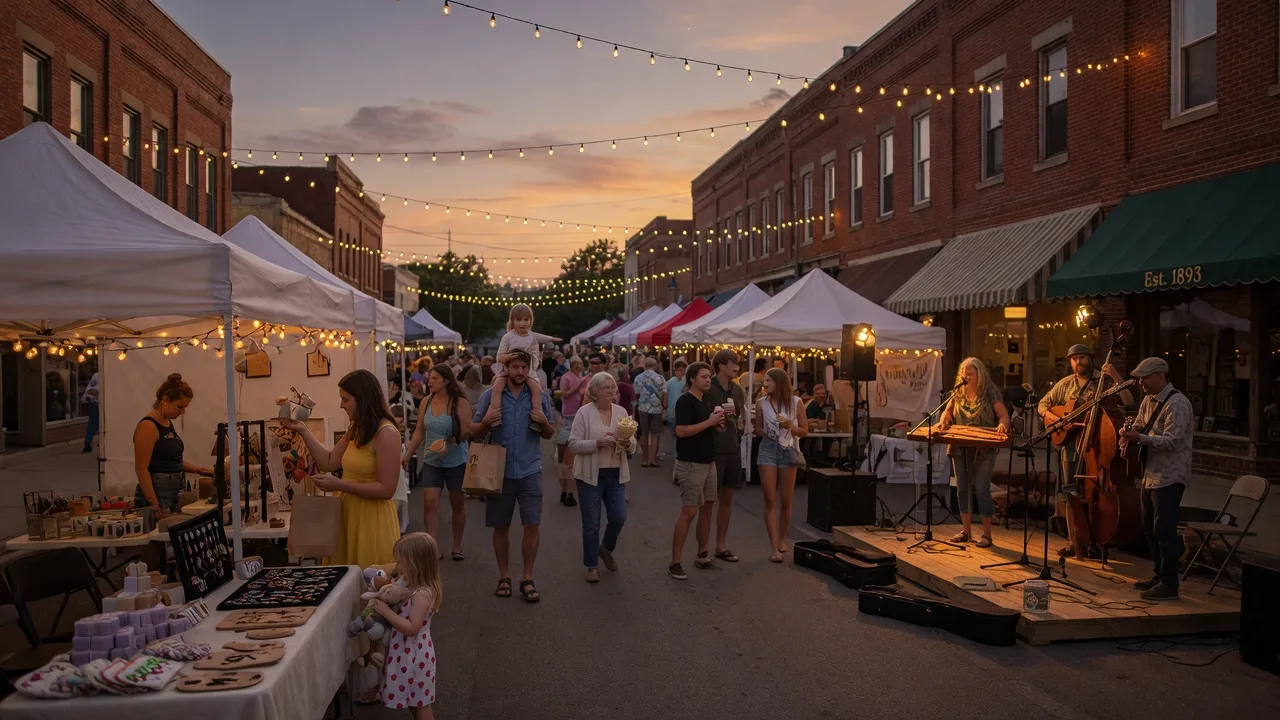
The Pre-4th Arts and Crafts Festival takes over downtown Hartwell on the last Saturday of June each year, just before the Independence Day celebrations that light up the lake. The streets close to traffic. White tents line the sidewalks, filled with handmade pottery, woodwork, textiles, jewelry, and paintings from regional artists. The smell of barbecue and kettle corn drifts from food vendors. Local musicians set up on a small stage near the historic Hart County Courthouse, and families wander the streets from mid-morning until the evening sun softens the light.
For the community around Lake Hartwell, the festival is more than a shopping event. It is the opening act of the summer season. The Pre-4th Fireworks Extravaganza at Long Point Recreation Area follows the next night, drawing thousands of people to the shoreline for one of the largest fireworks displays in northeast Georgia. The combination of the arts festival and the fireworks creates a two-day celebration that defines the start of summer on the lake. Families who own waterfront property host gatherings on their docks and pavilions, watching the fireworks from the water while the rest of the crowd watches from the shore.
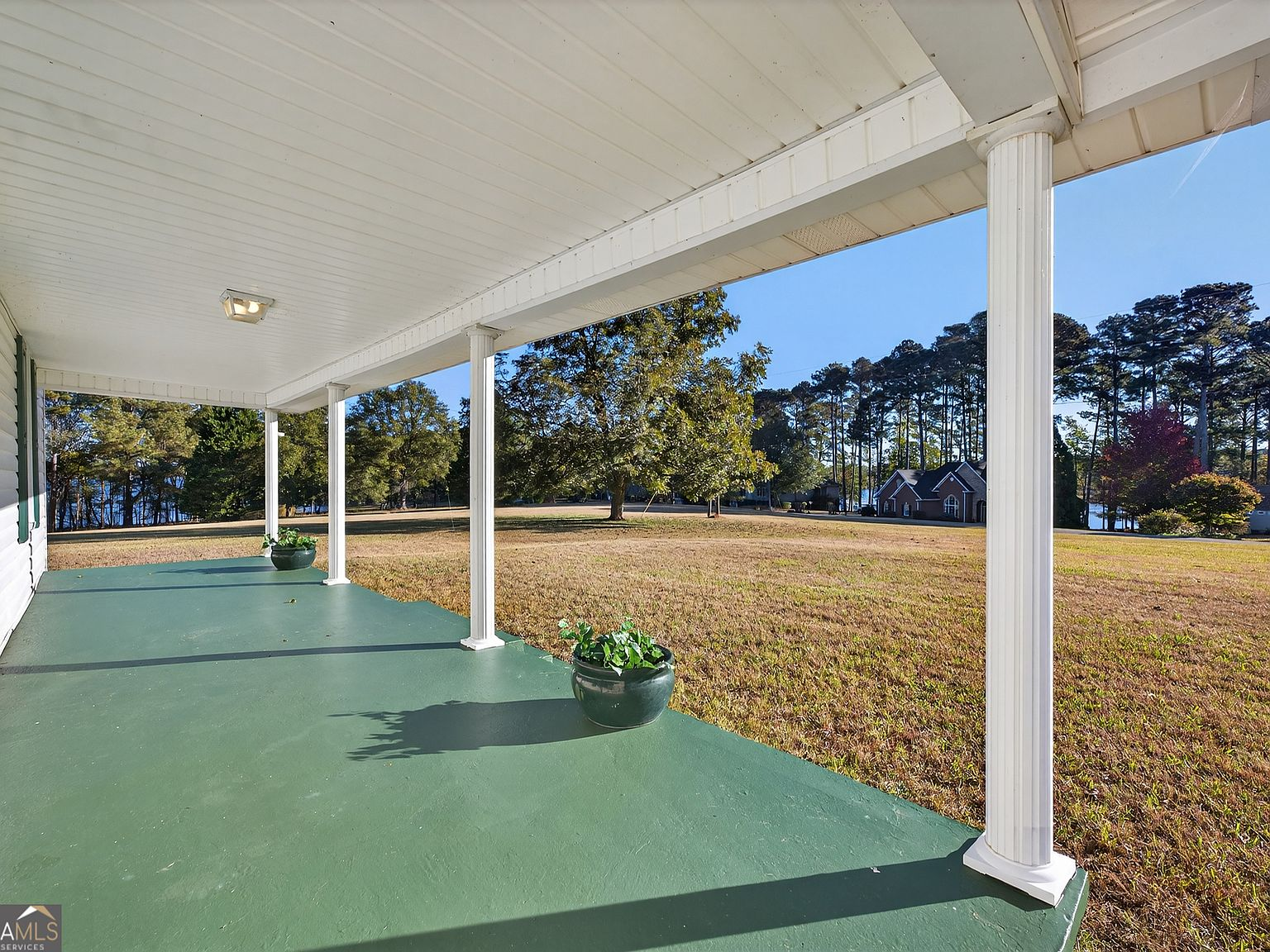
At 257 Methodist Park Lane, that kind of Independence Day tradition has deep roots. The family that has held this property since the 1800s has been celebrating summer on this land since before the lake existed. When the farm was a working homestead, the Fourth of July meant a gathering of neighbors under the pecan trees, with food from the garden and music from the porch. Today, the celebration has shifted to the pavilion and the dock, but the essential character of the gathering — family, friends, food, and the shared acknowledgment of a place worth celebrating — has remained unchanged.
Summer: music, triathlons, and the ag expo
Summer on Lake Hartwell is defined by the water, but the community calendar fills in the spaces between boat rides. The Hartwell Lakeside Music Festival brings live music to a floating stage on the lake, a uniquely Hartwell experience that turns the water itself into a venue. The Tugaloo Triathlon at Tugaloo State Park draws athletes from across the Southeast for a swim-bike-run course that winds through the Appalachian foothills. The Lake Hartwell Dam Run sends runners across the 1,640-foot earthen dam itself, offering a perspective on the lake that few people ever see.
The Northeast Georgia Ag Expo in August is a reminder that Hartwell's roots are still agricultural. Held at the Hart County Agriscience Center, the expo showcases the farming heritage that defined this region before the lake arrived. Livestock exhibits, crop demonstrations, and equipment displays connect the community to the land in a way that the lake lifestyle sometimes obscures. For a property like 257 Methodist Park Lane, where the pecan trees and the flat lawn are living evidence of the agricultural past, the ag expo is a welcome acknowledgment that the land's original purpose has not been forgotten.
Fall: the Appalachian Folk Festival and the harvest season
As the summer heat breaks and the hardwood forests along the lake begin to turn, Hartwell's calendar shifts to the Appalachian Folk Festival. Held in early August, the festival celebrates the music, crafts, and traditions of the Southern Appalachian region that surrounds Lake Hartwell. Bluegrass and old-time music fill the downtown streets. Craft demonstrations showcase traditional skills — basket weaving, blacksmithing, quilting — that connect the community to the generations who lived on this land before electricity and running water were taken for granted.
The folk festival resonates particularly deeply on a property like 257 Methodist Park Lane. The 1873 farmhouse was built by people who possessed the skills celebrated at the festival. They knew how to frame a structure without a nail gun, how to preserve food without refrigeration, how to read the weather in the movement of the clouds and the behavior of the birds. The folk festival is not just entertainment. It is a living archive of the knowledge that built this region.
October brings the Toccoa Harvest Festival, just a short drive from Hartwell, and the pecan harvest season on the property itself. The mature pecan grove at 257 Methodist Park Lane produces a harvest that connects the estate to the agricultural cycles that have defined this land for over a century. The nuts fall, the family gathers them, and the rhythm of the harvest continues a tradition that began when the first pecan trees were planted by the original homesteaders.
Winter: the Christmas Parade and the quiet season
The Hartwell Christmas Parade in December closes the year with a small-town celebration that draws the entire community. Floats, fire trucks, marching bands, and Santa Claus process down the streets of downtown while families line the sidewalks in coats and scarves. The parade is the kind of event that makes a lake town feel like home — especially for families who have relocated to the area and are building new traditions.
We understand the importance of that feeling. Between our two careers, we have completed 16 relocations, including three moves during our children's high school years. We have learned that the communities that make relocation feel manageable are the ones that gather intentionally. The Christmas Parade, the Blessing of the Fleet, the Pre-4th Arts and Crafts Festival — these are the events that tell a newcomer: you are welcome here, and you belong here.
Winter on Lake Hartwell is the quiet season. The boats are dry-docked or covered. The docks are empty. The lake's surface reflects the low winter sun in a way that feels contemplative rather than celebratory. But the community does not disappear. The Hartwell Farmers Market runs through November. The downtown shops stay open. The restaurants fill with locals who are not competing with the summer crowds for tables. Winter is when Lake Hartwell reveals its year-round identity, and that identity is strong enough to carry the season without the water.
What the calendar says about the community
A community's calendar tells you what it values. Hartwell's calendar tells you that this community values its agricultural heritage, its Appalachian roots, its lakefront lifestyle, and its small-town identity. The events are not imported from outside. They are organized by local volunteers, the Chamber of Commerce, the marina owners, the artists and musicians who live here year-round. The Pre-4th Arts and Crafts Festival is planned by the same people who run the downtown shops. The Blessing of the Fleet is organized by the same boaters who participate in it. The Christmas Parade is staged by the same families who watch it.
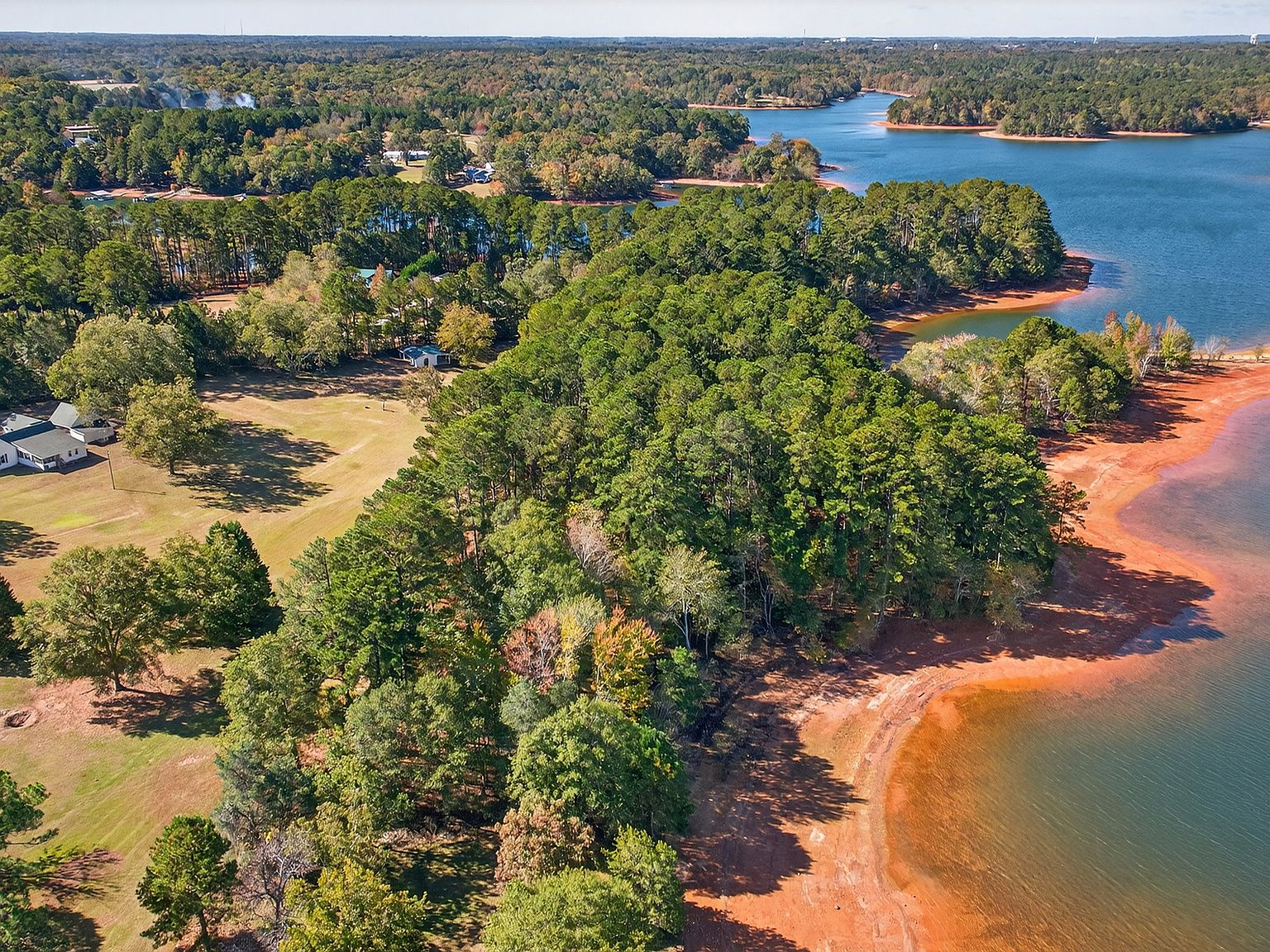
For a property owner at 257 Methodist Park Lane, the community calendar is not a distant amenity. It is a lived experience. The drive into downtown Hartwell takes less than ten minutes. The Pre-4th Fireworks are visible from the property's dock. The farmers market is a Saturday morning ritual. The folk festival, the ag expo, the Christmas parade — they are all part of the rhythm of life that makes this stretch of Lake Hartwell's Georgia shoreline feel like a genuine community rather than a collection of vacation homes.
The land at 257 Methodist Park Lane has been part of this community since the 1800s. The family who held it through the creation of the lake, through the transformation of the river valley into a reservoir, through the shift from an agricultural economy to a lakefront lifestyle — they were part of that community. The festivals, the gatherings, the traditions that define Hartwell today are the direct descendants of the community life that existed on this land before the lake. The water changed the landscape, but it did not change the community's essential character. And that character is what makes Lake Hartwell not just a beautiful lake, but a place worth calling home.