
Community
A new resort on old water: Hartwell Lakeside Resort and Lake Hartwell’s evolving future
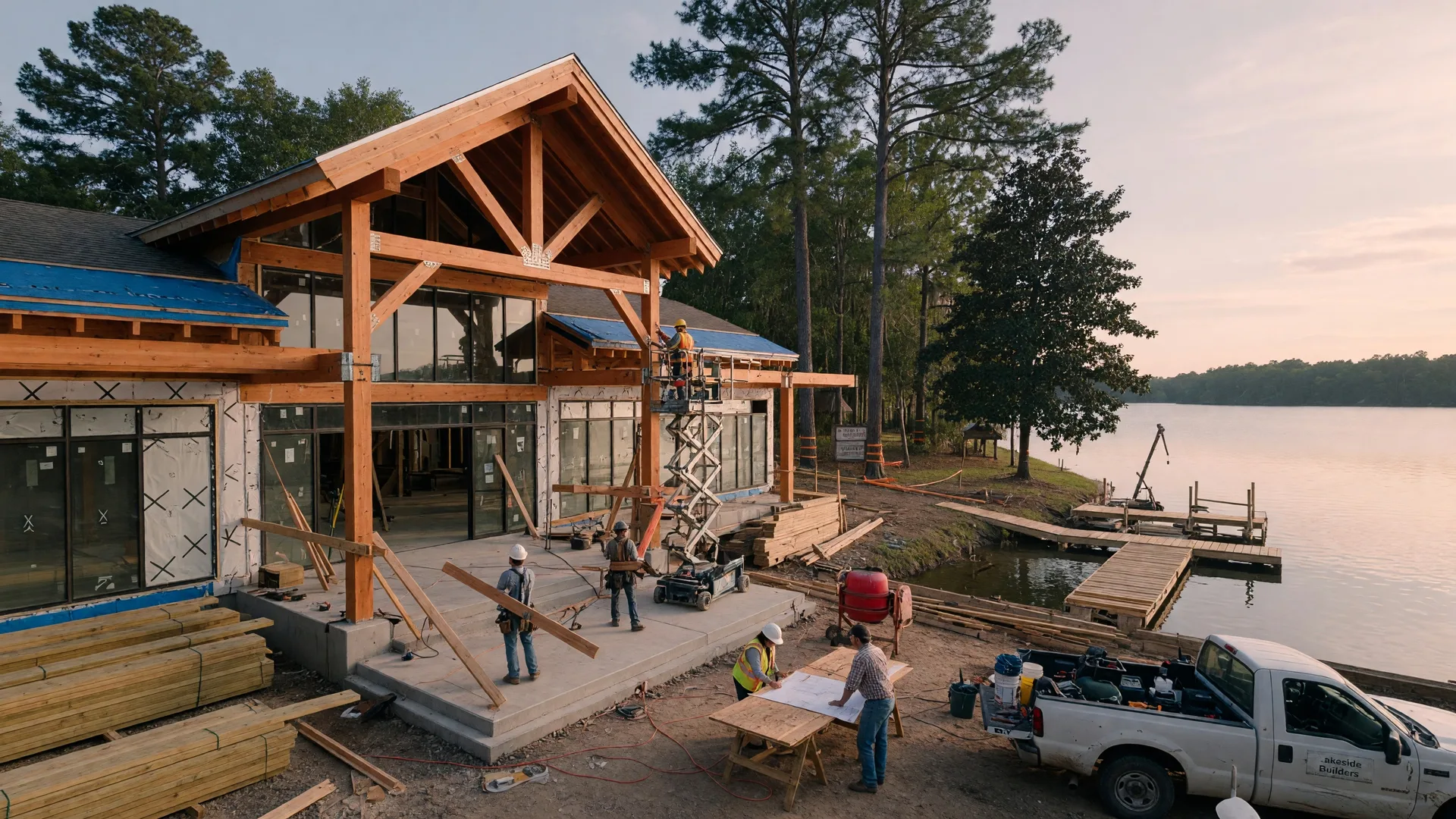
Lake Hartwell has always been a lake of reinvention. The Savannah River valley became a reservoir. The cotton economy became a lake economy. And now, the area around Hart State Park is becoming something new again — a modern lakeside resort that signals the next phase of growth for one of Georgia's most established lake communities.
Hartwell Lakeside Resort: what's taking shape
The Hartwell Lakeside Resort project, announced in late 2025, represents a significant investment in the Lake Hartwell tourism and recreation infrastructure. The development is positioned to complement — and in some cases replace — the older facilities at what was formerly Hart State Park, bringing modern accommodations, event space, and amenities to the lakeshore. The project reflects a broader trend across the Southeast: lake communities investing in year-round tourism infrastructure rather than relying solely on the summer season.
For Lake Hartwell, the resort is more than a hospitality project. It's a statement about the community's trajectory. Lake Hartwell draws more than 9 million visitors annually and generated $57.4 million in tourism revenue for Hart County in 2024 — a figure that the Hart County Chamber of Commerce announced in late 2025 as evidence of the lake's economic significance. The Hartwell Lakeside Resort is designed to capture more of that visitor spending, extending stays from weekends to week-long vacations and providing the kind of amenity package that modern travelers expect.
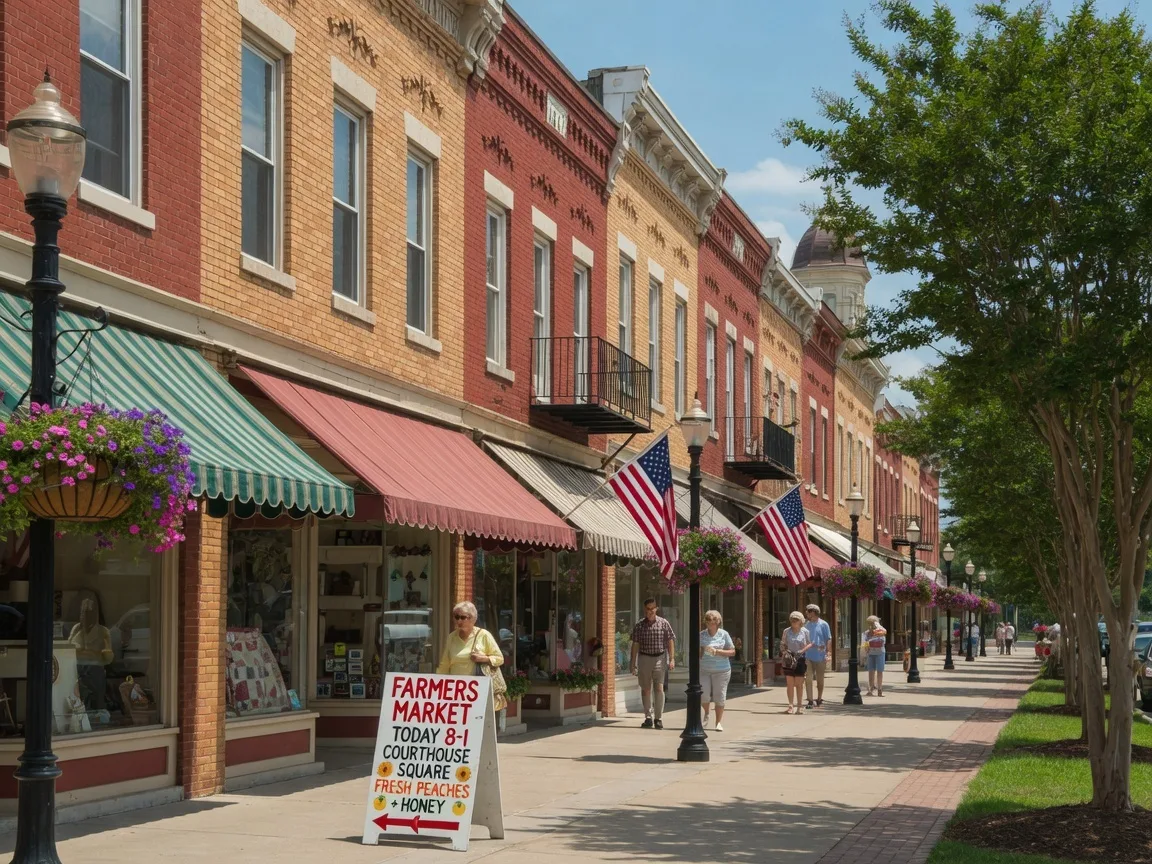
For the community, the timing matters. Hartwell was named Georgia's Downtown of the Year in 2023 — a recognition of the city's investment in its historic Main Street, the addition of over 20 new businesses, and the kind of downtown revitalization that transforms a county seat from a place people drive through into a place people drive to. The resort amplifies that momentum, adding a hospitality anchor that connects the downtown experience to the lake itself.
Why this matters for the lake community
Lake communities evolve. The question is whether they evolve thoughtfully — investing in infrastructure that serves both visitors and residents — or haphazardly, adding development without a plan for how it fits the community's character. Hartwell's track record suggests the former. The city's downtown revitalization was deliberate, guided by the Georgia Main Street program and supported by partnerships with the University of Georgia's Archway Partnership. The result is a downtown that feels authentic, not manufactured — historic buildings with new life, local businesses with real followings, and a community calendar that stays full year-round.
The Hartwell Lakeside Resort follows the same pattern. Rather than imposing a generic resort template on the lakeshore, the project is designed to integrate with the existing community infrastructure. The proximity to Hartwell's downtown — 10 minutes from the property — means resort visitors become downtown visitors, eating at Southern Hart Brewing Company, shopping the Main Street boutiques, and attending the community events that define Hartwell's identity.
For property owners at 257 Methodist Park Lane, this kind of community investment has a direct effect on property values and lifestyle. A well-managed resort brings better restaurants, improved infrastructure, and a more vibrant social scene without the overdevelopment that degrades lake communities. It's the difference between a lake that empties after Labor Day and a lake that stays active through October, between a downtown that closes at 5 p.m. and one that fills at 6.
The $57.4 million question: what tourism revenue means for daily life
Tourism revenue isn't an abstract number for Hart County — it's the engine that funds the restaurants, the festivals, the marina improvements, and the community events that make lake life worth living. The $57.4 million that visitors contributed to Hart County's economy in 2024 supports the kind of local businesses that a year-round community depends on: the craft breweries, the waterfront restaurants, the downtown cafes, and the outdoor outfitters that make a lake town function.
The Hartwell Lakeside Resort is designed to increase that number — and to distribute it more evenly across the calendar. Summer will always be peak season on Lake Hartwell. But a modern resort with event space, dining, and accommodations can draw visitors in spring (when the dogwoods bloom and the bass are spawning), in fall (when the Appalachian foliage peaks), and in winter (when the lake is quiet and the fishing is at its best). That seasonality benefits everyone: the restaurants stay open, the downtown stays active, and the community maintains its year-round character.
For families considering Lake Hartwell as a primary residence — not just a weekend retreat — this matters. A community that depends entirely on summer tourism has a different feel than one that sustains activity through the cooler months. Hartwell's investment in the resort, combined with its downtown revitalization and its growing event calendar, signals a community that is building for year-round life, not seasonal visits.
What the Ag Expo, the arts, and the culture reveal
The Hartwell Lakeside Resort is the most visible new development, but it's part of a broader cultural evolution that's been building for years. The annual Northeast Georgia Ag Expo, held each August, celebrates the agricultural heritage that predates the lake — the pecan harvests, the cattle ranches, the farming families that have worked this ground for generations. The Hartwell Arts Center, housed in a restored downtown building, hosts exhibitions, classes, and performances that serve a community with genuine cultural appetite.
The Hart County Chamber of Commerce coordinates events throughout the year — from the Pre-4th Arts & Crafts Festival to the Hartwell Christmas Parade — that keep the community calendar full and the social connections strong. And in 2026, Hartwell was selected to host the Smithsonian's traveling "Voices and Votes" exhibition — a distinction that placed this small Georgia lake town in the same conversation as communities with far larger cultural infrastructure.
What these events reveal is a community that defines itself by more than its lake. Lake Hartwell is the economic engine and the lifestyle draw, but the cultural life of Hartwell — the arts, the agriculture, the history — gives the community a depth that purely recreational lake towns lack. When you own property here, you're not just buying waterfront. You're buying into a community that has a story, a culture, and a trajectory.
The property question: what does growth mean for 257 Methodist Park Lane
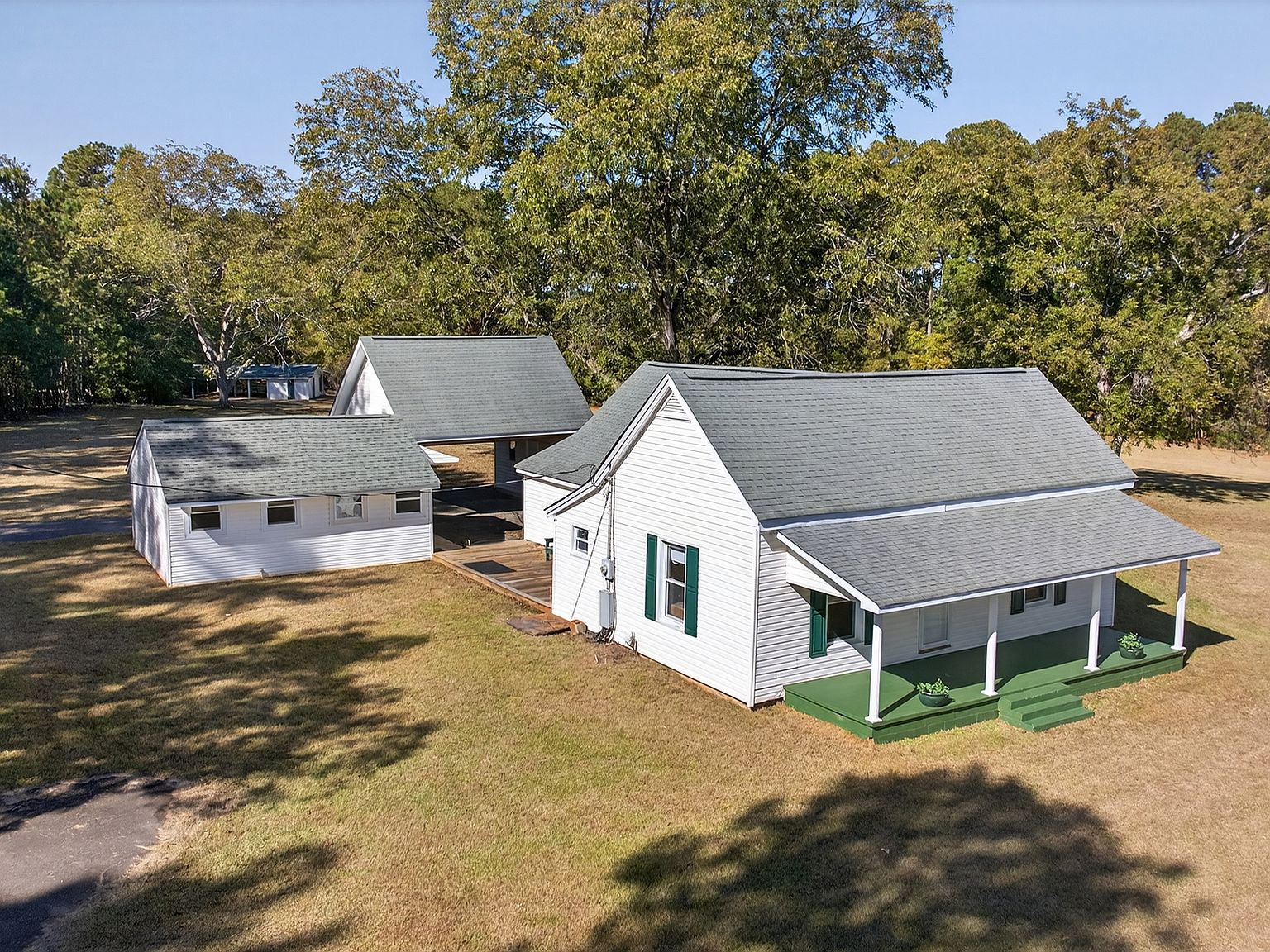
For anyone considering 257 Methodist Park Lane, the growth happening around Lake Hartwell is context — not competition. The property sits on 4.546 acres of private waterfront on the Georgia Corps of Engineers shoreline, and its position is fundamentally different from anything a resort or new development can create. The historic 1873 farmhouse, the mature pecan grove, the covered porch, the lakeside pavilion — these are assets that can't be replicated, manufactured, or accelerated.
What the resort and the community investment do is enhance the ecosystem around the property. Better restaurants make the weekends more enjoyable. Improved infrastructure makes access easier. A more vibrant downtown gives guests more to do when they're not on the water. And the growing tourism economy supports property values across the lake, including on the natural, undeveloped shoreline that makes this property unique.
There's a timing element here that matters. Lake Hartwell's large-acreage waterfront parcels are finite. The Corps of Engineers shoreline is limited. The Georgia side of the lake — with its natural, undeveloped banks and its proximity to Hartwell's downtown — is the most constrained supply. Properties like 257 Methodist Park Lane don't come to market frequently because there are so few of them. The growth happening around the lake makes the scarcity more apparent and the investment more compelling.
A community that's growing up, not just growing
The Hartwell Lakeside Resort, the downtown revitalization, the Smithsonian exhibition, the $57.4 million tourism economy — these are the markers of a community that is investing in its future without abandoning its past. Hartwell hasn't become a different town. It's become a more complete version of itself — a Georgia lake community with the cultural depth, the dining options, and the hospitality infrastructure to support year-round life on the water.
For the families who live here year-round — the retirees, the remote professionals, the multi-generational lake families — this evolution is welcome. The restaurants are better. The events are more frequent. The downtown has energy it didn't have a decade ago. And the lake, with 56,000 acres of water and nearly 1,000 miles of shoreline, remains the constant around which everything else revolves.
At 257 Methodist Park Lane, the property's relationship to this growth is straightforward: it benefits from the ecosystem without being changed by it. The Corps-managed shoreline stays natural. The 4.546 acres stay private. The 1873 farmhouse, the pecan grove, and the lakeside pavilion stay exactly what they've always been — a place that was built for gathering, for gathering shade, and for gathering perspective across generations. The community grows around it. The property endures within it.