
Community
Planning the next 150 years: Hartwell's comprehensive plans and the land that has always planned to stay
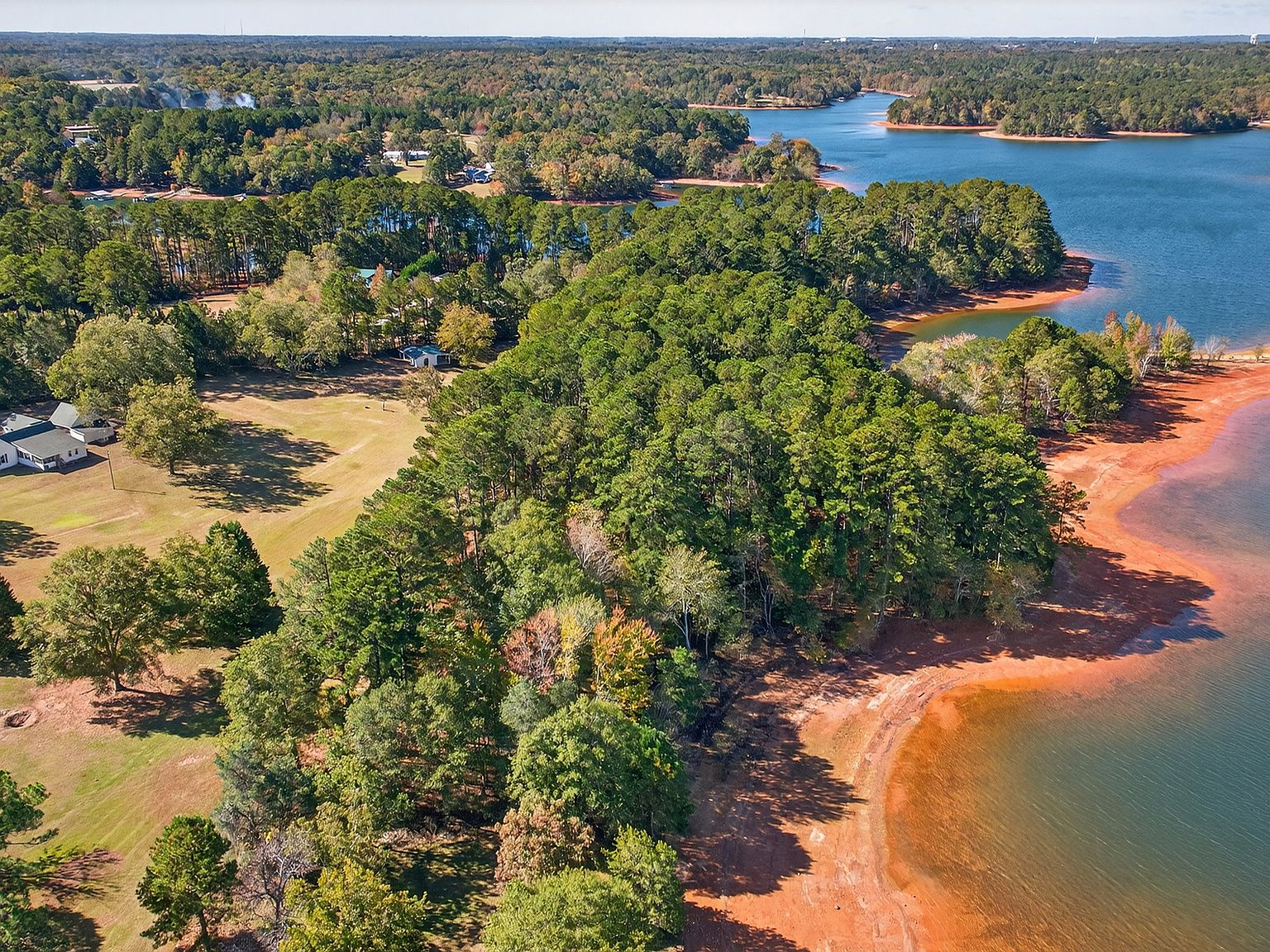
The Hartwell City Council meets September 7 and October 5, 2026, and Hart County and Bowersville are both updating their comprehensive plans, the long-horizon documents that decide what a community will look like a decade from now. Bowersville is even weighing a proposed gas-station rezone. This is the quiet, unglamorous work of planning ahead, and it is exactly the long game the family at 257 Methodist Park Lane has played since 1873: hold the ground, tend it, and prepare it for the next generation rather than cashing out early.
The unglamorous work of looking ahead
Nobody holds a parade for a comprehensive plan. But the places that thrive over decades are the ones that do the unglamorous work of deciding, in advance, where growth should go, what to protect, and what kind of town they intend to be. Hartwell has been doing exactly that, updating its plans and meeting on its agenda, while Bowersville weighs individual decisions like a proposed rezone at the edge of town.
To us, this is the most hopeful thing happening in Hart County. A community that plans is a community that intends to be here for a long time. It is choosing to think in decades while other towns think in quarters, and that is the same discipline that separates a property held for generations from one that changes hands every few years.
The land that planned to stay
The family at 257 Methodist Park Lane has been practicing this discipline since Reconstruction. When they built the home in 1873, they did not build for one season or one sale. They built for permanence, choosing elevated ground above the flood line, planting pecan trees that would not produce for years, and tending the flat fields as ground meant to hold a family for generations.
Then came the greatest test. Between 1955 and 1963, the Corps of Engineers turned the Savannah River valley into a 56,000-acre reservoir, displacing nearly 2,000 families. The family at Methodist Park Lane chose to stay, to rebuild their relationship with the land as the water rose, and to let the old homestead become something new. That decision, made with the long view, is the reason a lakefront estate exists here today where so many properties simply disappeared.
A town and a property planning together
The decisions on the council agenda and in the comprehensive plans will shape Hartwell for the next decade and beyond: where housing goes, how the downtown stays vital, how the shoreline stays protected, how the lake economy grows without losing what makes it worth growing. Those are the same questions a legacy property asks of its owners. Do we protect the shoreline? Do we preserve the pecan grove? Do we build for the next family as well as this one?
When a community and a property answer those questions the same way, the result is a town worth living in and a home worth keeping. Hartwell is planning its next decade with care. The estate at Methodist Park Lane has already demonstrated, across 153 years, that it knows how to plan for the next century.
The long game pays off
There is a temptation in every community, and on every piece of land, to take the short view: sell now, develop fast, cash out early. The reason Hartwell is on the map, and the reason 257 Methodist Park Lane is one of the last remaining large-acreage parcels on the Georgia shoreline, is that the people who came before refused to take the short view. They planned, they held, and they passed the ground along a little better than they found it.
As the council convenes and the plans are drawn, the same patient arithmetic is at work on this property. One family held this land through a river valley, a dam, a lake, and six generations of change. The next owner will inherit that inheritance, and with it the chance to make the next long-term decision for a place that has always been planned for the long run.