Community
New homes, old roots: what Hartwell's growth in 2026 means for a legacy Lake Hartwell estate
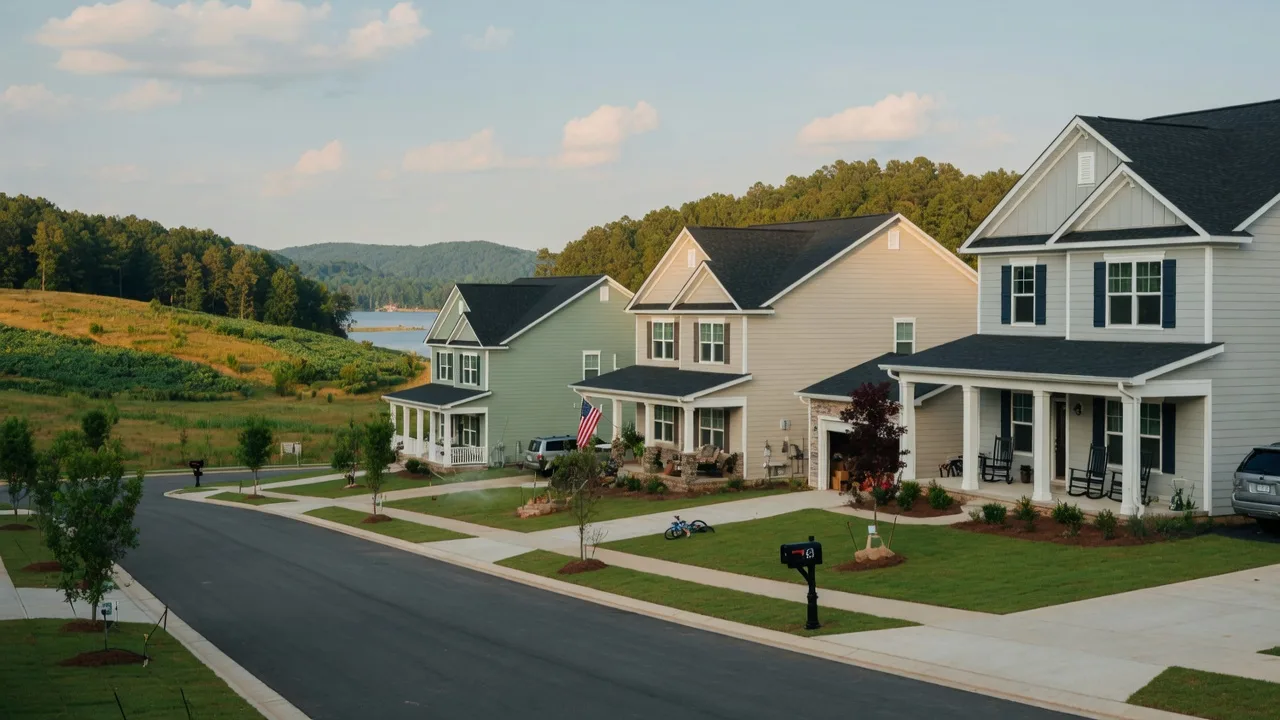
In April 2026, Century Complete, one of the nation's largest homebuilders, announced Woodlake Landing, a new affordable single-family home community in Hartwell with homes starting from the $280s. On the surface, it is a piece of real estate news in a growing corner of northeast Georgia. But for anyone considering the value of a legacy property on Lake Hartwell, it is also a signal, a sign that the community around 257 Methodist Park Lane is maturing in ways that matter for the long term.
What Woodlake Landing means
Woodlake Landing represents a meaningful addition to Hartwell's housing stock. Homes starting in the $280s address a real need, bringing new families into a community that has worked hard to balance growth with preservation. The development is located near Lake Hartwell and I-85, giving residents access to both the recreational life of the lake and the commuting corridor that connects Hartwell to the broader region.
For Hartwell, this is not sprawl. It is thoughtful infill. The town has spent years laying the groundwork for controlled growth through its comprehensive planning process, its Main Street program, and its commitment to historic preservation. Woodlake Landing fits within that framework: new homes for families who want to be part of the community, built on a scale that does not overwhelm the landscape.
What Woodlake Landing does not do is change the fundamental character of the lake itself. The Georgia shoreline of Lake Hartwell remains under the management of the U.S. Army Corps of Engineers, which strictly limits development along the water's edge. The coves near Methodist Park and Elrod Ferry stay wooded. The natural shoreline stays natural. The privacy of waterfront estates like 257 Methodist Park Lane stays intact.
The value of land that was never subdivided
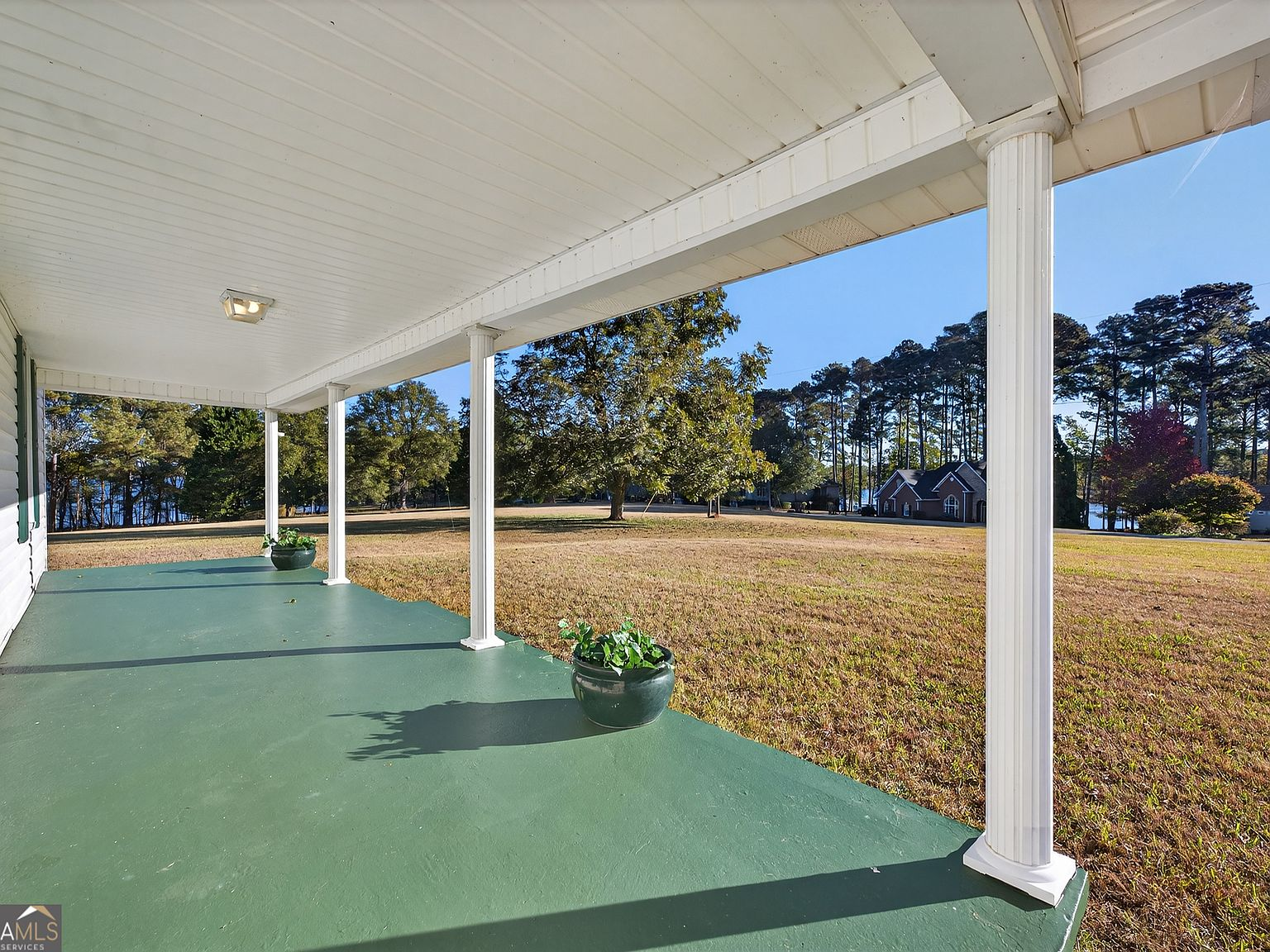
Across America, the pattern of lake development has followed a predictable arc: a large family property gets subdivided into smaller lots, which get sold off one by one, until the original tract is unrecognizable. The 4.546 acres at 257 Methodist Park Lane have never been subdivided. The flat lawn, the pecan grove, the space between the covered porch and the water's edge has remained intact across 153 years, six generations, and the transformation of a river valley into a 56,000-acre reservoir.
That discipline becomes more valuable as the surrounding community grows. When Woodlake Landing fills with new homes and new families, the scarcity of large-acreage parcels on Lake Hartwell's Georgia shoreline becomes more apparent, not less. A property with room to breathe, with land that stretches from the road to the water, with space for a pavilion and a porch and a pecan grove, becomes the thing that cannot be replicated.
What growth brings to the community
There is a common anxiety among lake property owners about development. More people means more boats, more traffic at the boat ramps, more competition for the best coves on holiday weekends. It is a legitimate concern, and one that the Corps' shoreline management policies help address by keeping the lake's edge undeveloped regardless of what happens inland.
But growth also brings good things. A broader tax base supports the schools, the parks, and the infrastructure that makes a community function year-round. New restaurants and retail follow new rooftops. The Hartwell Farmers Market, which runs from April through November, gets more vendors and more variety as the customer base grows. The music festivals, the holiday events, the civic organizations that define Hartwell's community life all benefit from a population that is stable, growing, and invested.
In our work with families relocating to lake communities across North Carolina, South Carolina, and Georgia, we have seen the pattern repeat: the towns that grow thoughtfully become better places to live. They have more to offer. Their schools improve. Their downtowns diversify. Their property values appreciate. The towns that refuse to grow at all stagnate, and their best years end up behind them. Hartwell is choosing the better path.
The land that holds the story
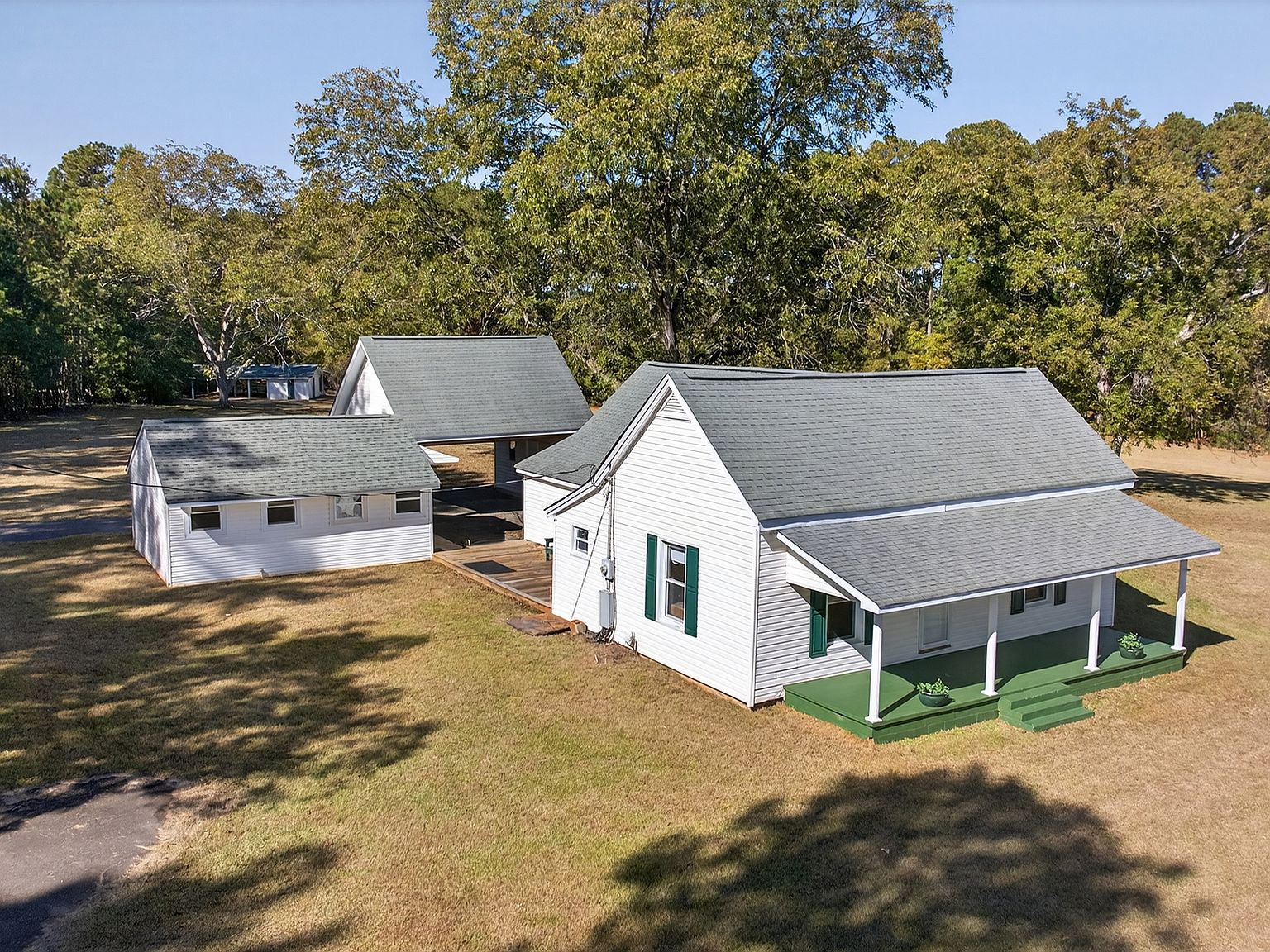
What makes 257 Methodist Park Lane unusual is not just the size of the parcel or the age of the home. It is the fact that the property represents both sides of Hartwell's identity. The pecan trees and the covered porch connect to the agricultural heritage that defined Hart County for two centuries. The lakeside pavilion and the dock access connect to the recreation economy that defines Hartwell's present and future.
A property that holds both stories becomes more interesting as the community around it evolves. When new families move into Woodlake Landing, they are choosing Hartwell for the same reasons that the original homesteaders chose this land: good schools, safe streets, proximity to water, and the sense that this is a place where a family can put down roots. The difference is that the family at 257 Methodist Park Lane has been putting down roots since the 1870s, and the evidence of that commitment is visible in every mature tree, every worn porch board, every corner of the flat lawn that has been mowed, walked, and gathered on for 153 years.
A community worth joining
Hartwell in 2026 is a town that is earning its growth. The Visionary City Award recognized the community's innovative approach to economic development. The Smithsonian exhibition that ran through August 5 brought national culture to a town of 4,500 people. The parks system has expanded from a single 26-acre park to five parks totaling over 200 acres. New manufacturing facilities at Ritz Instrument Transformers are adding jobs. And new homes at Woodlake Landing are welcoming families who want to be part of this moment.
For the buyer of 257 Methodist Park Lane, the timing matters. The property has held its ground through every phase of Hartwell's history, from agricultural settlement to reservoir creation to tourism economy to the current era of controlled growth. It will hold its ground through the next phase, too. The question is whether the next owner will join a community that is building something real, or watch it from the outside.
"The land at 257 Methodist Park Lane has outlasted every owner who has held it. The next generation will inherit not just a property, but a position in a community that has chosen to grow without losing itself."