Heritage
Six feet below full pool: what the 2026 drought reveals about the land at 257 Methodist Park Lane
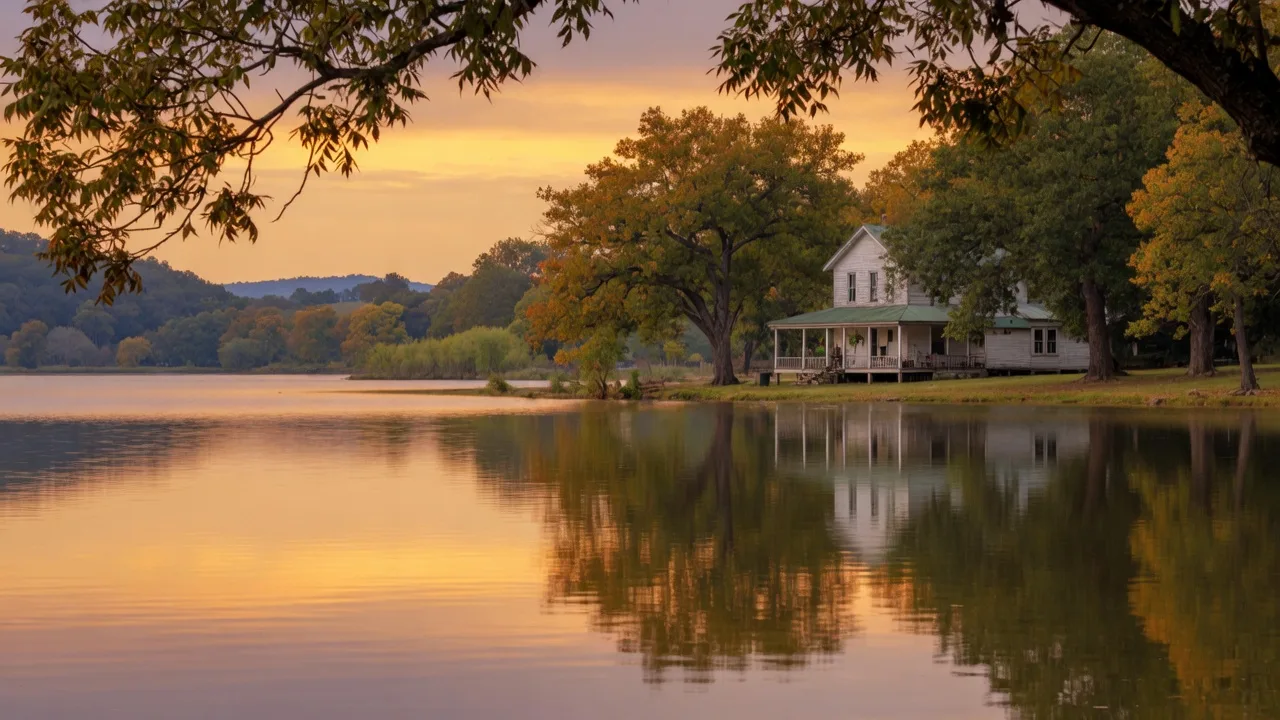
Lake Hartwell in August 2026 is beautiful, warm, and six to seven feet below full pool. The drought that settled over the upper Savannah River basin in 2025 has not broken. The U.S. Army Corps of Engineers reports roughly a 30-inch rainfall deficit since January 2025, and the Georgia Environmental Protection Division declared a Level 1 Drought Response for public water systems in April 2026. Boaters navigate channels that are narrower than the charts show. Shorelines that were under water a year ago are now dry land. And on the Georgia side of the lake, near Methodist Park and Elrod Ferry, the water has exposed landscapes that have not seen the sun in sixty years.
What low water reveals
The Corps of Engineers maintains Lake Hartwell at a full-pool elevation of 660 feet above mean sea level. In the summer of 2026, the lake is hovering near 653 feet. For the typical waterfront property with a gentle slope to the water, the effect is dramatic: the edge of the lake has receded, leaving a wide band of red clay shoreline, exposed tree stumps, and the foundation remnants of structures that were demolished before the valley was flooded in the 1950s and 1960s.
For the families displaced when the lake was created, these exposed foundations are ghost stories made visible. For the current generation of lake residents, low water is a practical challenge: docks that used to sit in deep water now need extensions, boat launches require caution, and the coves that were reliably navigable in a pontoon boat now demand attention to depth finders.
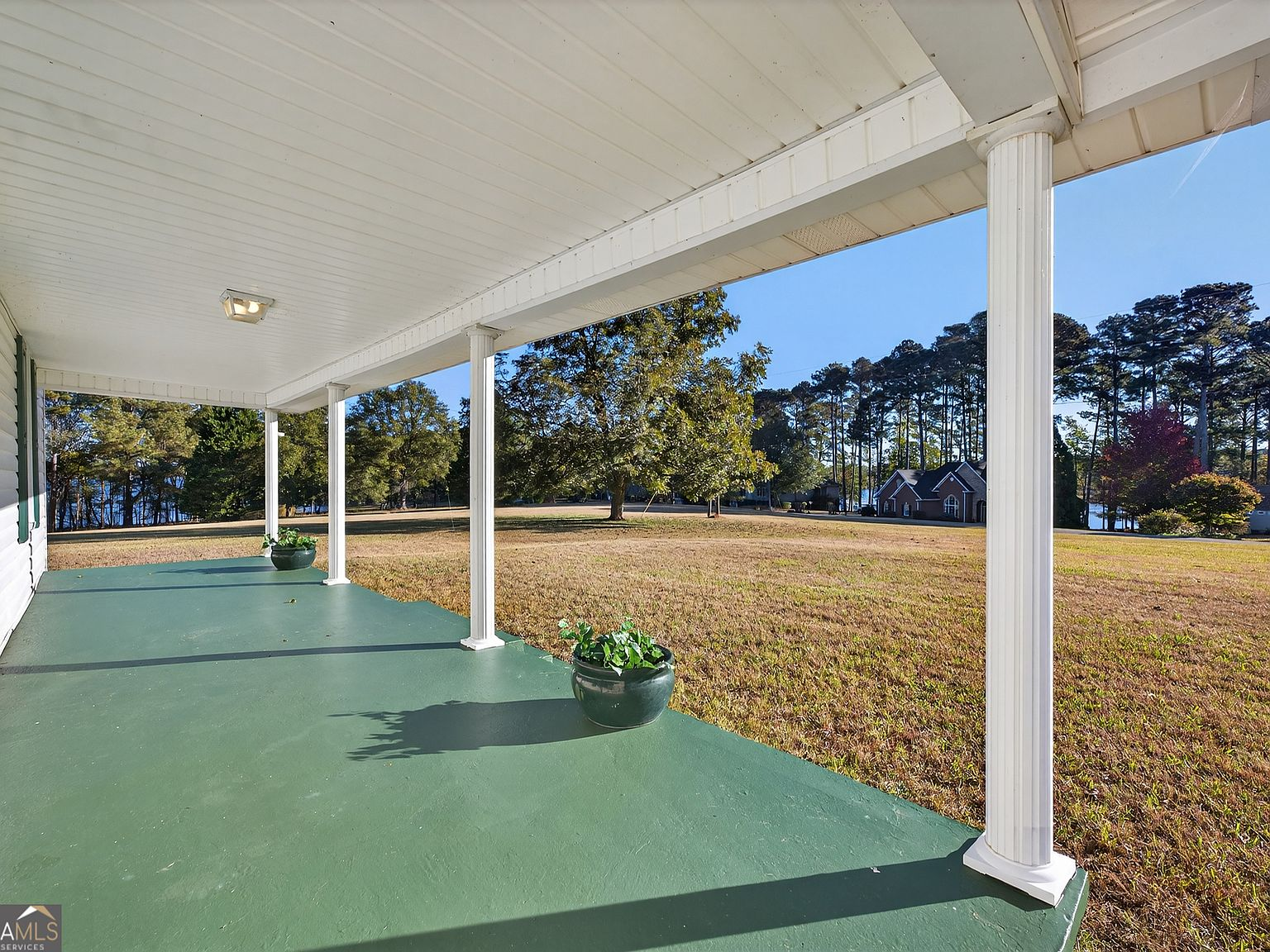
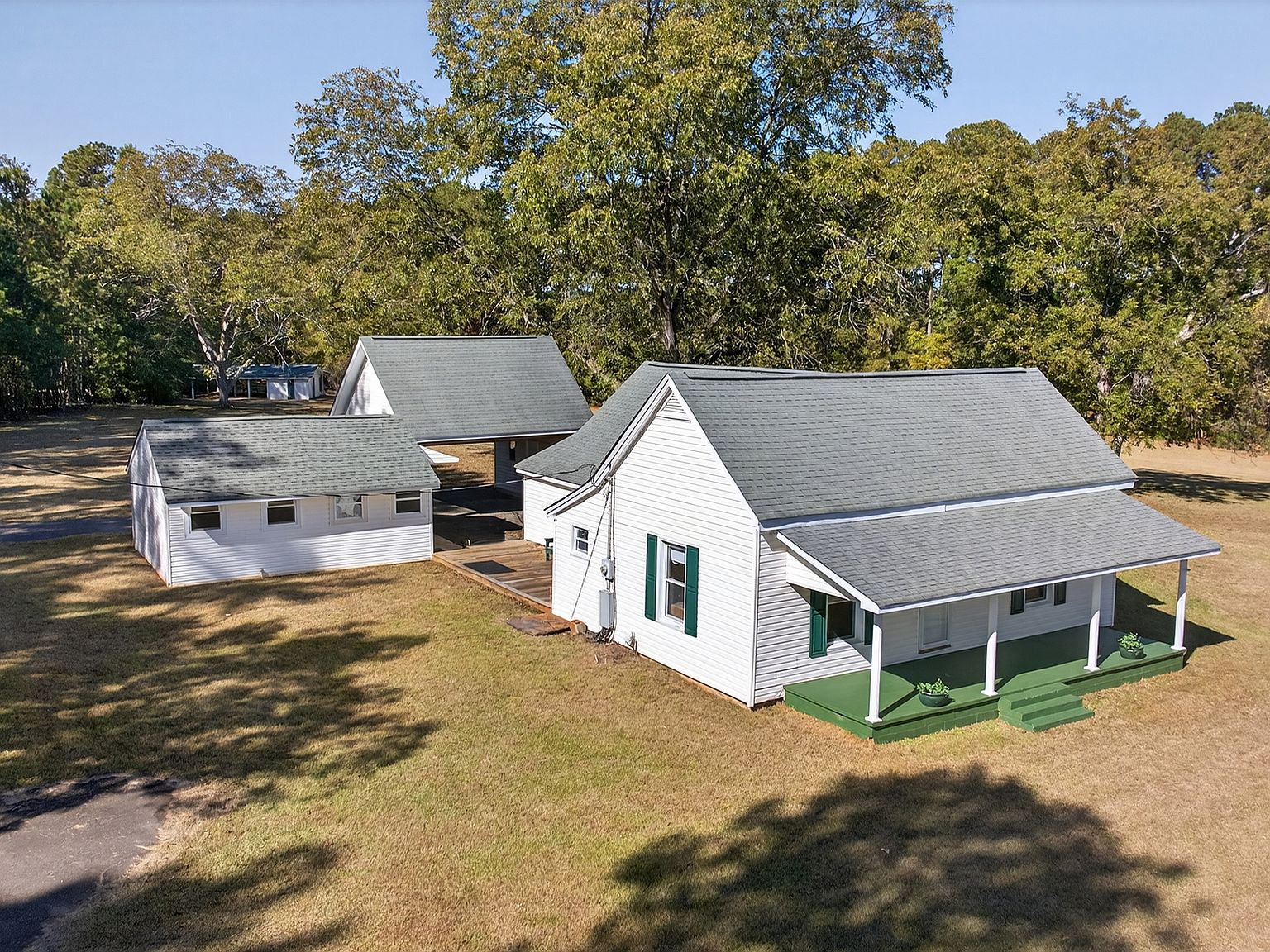
But for the property at 257 Methodist Park Lane, the drought reveals something different. The 1873 farmhouse was built on elevated ground, on a natural terrace above the Savannah River floodplain. The family who chose this site did not know that a dam would one day turn the river into a 56,000-acre lake, but they knew water. They knew that spring floods could turn the river bottomland into marsh. They knew that a house built too close to the water would face regular damage and eventual ruin. So they built on the high ground. And when the Corps flooded the valley in the early 1960s, that high ground kept the property above the full-pool line. The water came to within 200 feet of the house and stopped. It has never reached the porch.
Drought and resilience on the Georgia shoreline
The 2026 drought is not Lake Hartwell's first low-water crisis, and it will not be its last. The lake has experienced significant droughts in 1954 (before the dam was complete), 1986, 2000, 2007, and most recently in 2022. In 2007, the lake dropped to 650.47 feet in December, the lowest level since the reservoir was filled. Each time, the Corps reduced water releases, the boat ramps closed one by one as the water receded, and the community adapted.
What the drought does not do is threaten the value of waterfront property. Lake Hartwell's desirability is not dependent on full pool. The fishing remains strong, the sunsets are no less beautiful, and the community does not stop gathering. In some ways, low water brings the community closer together: boaters share information about navigable channels, neighbors check on neighbors whose docks need adjustment, and the shared experience of weathering a dry spell reinforces the social fabric that makes Lake Hartwell a real community rather than a weekend destination.
Fishing through the drought
Fishing on Lake Hartwell in the summer of 2026 has been surprisingly productive despite the low water. The clear water and reduced boat traffic in some areas have created favorable conditions for anglers who know how to adapt. The Georgia Outdoor News July report noted that spotted bass are aggressively feeding on blueback herring around points, humps, and offshore structure. Topwater lures, buzzbaits, and walking baits are working in the early morning hours before the sun climbs, while drop-shots and shaky heads on deep brush piles produce during the heat of the day.
Striped bass catches have included an 11-pound fish, and crappie remain active on shallow brush in the cooler parts of the day. The fish do not read drought reports. They respond to water temperature, oxygen levels, and the availability of forage. And on Lake Hartwell, the fishery has proven resilient through every drought cycle of the past six decades.
For the owner of 257 Methodist Park Lane, access to the water from the Georgia Corps of Engineers shoreline is unaffected. The natural bank, the wooded cove, and the proximity to deeper water near the old river channel mean that even at six feet below full pool, the dock is in the water and the fishing lines are running.
The choice that outlasts the weather
Droughts end. Full pool returns. The exposed shorelines will be covered again, and the next generation of boaters will navigate coves that were barely passable in the summer of 2026. But the decision that the original family made in 1873 to build on elevated ground, on a flat terrace above the river's reach, is a decision that continues to pay dividends through every drought and every flood.
That is the nature of a legacy property. The choices made by the first generation echo through every generation that follows. The pecan trees they planted for food are still dropping nuts 150 years later. The elevation they chose for the house keeps it dry when the lake drops and safe when the rains return. The flat land they cleared for farming is the same flat land that now hosts lakeside gatherings, children running on the lawn, and the kind of outdoor living that defines the lake lifestyle.
In our work as real estate advisors, we have seen the difference between a property that was built well and one that was built fast. 257 Methodist Park Lane was built well. The proof is not in the architecture, though the 1873 farmhouse has held its lines through a century and a half of Georgia weather. The proof is in the relationship between the land and the water. The property works because it was placed on the land with care, with knowledge, and with an eye toward permanence that modern construction rarely achieves.