
Lake life
Late August on Lake Hartwell: the Ag Expo, pecan promise, and the season that connects past and present
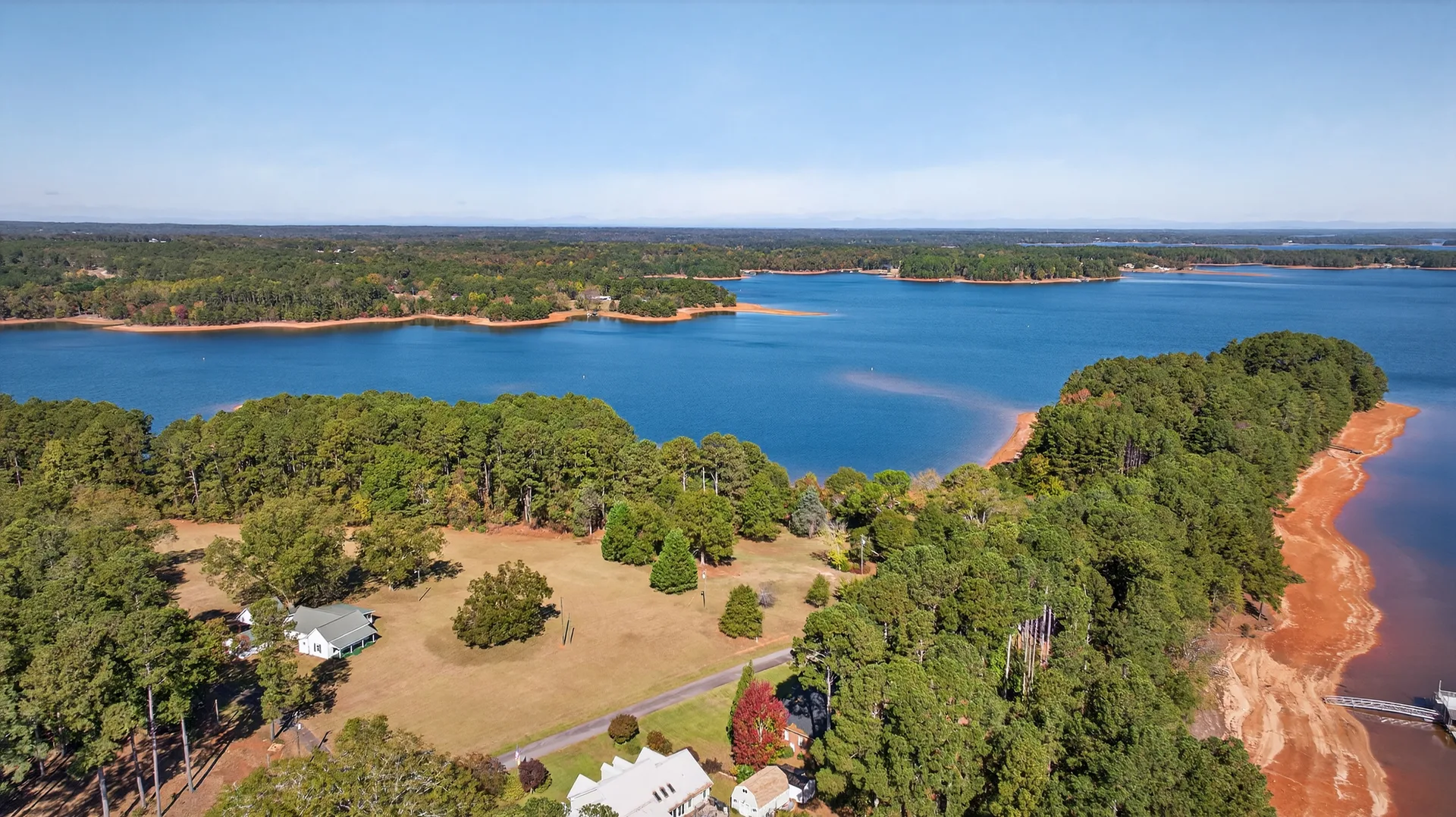
On a warm Saturday in mid-August, two events unfolded within a few miles of each other that together tell the whole story of this property. At the Hart County Agriscience Center, the Northeast Georgia Ag Expo brought together antique tractors, 4-H exhibits, local vendors, and families who still know the difference between livestock breeds and planting zones. And a few minutes down the road, on the porch at 257 Methodist Park Lane, the afternoon breeze carried the scent of lake water and dry grass across a lawn that was once cotton fields, past pecan trees that have been producing nuts since before the Expo was conceived.
The Ag Expo and what it represents
Held each August at the Hart County Agriscience Center, the Northeast Georgia Ag Expo is a free community event that draws families from across the region. The 2026 edition, held on Saturday, August 15, featured an Antique Tractor Show, agricultural exhibits, educational panels, vendor booths, kids' activities, and food from local vendors. It is the kind of event that could easily feel like a nostalgia exercise — a salute to a vanishing way of life. But that is not how it feels on the ground. It feels alive. The kids running between the tractor displays are not just looking at history. They are learning that the ground beneath their feet, the food on their tables, and the lake in their backyard all connect to the same soil.
For the property at 257 Methodist Park Lane, the Ag Expo is more than a nearby event worth attending. It is a living link to the land's own identity. For eighty years before the lake arrived, this was an active farm — cotton, corn, livestock, and the pecan trees that still stand today. The Ag Expo celebrates that tradition, not as a museum piece, but as a continuing thread in the community's fabric. When you stand in the shade of the pecan trees at Methodist Park Lane after visiting the Expo, the connection is not abstract. You can see the same red clay, the same Georgia sun, the same community of people who understand that land is not just something you own. It is something you work.
The pecan promise: late summer on the land
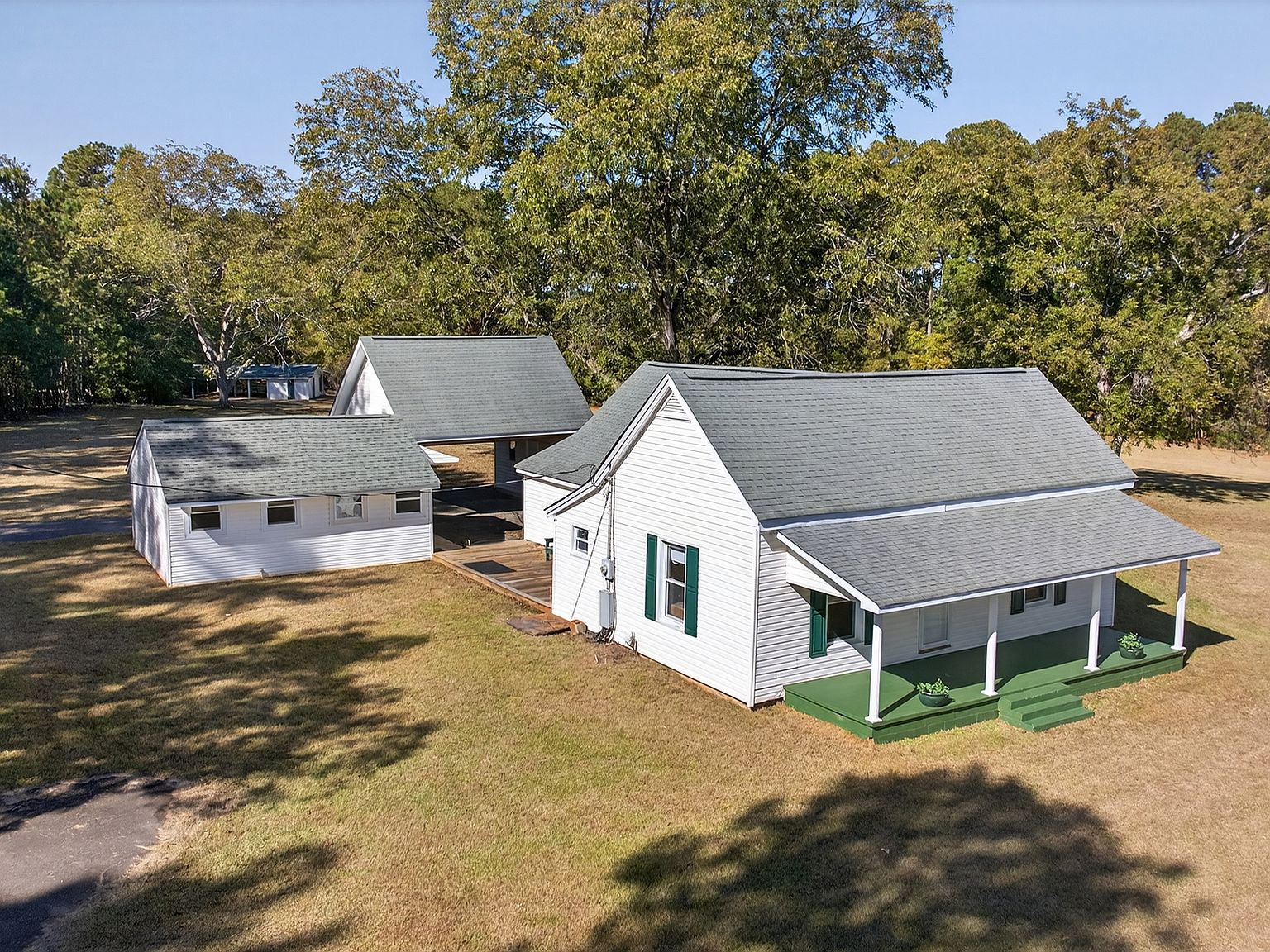
Walk the lawn at 257 Methodist Park Lane in mid-August, and you will notice the pecan trees are carrying something. The nuts are still forming, still green in their husks, but the branches are heavy with the promise of the harvest to come. In another six to eight weeks, when the first frost cracks the husks open, the ground beneath these trees will be covered in pecans. It has happened every November for over a century, and it will happen again this year.
That cycle — planting, growing, harvesting, resting — is the rhythm that governed this land for its first eighty years. The family who lived here did not measure time by the calendar. They measured it by the pecan harvest, the cotton baling, the corn shucking, the seasons of planting and reaping that repeated with reliable regularity. Every August, they looked at the pecan trees the way we look at them today: with anticipation. The harvest was not optional. It was the difference between a comfortable winter and a hard one.
Today, the pecan trees still produce. The nuts are still as sweet as they were in the 1880s. But the purpose has shifted from survival to pleasure. The pecans that fall on the lawn at Methodist Park Lane today are more likely to end up in a pecan pie shared with guests at a lakeside gathering than in a root cellar for winter storage. The trees do not know the difference. They simply do what they have always done. But the relationship between the land and the people who live on it has evolved — and that evolution is what makes late summer on this property so rich with meaning.
The lake in late August
The water temperature in August on Lake Hartwell sits in the mid-80s. The swimming is excellent, the boating is enjoyable, and the crowds that pack the lake on Memorial Day and the Fourth of July have thinned enough that you can find your own cove on a Tuesday afternoon. The Corps of Engineers shoreline near Methodist Park Lane stays natural and wooded, offering the kind of privacy that makes the lake feel like it belongs to you alone.
Late August is the lake's most honest season. The summer rush is winding down, but the water is still warm. The families who visit for long weekends have mostly returned to school and work routines. The fishermen are back in force, chasing stripers and bass that have moved into deeper structure as the water warms. The mornings are cool enough for coffee on the porch without breaking a sweat. The evenings are long enough for a bonfire at the pavilion after the sun goes down. It is the season for people who love the lake not because it is a destination, but because it is where they live.
What the season connects
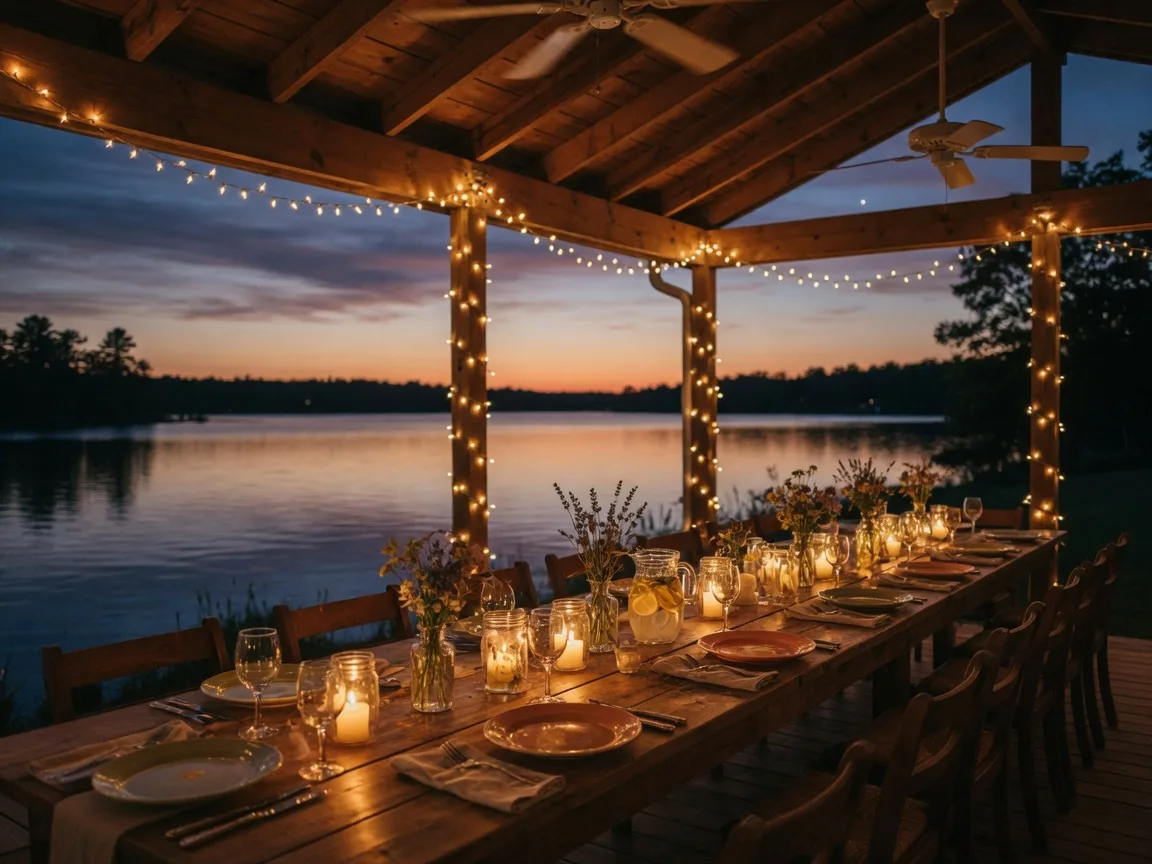
The beauty of late August on this property is that it forces no choice between the past and the present. You can spend the morning at the Ag Expo, watching antique tractors and talking to a beekeeper about his hives. You can spend the afternoon on the lake, tubing behind a boat or floating in a cove. You can spend the evening on the porch, watching the light fade over the water, knowing that the pecan trees will need to be harvested in a few months. The agricultural heritage and the lake lifestyle are not competing identities here. They are layers of the same story.
That is a rare quality, and it is specific to properties like 257 Methodist Park Lane. A new home on a subdivided lot cannot claim this depth. A weekend cabin on a crowded cove cannot offer this breadth. But a 153-year-old estate on 4.546 acres of private shoreline, with pecan trees that predate the lake and a porch that has faced the water since before anyone dreamed of the dam, holds both identities in a single embrace.
The Ag Expo continues. The pecan trees continue. The lake continues. And the land — this particular piece of flat, private, historic land on the Georgia shoreline of Lake Hartwell — continues to connect them all, as it has through two rivers and 153 years of changing seasons.