
Heritage
Living the land before the lake: a generational story from the Savannah River Valley
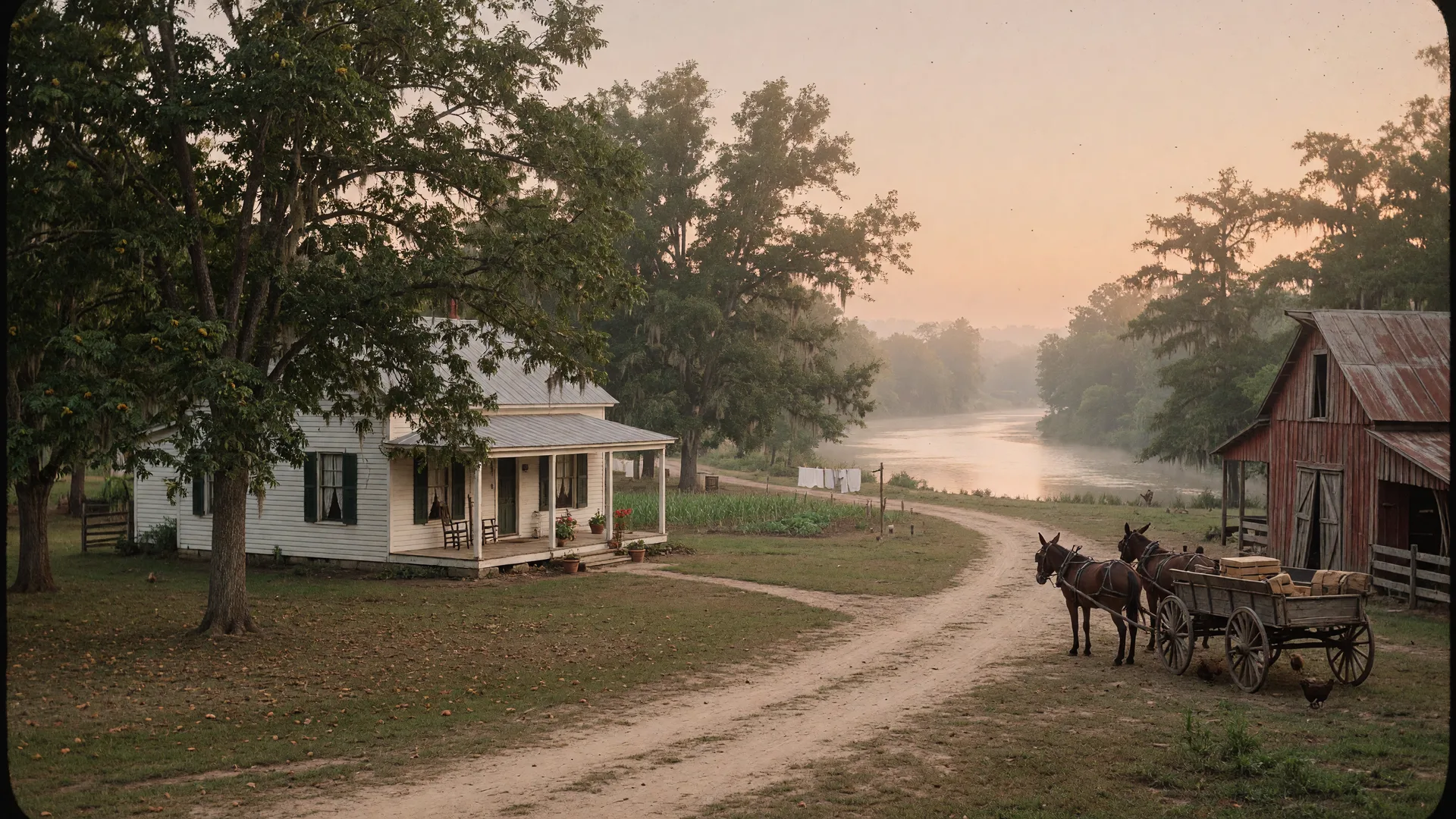
Try to picture the morning of a family living on this land in 1880. The rooster crowed before first light. The woman of the house was already stoking the wood stove in the kitchen, its chimney releasing a thin column of smoke into the cool Georgia air. The man was pulling on his boots on the covered porch, scanning the sky for rain that might delay the day's work. Children stirred in the upstairs bedrooms, their feet hitting the wide-plank floors that had been there since the house was built seven years earlier. The Savannah River, a half-mile through the trees, moved at its own pace. And the pecan trees — still young then, barely more than saplings — cast the first early shadows across a farm that would outlast them all.
A working landscape
In the decades following Reconstruction, Hart County was an agricultural community built on small family farms. Cotton was the dominant cash crop, grown in the red clay hills and the rich bottomland along the Savannah River. But a smart farm family did not rely on cotton alone. The household at 257 Methodist Park Lane would have planted corn for meal and livestock feed, beans and potatoes for the root cellar, and a kitchen garden with tomatoes, okra, collards, and squash that carried the family through the growing season. Peach trees, fig trees, and the maturing pecan trees added variety and nutrition to a diet that was largely what the land itself provided.
The land's defining feature — its flatness — was a genuine advantage in the Piedmont. Most farms in Hart County were carved into hillsides, where erosion was a constant battle and every rain sent precious topsoil down toward the river. The flat terrace at Methodist Park Lane held its soil. It drained well without washing away. A team of mules could pull a plow across these fields without the strain of working slopes. The family could plant crops, graze livestock, and build the outbuildings — the smokehouse, the barn, the chicken coop — that a self-sufficient homestead required.
Life was governed by the seasons in a way that is difficult to appreciate today. Spring planting meant long days bent over furrows, dropping seeds into the red earth. Summer was the season of cultivation — hoeing weeds, managing pests, praying for rain at the right intervals and sun at the right intensity. Fall brought the harvest — cotton picked and baled, corn cut and shocked, pecans gathered from beneath the trees. Winter was for maintenance — repairing tools, splitting firewood, patching the roof, and surviving the cold drafts that slipped through window frames no matter how carefully they were sealed.
The river as neighbor
The Savannah River was the defining natural feature of this property long before Lake Hartwell existed. It was both resource and boundary, provider and threat. The river offered fishing — catfish, bream, and redbreast sunfish that supplemented the family's diet with protein that cost nothing but time and a cane pole. The river also offered a natural corridor for travel and trade. Before the railroads reached Hart County in the late 1870s, the Savannah River was the most practical route for moving goods through the region. Pole boats and flatboats carried cotton, timber, and other products downstream to Augusta, returning with goods the farms could not produce themselves.
But the river was not always gentle. Spring rains on the Appalachian foothills could turn the Savannah into a brown surge that overtopped its banks and flooded the bottomland. The family at 257 Methodist Park Lane had chosen their building site on elevated ground for exactly this reason. While neighbors in the lower valley watched the water creep toward their doorsteps, the 1873 farmhouse sat dry and secure on its natural terrace. That elevation, chosen by the first generation with no knowledge that a lake would someday exist, is the same elevation that kept the property above the full-pool line when the reservoir was filled a century later.
The self-sufficient homestead
A farm in Hart County during this period was not just a place to live — it was an economic unit that had to produce nearly everything the family needed. The household at Methodist Park Lane would have raised hogs for meat and lard, kept a milk cow for dairy, maintained a flock of chickens for eggs and meat, and preserved vegetables from the garden through canning, drying, and root-cellaring. The women of the household made soap from rendered fat and lye, churned butter, wove cloth on looms passed down through the family, and managed the complex calendar of food preservation that ensured the family would eat through winter.
This self-sufficiency was not a lifestyle choice — it was survival. Hartwell, Georgia, was a small county seat of a few hundred people in the 1880s, accessible by rutted dirt roads that turned to mud in wet weather. A trip to town for supplies was an event, not an errand. The general store carried coffee, sugar, salt, nails, and the other essentials the farm could not produce — but the family's ability to buy those things depended on the cash generated by cotton or timber. When cotton prices fell, which they did with crushing regularity in the late 19th century, the cash flow stopped. The land had to provide.
The pecan trees, planted in the 1870s, were a hedge against exactly that kind of vulnerability. A mature pecan tree does not require annual planting, fertilizer, or intensive labor. It simply produces. Fifty to one hundred pounds of nuts per tree, per year, from the second decade of its life onward. The nuts could be eaten by the family, traded with neighbors, or sold for cash. They stored well through the winter. They were, in a very real sense, money growing on trees — and a century and a half later, they are still producing.
What the land demanded, and what it gave
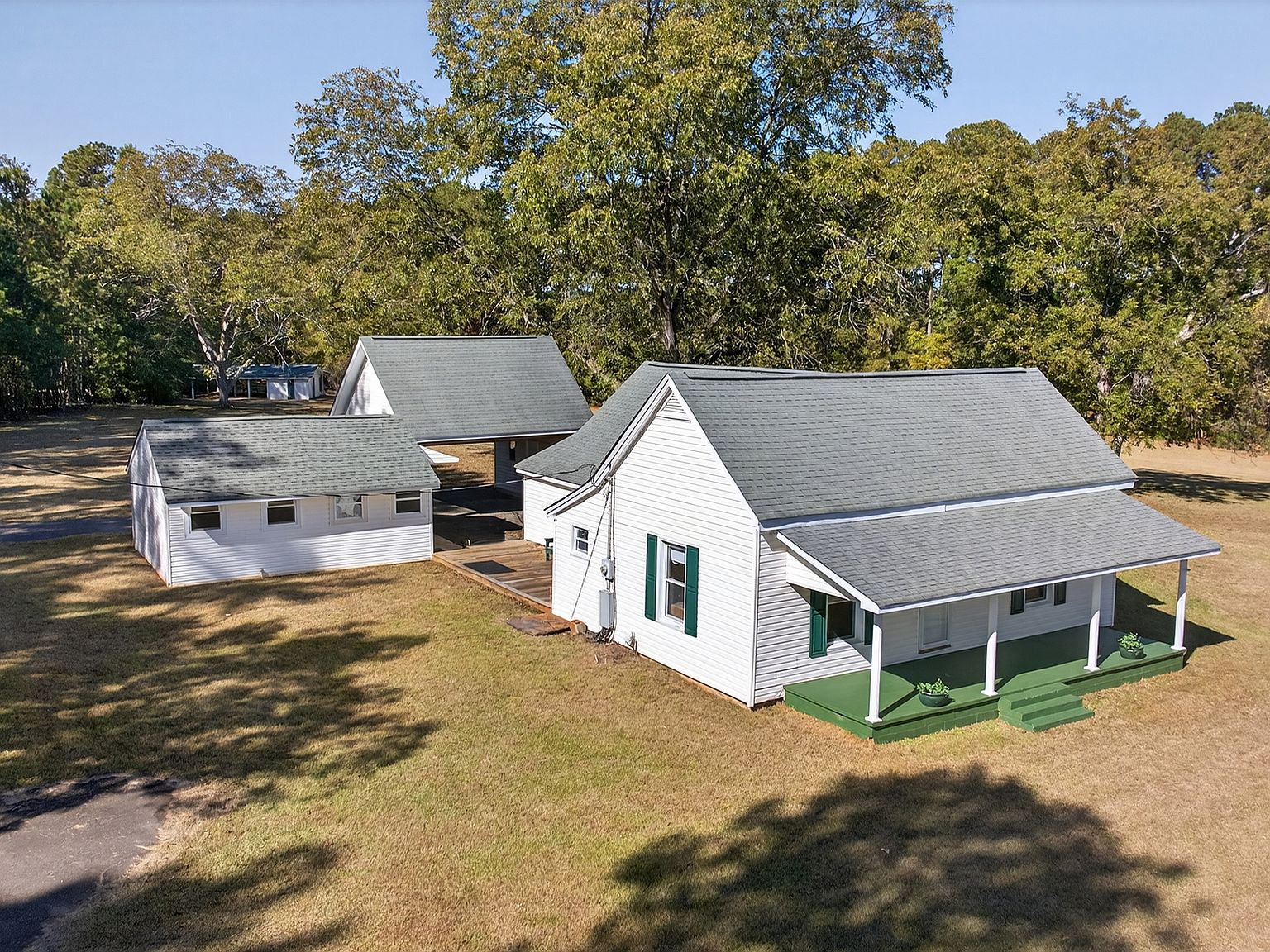
To live on this land between 1873 and 1955 was to be bound by the natural world in a way that is almost inconceivable from the vantage point of modern lakefront living. The family's schedule was set by daylight — up at dawn, done by dusk, with the rhythm of chores filling the hours between. The family's comfort depended on the quality of the firewood they had split and stacked the previous winter. The family's health depended on the purity of the well water and the success of the kitchen garden. The family's income depended on the price of cotton in markets they could not control and the vagaries of weather they could not predict.
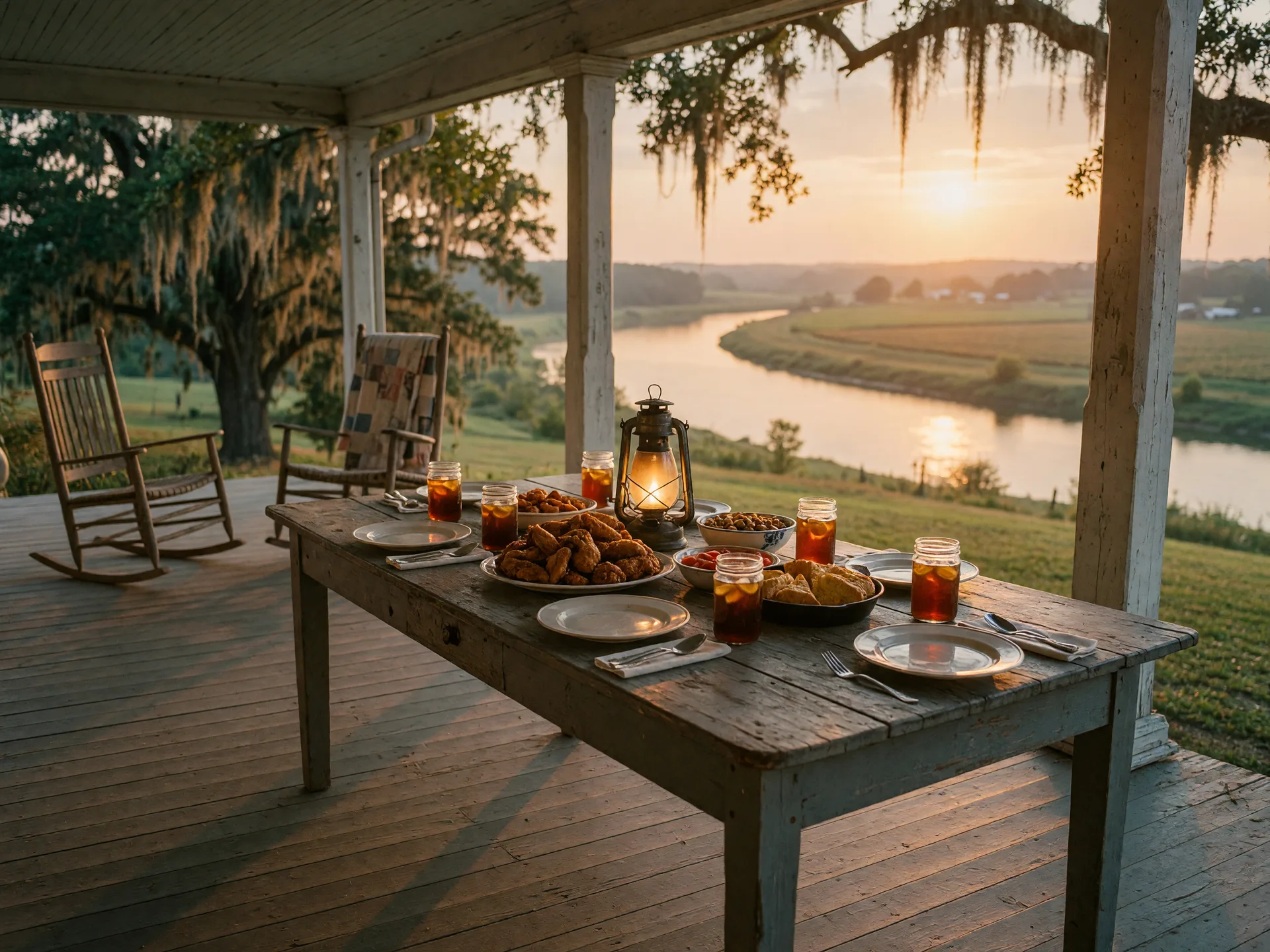
But the land also gave. The flat acres at Methodist Park Lane provided room for children to run, for extended family to build additional structures, for the community to gather for church suppers and barn raisings and the social events that defined rural life. The porch — that same covered porch that still stands today — offered a place to sit in the evenings, to watch the river catch the last light, to shell peas in the summer and pecans in the fall, to do the quiet work of maintaining a household while staying connected to the landscape. The land demanded labor, but it also offered beauty, security, and the deep satisfaction of knowing that what you had, you had built with your own hands.
The generations who lived here understood that relationship. They tended the pecan trees. They maintained the house. They kept the flat land clear of encroaching brush. They passed down the knowledge of which way the wind came in November, where the spring rose best, how deep to sink fence posts so the frost would not heave them. That knowledge, accumulated over decades and transmitted across generations, is the invisible architecture of this property — and it is as present today as the physical structure of the home itself.
When the dam arrived in the 1950s and the river valley became a lake, the family faced a choice that would define the next chapter of this land. But that is a story for another post. For now, it is enough to sit on the porch, look out at the flat lawn and the pecan trees and the water beyond, and imagine the morning of an 1880 harvest day. The rooster has crowed. The stove is lit. The boots are on. And the land, as it has for generations, is waiting.