
Generations
Learning to swim in water that wasn't there yet: a century and a half at the water's edge
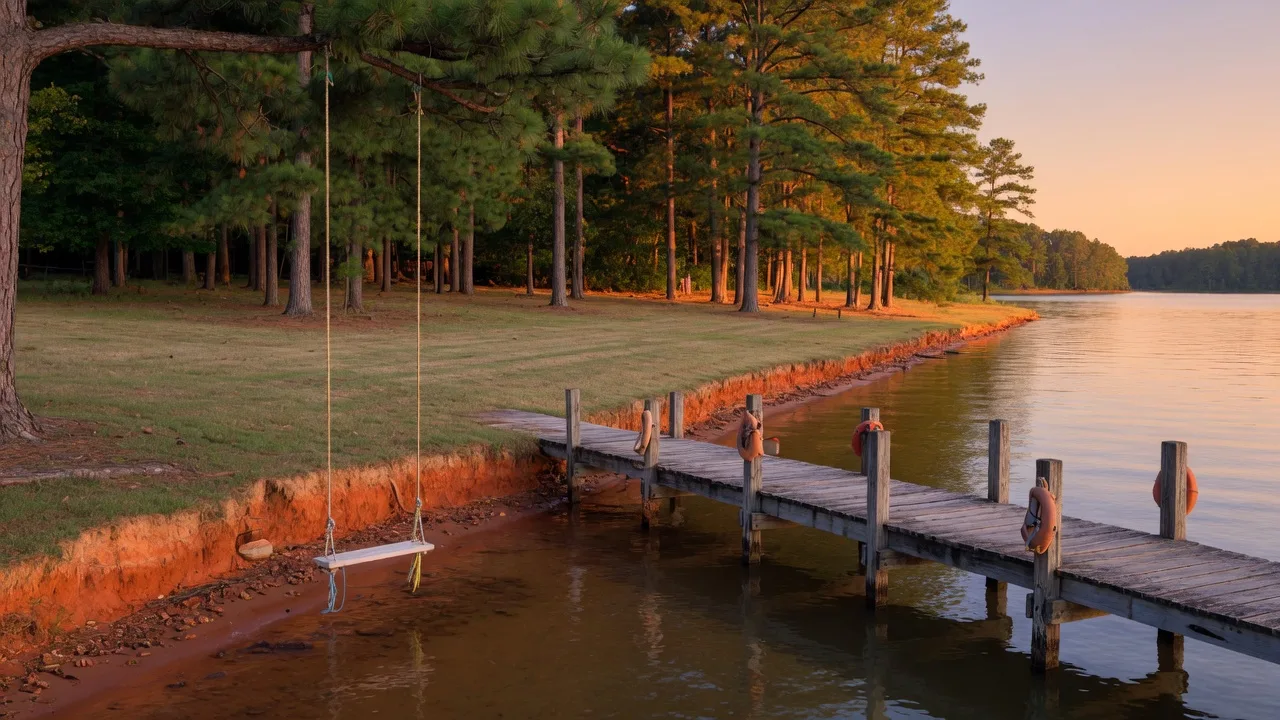
There is a moment every family at a lake knows: the day a child first stops clinging and trusts the water. At 257 Methodist Park Lane, that moment has happened over and over again, in two completely different waters. Before the dam, children learned to swim in the Savannah River and its slow creeks, watched every minute by parents who knew what a current could do. After the lake came, a new set of children learned off the dock, in flat water held back by a dam a few miles downstream. Same family, same high ground, and a whole century and a half of people learning, one cautious splash at a time, to belong at the water's edge.
The river was never a swimming pool
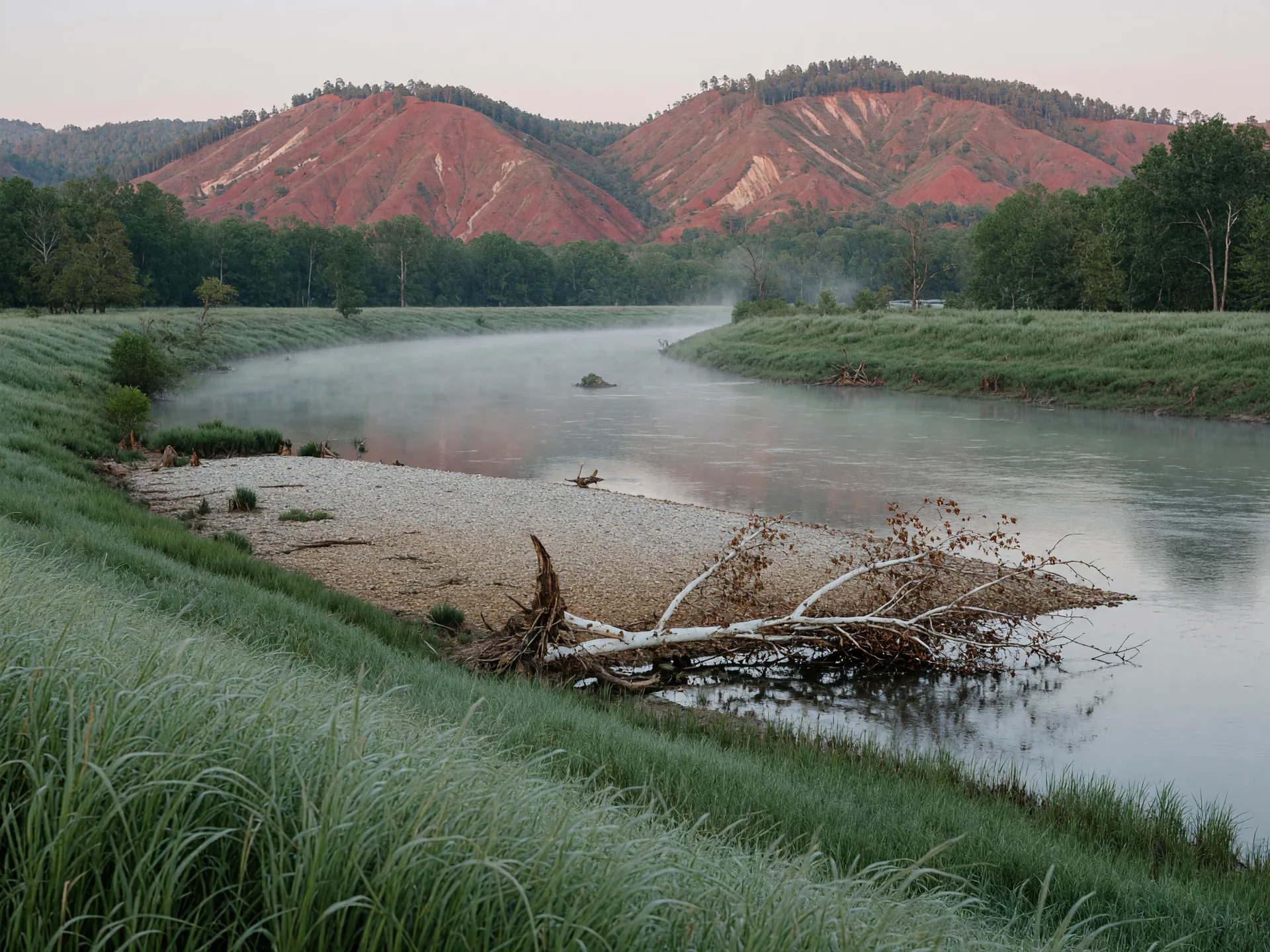
The generations who farmed this land before the lake did not think of the Savannah as a place to swim, at least not the way we do. The river was working water. It carried the family's crops and goods down to Augusta, it watered the livestock, it marked the boundary of a region that had been settled along its banks for generations. The children who grew up here swam in it all the same, but they learned respect first. The adults taught them where the current ran, where the bottom dropped off, which gravel bars were safe in a dry summer and which were traps in a wet spring.
It was an education passed from one pair of hands to the next, the way every other lesson on a working farm was passed. You learned to swim the way you learned to ride, to fish, to read the sky: by watching the person who came before you, then doing it under their eye until you could do it alone. There was no pool, no instructor, no schedule. There was the river, and there was the family, and the river did not negotiate.
When the water arrived, the lesson changed but did not disappear
When Hartwell Dam filled the valley in the early 1960s, the family did not lose their water. They lost the river and gained a lake, one of the largest reservoirs in the Southeast, with 962 miles of shoreline and water levels that could rise and fall by the season. The children of that generation had a gentler place to learn. The lake, held still behind the dam, did not demand the same fierce respect the river had, and so the teaching softened into what most of us would recognize: a parent in the shallows, a child on a floating ring, a rope swing, a sunny afternoon.
But the core of the lesson never changed. The lake is still a working body of water, still subject to the Corps of Engineers, still capable of sudden change in a storm or a cold spring. What the generations handed down was not just how to float. It was how to read the water, how to judge its mood, and how to teach the child after you to do the same. The water changed shape, but the family's job at its edge stayed exactly the same.
What 150 years of swimmers leave behind
Walk the lawn at 257 Methodist Park Lane today and you are standing on ground that has watched a hundred and fifty years of first swims. The river that used to run where the cove now lies is gone, and the lake that replaced it is deeper and calmer and altogether different. Yet the inheritance is the same: a family that knows how to be near water, that does not fear it and does not take it lightly, and that keeps passing the lesson forward.
That is the quiet value of a property held for generations. A house can be rebuilt and a shoreline can change, but the accumulated knowledge of how to live on the water, of how to raise children who belong at its edge, is something you cannot buy new. It is earned slowly, one cautious splash at a time, and it is why this land, through a river and a lake and a century and a half, has never stopped being a place where people learn to swim.