
Heritage
The name this county carries: Nancy Hart and the roots beneath 257 Methodist Park Lane
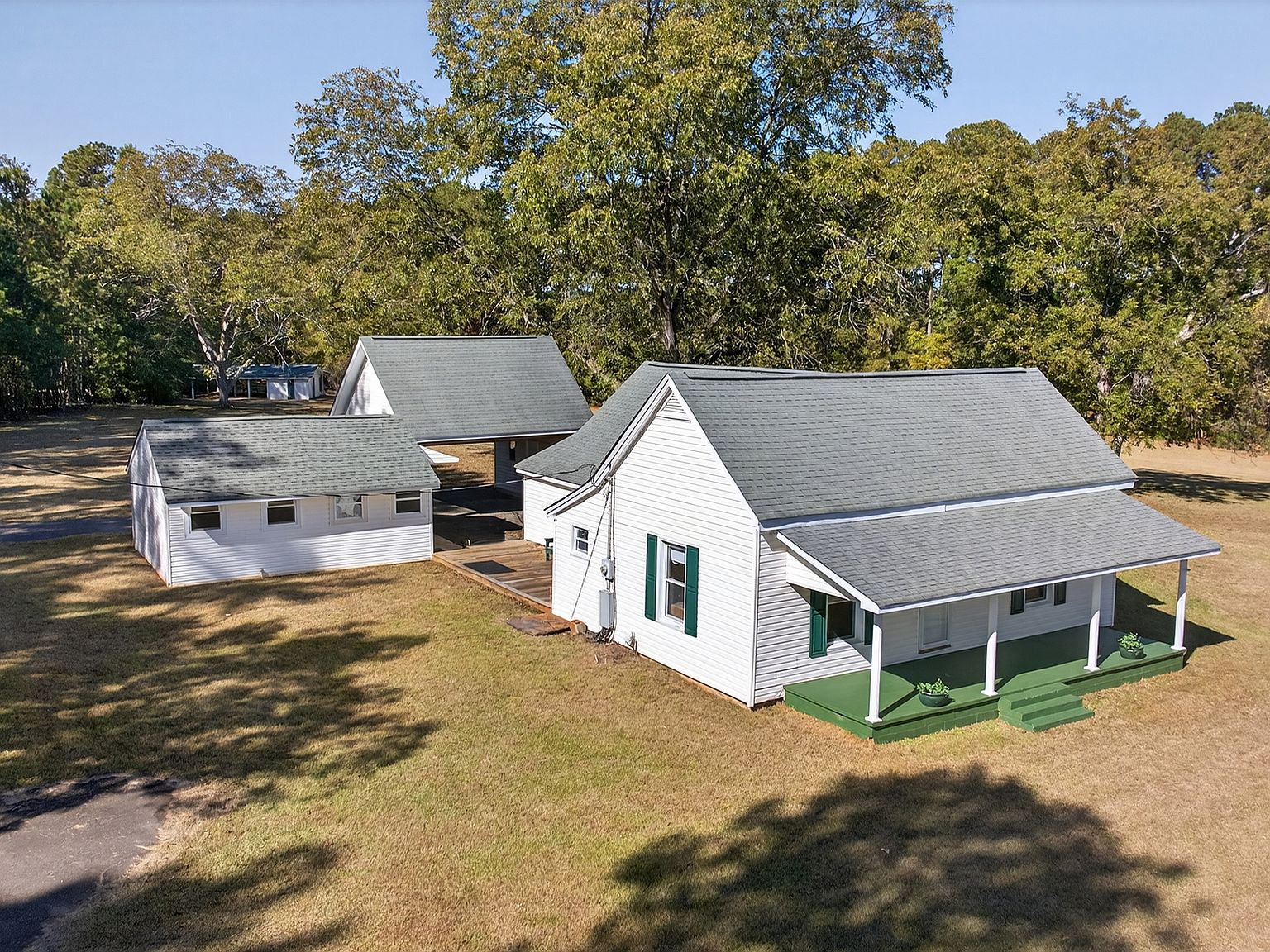
Cross the county line into Hart County, Georgia, and the map will tell you something almost no other map in the country can say: this is the only county in Georgia named for a woman. Not a governor. Not a general. Not a railroad baron. Nancy Hart, the Revolutionary War heroine whose stubborn, defiant story has been playing out under the county seat ever since. From the porch at 257 Methodist Park Lane, on land held by one family since the 1800s, her name has described the ground you stand on for over a century and a half.
The only county in the state named for her
On December 7, 1853, the Georgia legislature created a new county out of the western edges of Elbert and Franklin counties and gave it the name of Nancy Hart. She was a pioneer wife, a mother, and a spy of the American Revolution, and by 1853 her legend had already been passed around the upcountry for seventy years. She lived along the headwaters of Wahatchee Creek, and the stories that survived her are the kind a county loves to retell: unwelcome visitors who learned not to help themselves to the Hart family stores, and the famous stand in which, according to the old telling, she held a group of Tory soldiers at her own gun until her husband and neighbors hurried home to take charge of them.
The New Georgia Encyclopedia's account of Hart County leans on the same facts: the legislators who created the county named it for the woman credited with capturing a group of Tories, and her home place became a landmark of the backcountry war. No other county in Georgia carries a woman's name. When Hartwell was laid out as the county seat only a few months later, the new square of streets was set down in a county that already bore her mark.
The hundred acres that became the town
In 1854, the county's judges did what every young county must: they bought the land for a seat of government. From the heirs of James Vickery they paid $200 for one hundred acres, laid the ground out into streets, squares, and lots, and put the name Hartwell over the whole enterprise. It was incorporated as a town on February 26, 1856, and it grew the way the railroad and the cotton economy and the Bankhead Highway would later grow it, brick by brick around a square that still stands and still refuses to disappear.
Consider that scale for a moment: the county has been named for a woman since nearly a decade before the Civil War, and the town square has carried the same name for all of it. And when the farmhouse at 257 Methodist Park Lane was raised in the 1870s, it went up on soil belonging to a county that had already worn a woman's name for twenty years. Every generation that planted pecans, worked the flat fields, and later walked the deck to the water lived out its whole life beneath that same name.
What her name asks of a property
Nancy Hart's best-known story is a story about not giving ground. She held her home when holding it was dangerous, and by the telling she did it with ordinary tools: a window, a borrowed gun, and the nerve of a woman who had decided she was not leaving. It is easy to see why a county built on that memory would also produce a family that held the same four and a half acres of elevated Georgia land for six generations. Holding the ground is the plainest way to honor the name on the county line.
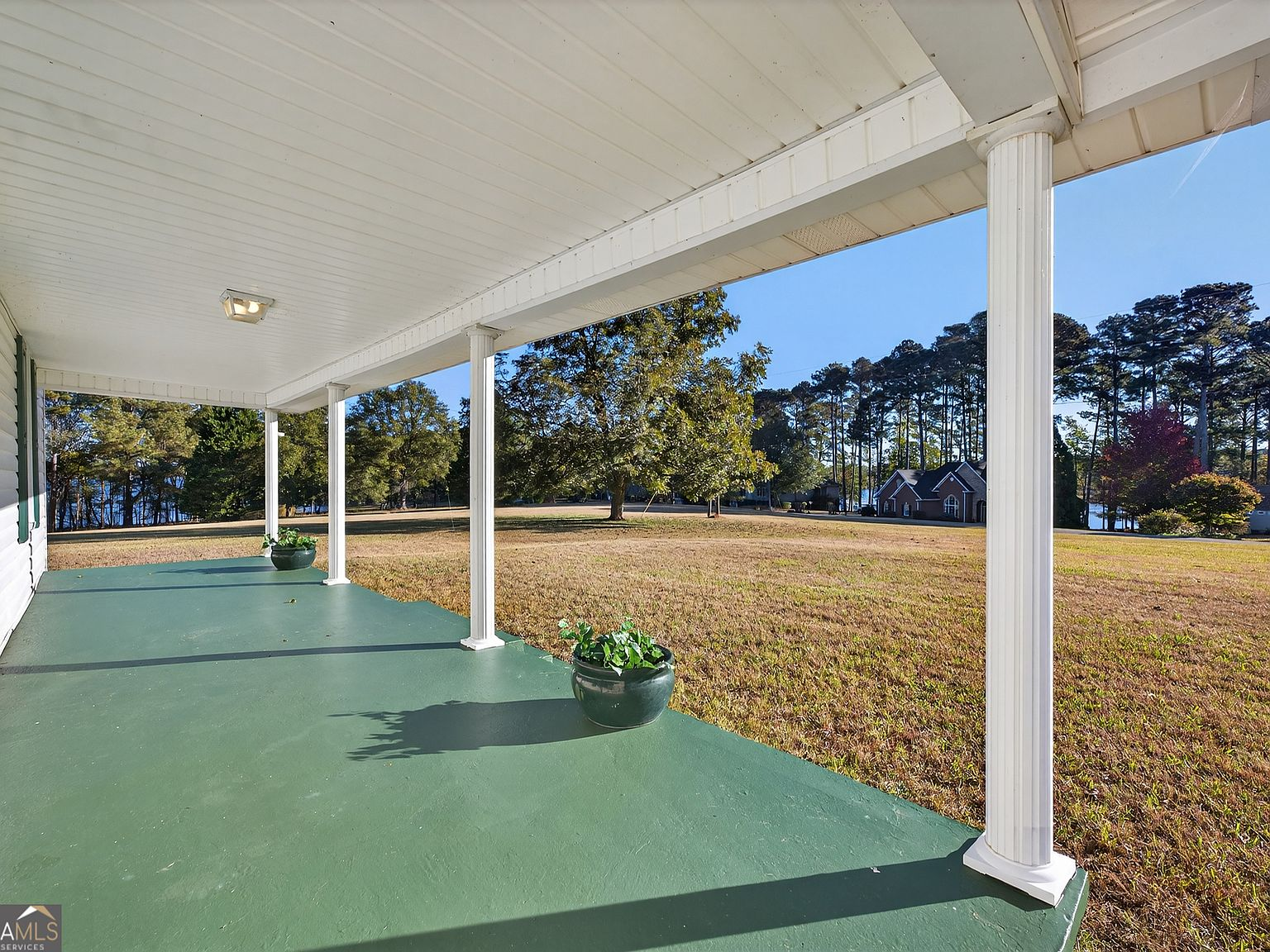
Walk the open land at 257 Methodist Park Lane and you can still feel it. The flat, elevated parcel the family never sold. The pecan trees they planted and replanted. The wide lawn where gatherings happened for a hundred and fifty years. The shore where the river valley gave way to the lake. This is the side of the county's namesake that a property asks of the people who own it: stay, tend, pass it on. And now, for the first time in generations, the family is ready to introduce it to someone who will carry the same tradition forward.
Blame it on a heroine, if you like, or on a family with a stubborn streak. We think it is both. When we show 257 Methodist Park Lane the first chance it has had in generations, we tell the story of the county's name first, because it explains the ground better than any description of the house. It is land that expects you to stay.