
Heritage
What the land remembers: 150 years of seasons at 257 Methodist Park Lane
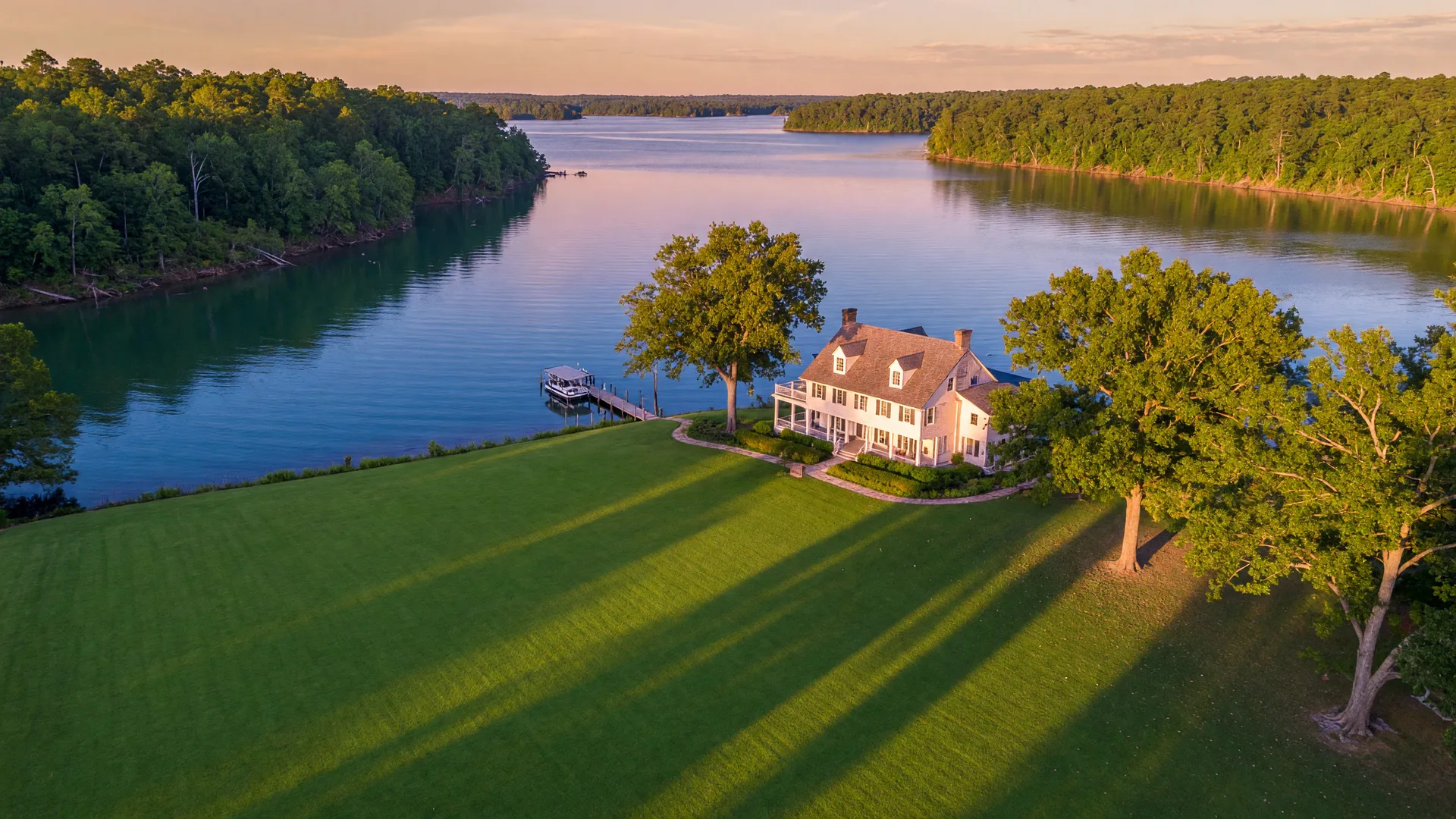
The pecan trees at 257 Methodist Park Lane do not produce the same harvest every year. Some Novembers the ground is thick with nuts, the grass hidden under a carpet of green-brown shells that crunch underfoot. Other years the trees are sparse, holding back their abundance as if conserving energy for a harder season ahead. The trees know something that the property's human inhabitants can only learn by paying attention: the land keeps a record of every year, every season, every storm, and every stretch of drought. It does not forget. It cannot forget. The memory is written in the growth rings, the root depth, the timing of the leaf drop, the weight of the nut meat inside the shell.
The pecan tree's archive
A pecan tree grows in distinct annual rings. In a good year — plenty of rain, mild temperatures, no late freeze — the ring is wide, the wood dense, the nut production heavy. In a bad year — drought, early frost, pest pressure — the ring narrows, the tree redirects energy to survival rather than reproduction, and the harvest reflects the stress. A cross-section of one of the oldest pecan trees at 257 Methodist Park Lane would show 150 rings, each one a record of the conditions that tree experienced in that specific year.
The wide rings from the 1880s and 1890s would tell the story of a wetter climate in the late 19th century, when the Savannah River valley received reliable rainfall and the soil held its moisture through the growing season. The narrower rings from the 1920s would mark the arrival of the boll weevil and the collapse of cotton — an economic catastrophe that rippled through the entire agricultural community. The 1930s rings would show the impact of the Great Depression and the Dust Bowl, when drought gripped much of the country and families across Hart County struggled to keep their land. The rings from the 1950s and 1960s would record the construction of the Hartwell Dam and the transformation of the river valley into a reservoir — not a biological event, but a geological one, as the water table rose and the tree's roots adjusted to a new relationship with the lake.
The trees do not interpret these events. They simply respond. And in responding, they create a physical archive of the land's experience that no document or photograph can match.
What the land recorded: the hard years
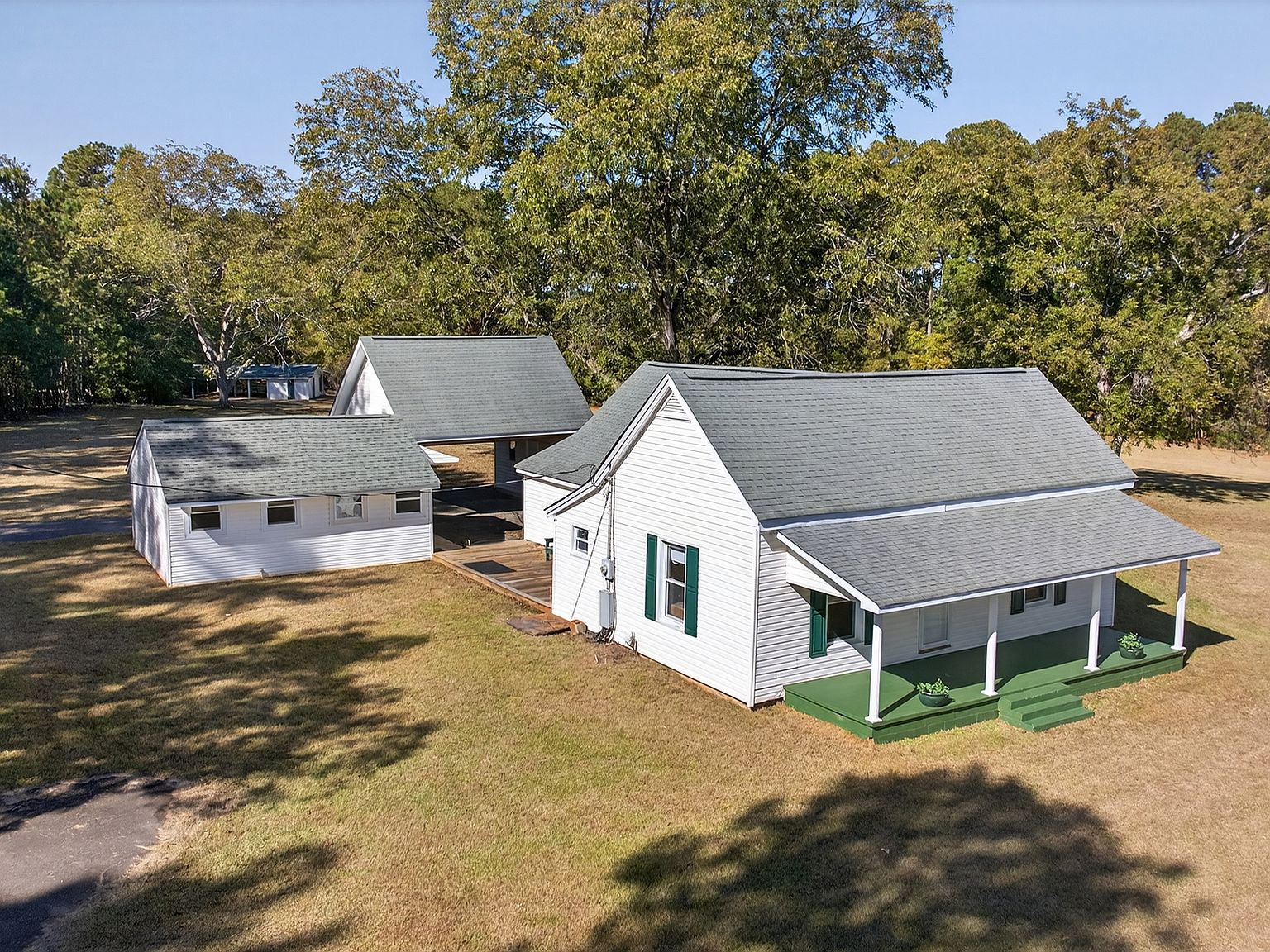
The land at 257 Methodist Park Lane has experienced more hard years than easy ones. That is the nature of farming in the Georgia Piedmont. The red clay is rich in minerals but poor in organic matter, prone to baking hard in summer and washing away in winter rains. The weather is variable — spring freezes that kill the pecan blossoms, summer droughts that stunt the corn, fall hurricanes that flatten the cotton before it can be picked. The families who lived here did not expect the land to be easy. They expected it to be demanding. And they built their lives around the understanding that some years would reward them and some years would test them.
The summer of 2026 has been one of the testing years. Lake Hartwell sits more than seven feet below full pool, the result of two consecutive drought triggers declared by the Corps of Engineers since September 2024. The pecan trees have responded the way they always respond to drought: they have reduced their nut production to conserve energy, dropped leaves earlier than usual to limit water loss, and sent their roots deeper into the soil in search of moisture that the surface layers cannot provide. The harvest this November will be smaller than usual. But the trees will survive. They have survived worse.
In the 1920s, when the boll weevil devastated cotton across the South and the region's agricultural economy collapsed, the pecan trees at Methodist Park Lane kept producing. Not in abundance — the weevil did not attack pecans, but the economic distress of the community meant that the trees' harvest was needed more than ever. The nuts that fell from these branches fed families whose cotton income had disappeared. The trees did not know they were providing a safety net. They were simply doing what they had been planted to do.
The generous years
But the land also remembers the generous years. The summers when the rain arrived exactly when it was needed, the winters when the cold came late enough to spare the early blooms, the falls when the pecan harvest was so abundant that the family filled baskets and sacks and still had nuts left to share with every neighbor within walking distance.
The generous years are the ones that sustain a family through the hard ones. A harvest that fills the pantry, the smokehouse, and the root cellar provides more than calories. It provides confidence. It reminds the people who live on the land that the equation still works — that the ground, when it cooperates, can produce more than a family needs. The excess is the margin that separates a homestead that is merely surviving from one that is thriving.
The generous years also created the surplus that allowed the family to invest in the property. A new coat of paint on the farmhouse. A new roof on the barn. An addition to the porch. The pavilion that now sits near the shoreline, with its two full bathrooms and ceiling fans and room for a crowd — that was built during a period of abundance, when the land was producing and the family could afford to build something that the next generation would use. The generous years are invisible in the tree rings, but they are visible in every improvement that has been made to this property across six generations.
What the lake remembers
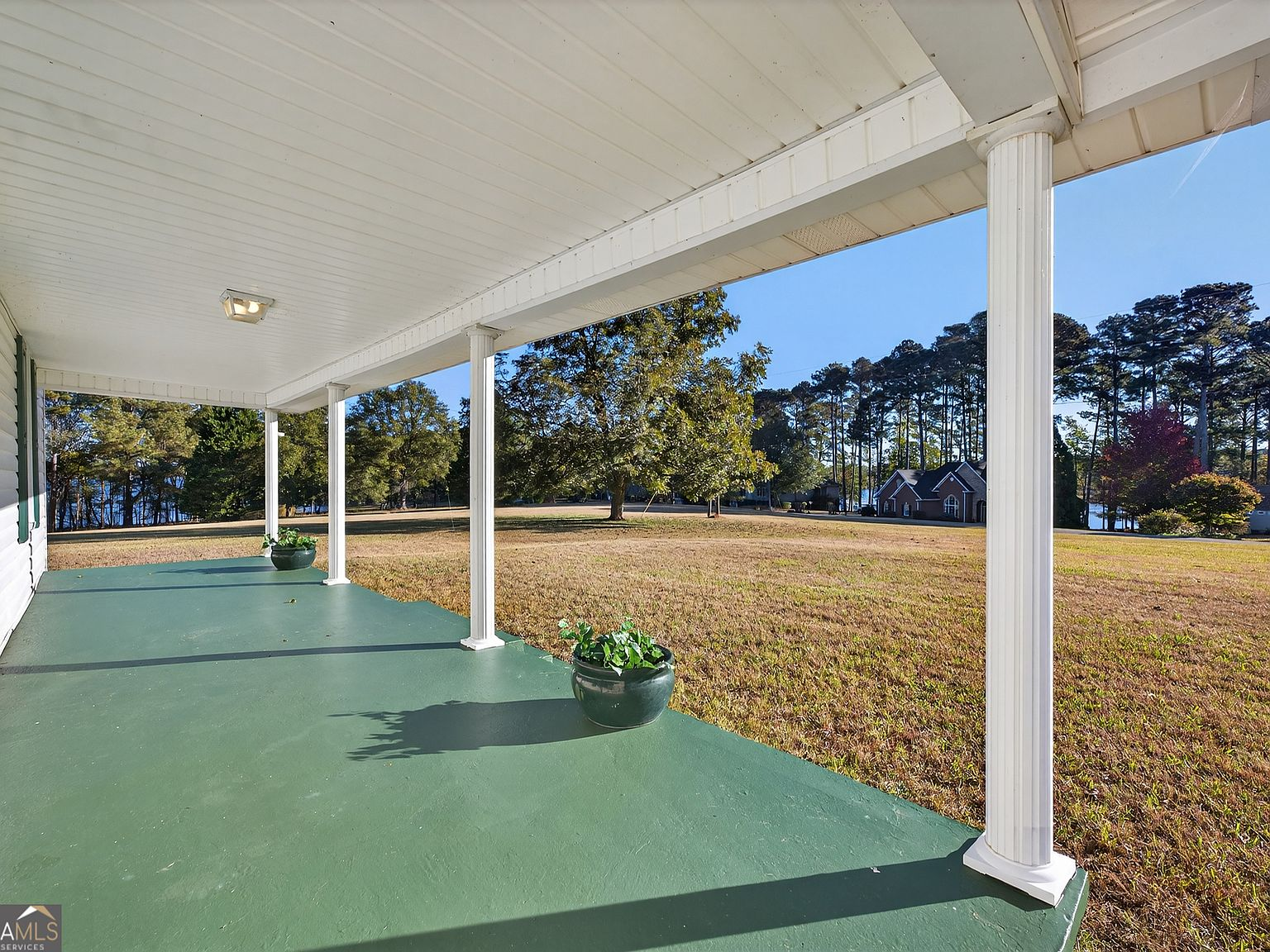
The lake has its own memory. The water that covers the river valley today is the same water that has been cycling through the Savannah River basin for millennia. It has fallen as rain, filtered through the soil of the Appalachian foothills, traveled downstream through the river channels, pooled behind the dam, evaporated into the Georgia sky, and returned as rain again. The water molecules that now lap at the shoreline near Methodist Park have been here before. They were here when the Cherokee lived along these river valleys, when the first European settlers arrived, when the 1873 farmhouse was built, when the dam rose across the river.
The difference is that the lake now holds more water than the river ever did. The reservoir created by the Hartwell Dam stores 56,000 acres of water at full pool. That volume acts as a thermal buffer, moderating the temperature of the surrounding land. It creates microclimates along the shoreline — slightly cooler in summer, slightly warmer in winter than the inland areas just a few miles away. The pecan trees have adjusted their growth patterns to this new reality. The trees that were planted in a river valley now live on a lake shore. Their roots have adapted. Their canopy has shifted. The land has not forgotten the river. But it has learned the lake.
What the next generation will remember
In our work at The Petrenko Group, we have helped families across Lake Norman, Charlotte, and Lake Wylie find properties that will outlast them. We know that the most valuable waterfront properties are not the ones with the most square footage or the newest finishes. They are the ones with the deepest roots — the ones where the land has been cared for by people who understood that they were temporary stewards of something permanent.
257 Methodist Park Lane is that kind of property. The pecan trees remember every year since 1873. The foundation remembers every rain. The porch remembers every footstep. And the land — the 4.546 acres of flat, elevated, well-drained ground on Lake Hartwell's Georgia shoreline — remembers why it was chosen in the first place. It was chosen because it was good ground. It remains good ground because it has been cared for by people who understood that the land's memory is the most valuable thing it holds.
The next owner of this property will add their own chapter to that memory. They will watch the lake rise and fall. They will harvest the pecans in good years and accept the sparse yields in the hard ones. They will sit on the porch and watch the seasons pass. And if they care for the land the way six generations before them have, the pecan trees will still be producing 150 years from now, their rings recording the seasons of a future we cannot imagine.
That is the inheritance that comes with 257 Methodist Park Lane. Not just a view, not just a house, not just a piece of waterfront. But a relationship with the land that has been cultivated for a century and a half. The land remembers. And it is ready to remember you.