
Heritage
The pecan trees knew: what a 153-year-old homestead remembers about the land before Lake Hartwell
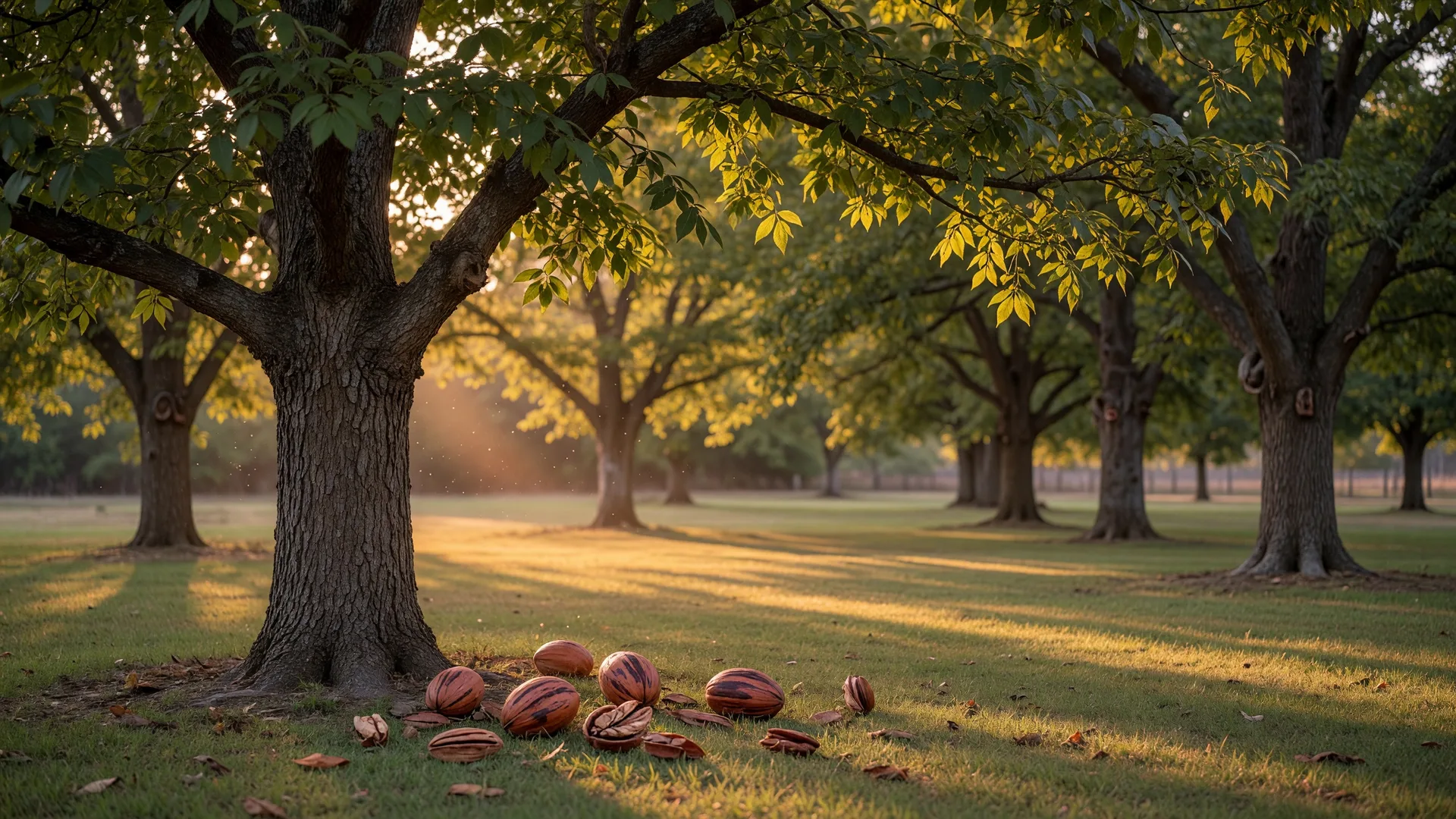
Walk across the lawn at 257 Methodist Park Lane on a summer afternoon and the first thing you notice is the shade. It is not the kind of shade that comes from young trees planted for curb appeal. It is the deep, dappled, centuries-old shade that only comes from trees that have been allowed to reach their full maturity — trees that were planted when this land was a working farm, when the river valley below was a landscape of crops and livestock, and when the only water in view was the Savannah River winding through the bottomland.
The oldest living witnesses
The pecan trees at 257 Methodist Park Lane are the oldest living things on the property. They are older than the house, which was built in 1873. They are older than the lake, which arrived in the 1960s. A healthy pecan tree can live for 200 to 300 years, and these trees — planted sometime in the mid-to-late 19th century by a family who understood that the best time to plant a pecan tree was thirty years ago — are still producing. Every November, the grove yields what 150 years of root systems and Georgia soil have always produced: a harvest of pecans that connects this property to the agricultural heritage that predates the lake itself.
Georgia has been the nation's top pecan producer for over seventy years, accounting for roughly one-third of the country's total pecan crop. The state's climate — hot summers, mild winters, and the red clay soil that dominates the Piedmont region — is ideal for pecan cultivation. But the trees at 257 Methodist Park Lane were not planted for commercial production. They were planted for a family's own use — for baking, for holiday gifts, for the simple pleasure of walking out the back door and gathering what the land provided.
Reading the landscape before the lake
To understand what the land at 257 Methodist Park Lane looked like before the lake, you have to look past the water and read the clues the land itself provides. The flat, 4.5-acre lawn is not a natural formation. It is the result of generations of clearing, grading, and maintaining — the kind of work that takes decades of consistent effort. The land was a working farm, and the flat ground was not a luxury; it was a necessity. Crops need level ground. Livestock need cleared pasture. A family living off the land in the 19th century could not afford to leave prime bottomland uncleared.
The Savannah River, before the Corps of Engineers dammed it, was a different kind of waterway than what we see today. It was shallower, narrower, and more variable — flooding in the spring, shrinking in the summer droughts, and shaping the lives of the families who lived along its banks. The families who settled here did not choose this spot because it was lakefront. They chose it because it was a good place to farm: flat ground, fertile soil, access to water, and a position on higher ground that kept the house safe from the river's seasonal floods.
The pecan trees were part of that calculation. A pecan tree takes 10 to 15 years to begin producing nuts and 20 to 25 years to reach full production. Planting a pecan grove is a bet on the future — a statement that the person planting the trees expects to be on this land long enough to see them mature. That is exactly what happened. The trees were planted, the family stayed, and the grove has been producing for over a century.
What the trees watched
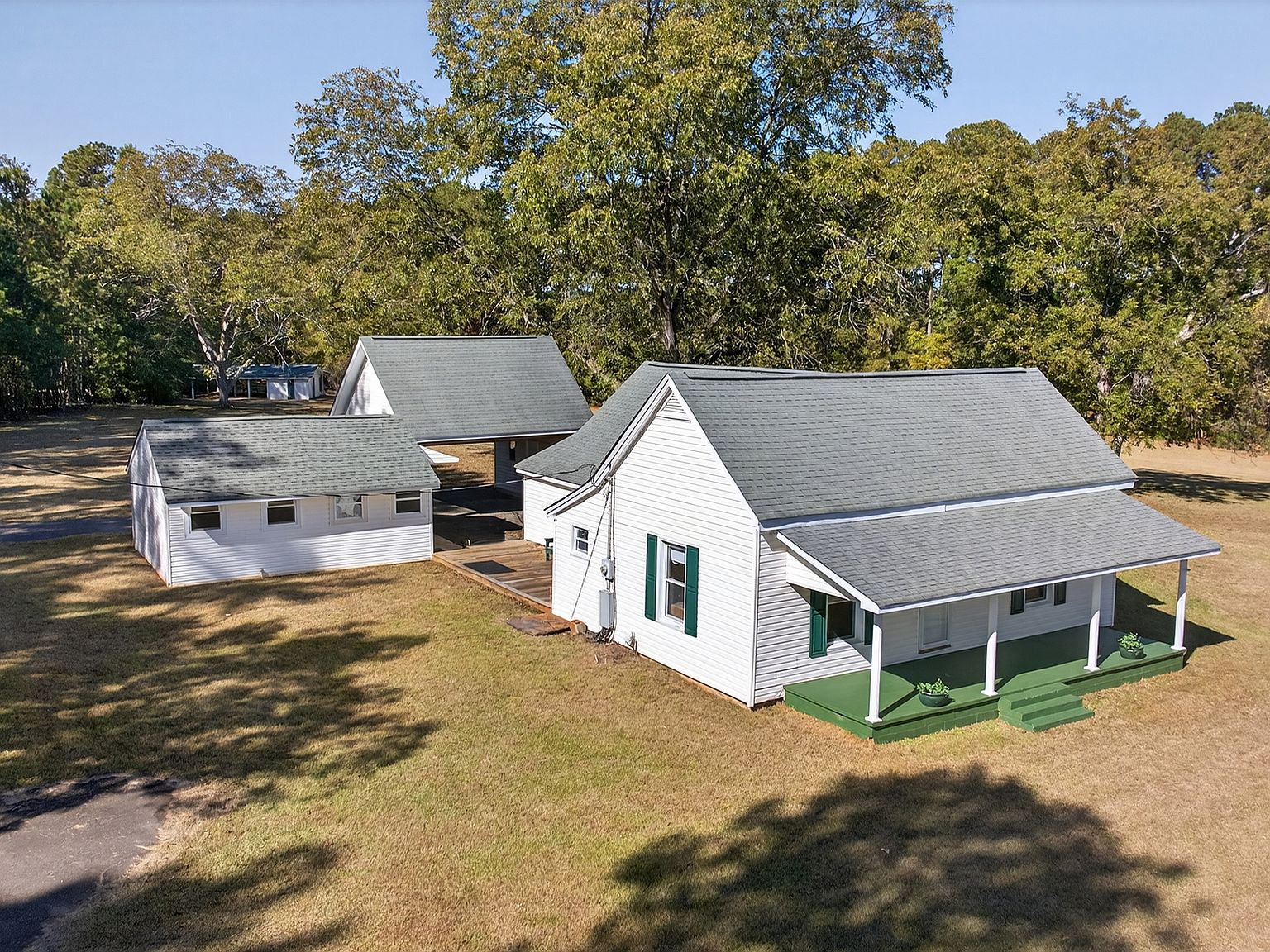
The pecan trees at 257 Methodist Park Lane have witnessed more change than any human could absorb in a single lifetime. They watched the family build the house in 1873, during Reconstruction, using local timber and the kind of craftsmanship that was standard for the era. They watched the farm expand and contract with the seasons and the economy. They watched children grow up, leave, and return with their own children. They watched the road in front of the property change from a wagon trail to a graded gravel road to a paved county road.
In the 1950s, the trees watched the surveyors arrive. The Corps of Engineers came through the valley with maps and plans, marking the elevations that would determine which properties would survive and which would be submerged. The trees, being trees, did not know what was happening. But they were old enough by then to have deep roots, and deep roots kept them standing when the valley around them changed forever.
When the water began to rise in 1955, the trees watched the river valley transform into a lake. They watched the water creep up the banks, covering the bottomland where crops had grown, submerging the roads and bridges that connected the community. They watched the neighbors' homes disappear beneath the surface. They watched the family that had planted them stand on the porch and watch the same thing. And they kept growing.
The grove as a living archive
There is a reason that mature pecan trees are one of the most valuable assets on any historic property in Georgia. They are not just trees — they are evidence. A pecan tree's canopy spread, its trunk circumference, its root structure, and its annual yield all tell a story about the land it grows on. A healthy, productive pecan tree that has been growing for 150 years is proof that the land has been cared for, that the soil is good, that the drainage is adequate, and that the property has been occupied continuously by people who understood the value of long-term stewardship.
The grove at 257 Methodist Park Lane is also a practical asset. A mature pecan tree can produce 50 to 100 pounds of nuts per year, and a property with a dozen mature trees can yield a harvest that fills a freezer for the winter, provides holiday gifts for neighbors, and still leaves enough for the squirrels. In a world of grocery-store almonds and imported cashews, homegrown pecans from a 150-year-old grove are a luxury that no amount of money can replicate — because you cannot buy time. You can only be the person who inherits the trees that someone else planted.
What the next steward inherits
The next owner of 257 Methodist Park Lane will inherit more than a house and a lake view. They will inherit the pecan grove, and with it, the responsibility of caring for trees that have been producing for over a century. Pecan trees need pruning, pest management, and occasional fertilization. They need the kind of attention that rewards patience and punishes neglect. A pecan tree that is well cared for will outlive its owner. A pecan tree that is ignored will decline within a decade.
That is the deal that a legacy property offers: you care for what was here before you, and in return, you get to be part of something that will continue after you. The pecan trees at 257 Methodist Park Lane have been kept healthy by a family that understood that deal. The next owner will have the chance to continue it.
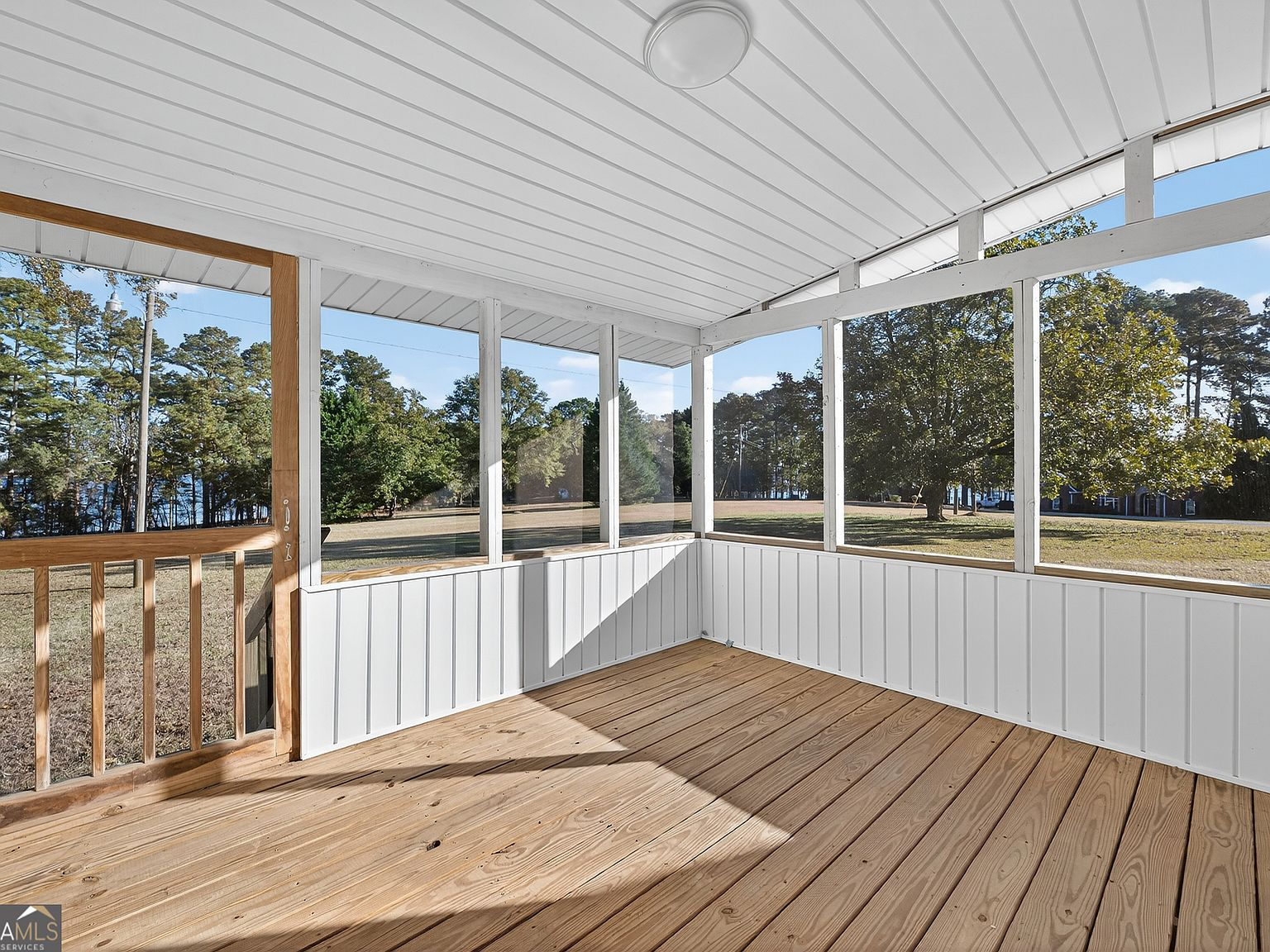
In the fall, when the leaves turn gold and the first pecans begin to drop, the grove becomes the center of the property. The covered porch, the screened back porch, the lakeside pavilion — all of them sit within sight of the trees. The harvest is a ritual, a reason to gather. The sound of pecans hitting the ground is the sound of a property that is still alive, still producing, still fulfilling the promise that someone made when they planted these trees in the 1800s.
Why the trees matter
In the end, the pecan trees at 257 Methodist Park Lane matter because they are the only living witnesses to the full story of this land. The house can be renovated. The lake can change. The community can grow. But the pecan trees — planted in the 1800s by a family that believed in the future — will still be here, producing their harvest every November, connecting each generation to the one that came before.
We have spent our careers helping families find properties that matter. We have represented waterfront estates on Lake Norman, Lake Wylie, and throughout the Charlotte region. But there is something about the pecan grove at 257 Methodist Park Lane that is different from any amenity we have ever marketed. It is not a feature. It is a relationship. It is a conversation between the person who planted the trees and the person who picks the pecans, and it spans a century and a half without interruption.
The trees knew this land before the lake. They will know it long after the current generation is gone. The question for the next owner is whether they will be the ones who keep the trees healthy, keep the harvest coming, and keep the story alive.