
Community
Seventy-five years of service: the Pilot Club of Hartwell and the community that built itself
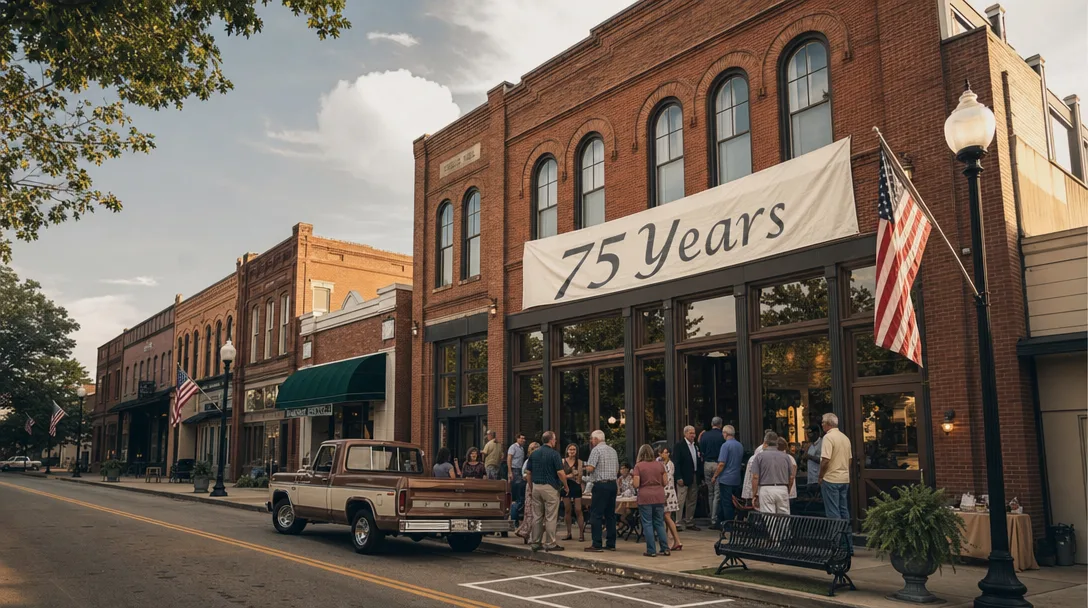
On June 20, 2026, the Pilot Club of Hartwell celebrated 75 years of continuous community service. The milestone passed without a parade or a front-page headline — just a gathering of members, past presidents, and community partners who have kept the organization running since 1951. But that quiet anniversary tells a story about Hartwell that anyone considering a property on Lake Hartwell should understand. The things the Pilot Club does — the scholarships, the health screenings, the community projects, the quiet work that makes a small town function — are the infrastructure that transforms a lake address into a home.
The service club as community tissue
Service clubs like the Pilot Club, the Lions Club, the Rotary Club, and the Hartwell Service League are often overlooked in real estate marketing materials. You will not find them listed in the amenity brochure or the chamber of commerce welcome packet. But they are the connective tissue that holds a year-round community together. They are the reason the farmers market has volunteers every Saturday. They are the reason the Fourth of July fireworks happen without city funding. They are the reason a small town of roughly 4,500 people can host a Smithsonian traveling exhibition, as Hartwell is doing this summer with "Voices and Votes: Democracy in America."
The Pilot Club of Hartwell was chartered in 1951 as part of Pilot International, a volunteer service organization founded in Macon, Georgia, in 1921. The organization's focus is brain health and safety, supporting initiatives such as CPR training, brain-injury awareness, and youth leadership programs. Over 75 years, the Hartwell chapter has raised thousands of dollars for local health services, provided scholarships to Hart County students, and organized community projects that range from park cleanups to holiday food drives.
That kind of longevity does not happen by accident. An organization that survives for 75 years in a small town is not kept alive by a charter or a national office. It is kept alive by individuals who show up — meeting after meeting, project after project, year after year — because they believe that community is something you build, not something you buy into.
The quiet multiplier
What the Pilot Club's 75-year milestone reveals about Hartwell is easy to miss if you are evaluating the town from a distance. On paper, Hartwell is a small county seat in northeast Georgia with a historic downtown, a growing tourism economy, and the usual amenities you would expect from a lake community. What the spreadsheets do not show is the density of civic organizations per capita, the volunteer hours that keep events running, and the willingness of residents to invest time — not just money — in making the community better.
A 2020 community survey conducted as part of the Hart County Comprehensive Plan process found that the majority of residents were "extremely" or "somewhat" likely to attend public meetings and participate in community events. The same plan highlighted the role of local organizations — the Hartwell Service League, the Hart County Chamber of Commerce, the arts center, the community theatre, and service clubs — in delivering programs that support both quality of life and economic development.
For a family considering relocation to Lake Hartwell, that civic density is a reliable signal. Communities with active service clubs tend to have better schools (because parents volunteer), better parks (because service clubs adopt them), better festivals (because someone has to organize them), and stronger social networks (because the organizations create them). The Pilot Club is not unique in Hartwell. It is representative of a community that has chosen to organize itself around service rather than waiting for someone else to do the work.
What 75 years of service looks like on the ground
The Pilot Club's contributions to Hartwell over 75 years are not concentrated in a single building or program. They are distributed across the community in ways that are visible to anyone who looks:
Scholarships for Hart County High School graduates, awarded annually to students who demonstrate leadership and community involvement. Health awareness programs, including brain-injury prevention education and CPR certification classes offered at no cost to residents. Support for the Hart County library, the senior center, and local emergency services. Partnerships with the Hart County Board of Education and the Hartwell Police Department on safety initiatives. These are not glamorous projects. They are the unglamorous work that makes a community function, year after year, without anyone noticing until it stops.
We have seen the same pattern across Lake Norman, Charlotte, and Lake Wylie — the communities that sustain themselves are the ones where residents serve on boards, organize events, and show up for each other. Hartwell has that character. The Pilot Club's 75-year anniversary is not a relic of the past. It is a current snapshot of a community that still believes in the work.
Why this matters for a property like 257 Methodist Park Lane
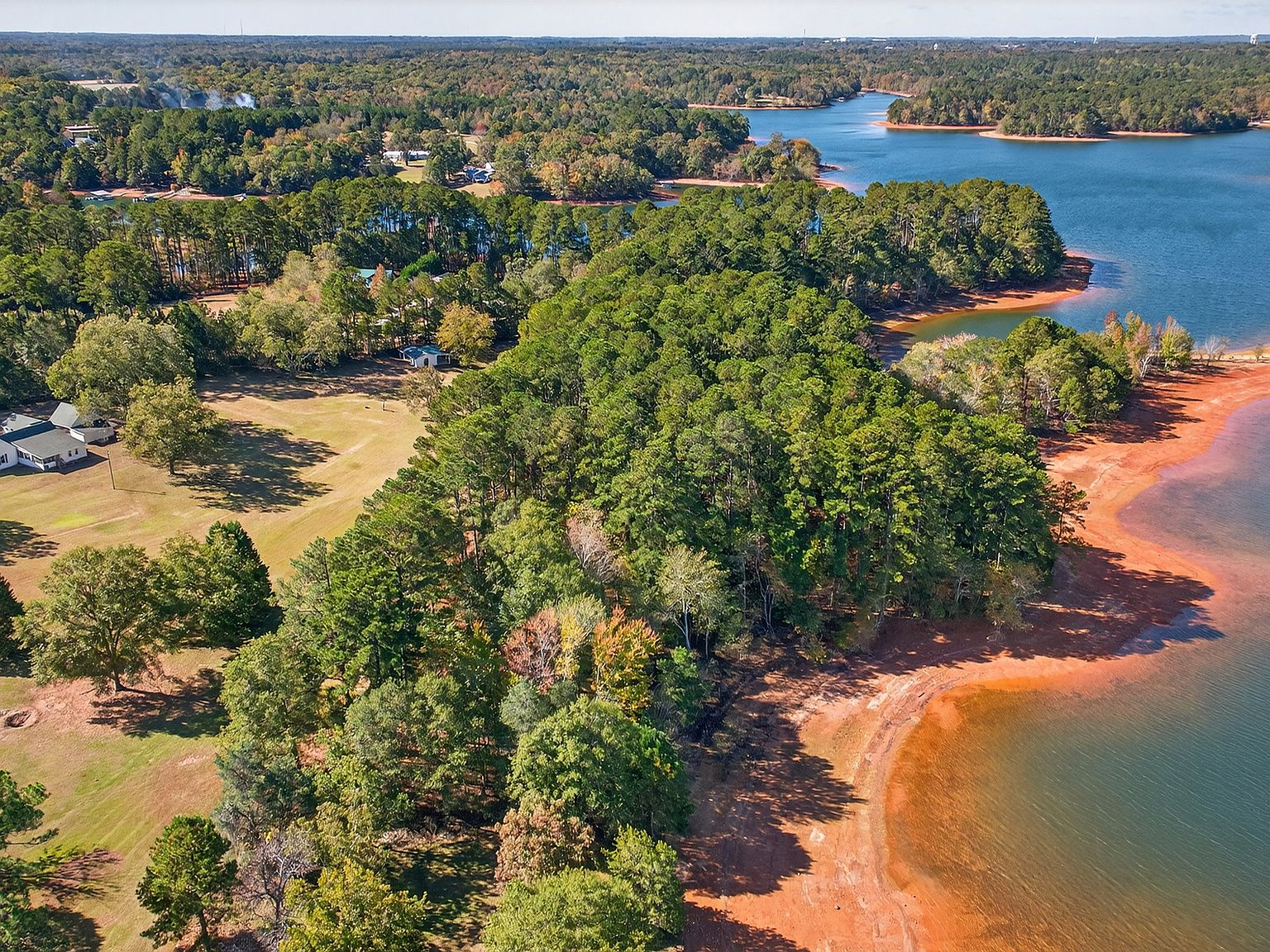
A waterfront estate on 4.546 acres of private Lake Hartwell shoreline does not need a downtown service club to function. The property stands on its own merits — the 1873 farmhouse, the pecan trees, the pavilion, the flat lawn, the wooded Corps-managed shoreline. It is a complete world on its own terms.
But the community around it is what makes the property valuable as a home rather than a retreat. A family that moves to Lake Hartwell full-time is not just buying waterfront. They are buying into a town that has sidewalks, a library, a community theatre, a farmers market, and the kind of civic infrastructure that only exists when people invest in it across generations. The Pilot Club's 75th anniversary is a reminder that those things are not guaranteed. They are maintained by the same kind of intergenerational commitment that kept 257 Methodist Park Lane intact for 153 years.
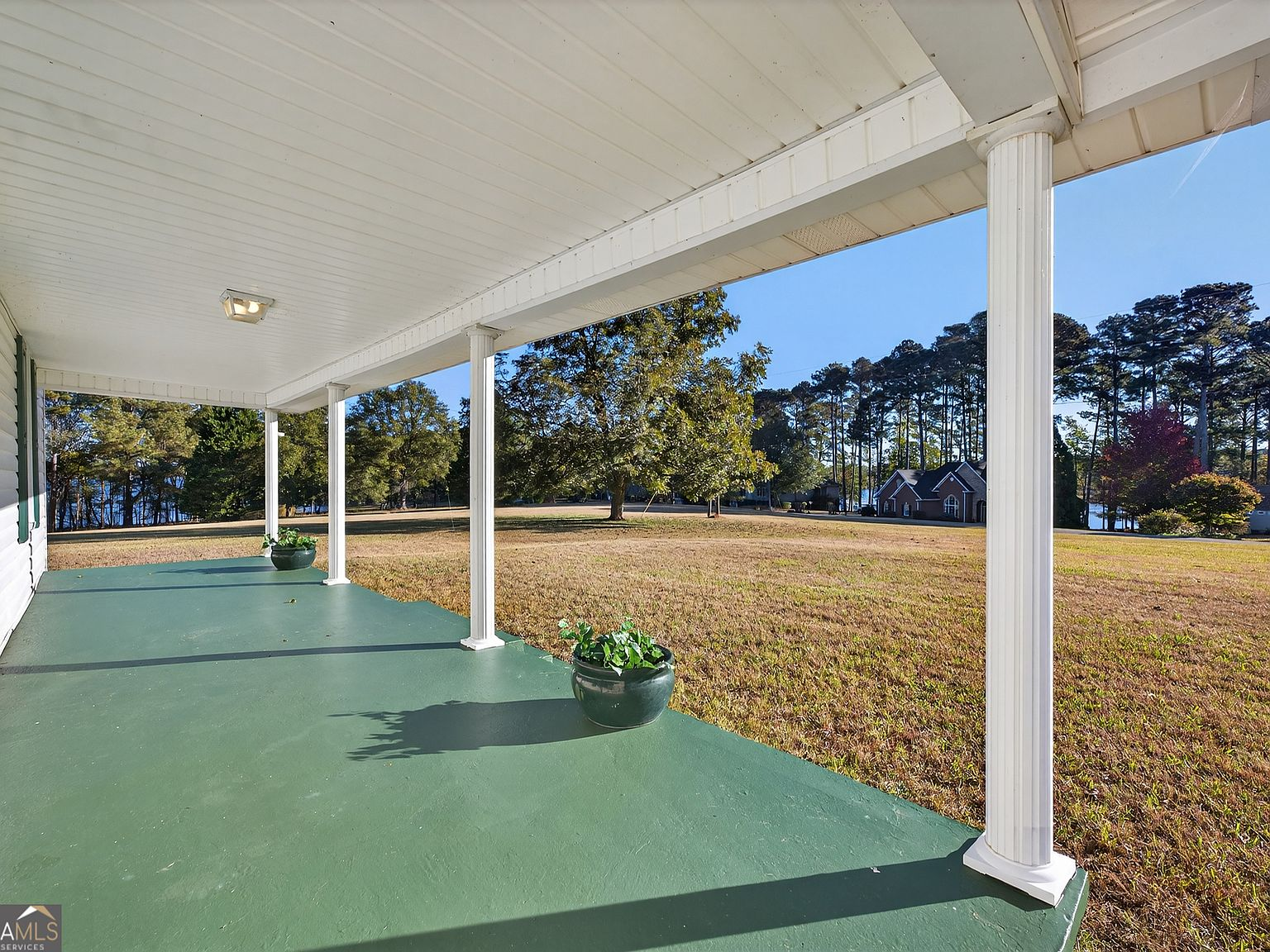
When you sit on the covered porch at 257 Methodist Park Lane, you are participating in a tradition of stewardship that connects to the broader community effort. The same willingness to invest in the long term that kept the pecan trees pruned and the foundation steady is the same willingness that keeps the Pilot Club meeting, the farmers market operating, and the Main Street storefronts occupied. The property and the community are not independent variables. They are expressions of the same value: that things worth having are worth maintaining.