
Conservation
Protecting the water: Lake Hartwell’s water quality challenge and why undeveloped shoreline matters
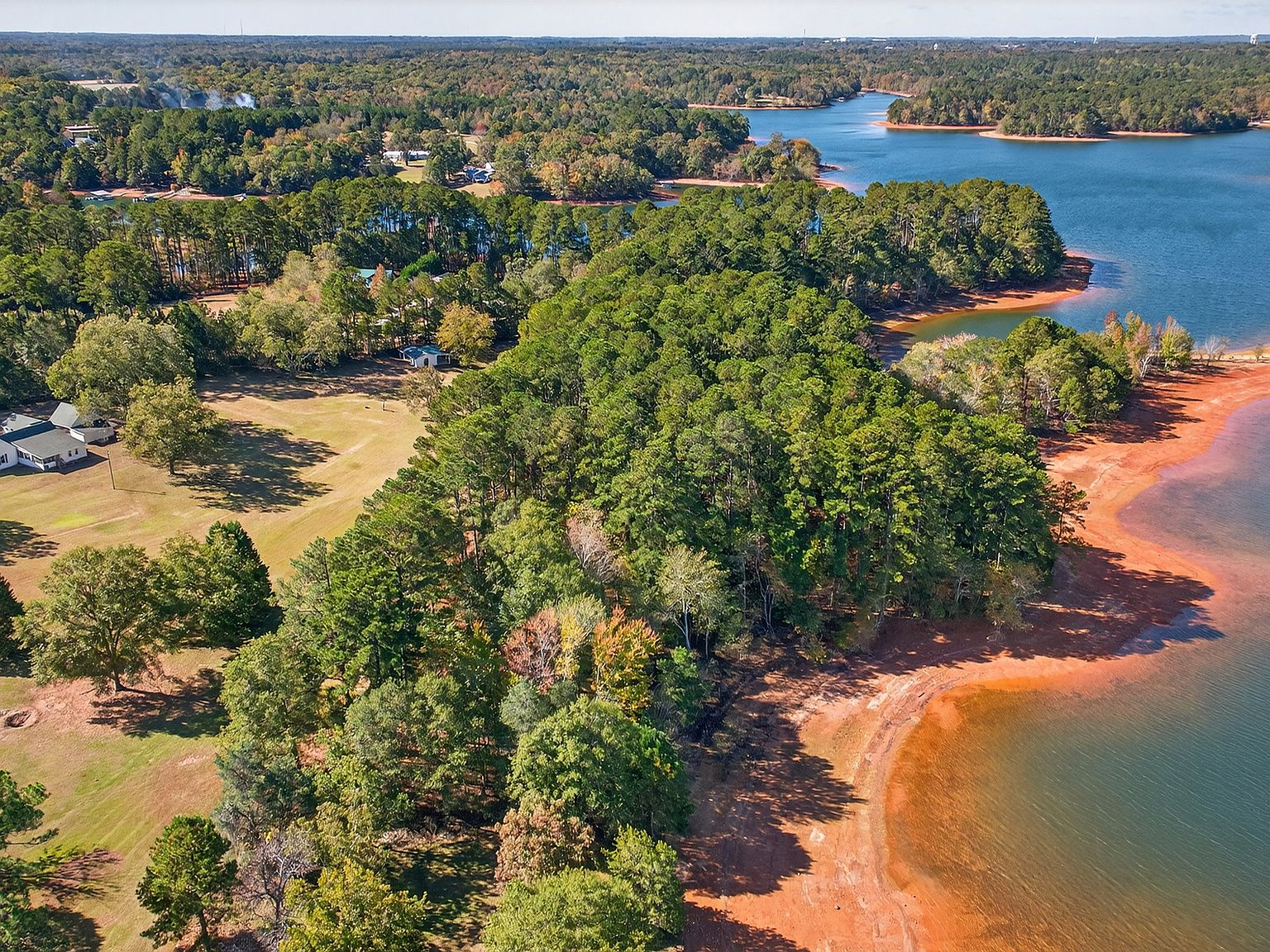
Stand on the dock at 257 Methodist Park Lane on a clear morning and look straight down into the water. Lake Hartwell is fifteen feet deep and transparent here — you can see the bottom. That clarity isn't an accident. It's the product of a shoreline that has been left alone. And keeping it that way is becoming one of the most important conversations in the Lake Hartwell community.
The algal bloom question
In April 2025, the South Carolina Department of Environmental Services (SCDES) issued a recreational water watch for portions of Lake Hartwell after observing harmful algal blooms (HABs) — colonies of cyanobacteria that can produce toxins harmful to humans, pets, and aquatic life. The blooms persisted through June 2025 before conditions improved. Then, in May 2026, the pattern repeated: SCDES issued another HAB recreational watch for several lake areas, including the Coneross Creek, Eighteenmile Creek, and Tugaloo River arms.
The blooms are driven by a combination of factors: warm water temperatures, nutrient runoff from agricultural and residential areas, and the shallow, slow-moving coves where cyanobacteria thrive. They're not unique to Lake Harts — similar events have affected reservoirs across the Southeast — but their recurrence on Lake Hartwell has prompted a community-wide conversation about water quality, shoreline management, and the long-term health of a lake that attracts more than 9 million visitors annually and generates $57.4 million in tourism revenue for Hart County alone.
For property owners, the question isn't abstract. The value of a Lake Hartwell waterfront parcel depends on the lake being clean enough to swim in, fish in, and live beside. When recreational advisories are issued, they affect not just the weekend experience but the fundamental proposition of lakefront living.
What keeps the water clean
The science of water quality in a reservoir like Lake Hartwell comes down to a few variables: nutrient loading, shoreline development, stormwater management, and the natural buffering capacity of undeveloped land along the water's edge. Of these, shoreline condition is the most visible and, for a property owner, the most controllable.
Developed shorelines — those with lawns running to the water's edge, seawalls replacing natural banks, fertilized grass contributing phosphorus and nitrogen to the lake — are primary vectors for nutrient loading. The more shoreline that is developed, the more nutrients enter the water, and the greater the likelihood of algal blooms. Conversely, undeveloped, wooded shoreline acts as a natural filter — tree roots absorb nutrients, leaf litter stabilizes the bank, and the absence of lawn chemicals means nothing artificial enters the water.
This is where the Georgia Corps of Engineers shoreline management becomes relevant. The Corps manages approximately 600 miles of shoreline along Lake Hartwell's Georgia side, maintaining it in a natural, undeveloped state. No seawalls. No fertilized lawns. No boat ramps every fifty feet. The wooded banks and natural coves along the Georgia shore aren't just aesthetically appealing — they're functional. They're the lake's immune system.
The shoreline at 257 Methodist Park Lane is part of this Corps-managed buffer. The property sits on 4.546 acres of waterfront with natural, undeveloped banks — the kind of shoreline that absorbs nutrients, filters runoff, and maintains water clarity. This isn't just an environmental benefit. It's a property benefit. A clean lake holds its value. A degraded one doesn't.
The organizations fighting for the lake
Lake Hartwell's water quality isn't protected by accident. A network of organizations monitors conditions, advocates for policy changes, and mobilizes the community around conservation.
The Lake Hartwell Association
The Lake Hartwell Association (LHA) is the primary advocacy and education organization for the lake community. The LHA promotes water quality monitoring, erosion control, and public education about the lake's ecological health. Their work includes independent water quality studies, community outreach, and coordination with state agencies on algal bloom response.
Lake Hartwell Partners for Clean Water
Supported by Clemson University, this collaborative initiative works on watershed planning, stormwater management, and the SC Adopt-a-Stream program. The partnership connects academic research with practical conservation — testing water quality, identifying nutrient sources, and implementing best practices across the watershed.
Splash Away the Trash
Held annually in September, this community cleanup event brings together residents, boating clubs, and conservation groups to remove debris from the lake. Volunteer boats fan out across the water, and the post-cleanup gathering reflects the genuine environmental stewardship that characterizes the Lake Hartwell community. People who live on the water tend to care about the water — and this event is the proof.
SCDES Monitoring
The South Carolina Department of Environmental Services maintains an algal bloom monitoring map and performs regular water sampling across Lake Hartwell. Their recreational water watches — issued when cyanobacteria reach concerning levels — serve as both a public health measure and a data source for understanding bloom patterns over time.
The $57.4 million question
Tourism delivered $57.4 million to Hart County in 2024, according to the local tourism authority. Lake Hartwell attracts more than 9 million visitors annually — a figure that includes boaters, fishermen, campers, and families who come for the water and spend money in the community. That economic engine depends entirely on the lake being clean enough to use.
When algal blooms trigger recreational advisories, the effects ripple through the local economy. Marina traffic decreases. Restaurant reservations drop. Lodging bookings soften. The damage isn't permanent — Lake Hartwell has recovered from every bloom event — but each recurrence reinforces the urgency of prevention.
For waterfront property owners, the economic argument for conservation is self-evident: a lake that's safe to swim in holds its value; one that carries health advisories doesn't. But the deeper argument is about what kind of lake community you want to live in. The communities that invest in water quality are the ones that endure. The ones that don't are the ones that eventually find themselves explaining why the water isn't what it used to be.
Why this property's shoreline is different
Most waterfront properties on southern lakes have developed shorelines — seawalls, bulkheads, fertilized lawns that slope directly into the water. These features are common because they're what buyers expect. They're also, from a water quality standpoint, part of the problem.
257 Methodist Park Lane is different. The property sits on the Georgia Corps of Engineers shoreline — natural, undeveloped, and wooded. There's no seawall. No fertilized lawn running to the water. The bank is stable, wooded, and functioning as the kind of natural buffer that environmental scientists spend millions trying to replicate in developed areas. The property offers lakefront access and a lakeside pavilion for outdoor living, but it does so without compromising the shoreline's ecological function.
This isn't something you can add to a property later. A natural shoreline is a product of restraint — the decision not to build, not to grade, not to fertilize. It's the result of a Corps of Engineers management philosophy that prioritizes the lake's health over individual development pressure. And it's one of the most meaningful differentiators this property offers.
In a future where water quality is likely to become an even more significant factor in lakefront property values, owning a parcel with natural, undeveloped shoreline isn't just an environmental statement. It's a financial one.
A property that's already part of the solution
The family that has held this property since the 1800s understood something about stewardship that the conservation community is now articulating in scientific terms: the land and the water are connected. What happens on the shore determines what happens in the lake. The pecan trees, the flat lawn, the wooded buffer between the property and the water — these features have been protecting Lake Hartwell's water quality for decades, long before anyone was measuring cyanobacteria levels.
For the next owner of 257 Methodist Park Lane, that stewardship continues. The Corps manages the shoreline. The LHA monitors the water. Clemson researchers study the watershed. And the property — with its natural bank, its wooded buffer, and its position on one of the lake's cleanest stretches — does its part simply by being what it is.
Clean water isn't a luxury. It's a foundation. And for a property that has been on this lake for 153 years, protecting that foundation is part of the inheritance.