Lake life
Raft-ups and rendezvous: the boating culture that defines Lake Hartwell community life
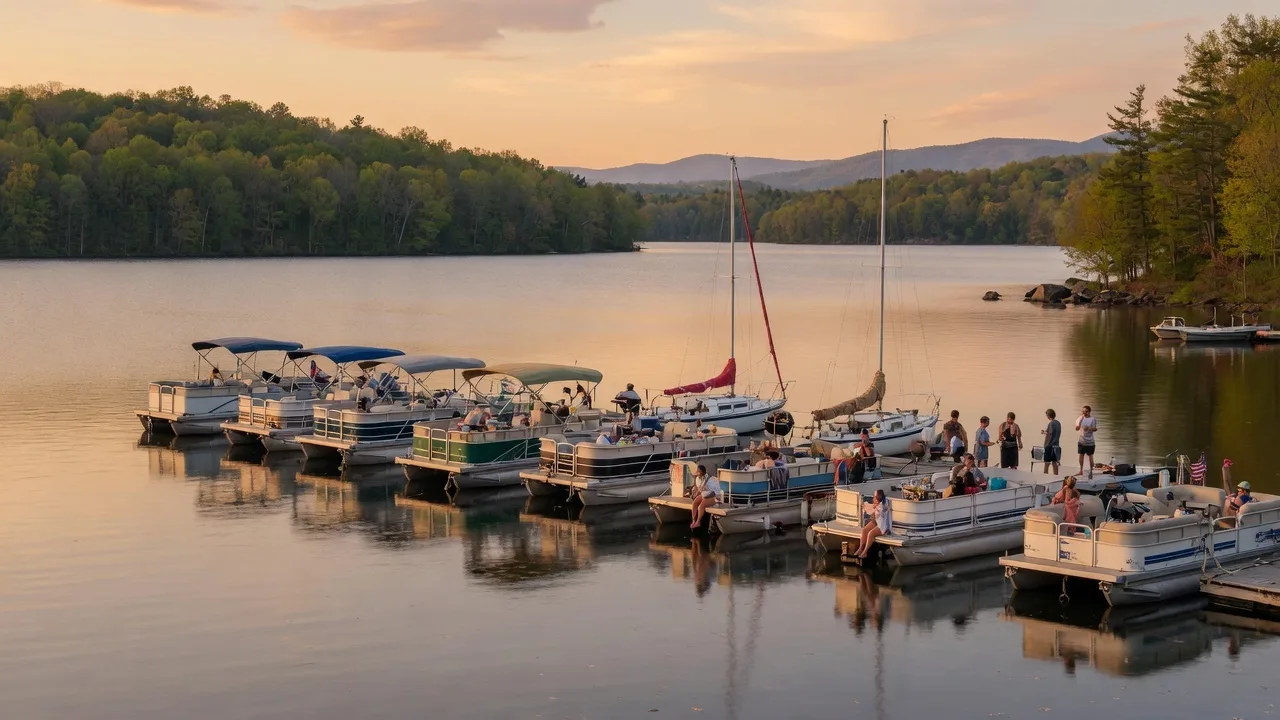
The first thing you notice at a Lake Hartwell raft-up is the sound — or rather, the absence of it. No road noise, no HVAC hum, no neighbors mowing. Just water against hulls, a portable speaker playing something with a lazy tempo, and the particular quality of silence that only exists on a lake in the Appalachian foothills. For anyone who has spent a summer weekend on Lake Hartwell, this is the sound of community.
What a raft-up actually looks like
A raft-up is exactly what it sounds like: boats tied together, side by side, forming a floating gathering space on the water. It's the lake equivalent of a block party — except the blocks are pontoons, the street is a cove, and the neighbors are whoever showed up with a cooler and a willingness to float.
On Lake Hartwell, raft-ups are a summer institution. They happen in the quiet coves along the Georgia Corps of Engineers shoreline — wooded banks, clear water, the kind of seclusion that makes you forget there are 9 million visitors on this lake each year. Boats raft together bow-to-stern, families move between decks, kids jump off swim platforms into water that's warm enough from June through September, and the afternoon dissolves into the kind of unhurried time that the modern world doesn't usually permit.
The raft-up tradition on Lake Hartwell is organized informally — through the Lake Hartwell Sail & Power Squadron (part of America's Boating Club), through neighborhood networks, and through the simple fact that lake people tend to know lake people. The annual Spring Rendezvous, typically held in late April, marks the unofficial opening of the social season — organized boat cruises to local restaurants, group dining on the water, and the first gathering of boats that have been winter-dark since October.
The Spring Rendezvous: when the season opens
The Lake Hartwell Spring Rendezvous is the boating community's answer to spring cleaning — except instead of cleaning the garage, you're launching the pontoon, checking the lines, and heading out for the first organized cruise of the year. The event, organized by the Lake Hartwell Sail & Power Squadron, typically includes a group cruise along the lake's shoreline, dining at local waterfront restaurants like La Cabana, and the kind of social gathering where stories from last summer get retold with embellishment.
The Rendezvous is open to all boat owners — no membership required, no vessel safety check mandated, just a shared interest in being on the water with other people who feel the same way. The Squadron also organizes America's Boating Course sessions in the spring, offering navigation and safety education for new boaters. For families new to Lake Hartwell, it's an immediate entry point into the social fabric of the lake community.
Beyond the Rendezvous, the Squadron maintains a year-round calendar: on-water events in summer, land-based dinners and speaker series in fall and spring, and holiday gatherings in winter. The club collaborates with governmental agencies on water safety and provides free vessel safety checks — practical services that keep the boating community both social and responsible.
The anatomy of a summer weekend
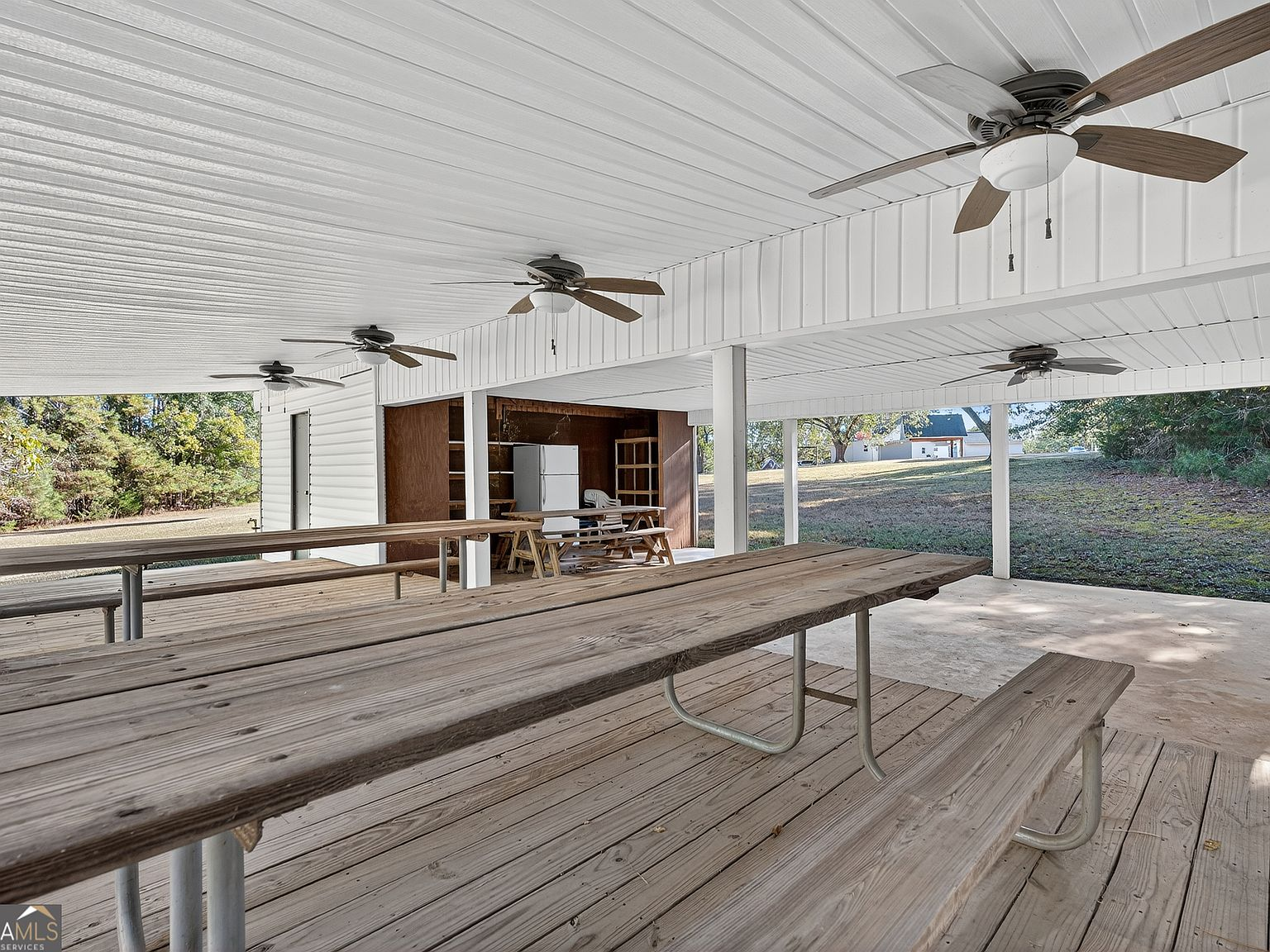
If you own waterfront on Lake Hartwell, the weekend writes itself. Friday evening starts at the dock or the pavilion — guests arrive by car or by water, the grills fire up, and the ceiling fans keep the air moving over the lawn. The lake is calm in the evening light, the color shifting from blue to gold as the sun drops behind the western shoreline.
Saturday morning belongs to the water. Someone is on the lake by 6:15 — fishing the riprap near Methodist Park, trolling through the coves, or just motoring slow enough to watch the mist lift off the surface. By mid-morning, the social calendar takes over. A raft-up in a favorite cove. A cruise to the Boathouse Grill at Hartwell Marina for lunch on the water. An afternoon of swimming off the dock, the water warm enough to stay in for hours.
Sunday is the slower version of Saturday. Coffee on the porch, not in a thermos this time. A walk through the pecan grove. Maybe a trip to the Hartwell downtown farmers market for what you didn't grow yourself. The drive back to wherever you came from feels longer each time, because leaving gets harder.
This rhythm — water, gathering, water, rest — is what lake life actually looks like. It's not a vacation. It's a practice. And for families who make it a regular part of their lives, it becomes the organizing principle of the calendar.
What the dock changes about a property
On most lakefront properties, the dock is an amenity — a place to tie up the boat, maybe a platform for swimming. On Lake Hartwell, the dock is infrastructure. It's the starting point for every weekend, the gathering space for every raft-up, and the social hub that connects your property to the broader lake community.
257 Methodist Park Lane benefits from direct access to the water via the Georgia Corps of Engineers shoreline — natural, undeveloped, and wooded, the kind of bank that keeps the water clean and the views unobstructed. Elrod Ferry Landing and Methodist Park, both minutes from the property, provide public boat ramps and water access for guests who arrive by land. The lakeside pavilion — covered, fan-cooled, with two full bathrooms and room for a crowd — extends the social space from the water to the shore.
What makes this configuration work is the combination of privacy and access. The 4.546 acres of flat, private land provide seclusion — the kind of quiet that lets a weekend gathering feel intimate even with twenty people on the lawn. But the proximity to public access points means guests can arrive by boat without requiring a private dock infrastructure. It's the best of both: the privacy of a large estate with the connectivity of a lake community.
The community that gathers on the water
Lake communities are different from neighborhood communities. You can live on a lake for twenty years and never meet your next-door neighbor — because the next-door neighbor is across a cove, accessible only by boat, and the only way to introduce yourself is to motor over and wave from the bow. This is both the challenge and the charm of lake living: the water creates distance, but it also creates the conditions for a different kind of social connection.
On Lake Hartwell, the social infrastructure is built around the water. The Lake Hartwell Sail & Power Squadron organizes cruises and gatherings. The pre-4th fireworks draw boats from across the lake. The Memorial Day raft-ups and Labor Day gatherings mark the bookends of the social season. The boating culture isn't just recreation — it's the connective tissue of the community.
For families considering Lake Hartwell as a primary residence — not just a weekend retreat — this matters. A community that gathers on the water has a different social texture than one that gathers at a country club or a coffee shop. The relationships form differently. The trust builds differently. The shared experience of being on the water — of reading the weather, navigating the coves, anchoring in a favorite spot — creates bonds that are hard to manufacture in any other setting.
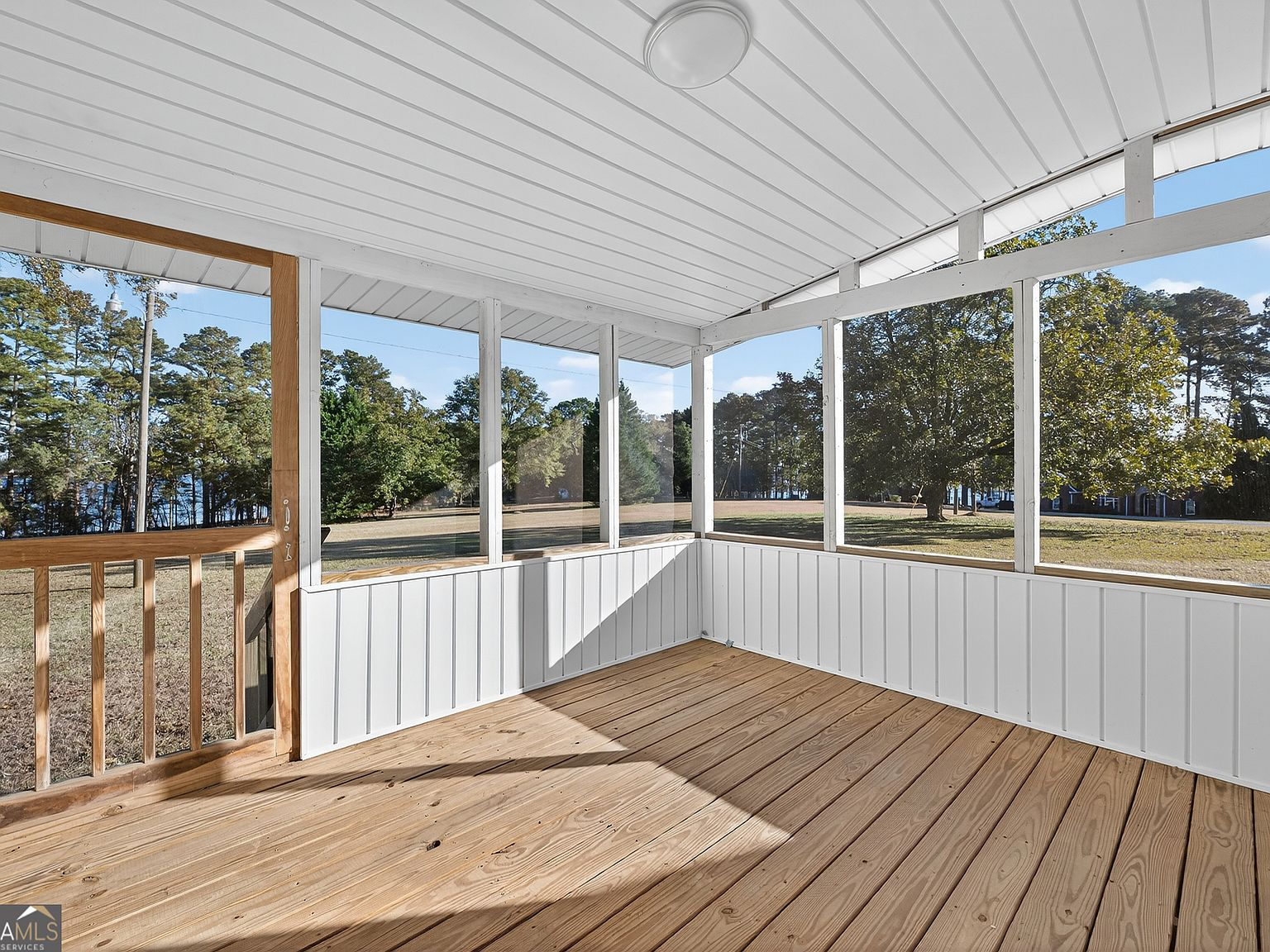
At 257 Methodist Park Lane, the property's position on the Georgia Corps of Engineers shoreline puts it in the middle of this culture. The natural, undeveloped banks — wooded, clean, the kind of cove where you can tie up and disappear — are the backdrop against which lake community life unfolds. The pavilion on the shore extends the gathering space from water to land. And the4.546 acres of flat, private ground provide the kind of setting where a weekend on the water can become a weekend on the lawn, and vice versa.
What the water gives back
We've spent decades helping families find the right waterfront property — on Lake Norman, in Charlotte, along Lake Wylie. We understand the market for high-end lake living. But what Lake Hartwell offers is different from the polished amenity packages of newer developments. It offers a culture that grew up around the water rather than being designed around it.
The boating community here is organic. The raft-ups aren't programmed by a resort. The Spring Rendezvous isn't a marketing event. The gatherings that define Lake Hartwell's social season happen because the people who live here genuinely want to be on the water with each other. That authenticity — the thing that separates a real lake community from a managed one — is the property's most meaningful amenity.
For the next owner of 257 Methodist Park Lane, the invitation is simple: bring a boat, bring a cooler, and show up. The lake is there. The community is there. The pavilion is ready. And the waterfront tradition — the raft-ups, the rendezvous, the Saturday mornings on the water — is waiting to be continued.