
Fishing & Outdoors
Record catch: what a 53-pound blue catfish reveals about Lake Hartwell
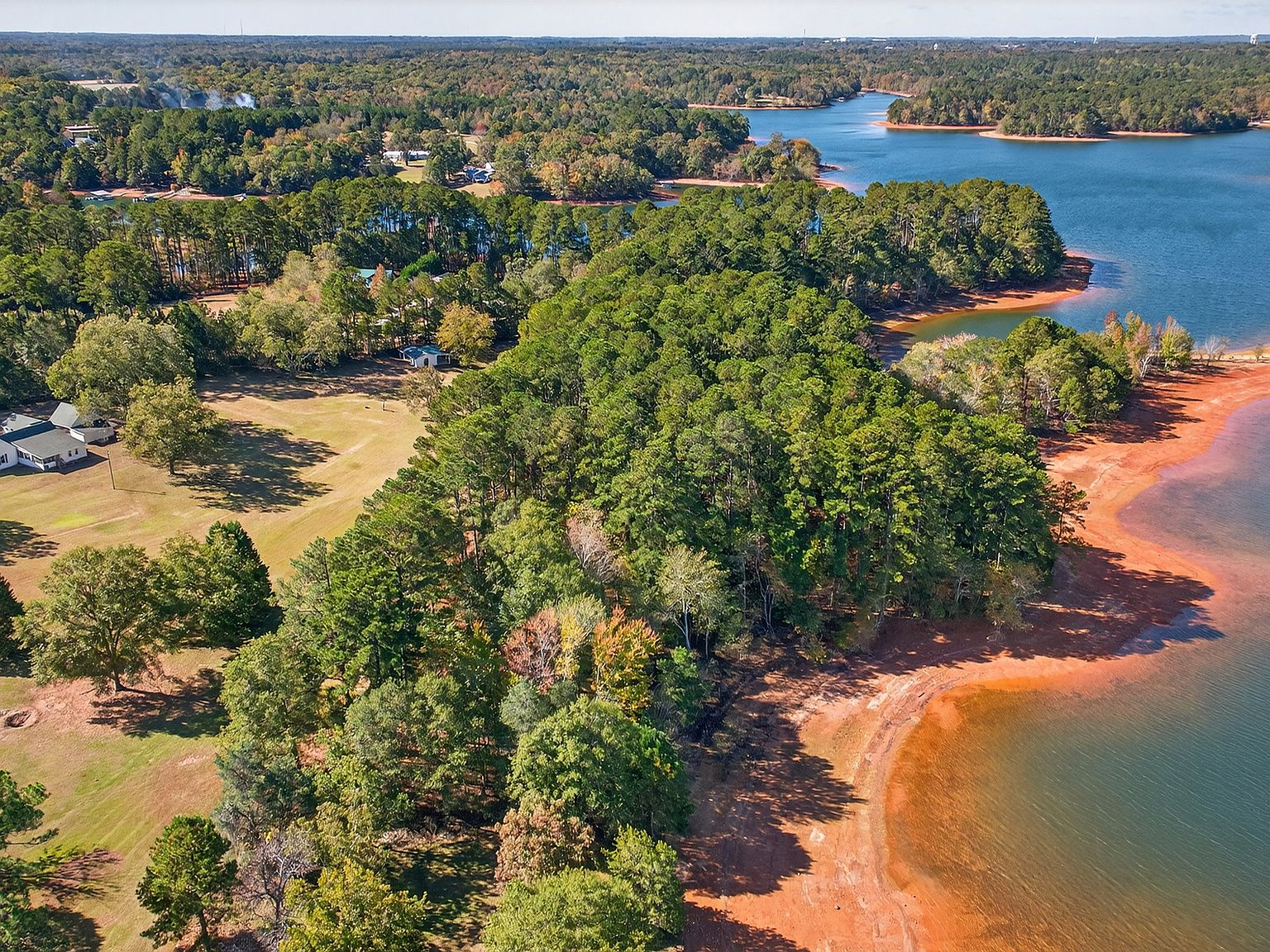
In November 2025, an angler on Lake Hartwell landed a 53.5-pound blue catfish — a catch that broke the lake's existing record and reminded the fishing community that this 56,000-acre reservoir holds surprises even for people who've been casting lines here for decades. For anyone who owns waterfront on Lake Hartwell, that record is more than a fish story. It's a signal about what's living beneath the surface of one of the Southeast's most productive lakes.
The record and what it means
A 53.5-pound blue catfish is not a small fish. Blue catfish (Ictalurus furcatus) are the largest species of North American catfish, and they grow slowly — a fish that size could be twenty years old or more. It would have been feeding on the lake's population of shad, drum, and smaller catfish, growing in the deep channels and rocky structure near the dam where the water is coldest and the food supply is consistent.
What makes this record significant isn't just the size. It's what it tells you about the lake's ecological health. Blue catfish are apex predators in a reservoir environment. They don't thrive in degraded water. They need clean, well-oxygenated water, a healthy forage base, and the kind of deep structural habitat that a well-managed Corps of Engineers reservoir provides. The fact that Lake Hartwell is producing record-class blue cats is a data point that complements the water quality conversation: this lake is ecologically sound.
For context, Lake Hartwell's blue catfish population has been growing steadily since the 1990s, when the Corps and state wildlife agencies began managing the fishery for diversity beyond largemouth bass. Today, the lake supports an impressive range: largemouth and spotted bass, striped bass, hybrid stripers, crappie, blue catfish, channel catfish, and a robust population of threadfin and gizzard shad. That diversity is part of what makes Lake Hartwell exceptional — it's not a one-species lake. It's a complete aquatic ecosystem.
More than tournaments: the everyday fisherman's lake
The Bassmaster Classic gets the headlines — and Lake Hartwell has hosted more Bassmaster Classic events than almost any other fishery in the country, with the fifth scheduled for 2027. But the lake's identity isn't built on tournaments alone. It's built on the thousands of everyday anglers who launch from Elrod Ferry Landing, Hart State Park, and the marinas along the Georgia and South Carolina shores for a morning of fishing that has nothing to do with competition.
On a typical spring morning, the largemouth bass move shallow to spawn along the riprap at Methodist Park and the submerged timber near Elrod Ferry. Stripers roam the main lake channels, chasing shad near the surface in the low light of dawn. Crappie stack up under docks and fallen timber in the coves, willing to bite a minnow under a bobber almost any time of day. And in the deeper water near the dam, the blues wait — patient, large, and increasingly impressive.
This diversity matters for anyone considering waterfront on Lake Hartwell. A single-species lake offers a single season of interest. A lake like Hartwell — with viable fishing in every month, in every depth, with multiple species — offers a reason to be on the water year-round. That's not a recreational amenity. That's a lifestyle.
Fishing from your own shore
There is a particular luxury in being able to fish without launching a boat. At 257 Methodist Park Lane, the property's 4.546 acres include direct waterfront access along the Corps-managed shoreline — natural, wooded banks that haven't been altered by seawalls or development. The water is clean, the structure is natural, and the fish are there.
From the shore or a small dock, you can fish for bass along the riprap and submerged structure, cast for catfish in the deeper water off the bank, or simply sit with a line in the water and watch the lake change through the morning. No marina fees. No launch ramp. No waiting in line on a Saturday morning. Just the water, the bank, and whatever's biting.
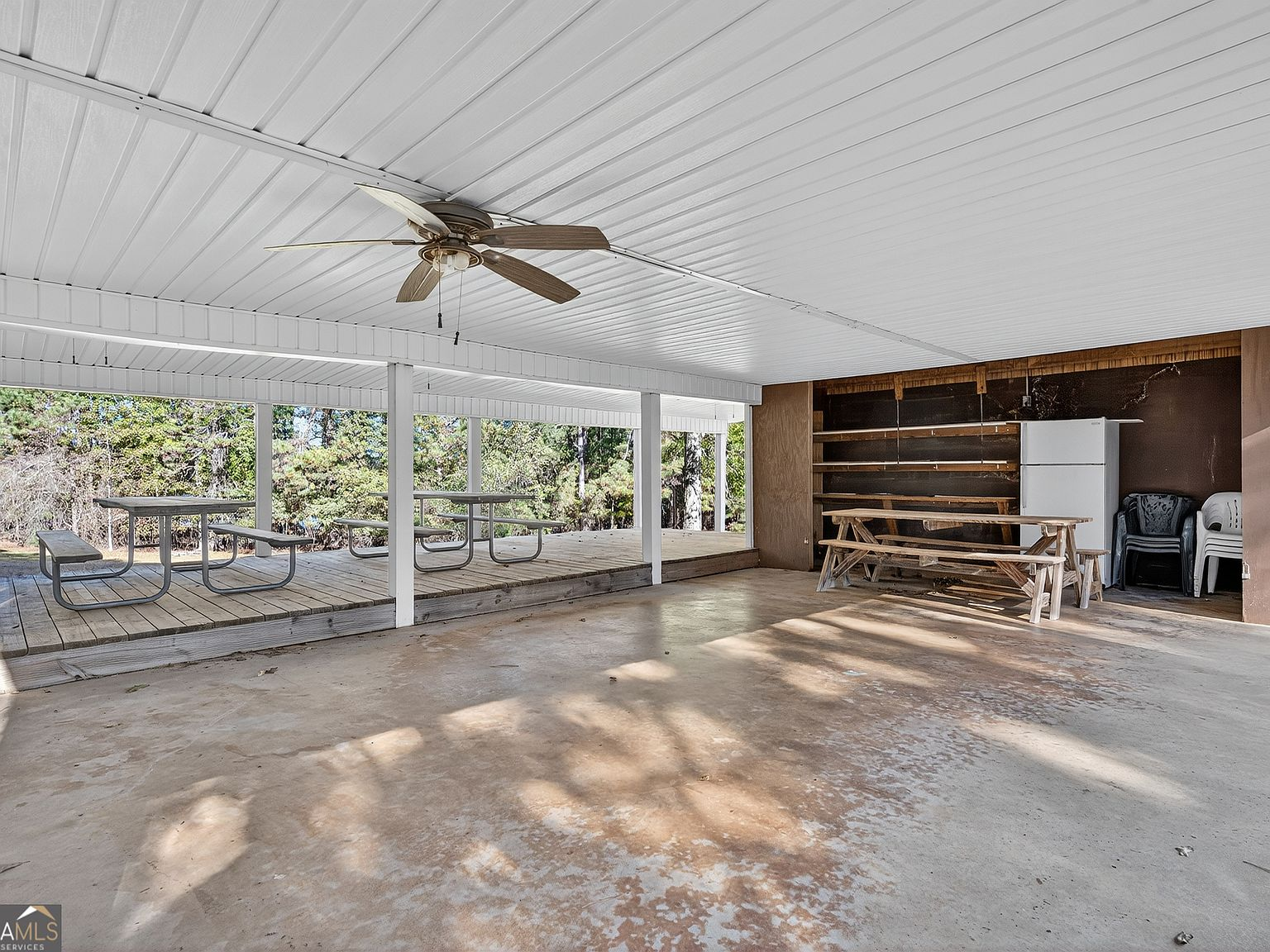
For families, that accessibility changes the way weekends work. The kids can fish from the shore while the adults set up at the pavilion. A quiet afternoon with a rod and a book becomes the default activity, not the exception. And when someone does catch something — a three-pound bass, a respectable crappie, or the occasional blue cat that will make everyone stop what they're doing — it happens on your own property, not at a public access point forty minutes away.
The health of the fishery and the health of the property
Lake Hartwell's fishing quality is directly tied to the same factors that make the property valuable: clean water, natural shoreline, and a Corps of Engineers management philosophy that prioritizes ecological health over development pressure. The Georgia Corps-managed shoreline along 257 Methodist Park Lane remains wooded and undeveloped — a natural buffer that filters runoff, stabilizes the bank, and maintains the water clarity that fish need to thrive.
When the lake experienced harmful algal blooms in 2025 and 2026, the areas most affected were shallow, slow-moving coves with developed shorelines — precisely the areas where nutrient loading from fertilized lawns and impervious surfaces created conditions for cyanobacteria. Properties along the natural, wooded Georgia shoreline — like 257 Methodist Park Lane — were largely unaffected. The buffer worked. The water stayed clean. The fishing stayed good.
That's not a coincidence. It's the product of a management approach that treats the shoreline as infrastructure — not for roads or buildings, but for the health of the water itself. A 53.5-pound blue catfish doesn't live in a degraded lake. It lives in a lake that's being managed well. The record catch is proof of concept.
The fishing calendar
For those who want to plan around the bite, Lake Hartwell offers a reliable seasonal rhythm:
Spring (March–May): Largemouth bass spawn in the shallows. This is the best time for sight-fishing bedding bass along the riprap and shallow coves. Crappie move shallow to spawn and can be caught consistently with small jigs and minnows.
Summer (June–August): Stripers chase shad on the main lake in the early morning. Bass move to deeper structure — brush piles, creek channels, and ledges. Catfish become more active in the warm water, and evening fishing for blues along the deeper points can produce impressive fish.
Fall (September–November): This is when the record blue cat was caught. Bass feed aggressively as water temperatures drop, moving from deep structure to secondary points and creek mouths. Crappie begin their fall pattern, suspending over deeper structure. The blues are at their most active, feeding heavily before winter.
Winter (December–February): Fishing slows but doesn't stop. Bass hold on deep structure and can be caught on slow-moving jigs and drop-shots. Stripers remain active in the main lake channels. And for the dedicated angler, a winter morning on Lake Hartwell — cold air, still water, a hot coffee — is one of the lake's most underrated experiences.
What the record tells you about owning waterfront here
A record-breaking fish is a story. But what it represents is a place — a lake that is healthy enough, large enough, and well-managed enough to produce the kind of fish that anglers travel across the country to chase. Lake Hartwell has earned its reputation as one of the Southeast's premier fisheries not through marketing, but through decades of ecological management, community stewardship, and the kind of water quality that sustains a complete food chain from microscopic organisms to 53-pound apex predators.
For the person considering 257 Methodist Park Lane, the fishing is one layer of a larger proposition. The property offers 4.546 acres of flat, private waterfront on one of the last remaining large parcels on Lake Hartwell's Georgia shoreline. The 1873 farmhouse provides the setting. The pecan trees provide the shade. The pavilion provides the gathering space. And the water — clean, deep, and teeming with life — provides the reason to wake up early, pour the coffee into a thermos, and walk fifty steps to the dock.
The record blue catfish will eventually be surpassed. But the lake that produced it — and the property that sits on its shore — will be here for a lot longer than one fish's lifespan. That's the real story.