
Community
Relocating to Lake Hartwell: a guide for families making the move
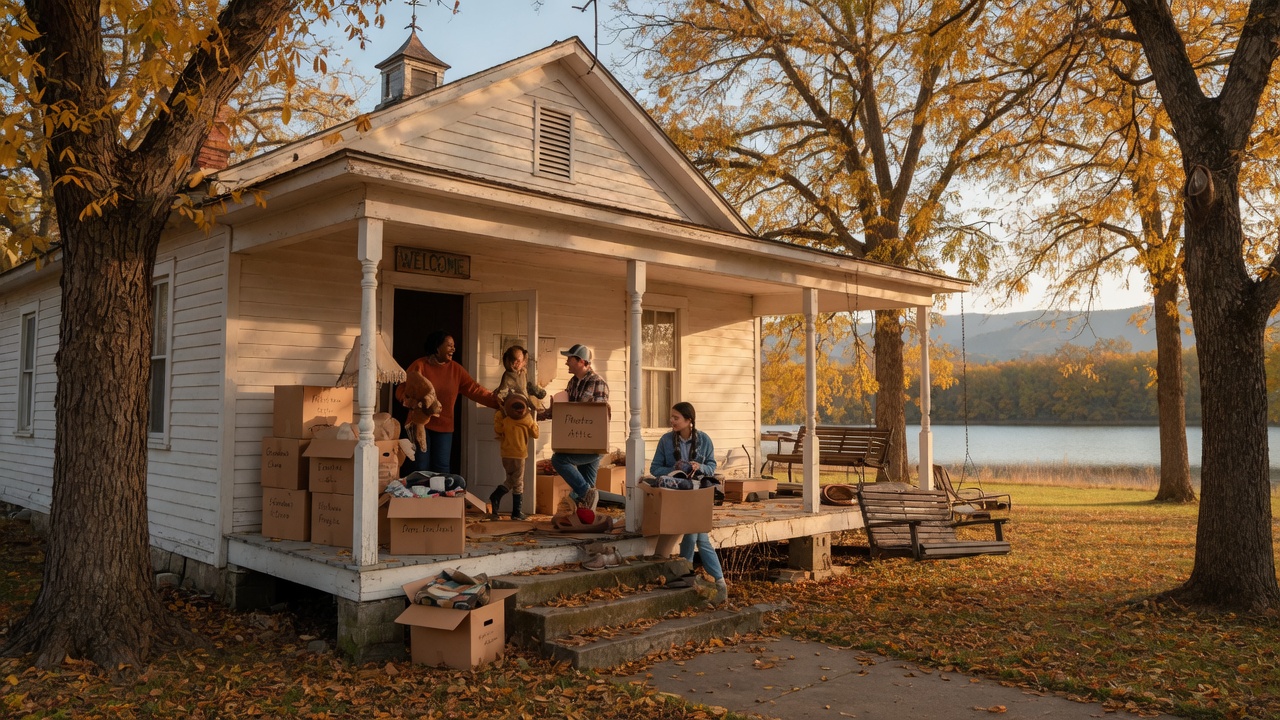
We have completed sixteen relocations. Three during our children's high school years. Assignments in Germany, Korea, and across the United States. We understand, at a granular level, what families face when they decide to uproot — and what makes the difference between a move that works and one that takes years to recover from. When we tell a family that Lake Hartwell is worth the effort, it's not a sales pitch. It's a judgment shaped by personal experience.
Why families choose Lake Hartwell
The families who relocate to Lake Hartwell tend to arrive from one of three directions: they're leaving a metro area (Atlanta, Charlotte, Greenville) and looking for space, water, and a slower pace; they're relocating for work and discovered the lake as an alternative to suburban sprawl; or they've been visiting for years and finally decided to make it permanent. In every case, the decision comes down to the same calculation: what am I willing to trade for a life on the water?
The answer, for most families, is that they're trading commute time and proximity to big-city amenities for something that can't be manufactured — 56,000 acres of water, 1,000 miles of shoreline, a community that has been built around the lake for sixty years, and a town that has maintained its character for 170. The trade is worth it more often than people expect, and the quality-of-life gains reveal themselves faster than most families anticipate.
The practical questions we hear first
When we sit down with families considering Lake Hartwell, the first questions are never about square footage or acreage. They're about logistics:
Where will my children go to school?
Hart County operates a charter school system with small class sizes and community-oriented administration. The proximity to Athens (45 minutes west, home to the University of Georgia) and Greenville, SC (about an hour northeast) expands the range of private school options considerably. Several families we've advised have combined Hart County public schools with extracurricular programs available through the Athens and Greenville cultural infrastructure.
How far is the nearest hospital?
AnMed Health Medical Center in Anderson, SC — about 30 minutes northeast — is a full-service regional hospital. Hart County itself has urgent care and primary care facilities. For specialized medical care, Greenville's Prisma Health system (about an hour northeast) and Athens' Piedmont Athens Regional (about 45 minutes west) cover the major specialties. Families with specific medical needs should evaluate proximity to their specialist of choice — this is a conversation we always have before the showing.
What about shopping and groceries?
Hartwell has a Walmart, a Publix in nearby Anderson, and the basics covered. For a full retail experience — Costco, specialty stores, major shopping — Anderson (30 minutes) and Greenville (60 minutes) provide everything. Most families who relocate to the lake find that their shopping patterns shift within the first month. You buy in bulk, you plan your trips, and you discover that you need less retail than you thought. The lake fills the space that shopping used to occupy.
Can I work remotely?
Internet infrastructure in the Hartwell area has improved significantly. Broadband is available in most areas near the lake, and families who work remotely report that the combination of fiber or cable internet and the quality of life is compelling. The proximity to Greenville (with GSP International Airport) makes occasional business travel manageable — most destinations can be reached with a single connection.
The first weekend
From sixteen relocations, we've learned something that no moving company or relocation guide will tell you: the first weekend in a new place determines whether the move will work. Not the first month. Not the first school year. The first weekend — specifically, whether you feel at home by Sunday evening.
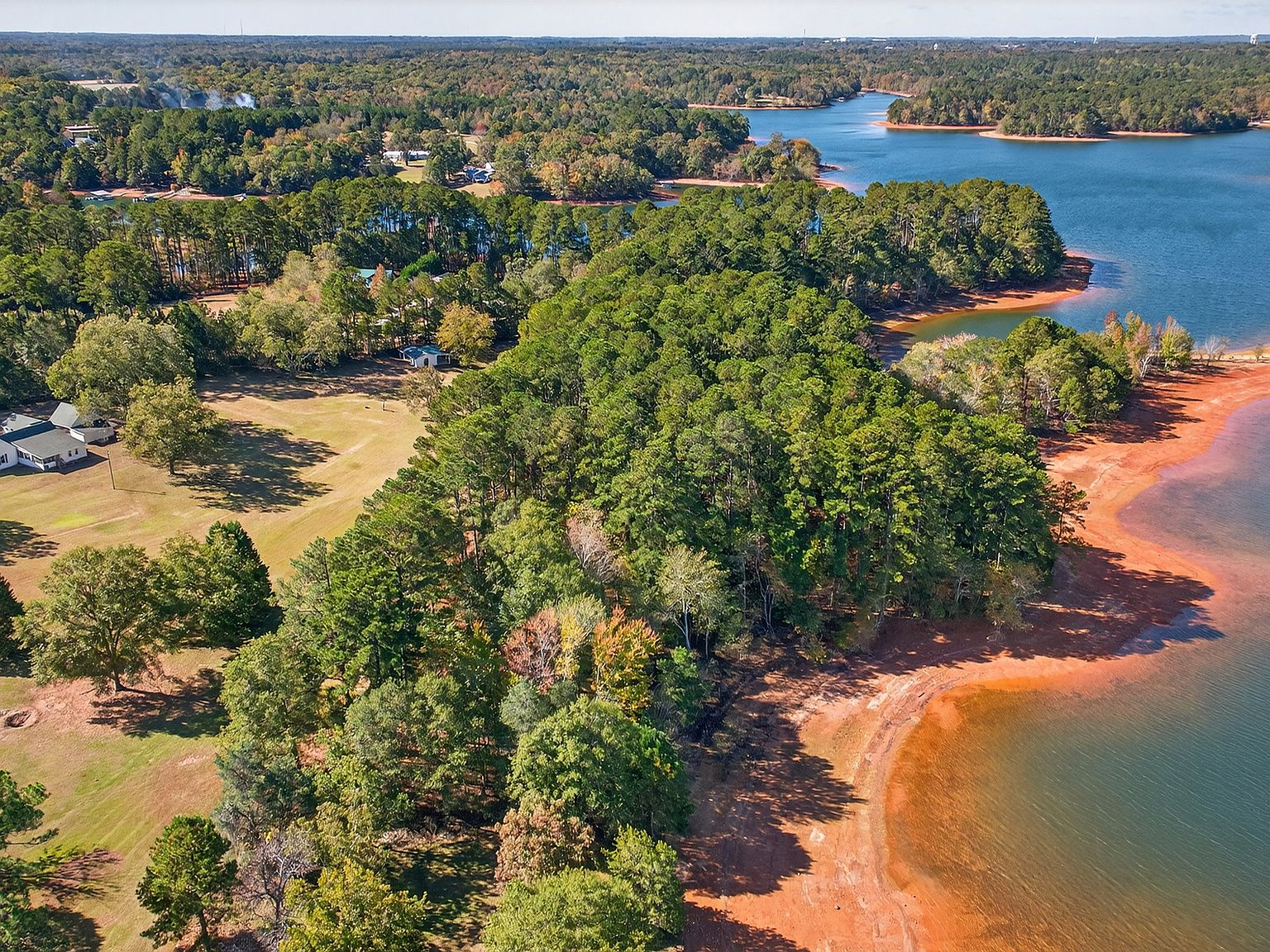
We structure our showings around this principle. When a family visits 257 Methodist Park Lane, we don't rush through a tour. We arrive early and make coffee. We sit on the covered porch and watch the lake through the pecan trees. We walk the grounds slowly — not to show features, but to let the property speak. If the family has children, we walk down to the lakeside pavilion and let them explore. We point out the Elrod Ferry Landing boat launch and the path to Methodist Park.
Then we drive into Hartwell. We go to Common Ground for coffee. We walk the Main Street district. We stop at the Hartwell Art Center. We show them the downtown not as a tourist attraction but as a daily resource — the place where they'll pick up coffee on a Saturday morning, attend a community event, or register for a pottery class. By the time we've done both — the property and the town — most families know.
Our children went on to attend Princeton University, Harvard Business School, Purdue University, and the UNC School of Medicine. We don't attribute that to any single place we lived. But we do know that the places that felt like home — the ones where the community wrapped around the family, where the schools engaged the children, where the quality of daily life supported the work we were doing — those were the places that set the foundation. Lake Hartwell is that kind of place.
What the relocation guide doesn't tell you
Relocation guides will tell you about tax rates, school ratings, and drive times. What they won't tell you is how a lake changes the way a family lives. The Saturday morning that used to involve errands and screens becomes fishing and paddleboarding. The evening commute that used to be forty-five minutes of traffic becomes a walk through the pecan grove. The dinner party that used to require reservations becomes a gathering at the pavilion with twenty people and a grill.
These aren't luxuries. They're the daily habits that determine whether a family thrives or merely survives in a new location. We've seen it across sixteen moves: the places that change how you spend your time are the places that change how you feel about your life. Lake Hartwell changes how you spend your time.
There's also the question of community depth. Lake Hartwell isn't a resort destination with a transient population — it's a year-round community of families who chose the lake as a way of life. The Lake Hartwell Boating Club organizes social events and raft-ups. The Hart County Chamber of Commerce runs events throughout the year. The Hartwell Main Street program keeps downtown active. The churches, schools, and civic organizations provide the social infrastructure that makes a new town feel like a real community rather than a collection of weekend houses.
The property as relocation asset
257 Methodist Park Lane is, from a relocation standpoint, an unusual property. The 1873 farmhouse is a 2-bedroom, 2.5-bath residence — modest by the standards of families accustomed to four-bedroom suburban homes. But the property's real living space is outdoors: the covered porch, the screened back porch, the lakeside pavilion with two full bathrooms, and 4.546 acres of flat, private land. For a family relocating from a metro area, the outdoor living space represents a fundamental expansion of daily life — more room to move, more room to breathe, and more room to be a family.
The pavilion, in particular, serves as a relocation asset that families don't anticipate until they've lived with it. Two full bathrooms mean guests can stay for the weekend without competing for house plumbing. The covered dining area with ceiling fans means outdoor entertaining doesn't depend on weather. The proximity to the water — Elrod Ferry Landing and Methodist Park are minutes away — means the lake is a daily resource, not a weekend destination.
For families with boats, the Corps-managed natural shoreline provides the kind of cove access that developed lakes often can't offer — private, wooded, and undeveloped. The property's position above the full-pool line means the land is secure from the water-level fluctuations that affect lower-elevation parcels.
The decision framework
After sixteen relocations, we've developed a framework for evaluating whether a move will work. It comes down to three questions:
Does the place have depth? A lake without a community is a vacation spot. A town without a lake is a suburb. Lake Hartwell has both — 56,000 acres of water and a 170-year-old town with preserved downtown architecture, active civic organizations, and year-round events. The depth is what sustains a family through the years after the novelty of the water wears off.
Does the property have staying power? A new-construction home on a half-acre lot is a purchase. 257 Methodist Park Lane — a 153-year-old home on 4.546 acres of flat, private waterfront — is an investment in continuity. The property has survived the Civil War, the Great Depression, the boll weevil, the construction of the Hartwell Dam, and sixty years of lake life. It will outlast the next owner, and the one after that.
Can you see yourself here in January? Summer is easy. Any lake looks good in July. The question is whether the place holds you through the quiet months — the wood-burning fireplace, the thick walls of an 1873 farmhouse, the morning mist on the water, the town that stays active even when the boats are shrink-wrapped. If you can see yourself here in January, you've found your home.