
Generations
The same stars, a different water: 150 years under the sky at Methodist Park Lane
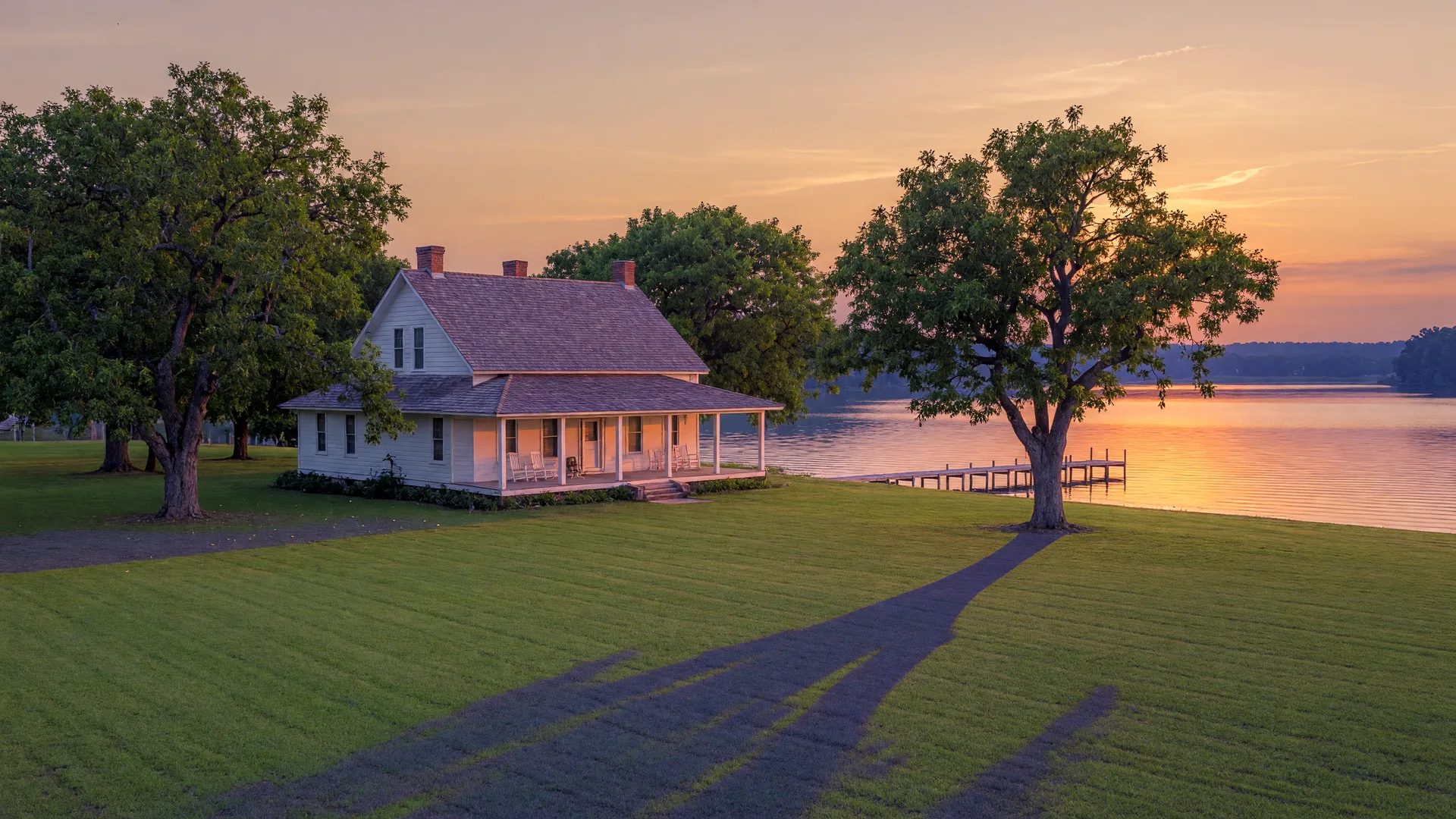
On a clear August night in 1873, a family sat on the porch of a newly built farmhouse and looked up at the stars. The Savannah River ran through the valley below. The pecan saplings at the edge of the yard were barely waist-high. The house smelled of fresh-cut pine and the clay of unset foundations. Tonight, 153 years later, someone can stand in almost the same spot and look up at the exact same stars, only now the valley is filled with 56,000 acres of water, the pecan trees cast shadows fifty feet wide, and the sound of a distant bass boat replaces the creak of a wagon.
What the land looked like before the water
To understand what it means to own 257 Methodist Park Lane today, you have to picture what it looked like in 1873. The land was not lakefront then. It was river-bottom farmland, rich, flat ground along the Savannah River, perfect for growing corn, cotton, and the vegetables a family needed to survive the winter. The house was built on a natural rise above the flood plain, high enough that the river could swell in spring without reaching the foundation.
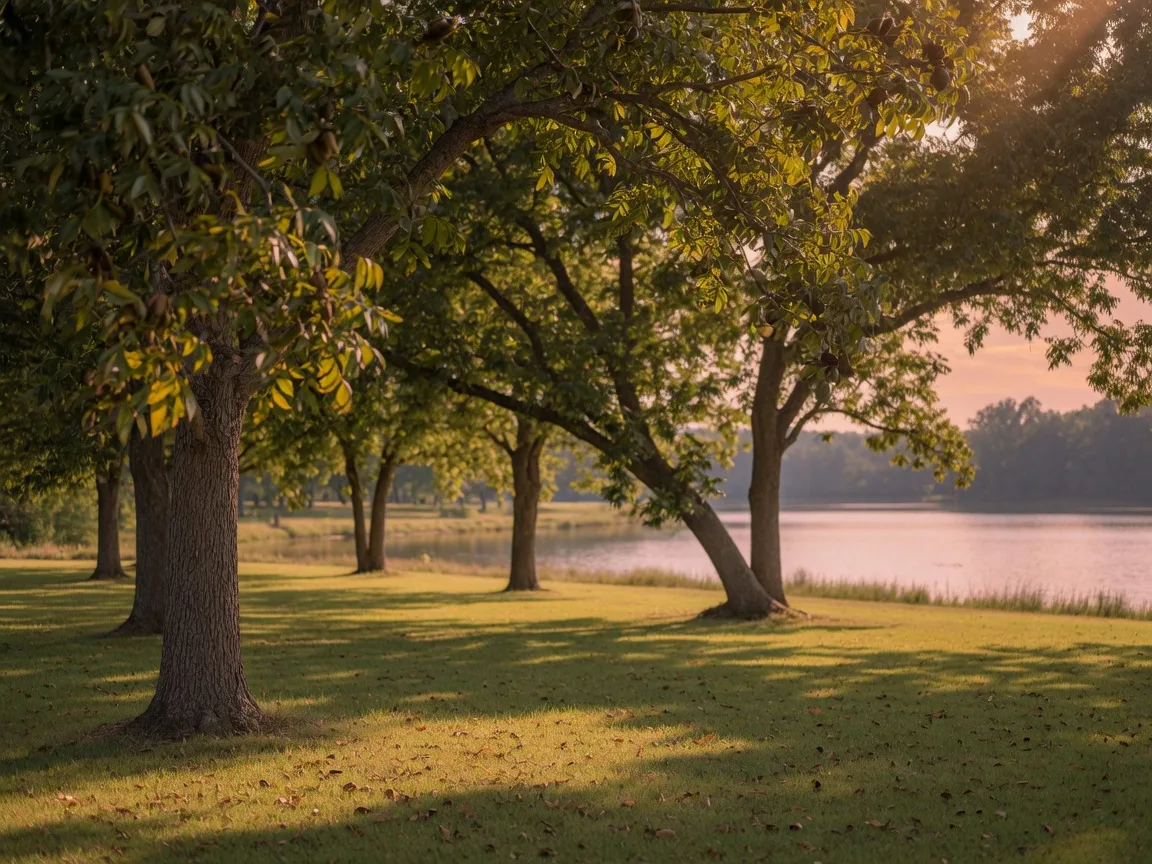
The family who built that house knew something that every landowner along the river knew: the Savannah River valley was productive, but it was also unpredictable. Spring rains could turn the bottomland into a swamp. Summer droughts could crack the red clay. The pecan trees they planted were not decorative. They were a long-term investment in food security, a crop that would feed children and grandchildren for generations.
Those pecan trees are still standing. They have outlived every person who has ever lived in the house. They have watched the river valley become a lake, watched wagons give way to bass boats, watched kerosene lamps become electric lights. They are the oldest living witnesses to what this land has been through.
When the water came
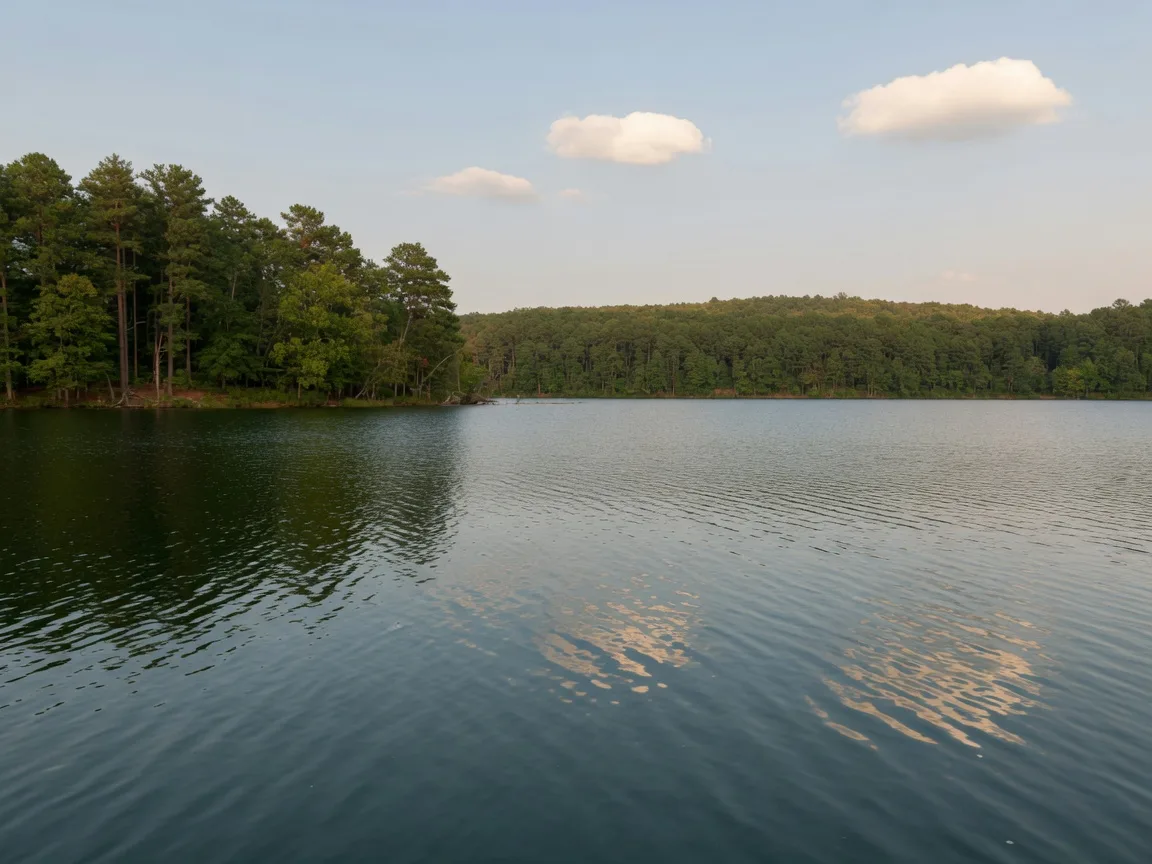
Between 1955 and 1962, the U.S. Army Corps of Engineers built Hartwell Dam across the Savannah River, creating a reservoir that would flood an area covering 56,000 acres. Nearly 2,000 families were relocated as the water rose. Entire communities, including the river port town of Andersonville, South Carolina, were submerged beneath 60 to 90 feet of water.
But 257 Methodist Park Lane, built on that natural rise above the flood plain, survived. The water came right to the edge of the property and stopped. The family who had farmed the land for generations watched the lake fill in from the same porch where their ancestors had watched the river flood and recede. The same view now reflected water instead of fields.
That physical elevation, the wisdom of choosing high ground in 1873, is what separates this property from nearly every other parcel in the valley. It is one of the last remaining large-acreage lakefront parcels on Lake Hartwell's Georgia Corps of Engineers shoreline because it was already there when the lake arrived. It did not have to be built after. It was never submerged, never demolished, never replaced.
What has changed and what has not
The surface has changed entirely. Where the family once planted corn in river-bottom soil, there is now open water where boaters gather for the annual Pre-4th Fireworks Extravaganza at Long Point, one of the largest fireworks displays in the Southeast. Where oxen once pulled plows, bass boats now idle through quiet coves at dawn. The lake has brought a new rhythm: summer weekends filled with pontoon gatherings, striped bass tournaments, and the kind of outdoor entertaining that the lakeside pavilion at 257 Methodist Park Lane was built to host.
But the deep things have not changed at all. The pecan trees still drop their harvest every November. The porch still faces the same direction. The stars still rise over the Appalachian foothills in the same pattern that guided travelers and farmers for centuries before electricity dimmed the sky. The land is still 4.546 acres of flat, private ground. The water is still the same water that falls on the eastern slope of the Blue Ridge and makes its way to the Atlantic.
What has changed is the lifestyle. In 2026, Lake Hartwell draws more than 9 million visitors annually and generates $57.4 million in tourism revenue for Hart County alone. The lake hosts major fishing tournaments, including the Bassmaster Elite Series in April 2026 and the Mercury B.A.S.S. Nation Championship in November 2026. The community has grown, but it has grown with intention. The City of Hartwell was named a 2026 Visionary City Award honoree by the Georgia Municipal Association, recognized for preserving its character while embracing controlled growth.
Living both lives at once
What makes 257 Methodist Park Lane singular is not just its history or its location. It is that both are fully present, simultaneously. You can walk the same floors that a family walked in the 1870s, run your hand along the same mantel, stand on the same porch and then walk fifty steps to the water and launch a kayak into Lake Hartwell.
The lake lifestyle today is the best it has ever been. The fishing is world-class. The summer community is vibrant. Cars & Guitars in May, the Hartwell Lakeside Music Festival on Memorial Day weekend, the Pre-4th Extravaganza at the end of June. The farmers market runs from April through November on Saturday mornings. Southern Hart Brewing Company fills with locals on Friday evenings. Boathouse Grill serves lake-breeze dinners at Hartwell Marina. This is a community that has grown up around the water without forgetting the land under it.
And yet, the land itself has not forgotten its earlier life. The pecan grove still produces every fall. The mature hardwoods still turn gold and orange in October. The property still feels like a farmstead that happens to have lakefront access, rather than a lake house that happens to have some land. That distinction matters. It is the difference between a property that was built for the market and a property that grew from the ground.
Under the same sky
On clear nights, the stars over Lake Hartwell are bright enough to see the Milky Way. The lack of light pollution in this stretch of the Georgia foothills means that the same constellations the 1873 family gazed at are visible tonight. Orion rising in winter, the Big Dipper circling the pole, the summer triangle of Vega, Deneb, and Altair passing overhead in the warm months.
The family who built this house could not have imagined the lake. They could not have imagined a Bassmaster Elite Series, a waterfront pavilion with ceiling fans, or a pontoon boat tied to a dock where their cattle once drank from the river. But they would recognize the land itself, the rise of the ground, the placement of the pecan trees, the direction the porch faces. They would recognize the feeling of standing on a piece of earth that is solid, safe, and worth passing on.
That is the rare thing about 257 Methodist Park Lane. It is not a renovation of an old house or a new build on old land. It is a property that has lived two complete lives. One as a river-valley homestead and one as a lakefront estate. The question now is what the third life will look like. The water is different, but the stars are the same. And the land has never stopped holding its ground.