
Heritage
The seasonal rhythms before the lake: winter wheat, spring planting, and summer evenings on the river valley
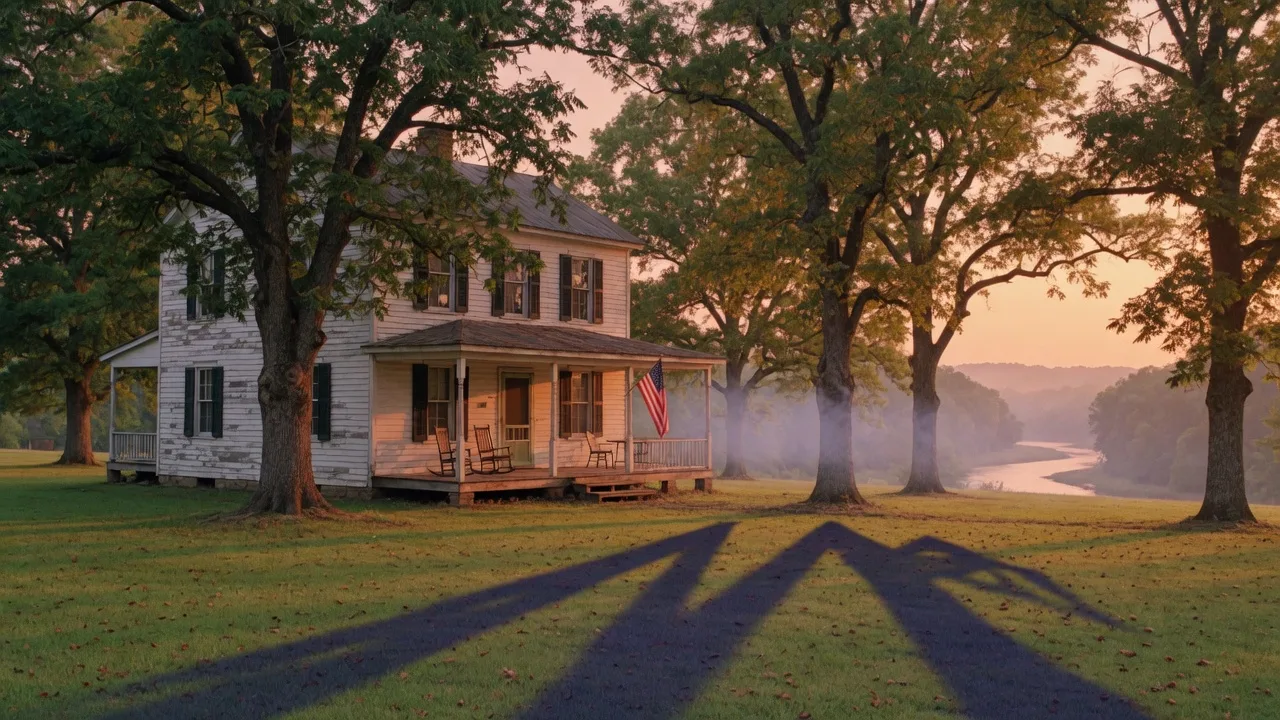
Today, when you walk the lawn at 257 Methodist Park Lane, the lake is the dominant feature of the landscape. But for most of this property's history, the view was different. Where the water now stretches to the tree line, there was a river valley — the Savannah River winding through bottomland farms, its course visible from the porch. The seasons were not measured by boat traffic or bass tournaments. They were measured by planting, growth, harvest, and rest. And the families who lived here knew each one intimately.
Winter: the season of repair and preparation
Winter on the river valley was quiet, but it was not idle. The growing season was over. The fields lay fallow. The pecan harvest had been gathered in November, after the first frost split the husks, and the nuts were stored in the barn or sold to the merchant in Hartwell. The livestock — hogs, perhaps a milk cow, chickens — needed feeding and care. The tools needed sharpening. The fences needed mending.
For the family in the farmhouse, winter was the season of indoor work. The wood-burning fireplace that had been used mainly for evening warmth now became the center of the household. Wool was spun, clothes were patched, and the winter stores — canned vegetables, salted pork, dried apples — were inventoried and rationed for the months ahead.
The river ran lower in winter. Its banks, swollen in spring, receded to reveal the red clay and rounded stones that lined the channel. The children could walk farther along the bank than in any other season. The pecan trees, now bare, let the weak winter sun reach the porch. The family could see farther across the valley through the leafless branches of the hardwoods. From the porch, the river was visible as a silver thread running through the brown landscape.
Winter was also the season of planning. The family would decide what to plant in the spring: how much corn, how much cotton, how much of the vegetable garden. They would order seed catalogs, repair harnesses, and prepare the equipment that would be needed when the ground thawed. The work was hard, but the pace was slower than any other season. There was time for reading, for visiting neighbors, for the kind of unhurried life that the modern world has largely forgotten.
Spring: planting and promise
Spring arrived in the Georgia foothills with a rush of green. The dogwoods bloomed along the river banks. The pecan trees leafed out, their compound leaves unfurling in the warming air. The family's year began in earnest when the soil was warm enough to work — typically in late March or early April, depending on the rain.
The fields were plowed with mules or horses, the furrows running straight along the contour of the land. Corn went in first, planted in rows wide enough for a team to pass between them for cultivation later in the season. Cotton followed in early May. The vegetable garden — beans, squash, tomatoes, okra, greens — was planted in stages to ensure a continuous harvest through the summer and fall.
Spring on the river valley was beautiful, but it was also exhausting. The days lengthened, and the work stretched with them. From dawn until dusk, the family was in motion — planting, hoeing, watering, weeding. The river, rising with the spring rains, was both a help and a hazard. It provided water for the crops when the rains failed. But a heavy spring flood could wash away newly planted fields, destroy the bottomland crops, and leave the family with nothing to harvest in the fall.
The farmhouse at 257 Methodist Park Lane had been built on high ground precisely because of this risk. The family's forebears had known that the river's bounty came with a price — the constant threat of flood. By building above the flood plain, they protected their home and their barns. But the fields closest to the river, the bottomland that was the most productive, were always vulnerable. Spring was the season of hope and anxiety in equal measure.
Summer: the furnace and the blessing
Summer in the Georgia Piedmont was defined by heat and humidity. The temperature regularly climbed into the 90s. The air hung thick and heavy. The work was punishing — cultivating the corn, chopping the cotton, fighting the weeds that grew as fast as the crops.
The rhythm of a summer day began before dawn, when the air was still cool enough to work. The family would rise at first light, eat a breakfast of grits, eggs, and biscuits, and head to the fields by six. The morning work session lasted until the heat became unbearable — typically around eleven or twelve. Then came the midday meal, the hottest hours spent resting on the porch or in the shade of the pecan trees, and a return to the fields in the late afternoon when the sun had begun its descent.
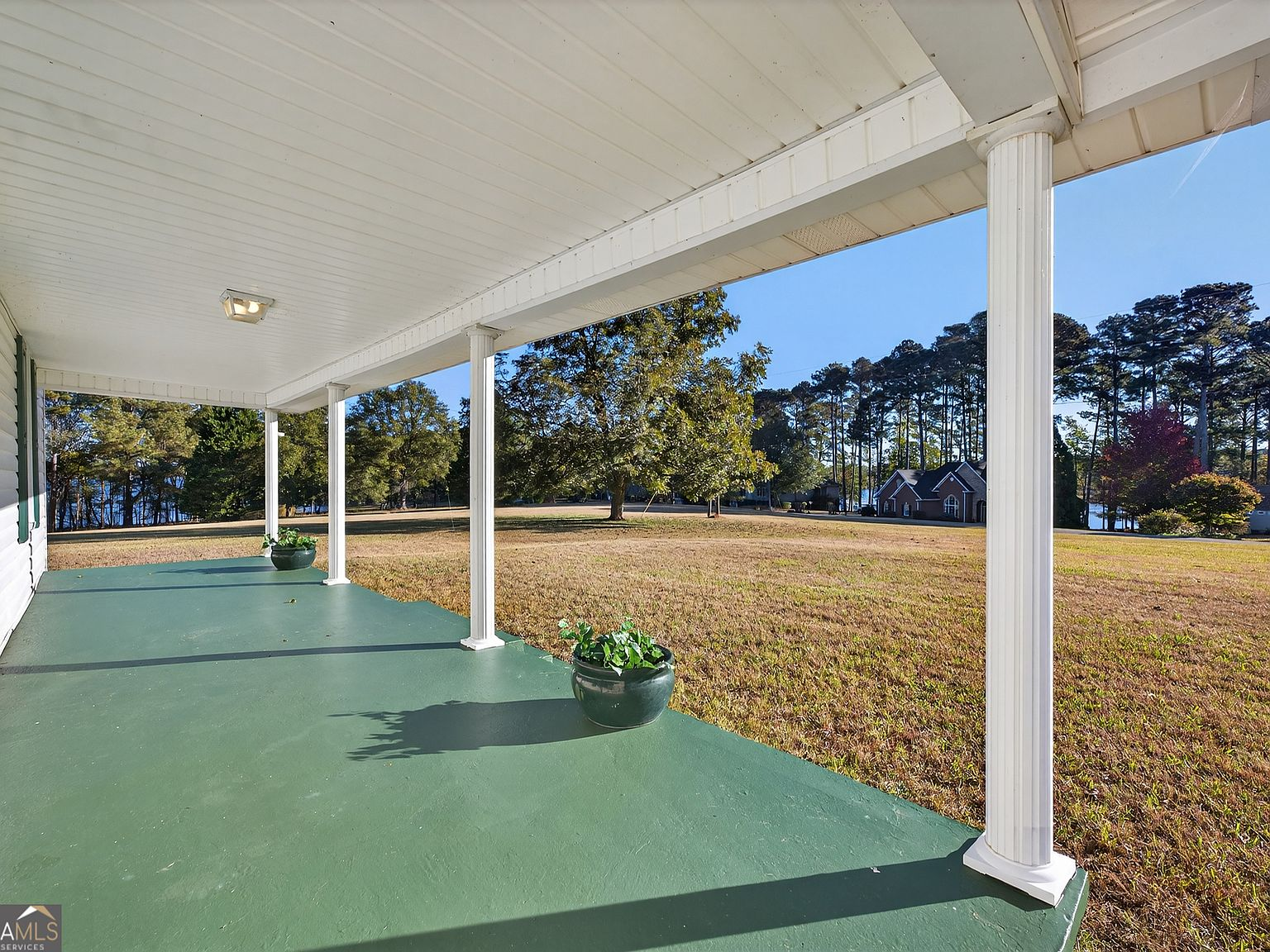
The porch was not a luxury in this climate. It was a necessity. The deep overhang kept the sun off the main rooms of the house, keeping the interior cooler than it would have been otherwise. The cross-breeze that moved through the porch was the only relief from the heat, and the family spent as much of the summer as possible on that shaded platform — eating, working on small tasks, sleeping on hot nights when the indoor rooms were unbearable.
The pecan trees planted by the first generation provided more than shade. In summer, their canopies created a microclimate that was noticeably cooler than the open fields. The family would gather under the largest trees for meals, for chores that could be done sitting down, for the evening hours when the work was finished and the only sounds were the cicadas and the distant murmur of the river.
The river itself was a resource in summer. The family would wade in the shallows to cool off. The children learned to swim in the deep pools where the current slowed. Fishing was more than recreation — it was a reliable source of protein when the chickens were not laying and the pork was being saved for winter. Catfish, bream, and redhorse suckers were caught with handlines, trotlines, and, later, simple rod-and-reel setups.
Fall: the harvest and the reckoning
Fall was the season that determined whether the family would eat well through the winter or go hungry. The corn harvest began in late August and ran through September. The cotton harvest followed in October — the most labor-intensive work of the year, requiring every available hand to pick the bolls before the weather turned.
The vegetable garden was emptied of its last produce. Tomatoes were canned. Green beans were pickled or dried. Squash and pumpkins were stored in the root cellar. Apples, if the family had trees, were dried or pressed into cider. The hogs were slaughtered in November, when the weather was cool enough to keep the meat from spoiling. Every part of the animal was used — hams were cured, bacon was salted, lard was rendered, and the scraps were ground into sausage.
November brought the pecan harvest. The first frost split the husks, and the nuts fell to the ground, where the family gathered them by hand. A mature pecan tree can produce 50 to 100 pounds of nuts in a good year, and the grove at 257 Methodist Park Lane was one of the assets that made the property self-sufficient. The nuts were shelled, dried, and stored for use through the winter — in pies, in pralines, in the kind of baked goods that made the cold months more bearable. Some were sold or traded in town.
Fall was also the season of community. Church homecomings, county fairs, and Thanksgiving gatherings brought families together. The river valley, now painted in the reds and golds of the changing hardwoods, was beautiful in a way that the summer green could not match. The work was hard, but there was a sense of accomplishment in it — the harvest was in, the winter stores were laid by, and the family had made it through another year on the land.
What the seasons meant then, and what they mean now
The families who lived at 257 Methodist Park Lane before the lake experienced time differently than we do. The seasons were not backgrounds to their lives — they were the structures around which everything else was organized. The river's rise and fall, the first frost, the pecan harvest, the lengthening of the days: these were the markers of time that mattered. The calendar was not a grid of appointments. It was a cycle of work and rest, scarcity and abundance, preparation and celebration.
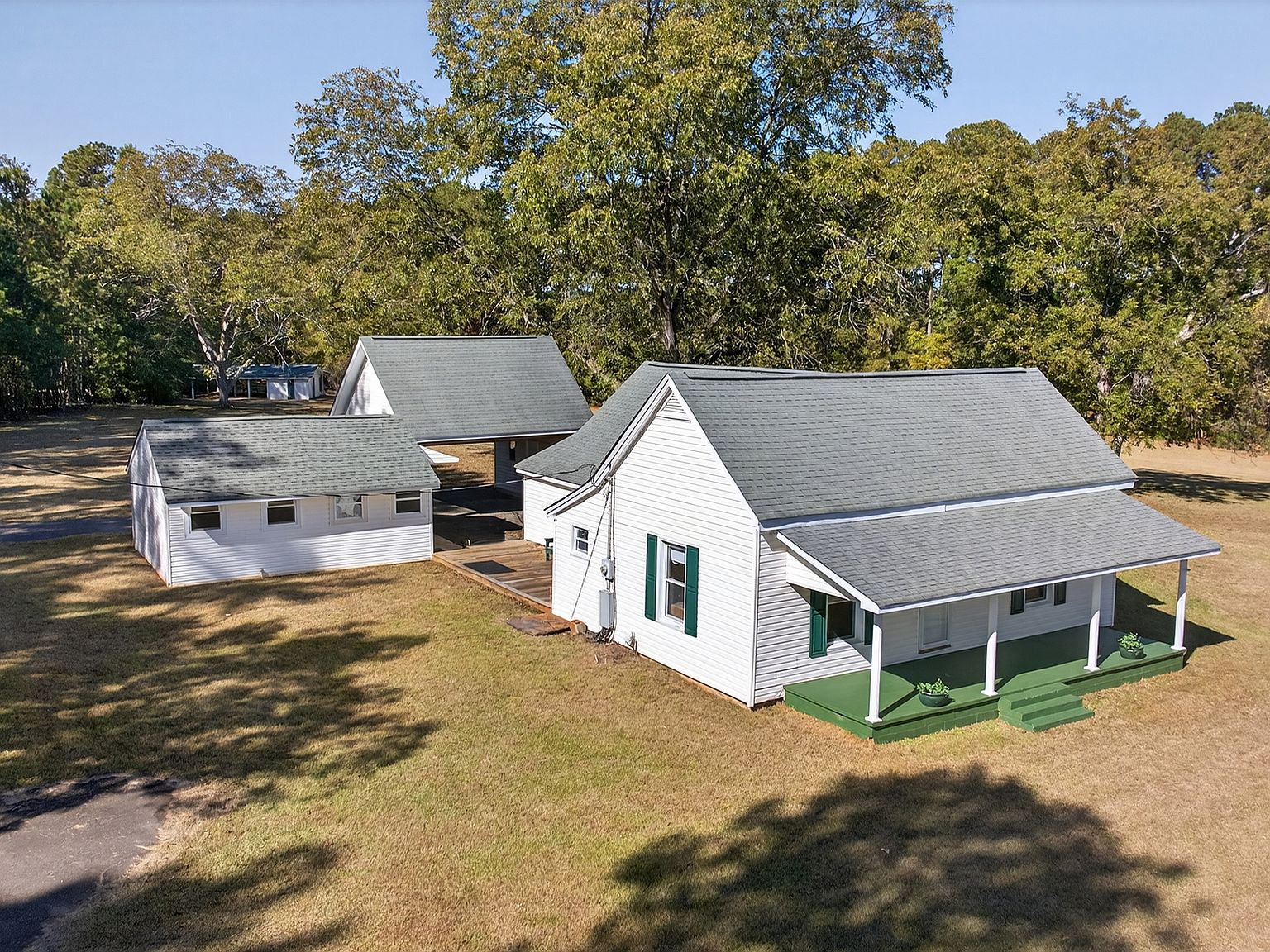
Today, the lake has changed the view and the lifestyle, but the land's essential character has not been erased. The flat lawn is still the same elevation above the water. The pecan trees still drop their harvest in November. The porch still catches the prevailing breeze off the water — the same breeze that cooled the family in the summers before the lake existed. The seasons still define the year: spring brings the dogwoods and the bass fishing; summer brings the long evenings on the pavilion; fall brings the foliage and the pecan harvest; winter brings the quiet, the cold, and the time to plan for the year ahead.
The lake added a new dimension to this landscape, but it did not replace the old one. The seasonal rhythms that the first generation understood are still present here, if you know where to look. The pecan trees remember. The porch remembers. The land remembers. And the next generation of stewards will have the chance to discover what the first generation knew all along: that the best life is one that moves with the seasons, not against them.