
Generations
Six generations of children: what growing up on this land looked like from 1873 to today
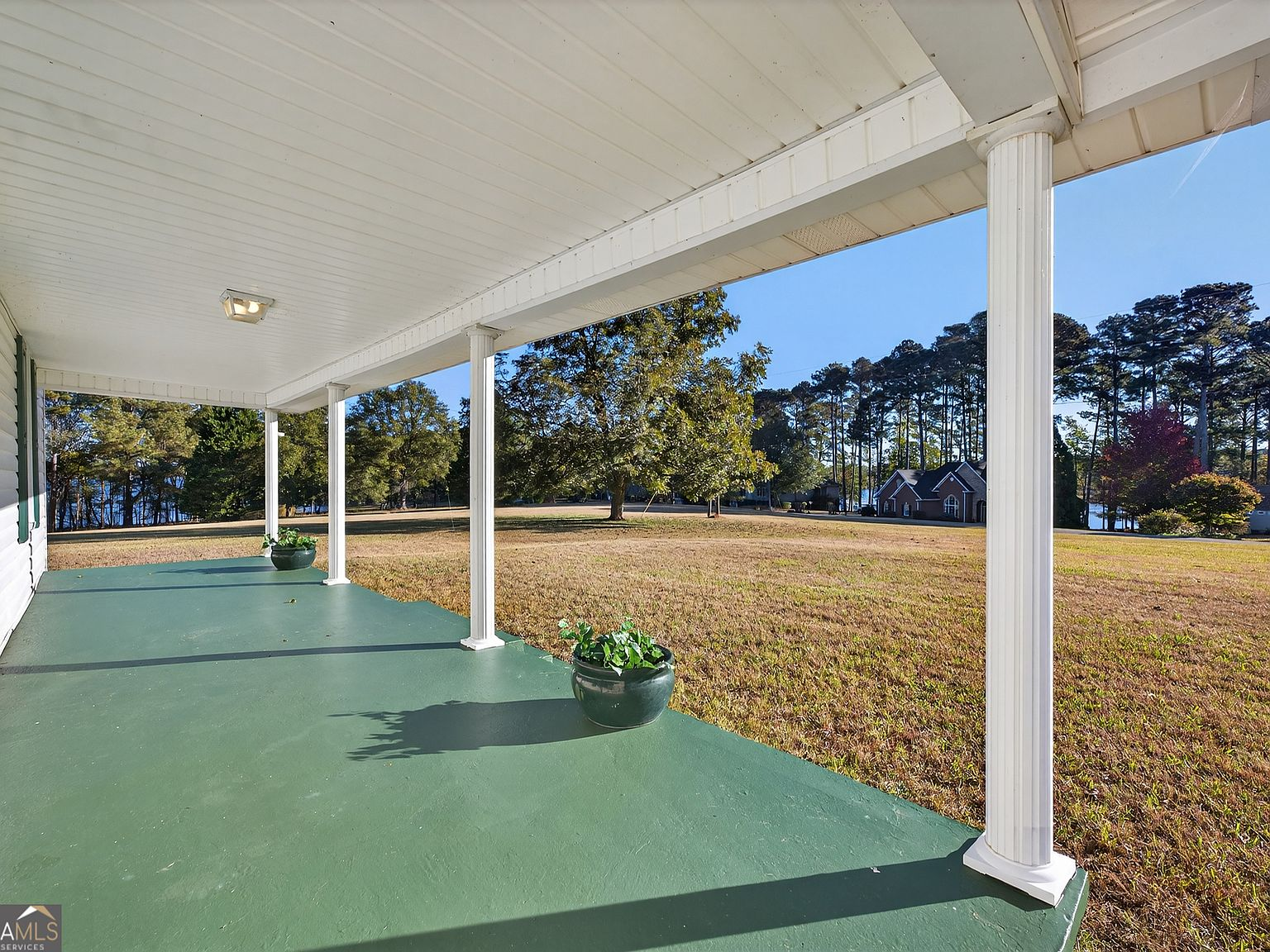
We have spent much of our professional lives thinking about what makes a property into a home. And the more properties we show, the more we are convinced that the truest test of a place is not how it looks in photographs or how it performs on paper, but how it holds the people who grow up on it. The land at 257 Methodist Park Lane has been holding children for six generations. And each generation experienced a completely different childhood on exactly the same ground.
The first generation: 1873 to the 1900s
The children who grew up in the house in the 1870s and 1880s knew this land as a working farm. Their world was defined by the tasks of daily survival: fetching water from the well, gathering eggs from the chicken coop, walking behind a plow in the garden, climbing the pecan trees that even then were old enough to produce. The river ran below the property — a constant presence, a boundary, a place to cool off in the brutal Georgia summers, and a source of catfish that meant dinner when the garden was between harvests.
The schoolhouse was likely a walk of several miles down dirt roads. The church, where the family gathered each Sunday, was the center of social life. The rhythm of childhood was set by the planting calendar and the seasons, not by the clock or the calendar. And the property itself — the flat lawn, the pecan grove, the riverbank — was the entire universe of play, exploration, and work.
The second generation: the 1900s to the 1930s
By the turn of the century, the property had been held for thirty years. The pecan trees were larger. The house had been expanded. The children of this generation inherited a more established homestead, but the fundamentals of daily life had not changed much: the well, the garden, the livestock, the river. What had changed was the world beyond the property. Hartwell, Georgia had grown into a proper small town with a Main Street, a railroad depot, and a growing economy of commerce beyond the farm.
The children of this generation could walk into town. They could catch a train. They could imagine a life beyond the river valley even as the property held them rooted to it. And the pecan harvest, which the first generation had planted for survival, had become something closer to a tradition — the November rhythm that brought the family together under the same trees their grandparents had climbed.
The third generation: the 1930s to the 1950s
The children who grew up in the Depression era and through World War II experienced the property differently. The farm was still a working farm, but the world had become smaller and larger at once. Radios brought news from distant continents. Automobiles made Hartwell and the surrounding area more accessible. The well still served, but municipal water was beginning to reach rural Hart County.
These were the children who would become adults just in time to watch the Corps of Engineers survey their river valley. They were the last generation to grow up with the Savannah River as the defining water feature of this land. They swam in the river, fished from its banks, and understood its seasonal rhythms with the same intimacy their great-grandparents had. And then, in the 1950s, they watched the government announce that everything was about to change.
The fourth generation: the 1950s to the 1970s
This generation experienced something unique: they lived through the transformation itself. As children in the late 1950s, they watched the dam rise downstream. They watched the river slow, then widen, then gradually become a lake. The dirt road that led from the property to the Methodist Park community changed character as the lake reshaped the landscape. And then, suddenly, the water was at their feet.
For a child, the arrival of the lake must have been bewildering. The river they had known became something else entirely. The flat farmland across the valley vanished beneath the rising water. Boats appeared where wagons had traveled. The property that had been a farm became a waterfront estate. And the children of this generation grew up with one foot in the old world and one in the new — the last to remember the river flowing free, the first to learn to waterski on the reservoir.
The fifth generation: the 1970s to the 2000s
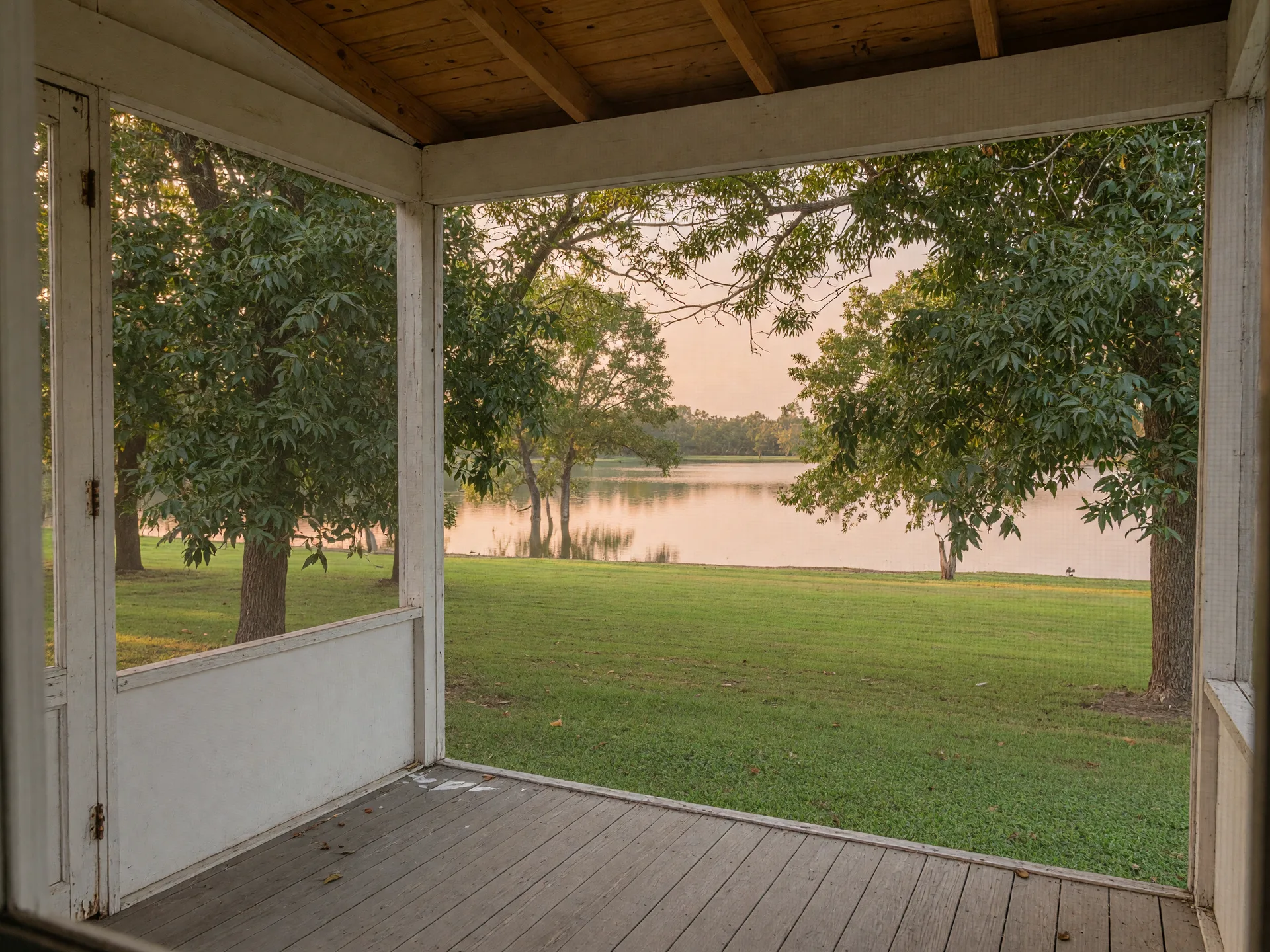
By the 1970s, Lake Hartwell was an established feature of the landscape. The children who grew up on the property in this era never knew the river. The lake was all they had ever seen from the porch. Their childhood was defined by the lake culture that had grown up around Hartwell: the boat clubs, the weekend crowds, the tournament fishing, the summer rhythm of a lake that draws millions of visitors each year.
And yet, the property itself grounded them in a deeper story. The pecan trees that had shaded their ancestors still shaded them. The porch where their great-grandparents had sat in the evening still faced the same direction, even if the view had changed from river valley to open water. The house that had been built in 1873 still held the same proportions, the same cross-breezes, the same sense of permanence. They grew up on a lakefront estate, but they lived in a house that remembered being a farm.
The sixth generation: today
The children who visit 257 Methodist Park Lane today are the sixth generation to climb the pecan trees, to run across the flat lawn, to sit on the covered porch and watch the light change over the water. Their world is one of smartphones, inflatable paddleboards, and the internet. But on this property, the same elemental experiences connect them to every child who came before: the sound of the wind through the pecan leaves, the smell of the lake at dawn, the feeling of grass under bare feet on a summer afternoon.
The property accommodates all of it. The lakeside pavilion, with its two full bathrooms and space for gatherings, is a modern addition that serves the lake lifestyle the fourth generation never could have imagined. The flat, cleared lawn — the same ground the first generation farmed — is perfect for the volleyball nets and cornhole boards of a 2026 lake weekend. And the porch, the same porch that has faced the same direction since 1873, is where they gather at the end of the day, just as every generation before them did.
What childhood on this land leaves behind
When we represent a property like 257 Methodist Park Lane, we are not just selling square footage, a waterfront parcel, or a historic home. We are offering the next generation a chance to join a story that started long before they arrived. The children who grow up here will inherit a relationship with the land that cannot be purchased new — it can only be continued.
We know something about relocating with children ourselves. Sixteen moves across our own military career taught us that what children remember is never the square footage or the architectural style. They remember the tree they climbed, the place where the water met the lawn, the porch where the family sat in the evening. 257 Methodist Park Lane has all of those things, proven across six generations and 153 years.
The seventh generation is waiting. The land here is ready for them.