
Generations
What the land taught: six generations of practical wisdom at Methodist Park Lane
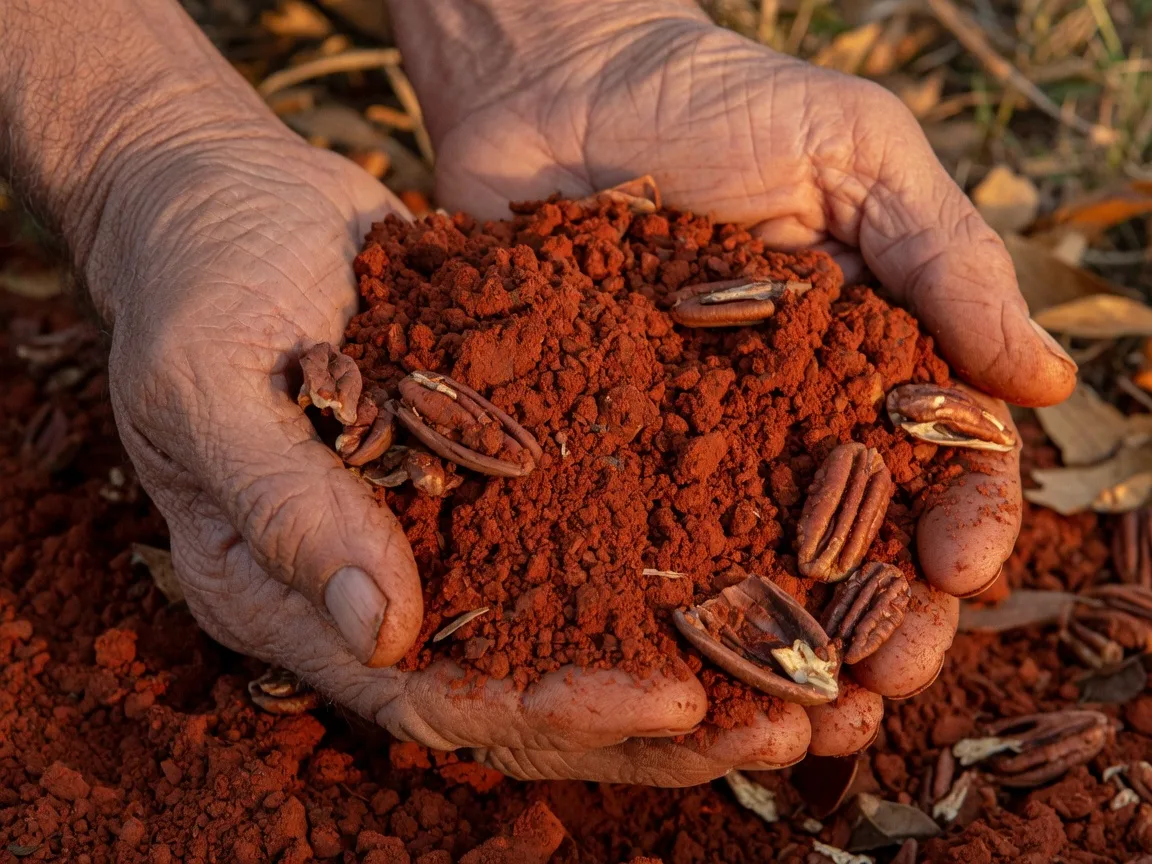
Some knowledge cannot be written down. It has to be passed from hand to hand, from season to season, from one person standing in the field to the next person standing beside them. That is the kind of knowledge the land at 257 Methodist Park Lane has been teaching for 153 years.
The first lesson: when to plant
The first generation who built the home in 1873 knew that planting by the calendar was a gamble in the Georgia Piedmont. The last frost could come as early as March or as late as mid-April. A hard freeze in early spring could wipe out a season's worth of work in a single night. The knowledge that mattered was the ability to read the land itself — the behavior of the red clay, the budding of the oak trees, the angle of the sun against the familiar ridgeline to the north.
That knowledge did not come from a book. It came from standing in the same field, at the same time of year, for enough seasons that the pattern became instinct. The first generation learned it from their parents. They passed it to their children. And those children, after decades of watching the same piece of ground, understood that the pecan trees were the most reliable calendar of all. When the pecan leaves emerged in a certain way, the soil was ready. When the catkins fell, the danger of frost had passed.
The pecan trees at 257 Methodist Park Lane are still there. They have been signaling the arrival of spring for over a century and a half. The next owner of this property may not need to plant corn and beans, but the trees still know when the soil is ready.
The second lesson: how to read the weather
Before NOAA forecasts and weather apps, the family at Methodist Park Lane read the sky. The color of the sunset over the pecan trees. The direction of the wind off the river. The behavior of the swallows over the flat ground. These were not superstitions — they were the accumulated observations of people whose livelihoods depended on accurate prediction.
A red sunset in winter meant cold and clear. A ring around the moon meant rain within three days. The way the pecan leaves turned up in a certain breeze meant a storm was coming from the southwest. The family knew that a hard rain would wash out the lower access road, that a dry August would slow the pecan development, that a wet spring meant the river would flood the bottomland where the cattle grazed. They did not forecast for fun. They forecast because being wrong meant losing food, losing access, losing time.
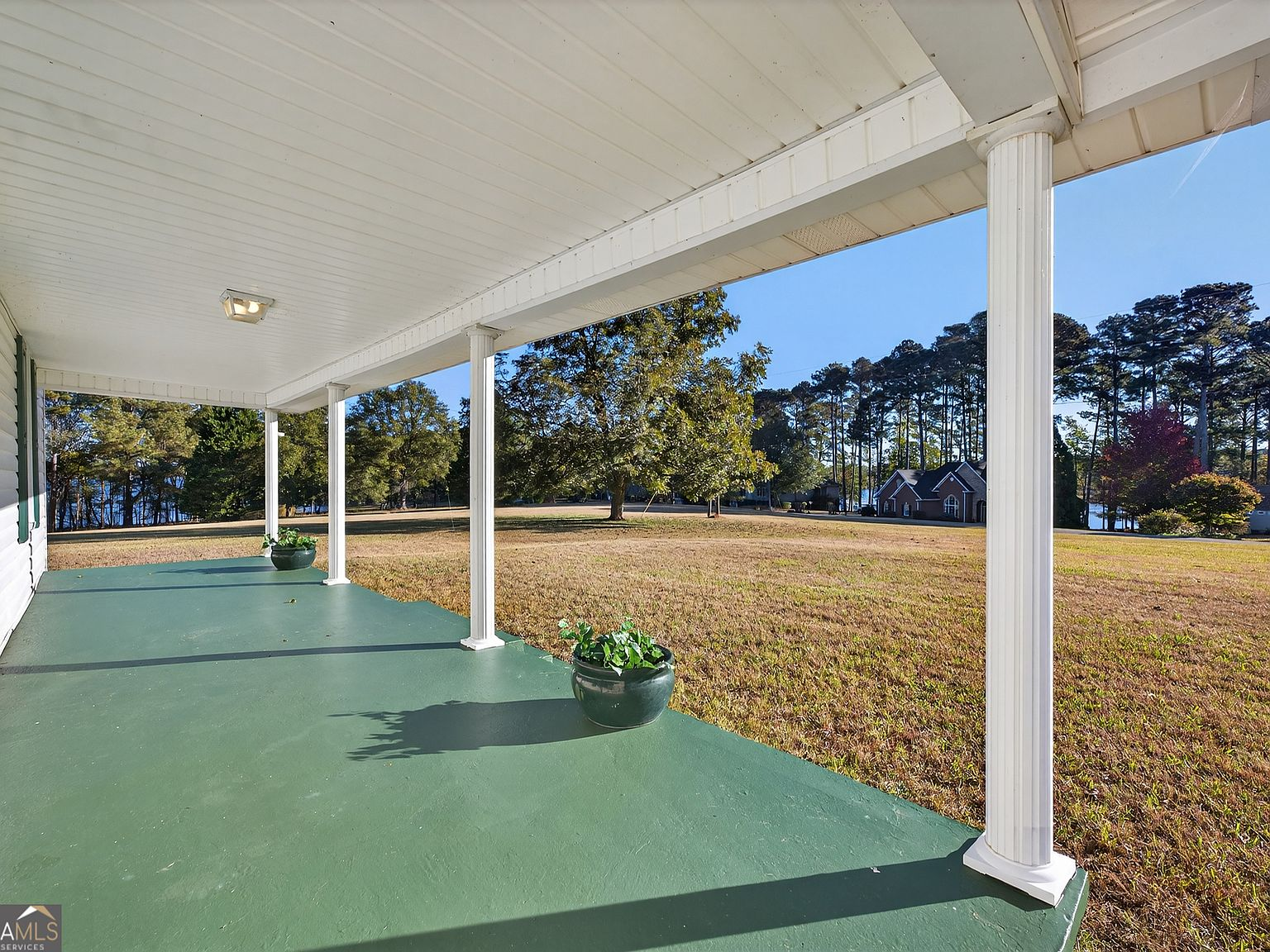
Today, a satellite phone and a weather app serve that purpose. But the family who lived here for six generations did not need satellites. They had the pecan trees, the swallows, the direction of the breeze off the ridge, and the accumulated wisdom of everyone who had stood on this porch before them.
The third lesson: how to hold the land through change
The greatest lesson the land taught was the one that mattered most when the Corps of Engineers arrived in the 1950s. The family who had been reading the sky and the soil and the pecan trees for four generations by then understood that the land itself — the elevation, the drainage, the foundation of the house — was the only asset that could not be replaced.
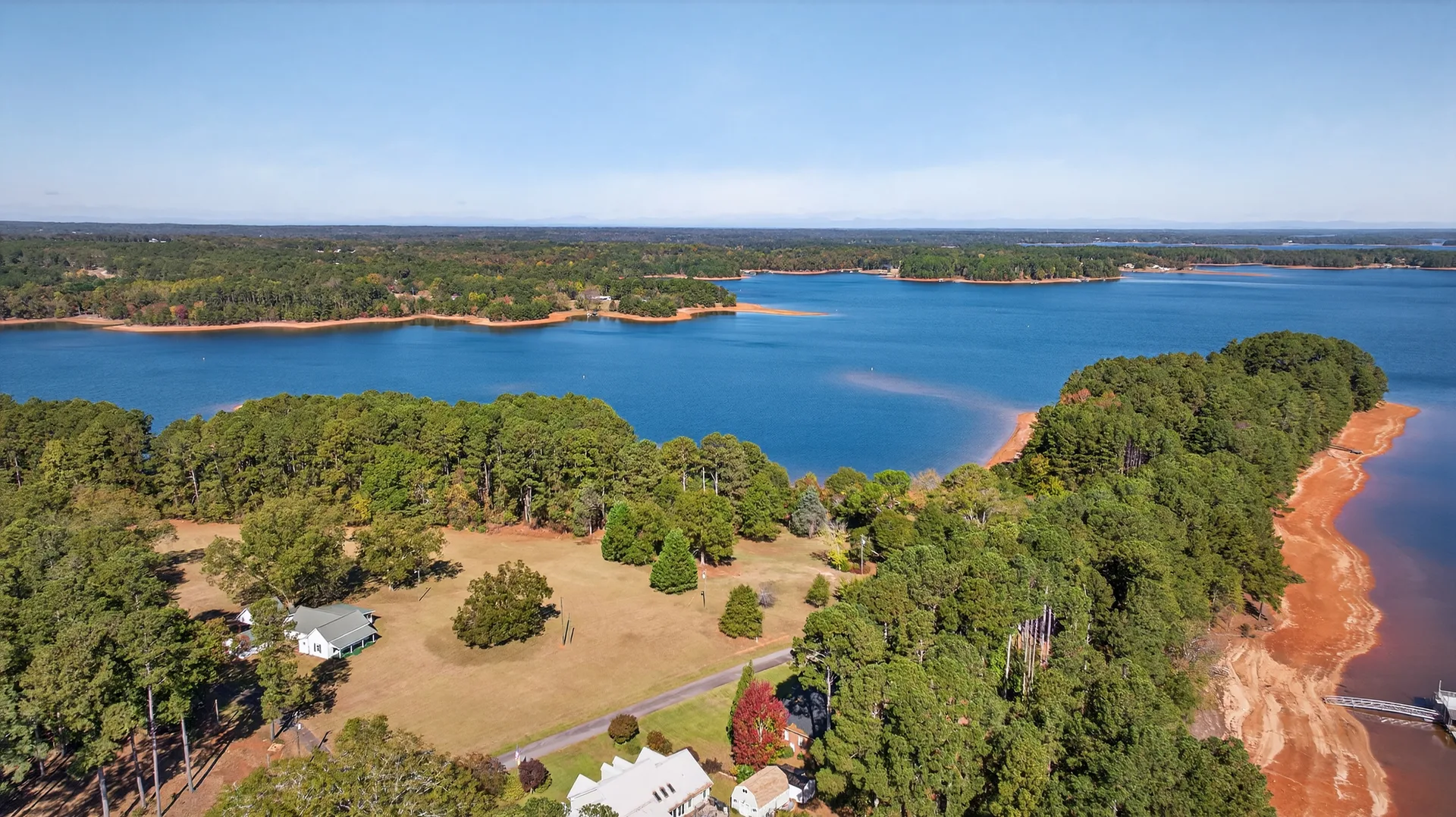
When the dam was authorized and the surveys began, the family's deep knowledge of the property told them what the engineers' transits would confirm: the house sat at 730 feet above sea level, seventy feet above the full-pool line. The flat ground that had held their garden and their livestock pens was high enough to stay dry. The pecan trees would never be submerged. The land that had been chosen in the 1870s for its drainage and its stability was the same land that would survive the greatest transformation the valley had ever seen.
That was not luck. It was the accumulated wisdom of generations who understood that the right piece of land, chosen with care and maintained with discipline, would outlast any change. The family did not need to be told to stay. The land had already taught them.
What the pecan trees still teach
The pecan trees at 257 Methodist Park Lane are the oldest living teachers on the property. They have been pruned, watered, and harvested by six different generations. Each generation learned the same lesson: a pecan tree does not produce a full harvest until its fifteenth year. That is a decade and a half of patience before the investment pays off.
In an age of instant gratification, that fifteen-year wait seems impossible. But the family who planted these trees was not thinking about themselves. They were thinking about their children, and their children's children. The pecan grove was not a landscaping feature. It was a message from the first generation to every generation that followed: this land is worth the wait.
The trees still produce every November. The harvest still falls on the same flat ground. And the lesson is still available to anyone willing to learn it: the best things on this land take time, and the only way to receive them is to stay.
The wisdom you cannot buy
When you purchase a new construction home on a lake, you are buying square footage, finishes, and a warranty. When you purchase a property that has been held by the same family for 153 years, you are buying something that cannot be itemized: the accumulated wisdom of everyone who has cared for the land before you.
The pecan trees know when to leaf. The flat ground knows how to drain. The elevation knows how to stay dry. The porch knows how to catch the breeze. The foundation knows how to hold. These are not features listed on a fact sheet. They are the physical expression of six generations of practical knowledge — the kind of knowledge that only comes from living on the same piece of ground through every season, every storm, and every change.
As real estate advisors who have helped families navigate major relocations and complex transactions across Lake Norman, Charlotte, and Lake Wylie, we know that a property's true value is never fully captured in its price per square foot. At 257 Methodist Park Lane, the true value is not in the house at all. It is in the land, and in everything the land has learned.